Reflection on the Turtle Island and Qırım Indigenous Epistemologies Summer Institute in Türkiye
2 July 2026
Nara Narimanova, PhD Student in Indigenous Studies | Faculty of Native Studies, University of Alberta
I was part of a unique summer institute organized in Tekirdağ, Türkiye, 9–12 June 2026. I call it unique because it gathered Crimean Tatar scholars from around the globe together with Indigenous peoples of Turtle Island (Canada) and Ukrainian scholars who work on developing Indigenous–Crimean Tatar studies. To say that those four days were emotional for me personally, and I am sure for many other colleagues too, is to say nothing. The organizing committee developed nine questions for every participant to answer during their talk or presentation, and everyone contributed by bringing forward their knowledge and experience.
Sitting in the discussion circles at Tekirdağ Namık Kemal University, which kindly provided their facilities for our work, my own positionality felt profoundly layered. I sat there not merely as an academic observer but as a Crimean Tatar scholar, carrying the weight of our shared displacement, and simultaneously as a PhD student within the Faculty of Native Studies at the University of Alberta in Canada. For years, my journey has existed between two worlds: the painful realities of my own people’s ongoing struggle for survival and sovereignty in Crimea, and the deeply transformative, land-based methodologies taught by global Indigenous scholars. To see these two worlds converge in a physical space—to watch Indigenous people from Canada share space, protocols, and tears with Crimean Tatars—provided deep validation of a scholarship I have long tried to articulate. When it comes to Indigenous peoples, we share many common tragedies, but at the same time, we have so much to nurture. I once shared with my supervisor, Nicole Lugosi-Schimpf, an assistant professor in the Faculty of Native Studies in Edmonton, Canada, that every symbol in Crimean Tatar ornaments carries a specific meaning, explaining that the pomegranate (nar in Crimean Tatar) stands for fertility, abundance, prosperity, and good fortune. She remembered this and brought it up during our discussion about what it means to build Crimean Tatar studies, which was a touching affirmation of the incredibly powerful connections being innovated by our work.
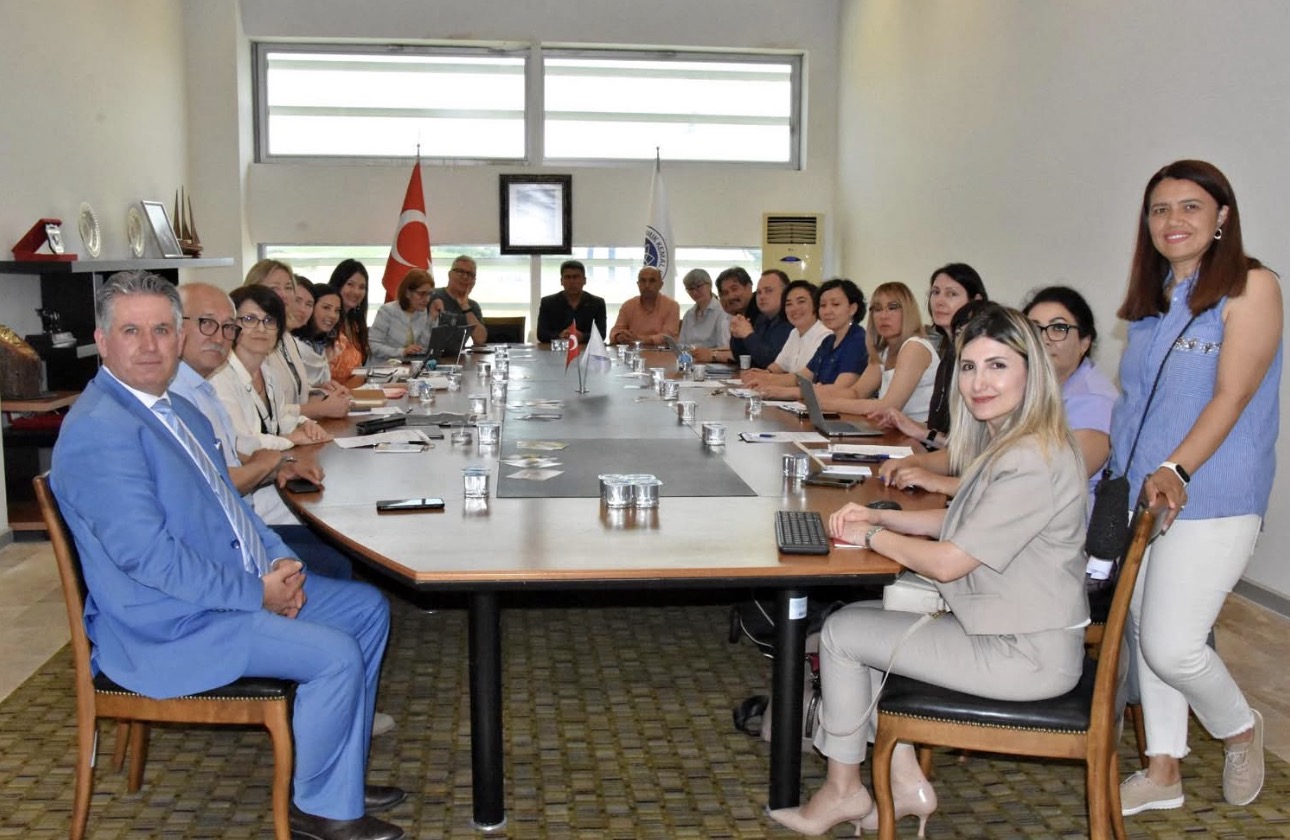
Circle of participants at Tekirdağ Namık Kemal University (Türkiye), 9 June 2026.
Even among Crimean Tatars, we have different generational experiences of trauma and displacement. For most of us, this trauma stems from the forced 1944 Soviet deportation from Crimea to Central Asia. For others, it goes back to ancestors who had to flee Crimea in earlier waves of migration, when the Russian Empire annexed the Crimean Khanate in the 18th century. For example, for our Crimean Tatar community attending in Eskişehir, railroads hold a dual meaning: they reflect the expanding railway industry in the city that provided employment for arriving immigrants, yet the tracks remain an enduring symbol of the devastating 1944 deportation. It was striking to observe and be reminded of how united Crimean Tatar communities are when it comes to our common goal of supporting one another.
On the first day of the Qırım Summer Institute, Celal İçten, head of the Istanbul branch of the Association of Culture and Mutual Assistance of Crimean Tatars, and Recep Şen, president of the Eskişehir Crimean Tatars Cultural and Solidarity Association, accompanied by other members, visited us and shared their opening remarks. It is worth noting that this program originally started in 2025 with a transatlantic workshop in Ankara, continued in Eskişehir, and concluded with a final visit to the association in Istanbul. This was when the organizing institutions—the Ukrainian Resource and Development Centre at MacEwan University and the Canadian Institute of Ukrainian Studies at the University of Alberta—met most of our Crimean Tatar partners in Türkiye. Since then, we have formed a strong core of contributors for the summer institute, including Crimean Tatar, Canadian, Ukrainian, and Turkish scholars, historians, linguists, and activists. Every day, the discussion circles would seamlessly transition into city activities, dinners, and endless conversations in smaller groups about Crimean Tatar studies, decolonization, and the de-occupation of Crimea—which is probably our deepest dream.
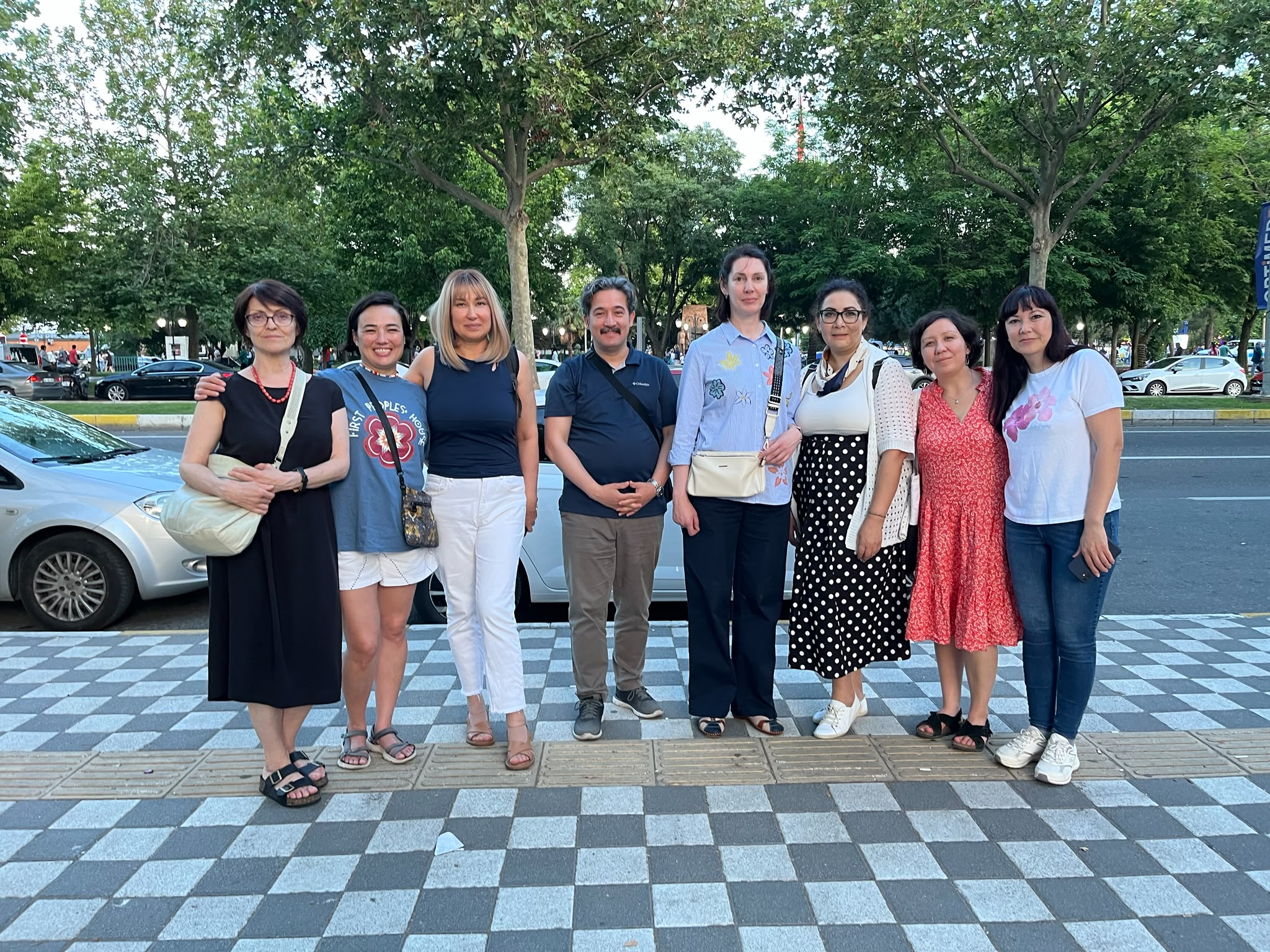
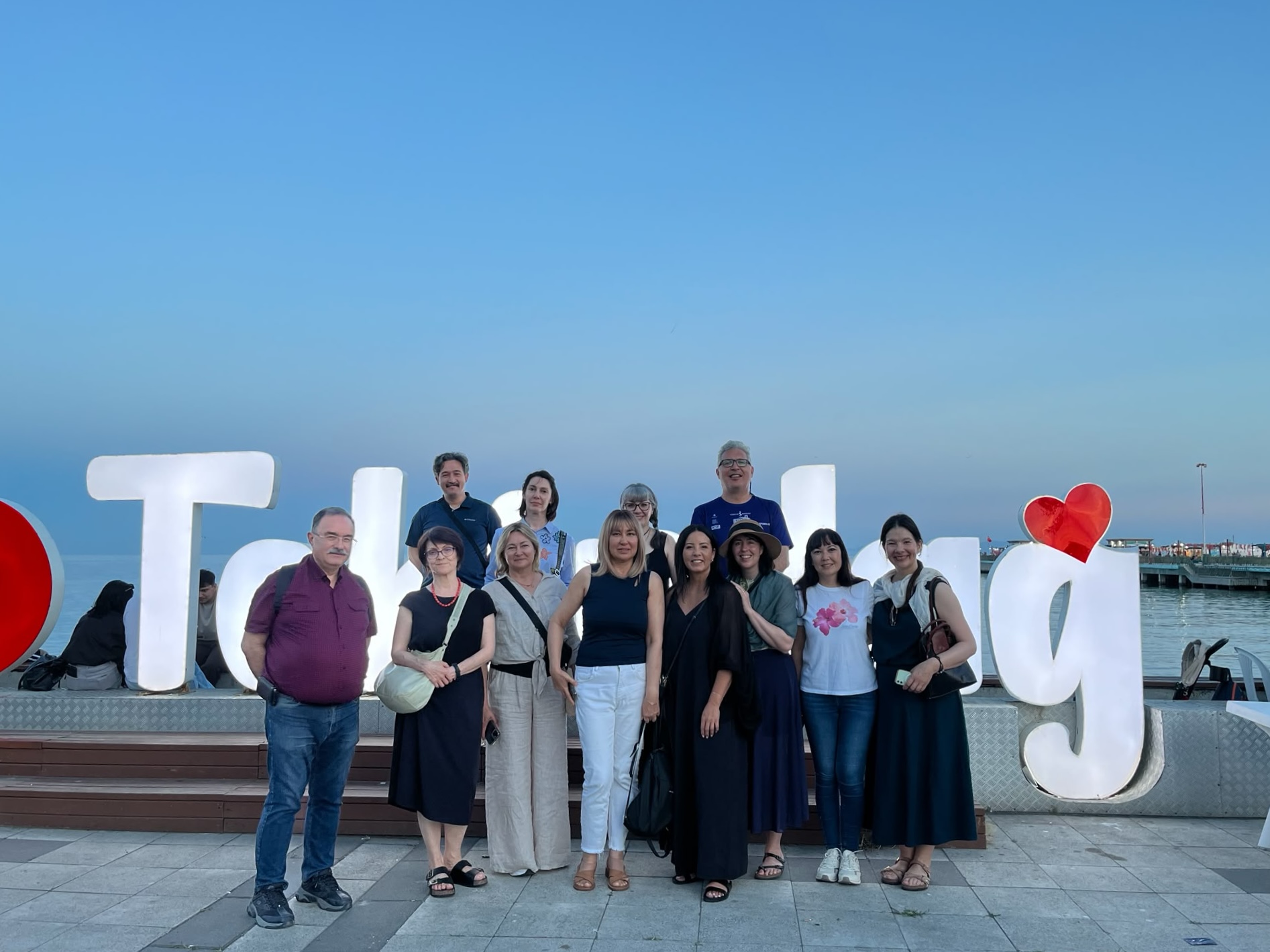
Group photos in the city of Tekirdağ, Türkiye, 11 June 2026.
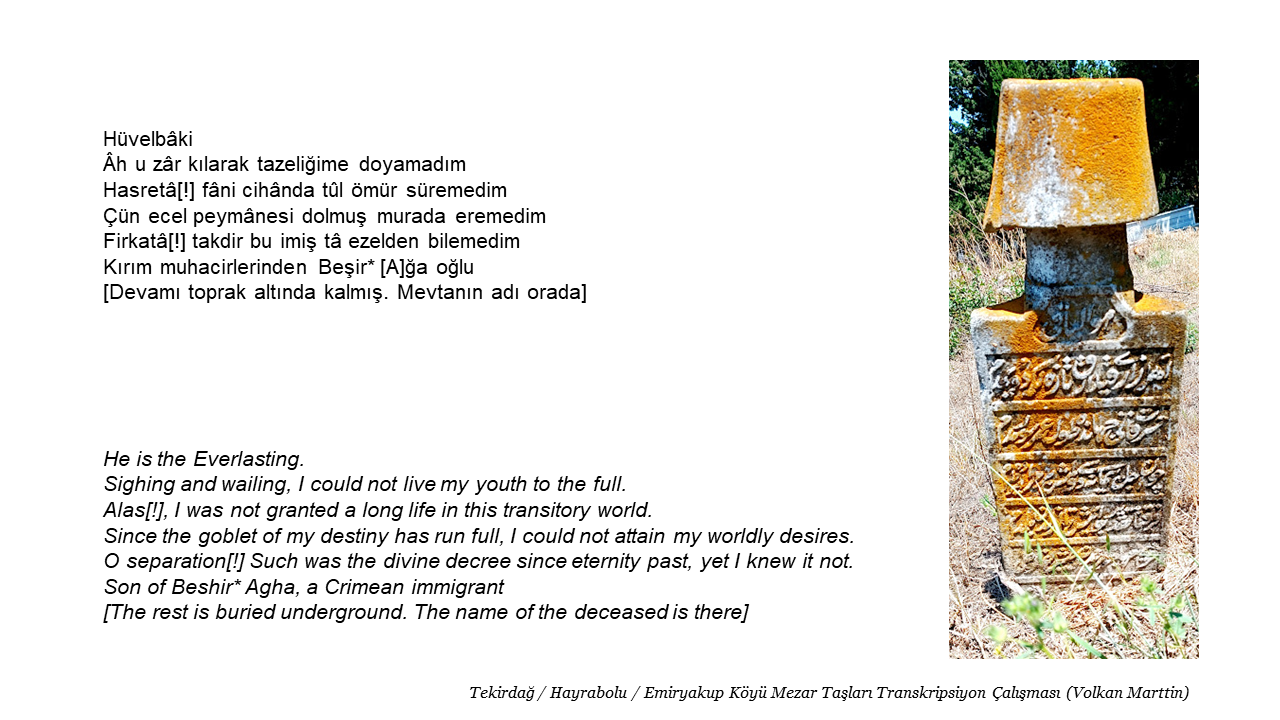
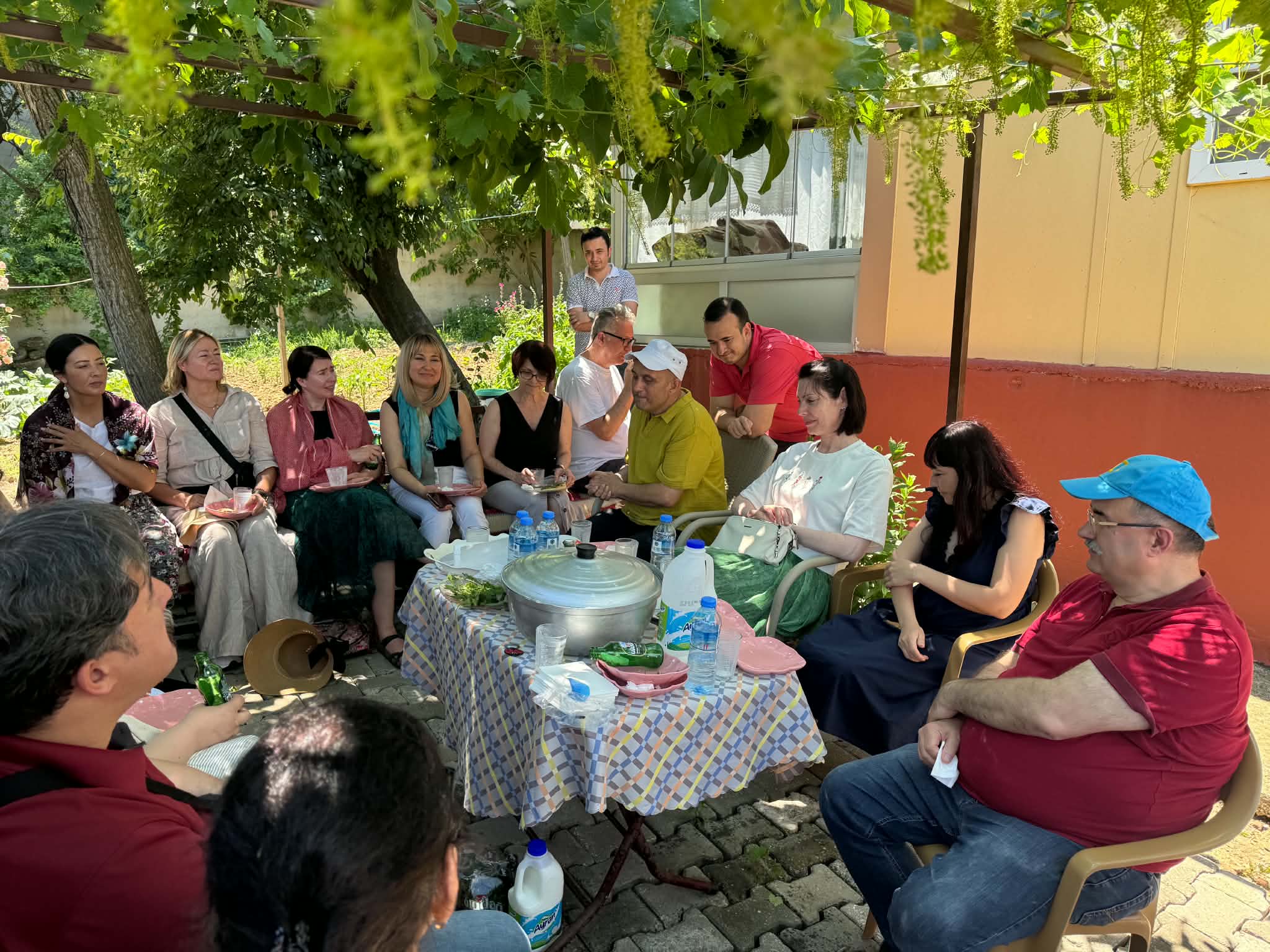
Thanks to one of our partners, Adil Bilsel, who kindly invited us into his family home, we were able to cook a traditional Crimean Tatar dish called yantıq. A half-moon turnover wrapped with thin dough, yantıq is stuffed with minced or finely chopped beef or lamb, onions, and spices. Unlike the deep-fried çiberek, yantıq is cooked entirely dry on a hot pan. We had the wonderful opportunity to roll the dough, stuff it with filling, and cook it together. There is no better way to connect with a culture and truly get to know people than by cooking alongside them. It was personally interesting for me to observe that they made their dough with yeast and rolled it a bit thicker. In my own family, and among other Crimean Tatars outside the diaspora, we make an unleavened dough and roll it very thin. It made me think about which side of the Crimean Tatar community adopted the changes in cooking yantıqlar. After cooking, we enjoyed conversations, shared some lighthearted moments, and walked around the village.
I want to extend my deepest gratitude to Natalia Khanenko-Friesen, director of the Canadian Institute of Ukrainian Studies at the University of Alberta, Larysa Hayduk, director of the Ukrainian Resource and Development Centre at MacEwan University, and Gayana Yüksel, member of the Mejlis of the Crimean Tatar People. This unique Qırım Indigenous Epistemologies Summer Institute would not have been possible without their visionary leadership, tireless initiative, and unwavering dedication to creating a dedicated space for Crimean Tatar studies. By bringing our communities together across oceans and histories, they have not only provided us with an invaluable academic platform but have also sown the seeds for deep, lasting global solidarities. Separately, I want to express my gratitude to all of our colleagues who participated in the summer institute. Without their inestimable contributions, this gathering simply would not have been possible.