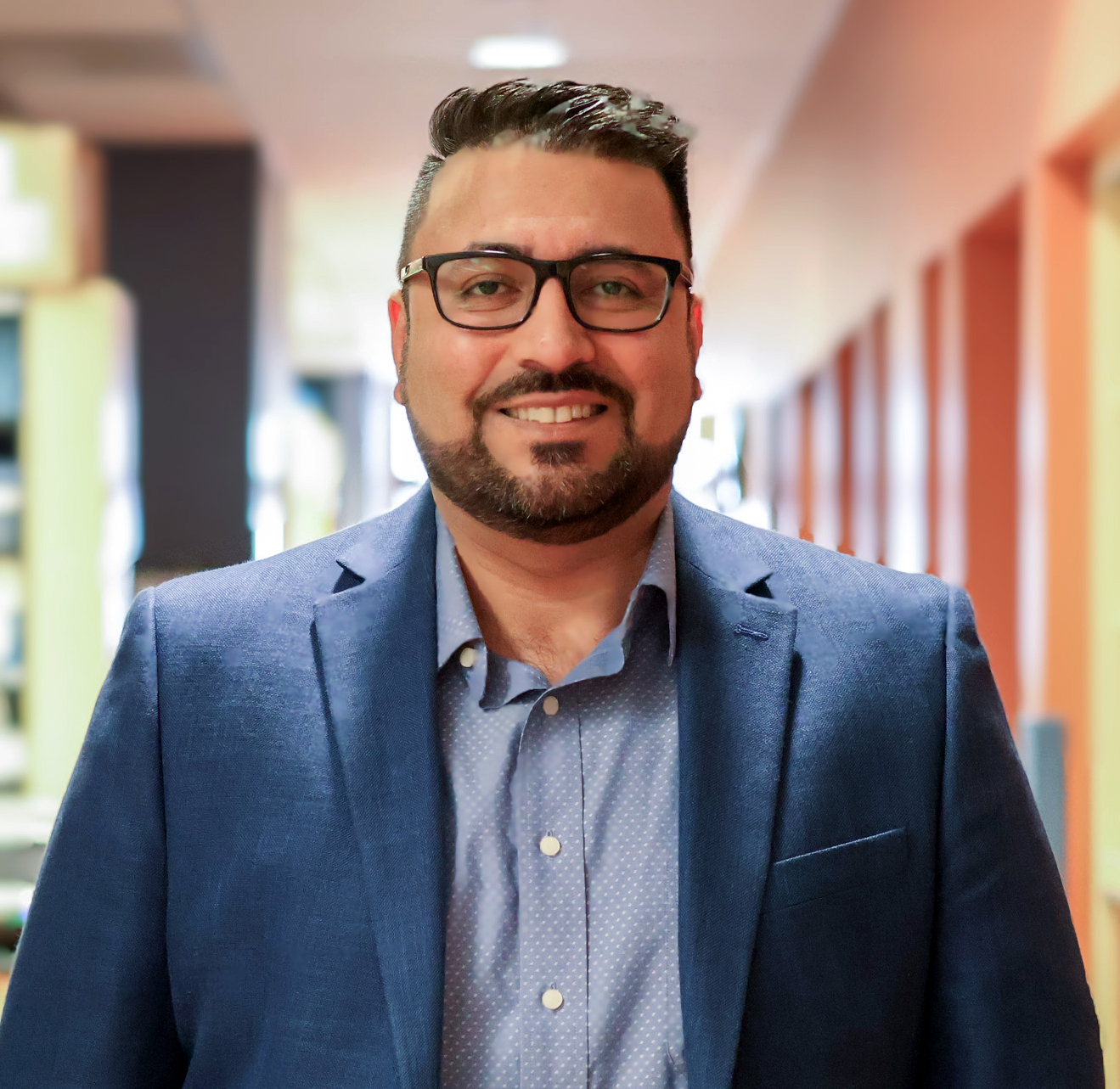
In 2004, Katyal was the first to receive the newly minted award, created by the Alberta Cancer Foundation and Alberta Cancer Board to recognize outstanding graduate students conducting high quality cancer research at the University of Alberta. Granted for two years, the prize is now administered and adjudicated by the Cancer Research Institute of Northern Alberta (CRINA), along with a number of other trainee awards given to early-career scientists.
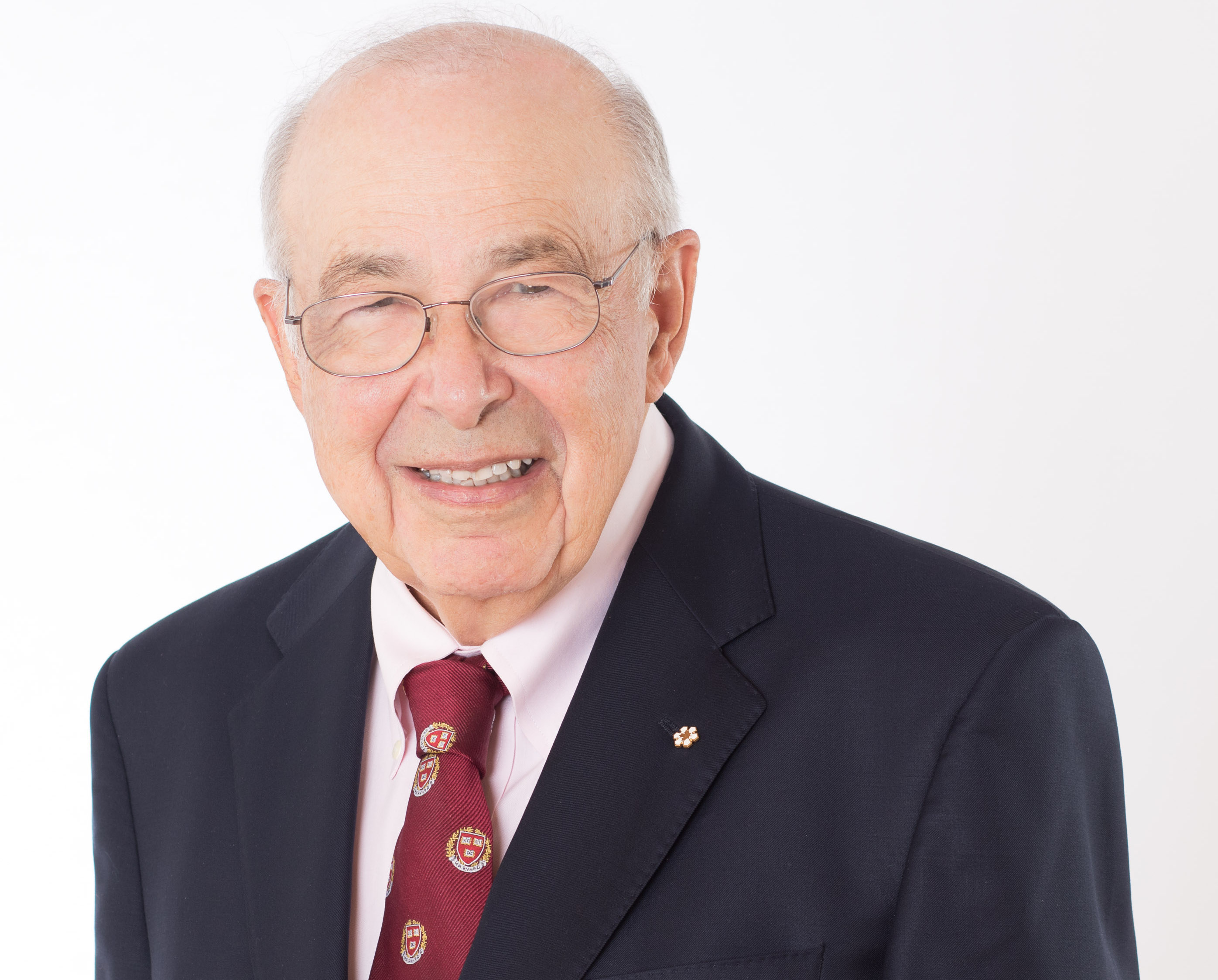
“I was very flattered to learn the award was being established in my name,” remembers Dr. Cyril Kay. One of the top biochemists in the world and Officer of the Order of Canada, the longtime U of A professor and protein chemistry researcher hoped the annual prize would inspire and support young researchers.
The recipients have been highlighted for doing good work, so we want to motivate them to continue, and offer exposure as well, to become better-known within the broader research community.
Dr. Cyril Kay
Mission accomplished, says Dr. Nikhil Raghuram. Granted the Cyril Kay studentship in 2009 in his second year of a PhD program, Raghuram first became interested in cancer research as an undergraduate.
At that point, the vote of confidence and acknowledgement from senior faculty and peers was the biggest impact for me. As younger researchers, we are humbled every day in the lab. Research is tough, and we don’t often get complimented. Being considered among all my peers across the province - especially in the prestigious name of Dr. Kay - gives you faith that you’re doing well and on the right track.
Dr. Nikhil Raghuram
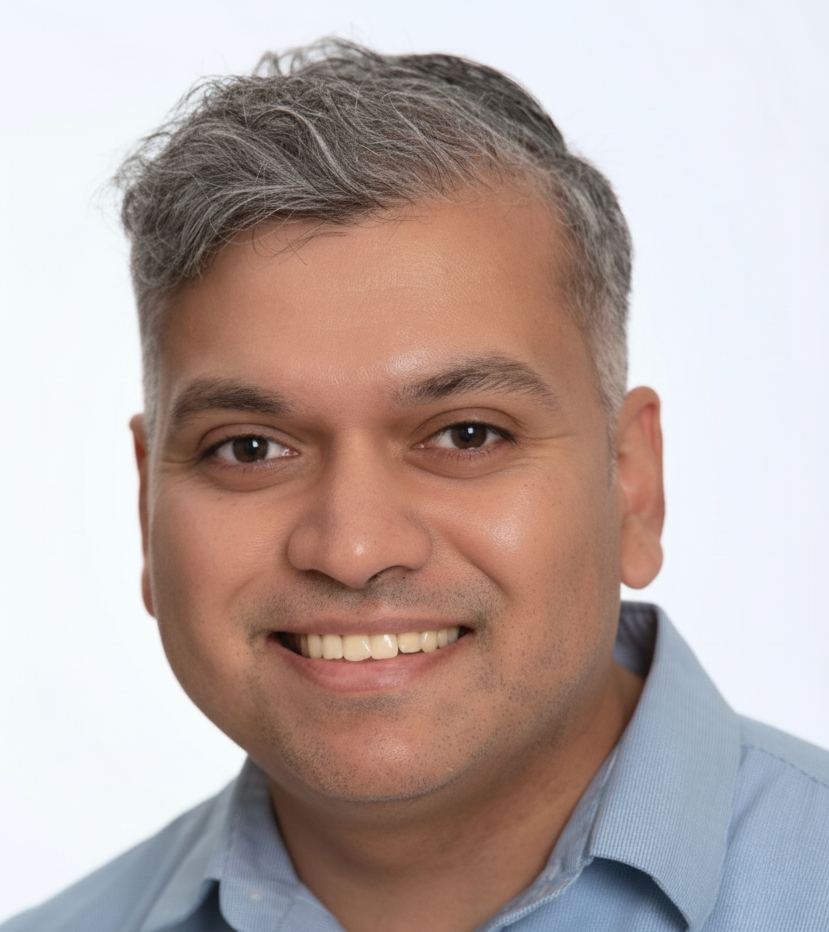
Indeed, after completing his PhD Raghuram pursued a medical degree at the University of Alberta, followed by a residency and fellowship in pediatric haematology and oncology at the University of Toronto. Dr. Raghuram was recently appointed pediatric neuro-oncologist at Alberta Children’s Hospital, diagnosing and treating brain and spinal cord tumours in children.
“Having that pat on the back at a vulnerable stage in my career was the best thing that could have happened to me at the time,” he says. “It certainly fueled my passion.”
For Dr. Jenilee Woodfield, the impact of receiving the studentship award in 2015 was felt closer to home. She was just starting a PhD program under CRINA researcher Dr. Frank Wuest, studying imaging agents to track tumour progression. Pregnant with her first child, she remembers wondering how she could pursue a research career and raise a family.
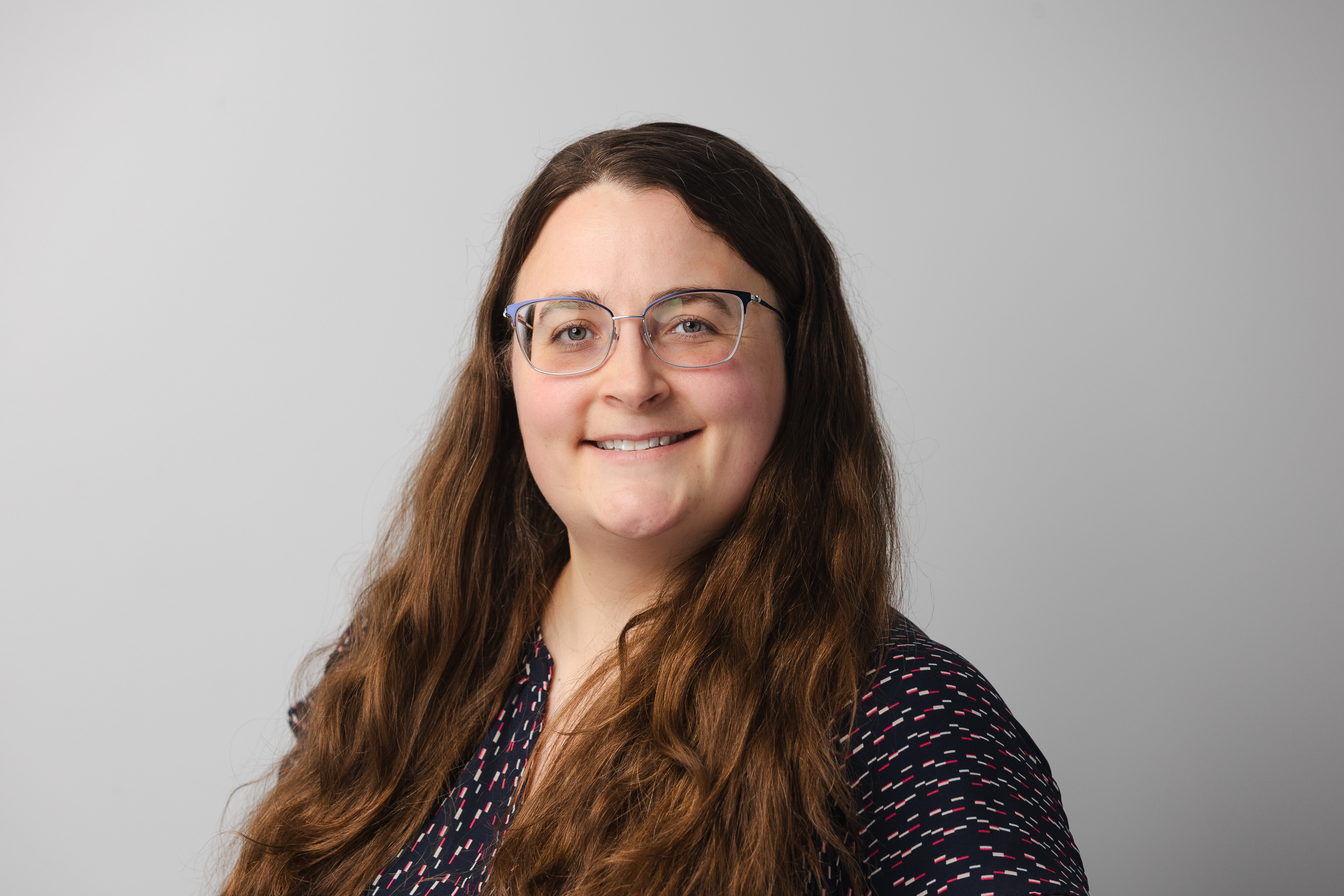
As a female scientist, it can be really tough,” she explains. “A downside of trying to do advanced research is you can take time off for maternity leave but no money will be coming in. Thanks to the studentship award, I was able to keep focusing on my work and a new baby, without that financial struggle. The support helped me continue to work in cancer research.
Dr. Jenilee Woodfield
A decade later, Woodfield continues her research as a radiobiologist. She’s exploring new chemical agents for clearer images of cancers like multiple myeloma, which can hide in bone marrow making them difficult to find and track.
“The field of oncology is so diverse, and every project seems to expand into new questions. I’m also at the point where I’m training others; I’ve become the mentor.”
In 2018, then-PhD student Dr. Amir Bukhari was working to understand how to prevent the spread of breast cancer to other parts of the body.
“Once diagnosed, many women undergo surgery such as a mastectomy, followed by chemotherapy and radiation therapy. My project focused on targeting metastasis, since breast cancer deaths are primarily caused by the spread of the disease to other organs -- affecting roughly one in three patients.”
He says the Cyril Kay studentship has had a lasting impact.
As a graduate student from India - like most foreign students - I had concern about finances. I needed a computer upgrade and was worried about losing my research data. Not only did the award allow me to buy a new computer, but I was also able to attend a research conference, and had more financial security to finish my graduate studies.
Dr. Amir Bukhari
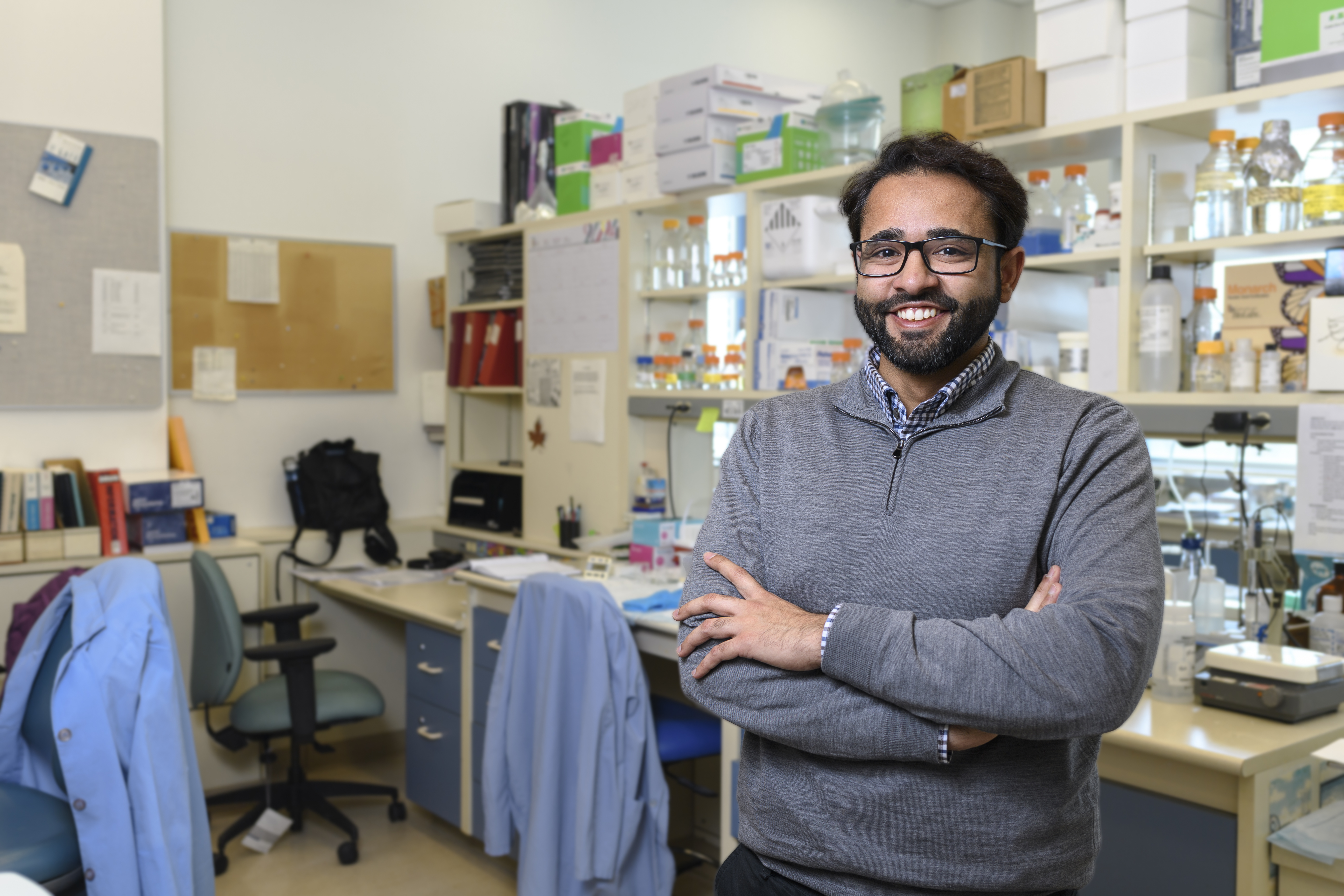
Winning a prestigious award can also lead to additional grants and scholarships, as Bukhari discovered.
“The Cyril Kay studentship showed that my work mattered and was important, demonstrating to others that ‘this person is capable, what he’s doing is exciting, and could lead to important discoveries in the future’.”
Dr. Bukhari now divides his time between two roles at the University of Alberta: research scientist and biosafety officer. In the latter role, he ensures that clinical trial staff at the Cross Cancer Institute are protected from potentially harmful exposure to biological or chemical materials like microorganisms, viruses and novel drugs used in research trials.
Gratitude for the man and the mentor
The recipients have all expressed heartfelt thanks for the Cyril Kay studentship award, and for their contact with the man himself.
“Dr. Kay’s passion, hard work and significant accomplishments have been very inspiring,” says Dr. Nikhil Raghuram. “Getting that award was the best thing that could have happened to me at that time, and propelled me forward towards my medical degree and subsequent research into childhood cancers.”
“I appreciated the everyday interaction Dr. Kay had with trainees, and the confidence he helped build with his friendly banter and encouragement,” remembers Dr. Sachin Katyal. “It showed me you can be a really nice guy and still accomplish so much.”
For Cyril Kay, the support for budding researchers is a crucial investment in the future. Now 94 years old and still actively following new developments in cancer research, he’s gratified that his namesake award has motivated - and will continue to encourage - promising young scientists.
“I always had great respect for students. I learned more from my students than they likely learned from me. I think it’s tough to be a scientist these days, and awards like this are an important way we show them support.”
2025 Recipient
CRINA congratulates the 2025 recipient of the Dr. Cyril M Kay graduate studentship award - funded by the Alberta Cancer Foundation - Anastasia Roemer. Her project involves studying how cancer cells can change themselves to be less stiff, to more easily spread to other parts of the body. She is working under the supervision of CRINA member Dr. Michael Hendzel.