Endowed Chairs in Cancer Research
CRINA is proud to count several endowed research chairs among its members. These prestigious research positions are granted for 5-year terms to scientific leaders in their fields. These endowed chairs are funded through donations, to promote excellence and innovation within specific areas of cancer research.
Learn more about how to establish an endowed chair, here.
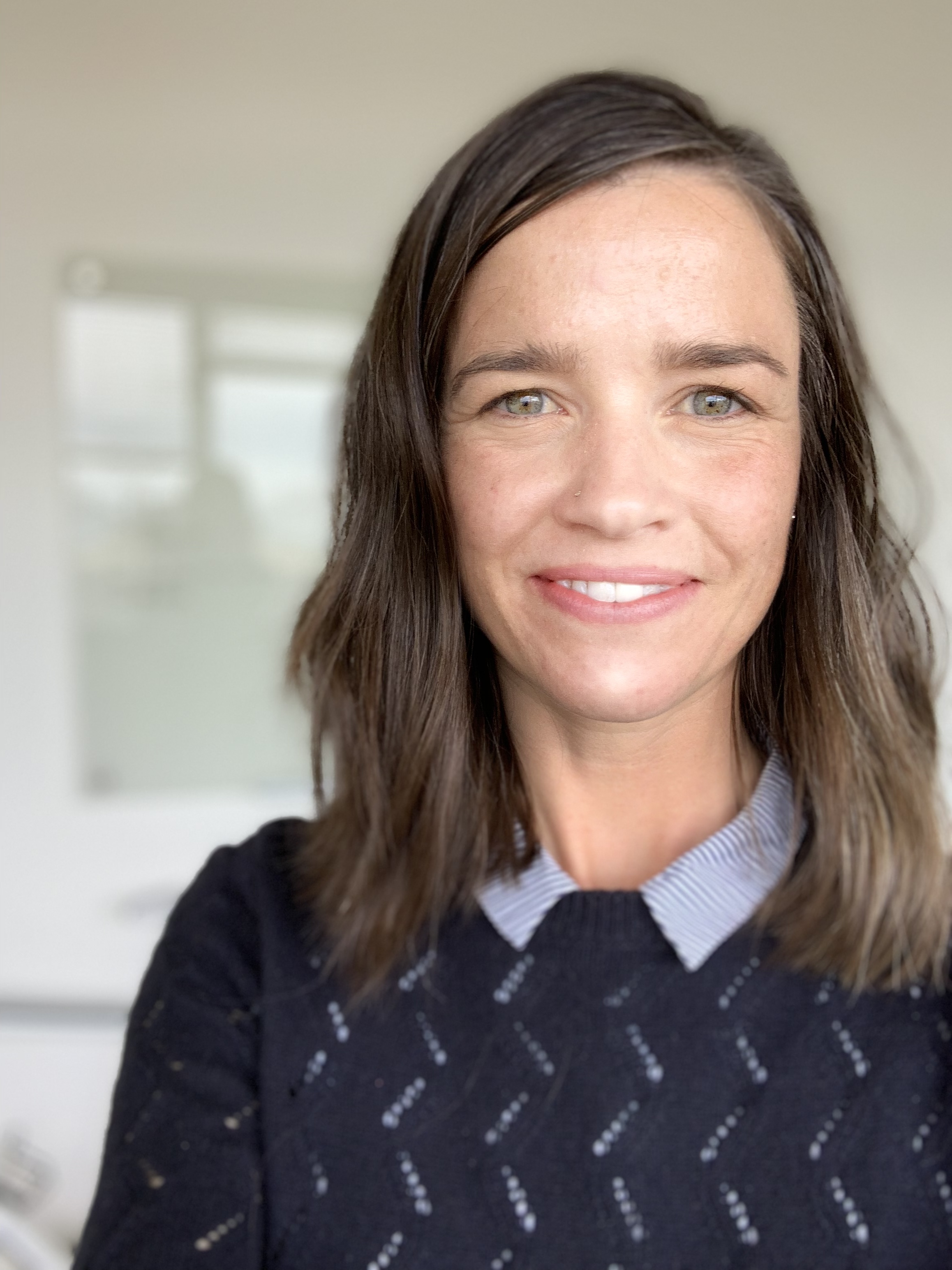
Alberta Cancer Foundation Chair in Palliative Care
Dr. Anna Taylor
Faculty of Medicine & Dentistry, Department of Pharmacology
Dr. Taylor is a biomedical researcher investigating the mechanisms of chronic pain and opioid dependence. As the endowed chair holder, she is studying cancer symptom management and palliative care.
From Dr. Taylor:
“There is compelling evidence that proactive symptom management during cancer treatment can improve treatment outcomes, demonstrating that this is not only an end-of-life issue but should be integrated and prioritized across the lifespan.”
Learn more about Dr. Taylor’s work as the Alberta Cancer Foundation Chair in Palliative Care, here.
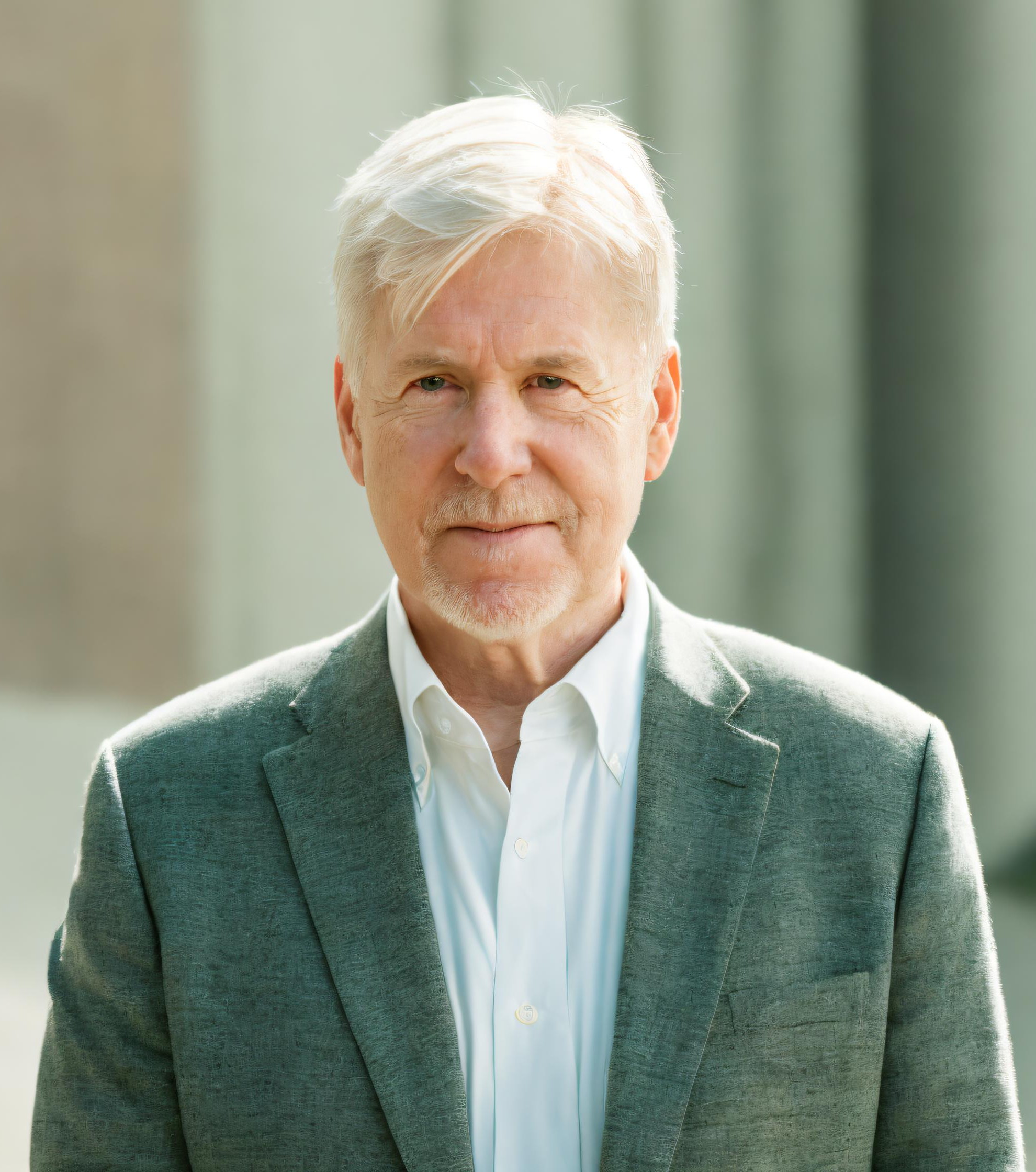
Allard Research Chair in Oncology funded by the Allard Foundation through the Alberta Cancer Foundation
Dr. Frederick West
Faculty of Science, Department of Chemistry
In collaboration with Kipnes Chairholder Dr. Frank Wuest, Dr. West is developing new tumour-imaging agents to make detection of breast cancer tumours quicker and more accurate. Eventually, the radiotracers could lead to earlier discovery, more effective tracking of a cancer’s spread, and better treatments. This tumor targeting strategy is also being used for cancer drug delivery.
A second project focuses on development of novel inhibitors of the DNA repair enzyme ERCC1-XPF, which plays a key role in cancer drug resistance. In collaboration with Drs. Afsaneh Lavasanifar and Michael Weinfeld, several advanced leads have been identified and are under preclinical evaluation.
From Dr. West:
“We want to develop small molecules that target key cancer biomarkers as a strategy for selectively visualizing and treating cancers.”

Bird Dogs Chair in Translational Oncology
Dr. John Lewis
Faculty of Medicine & Dentistry, Department of Oncology
Dr. Lewis studies prostate cancer, the most commonly diagnosed cancer in Canadian men. He is leading a team working to improve prostate cancer screening for better outcomes and to avoid unnecessary biopsies.
From Dr. Lewis:
“I have continued to build an internationally recognized translational cancer research group that has made numerous contributions to our understanding of prostate cancer and the mechanisms of cancer metastasis, which is the cause of more than 90 per cent of cancer deaths.”
Learn more about Dr. Lewis’ work as Bird Dogs Chair in Translational Oncology, here.
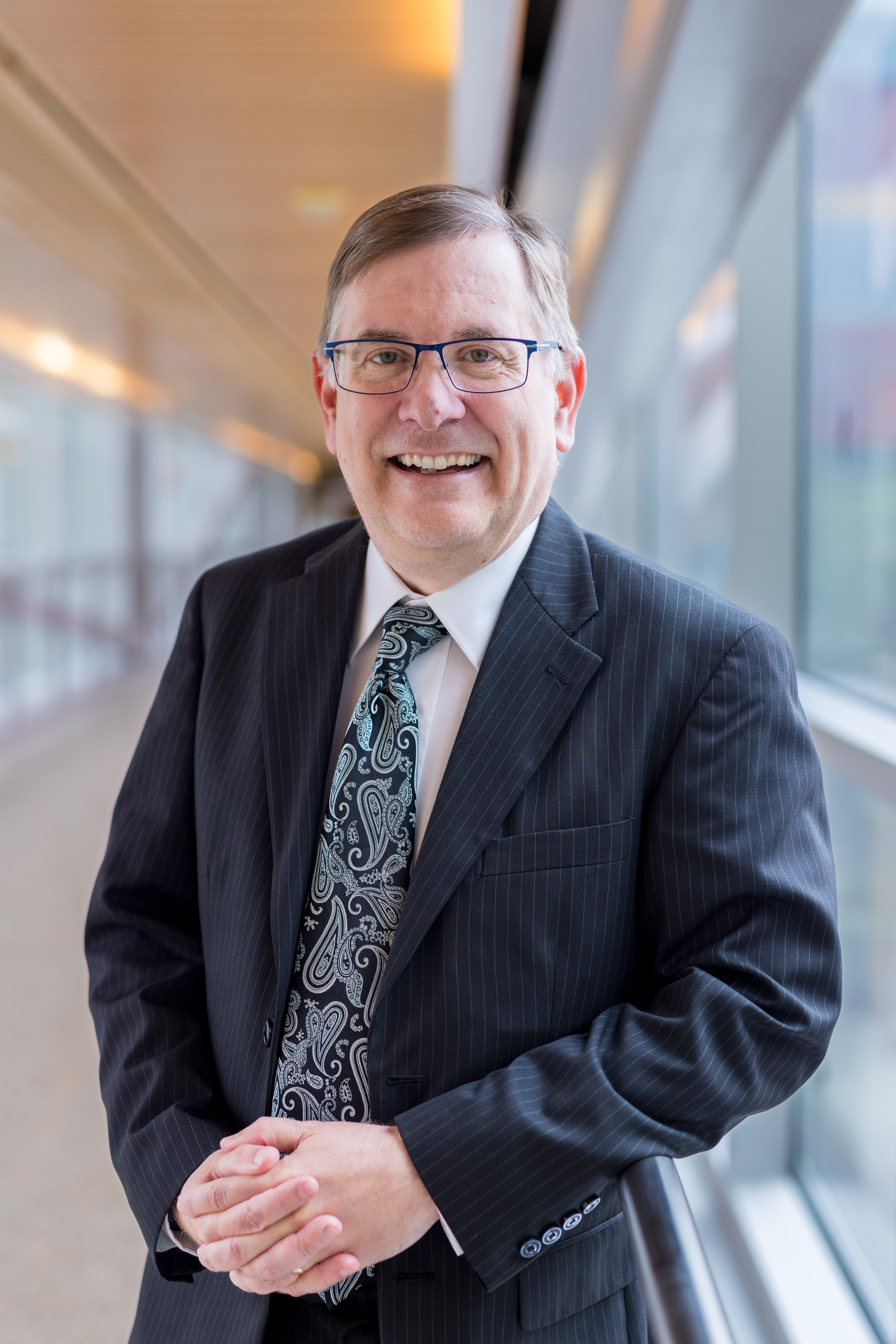
Dianne and Irving Kipnes Chair in Lymphatic Disorders
Dr. Spencer Gibson
Faculty of Medicine & Dentistry, Department of Oncology
The focus of Dr. Gibson’s endowed chair research is to define the signal transduction pathways leading to cell death or survival in lymphedema and cancer. He will also establish a translational research program and lymphedema research network in Alberta to improve the lives of lymphedema patients.
From Dr. Gibson:
"Putting the resources and infrastructure in place to study lymphedema is extremely rare and has allowed for development of lymphedema research that wouldn’t otherwise happen."
Learn more about Dr. Gibson’s work as Kipnes Chair in Lymphatic Disorders, here.

Dianne and Irving Kipnes Chair in Radiopharmaceutical Sciences
Dr. Frank Wuest
Faculty of Medicine & Dentistry, Department of Oncology
Dr. Wuest’s research investigates the design and development of innovative agents for targeted cancer imaging and therapy. This method - called radiotheranostics - combines diagnosis and treatment, using tiny amounts of radiation from special substances to find and destroy cancer cells.
From Dr. Wuest:
“By establishing a leading-edge radiotherapy research program dedicated to developing targeted cancer therapies with radionuclides, our long-term goal is to enable the precise and effective eradication of cancer cells while minimizing damage to healthy tissues.”
Learn more about Dr. Wuest’s work as Kipnes Chair in Radiopharmaceutical Sciences, here.
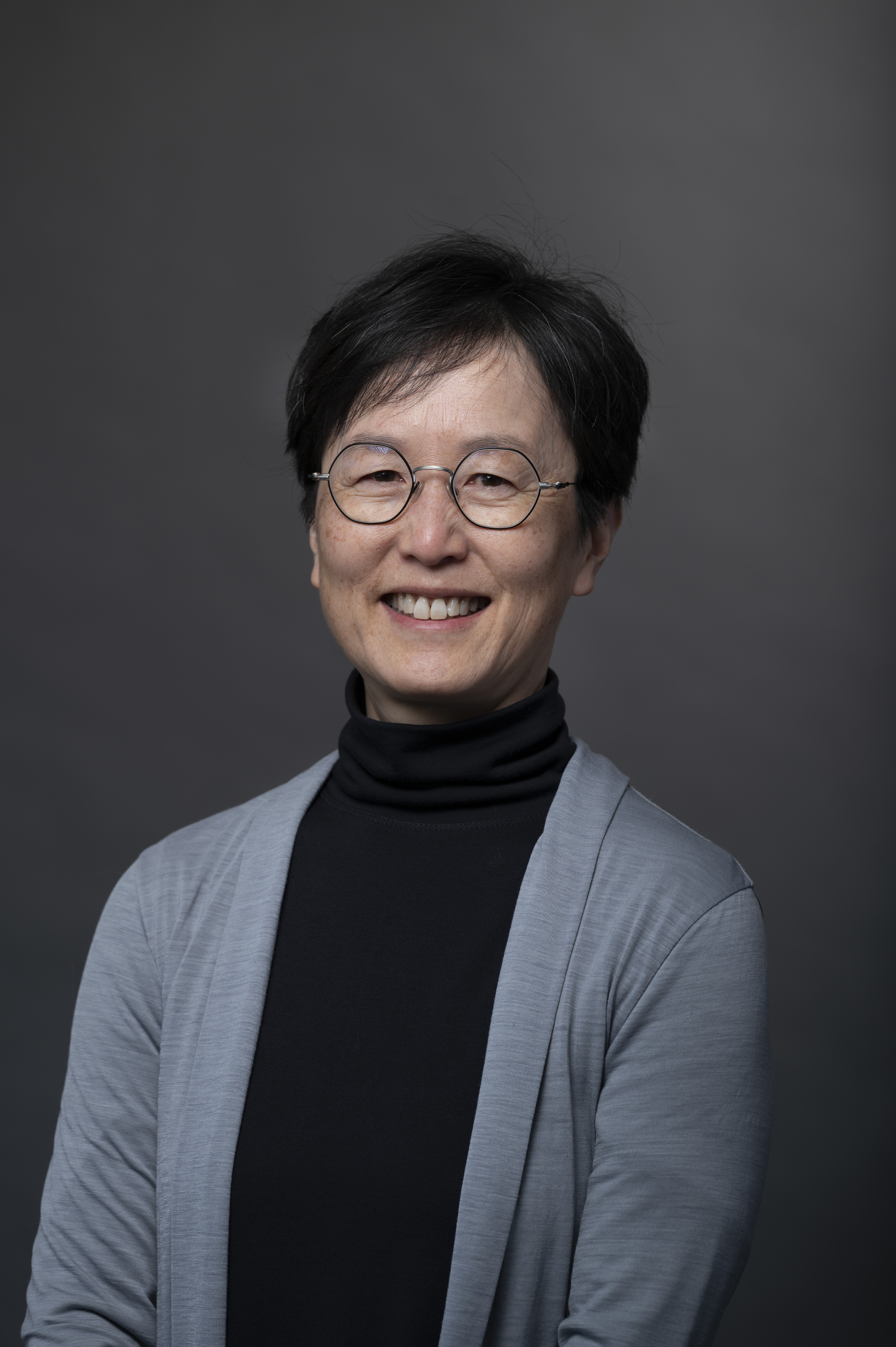
Lilian McCullough Chair in Breast Cancer Research
Dr. Ing Swie Goping
Faculty of Medicine & Dentistry, Department of Biochemistry
Dr. Goping’s research is exploring the biological pathways that drive breast cancer cells to spread, and investigating targeted treatments for breast cancer patients specific to their unique biology.
From Dr. Goping:
“We are continuing to test 3D breast cancer patient-derived organoids, which may provide a personalized clinical platform to identify the best drugs for patients based on their unique genetic composition. This work supports a multidisciplinary research program and provides state of-the-art tools for our growing breast cancer research community.”
Learn more about Dr. Goping’s work as Lilian Mccullough Chair in Breast Cancer Research, here.
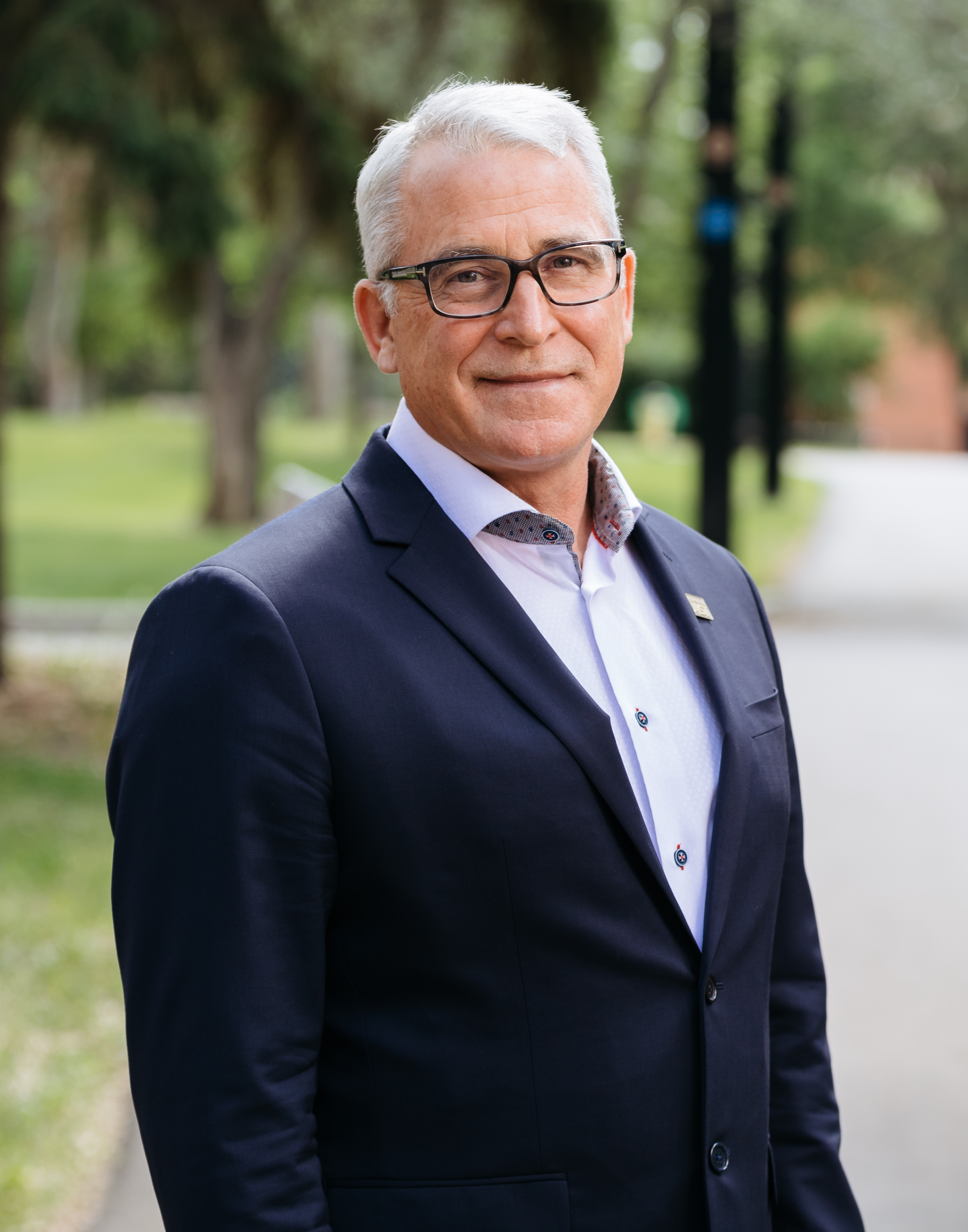
Mr. Lube Chair in Uro-Oncology ResearcH
Dr. Ronald B. Moore
Faculty of Medicine & Dentistry, Departments of Oncology and Surgery
As the inaugural endowed chair holder since 2006, Dr. Moore has conducted research into urological cancers, including developing tests for prostate cancer that will better predict whether treatment is required.
From Dr. Moore:
“Based on local development and clinical trials conducted in Alberta, through the Alberta Prostate Cancer Research Initiative, PSMA–1007 nuclear imaging is now available for clinical staging of prostate cancer in Alberta. This allows clinicians to more accurately assess the stage of prostate cancer and determine whether the treatment for the patient requires escalation or de-escalation.”
Dr. Moore’s lab is currently working on developing fatty acid binding proteins and prostate biopsy derived organoids for predictive assays of prostate cancer.
Learn more about Dr. Moore’s work as Mr. Lube Chair in Uro-Oncology Research, here.

Sawin-Baldwin Chair in Ovarian Cancer
Dr. Cheng-Han Lee
Faculty of Medicine & Dentistry, Department of Laboratory Medicine and Pathology
Ovarian cancer is often found only at advanced stages when symptoms present. Dr. Lee’s research aims to discover drugs to improve the lives of women facing different forms of aggressive ovarian cancer.
From Dr. Lee:
“In partnership with many of the courageous women who donate their tumour tissue for research, we have been utilizing these tumour tissues to generate preclinical experimental models of aggressive cancer types. We have also made significant progress in identifying new therapeutic options for high-grade serous ovarian cancer, which is the most common and the most lethal type of ovarian cancer.
Learn more about Dr. Lee’s work as Sawin-Baldwin Chair in Ovarian Cancer, here.
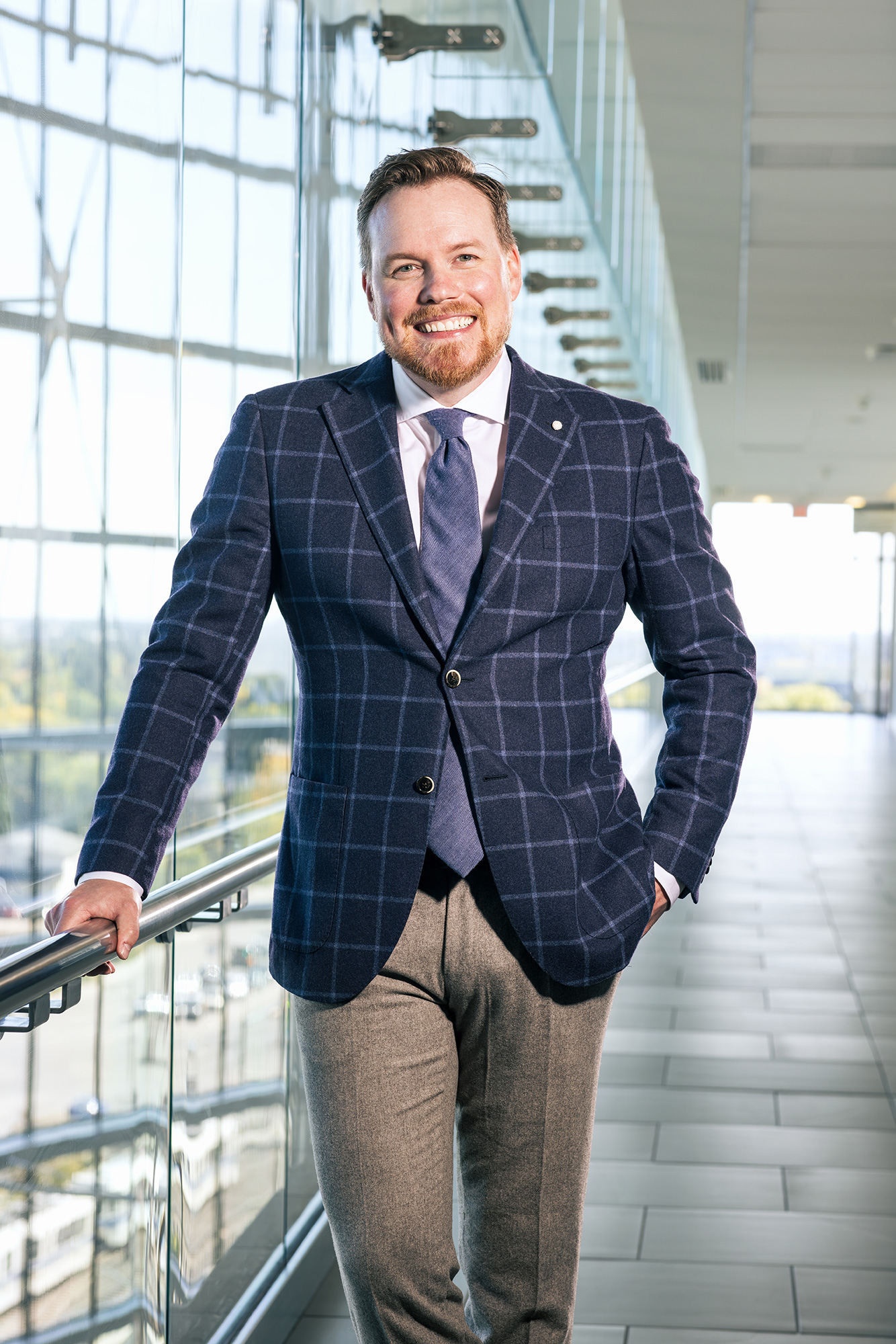
Frank and Carla Sojonky Chair in Prostate Cancer Research
Dr. Adam Kinnaird
Faculty of Medicine & Dentistry, Department of Surgery
A urologist and surgeon-scientist, Dr. Kinnaird both treats prostate cancer and researches the disease. He is conducting research to improve the accuracy of prostate cancer diagnosis, and implement new technologies in prostate cancer care.
From Dr. Kinnaird:
“I interact with prostate cancer patients each day in the clinic, the biopsy suite, and the operating room, managing the spectrum of prostate cancer from clinical suspicion to localized and metastatic prostate cancers. We hope to change the standard method of diagnosis for patients, resulting in improved staging and detection.”
Learn more about Dr. Kinnaird’s work as Frank and Carla Sojonsky Chair in Prostate Cancer Research, here.
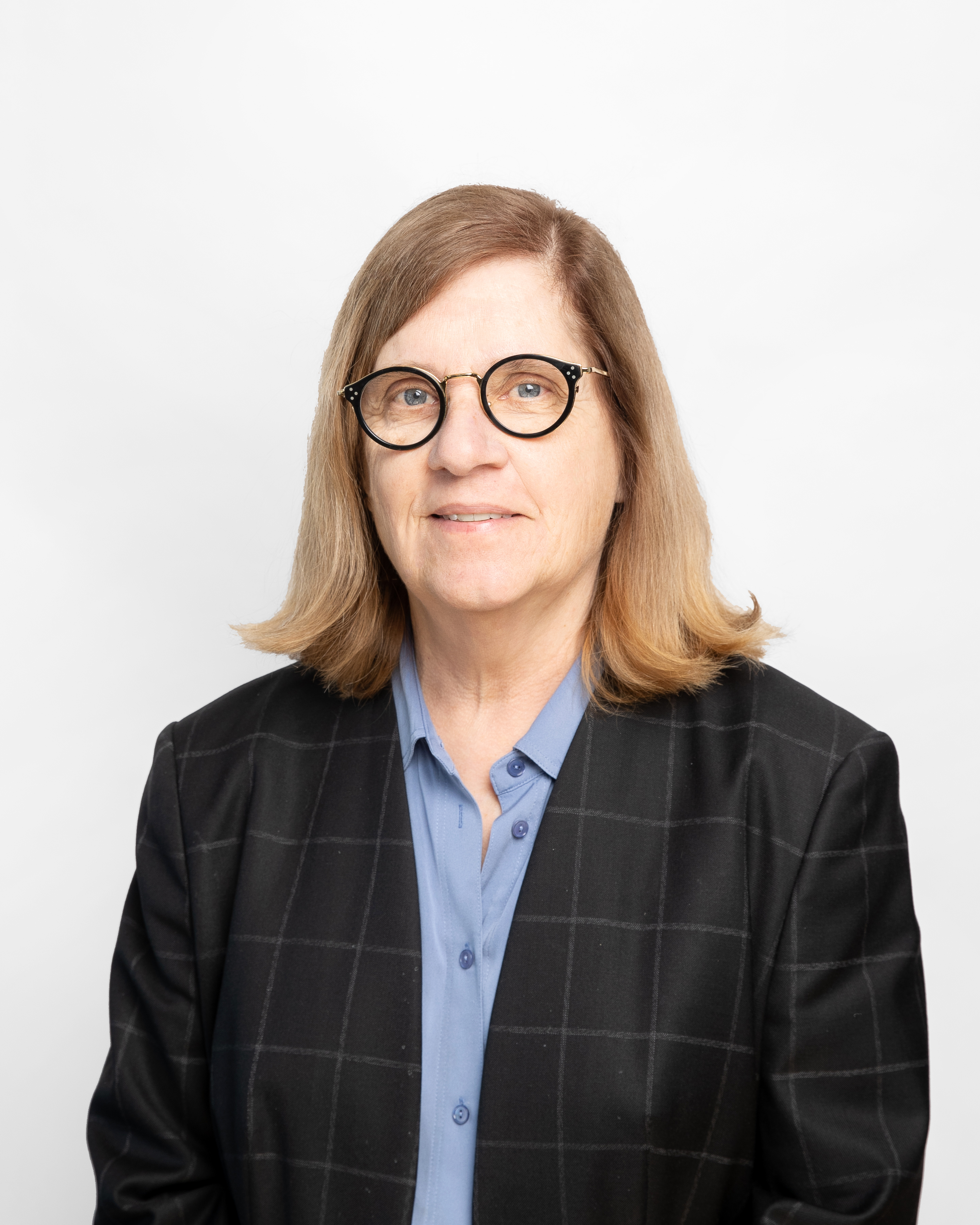
Muriel and Ada Hole Kids with Cancer Society Chair in Pediatric Oncology
Professor Lesley Mitchell
Faculty of Medicine & Dentistry, Department of Pediatrics