Prasanna Neelakantan
Preventing and treating oral ulcers in cancer patients
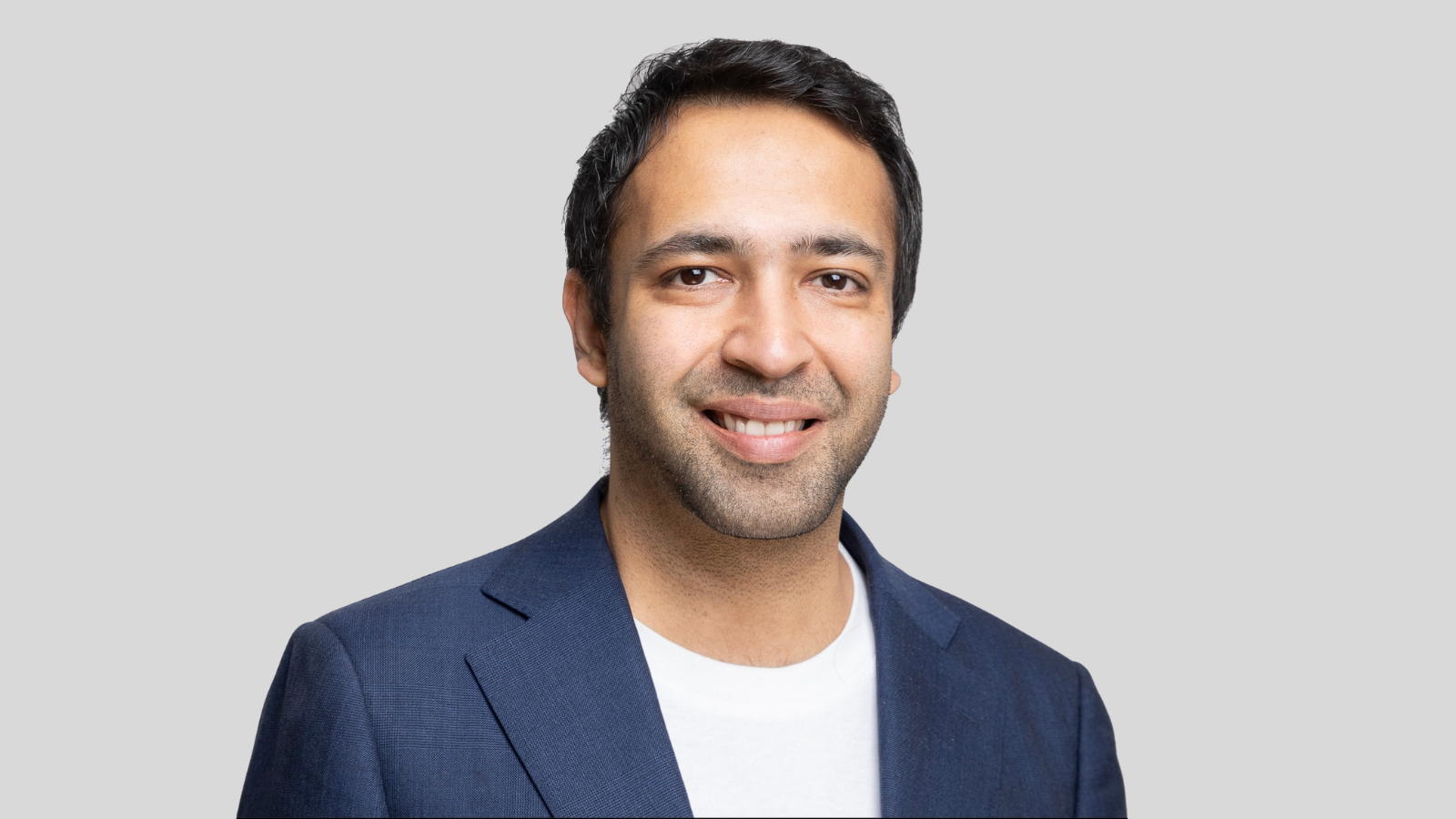
Prasanna Neelakantan is an Associate Professor and Alberta Dental Association & College Chair in Oral Health Research, at the Mike Petryk School of Dentistry. His research focuses on interrogating mechanisms of fungal infection and fungal-bacterial synergy in promoting cancer therapy-induced mucositis. He is pioneering strategies to prevent and treat these lesions that are a major clinical problem.
- How did you get into your area of research?
- As a dentist, I regularly see patients experiencing side effects from cancer treatment. One of the most common and challenging complications is the development of painful oral ulcers following cancer therapy. Currently, there are no approved approaches to prevent or effectively treat these ulcers and care is largely palliative.
- This led me to ask: how do these ulcers develop and what role might the oral microbiota play? While much of the existing evidence suggests that bacteria are not the primary drivers, our research has shifted towards investigating the role of fungi. Excitingly, we have found that fungi appear to be key contributors to the development of these ulcers following chemotherapy. I say exciting because this now gives us new hope to dive deep into preventing these infected ulcers and improve the quality of life of patients.
- This is particularly important because some patients with cancer do not die from the cancer itself, but from infections. The oral cavity serves as a major route for these infections, so improving oral health during treatment has the potential to reduce serious complications such as bloodstream infections.
- Please explain your research.
- My research focuses on understanding the precise role of the oral microbiome in initiating and worsening oral ulcers in patients undergoing cancer treatment. My group aims to identify the underlying mechanisms that drive these ulcerations and to discover compounds that can prevent them from developing.
- At the same time, we are developing potent antimicrobial peptides designed to both eliminate infection and promote healing in patients who already have these ulcers. Ultimately, our goal is to both prevent and treat oral infections and ulcerations, improving outcomes and quality of life for patients.
- What impact is your research making?
- I am relatively new to the University of Alberta and am currently in the process of applying for national funding, building on internal support we have already received. My lab has developed new approach methodologies and unique experimental models–an area where only a handful of labs worldwide are working. In collaboration with CRINA member Professor Ted Allison, we are championing a larval zebrafish model to advance the frontiers in this niche area. We are pioneering a strong pipeline of potential therapeutics which include both disarming disease causing fungi and peptides that serve more than just antimicrobial function, since they can reduce inflammation and improve healing of wounds. We are also exploring opportunities to partner with industry to help translate this work further.
- Our research has the potential to identify the exact mechanisms driving oral ulcer development and to create a multifunctional therapy that can both prevent and treat these ulcers. This is especially important because oral and gastrointestinal ulcers are extremely common during cancer treatment and can be very painful, making it difficult for patients to eat, swallow, and maintain their quality of life. In some cases, these side effects can even lead to reduced or discontinued chemotherapy, which can impact treatment outcomes.
- In addition, these ulcers can act as a gateway for harmful pathogens to enter the bloodstream in immunocompromised patients, increasing the risk of serious infections. By preventing and better treating these ulcers, our work has the potential to benefit a large proportion of patients undergoing cancer treatment and improve their outcomes.
- Which elements of your work do you find the most rewarding?
- I find two aspects of my work especially rewarding. First, mentoring students–seeing them grow and succeed is incredibly fulfilling, and I view their success as a reflection of our shared efforts.
- Second, I am motivated by the potential for our research to make a meaningful impact in the short to medium term. The idea that our work could benefit patients who currently have limited treatment options is both exciting and deeply motivating.
- If you hadn't become a researcher, what might you be doing?
- When I entered dental school about 25 years ago, I knew I wanted to be both a clinician and a scientist. I’ve never been able to imagine a life where I was not a scientist and not doing research. Perhaps I would have been a clinician only, or in an alternate world, I would have been a chef!
- What's one thing people may be surprised to learn about you?
- I tend to be quite calm and reserved at first, but that changes once you get to know me. I also enjoy cooking and spending time looking through atlases (not the single cell ones, but the world map ones!).
- How has CRINA helped support your work?
- One of the first things I noticed when I arrived at the University of Alberta, after working at several institutions around the world, was how close and collaborative the research community is. CRINA has played a really pivotal role in fostering that environment.
- Members of CRINA have been extremely supportive throughout my grant writing and review process, providing clear and detailed feedback that has strengthened my applications. Through CRINA, I have also been able to connect with researchers working in complementary areas, creating opportunities for collaboration and providing valuable guidance for future work.