Adam Kinnaird
Improving how we see and treat prostate cancer
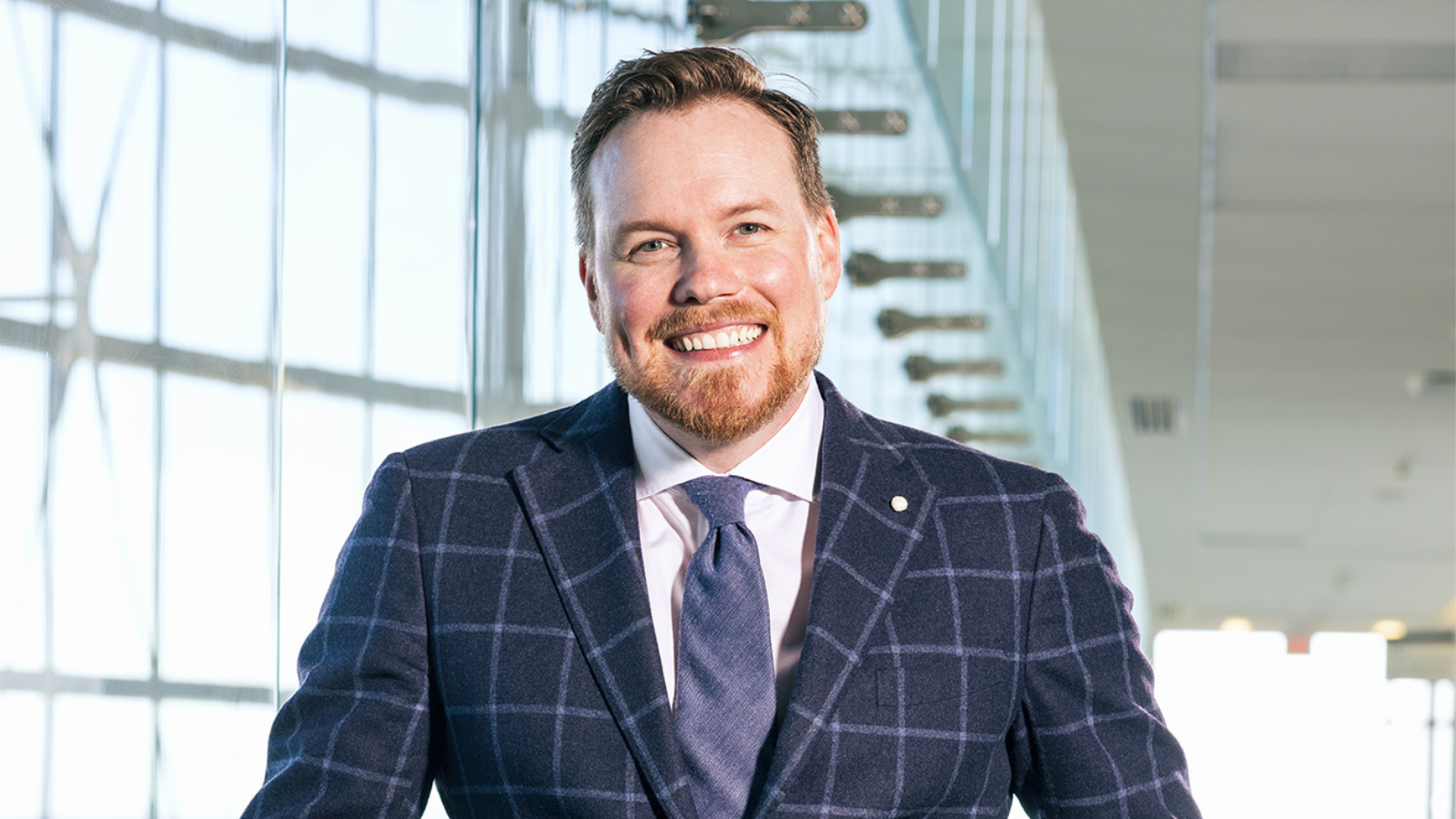
Adam Kinnaird is a Surgeon Scientist and the Frank and Carla Sojonky Chair in Prostate Cancer Research in the Division of Urology, Department of Surgery. His lab studies translational prostate cancer research with a focus on new drugs, technologies, and devices.
- How did you get into your area of research?
- I completed a urology residency at the University of Alberta, where I also pursued a PhD through the Clinician Investigator Program, studying the epigenetic regulation of kidney cancer under the supervision of Dr. Evangelos Michelakis. During my residency, my interests shifted toward prostate cancer, which led me to pursue a fellowship at UCLA with Dr. Leonard Marks focused on innovative approaches to diagnosing and treating prostate cancer. This experience ultimately set the stage for my current research program.
- Please explain your research.
- My clinical research program focuses on advanced imaging techniques for prostate cancer, including microultrasound, MRI, and PSMA-PET. In addition, I am exploring novel ways of treating prostate cancer that don’t require removal of the entire gland, with the goal of preserving quality of life by reducing side effects such as impacts on sexual function and urinary continence.
- In parallel, my discovery science lab is dedicated to developing and testing new therapies for advanced prostate cancer.
- What impact is your research making?
- One of the biggest challenges in prostate cancer is that we still don’t have a complete picture of where the cancer is located within the prostate until the entire gland is removed. My research group aims to improve the ability to accurately map and characterize prostate cancer while the prostate is still in the patient.
- By using advanced, minimally invasive imaging techniques, we are working to detect cancer earlier, define its exact margins, and determine whether the cancer is clinically significant. Ultimately, this approach can support more precise and personalized treatment decisions while reducing the need for more invasive procedures.
- Which elements of your work do you find the most rewarding?
- I find mentorship to be one of the most rewarding aspects of my work. I have the opportunity to work with a range of trainees, including a clinical fellow, a PhD student, residents, medical students, and undergraduate students, all of whom are involved in research with me.
- Supporting and helping to train the next generation of clinician-scientists and surgeon-scientists is something I really enjoy.
- If you hadn't become a researcher, what might you be doing?
- I would be an engineer. I love working with technology and like the way engineers approach problems.
- What's one thing people may be surprised to learn about you?
- I played goaltender for the University of Alberta Golden Bears Ice Hockey team.
- How has CRINA helped support your work?
- I think that CRINA is a good place for like-minded researchers to come together. CRINA has provided my trainees with opportunities to present their work and engage with the broader research community at the annual CRINA Research Day. I also appreciate that some of my colleagues have received bridge funding from CRINA, which is critical for keeping the forward momentum of research projects.