Alan Underhill
Mapping chromatin dynamics in cancer cells
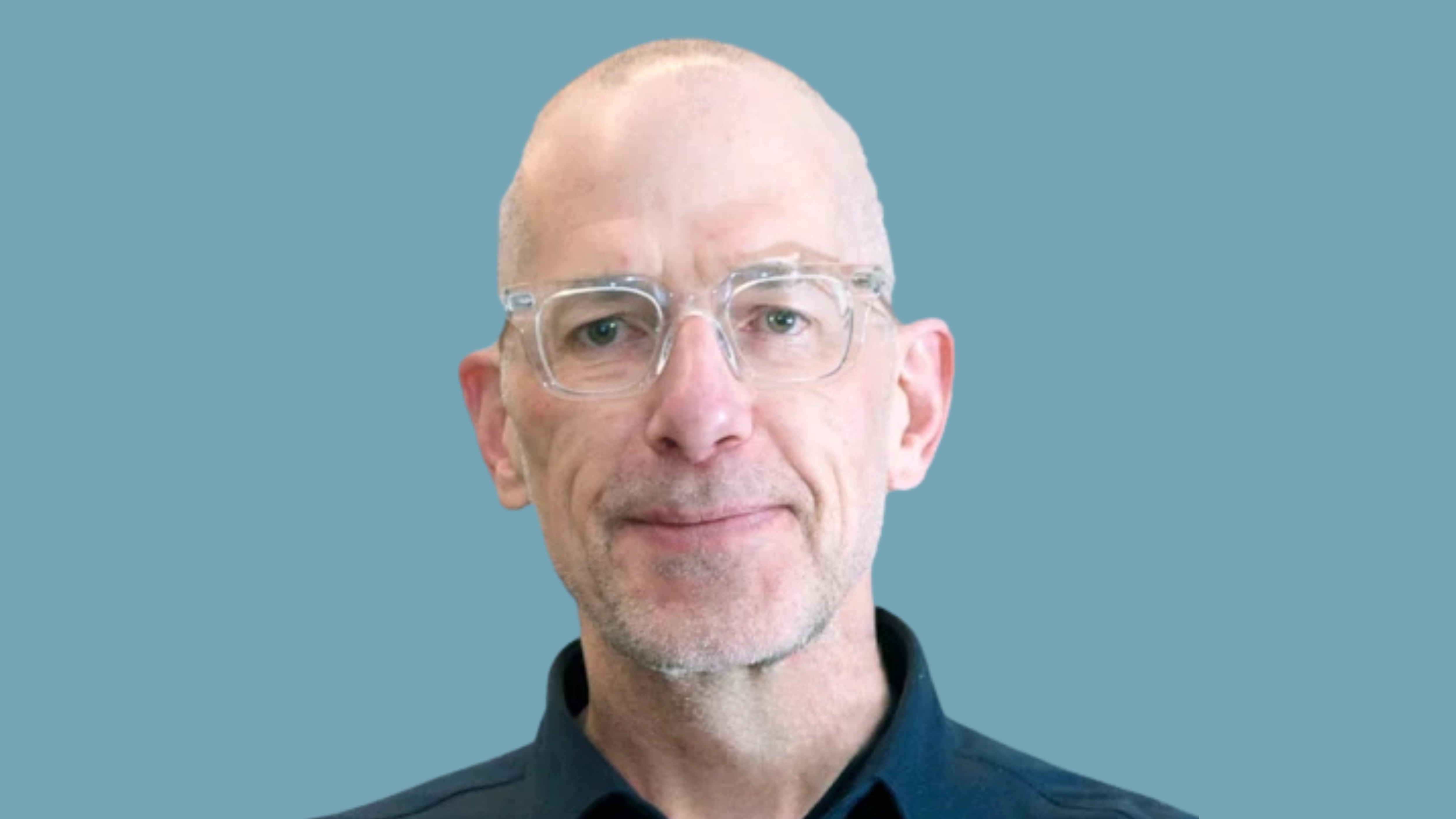
Alan Underhill is a Professor in the Department of Oncology at the University of Alberta. His research focuses on how chromatin dysfunction drives aggressive cancer cell behaviors. His laboratory uses a range of imaging approaches to study chromatin dynamics in normal and cancer cells.
- How did you get into your area of research?
- My interest in cancer was somewhat accidental. I had a graduate student who started a side project on chromatin biology and epigenetics through a collaboration with Dr. Michael Hendzel’s lab. Over the years, this has become the main focus of my laboratory. While our initial interest was in developmental biology, the processes we were studying turned out to be widely disrupted in cancer. We now work closely with Dr. Ing Swie Goping’s group to address how these processes contribute to breast cancer progression.
- Please explain your research.
- The easiest way to describe my laboratory's research would be that we look at how things move. This includes looking at how single molecules move within a cell or how a cancer cell moves from point A to point B. This allows us to understand how cancer cells adapt to their environment during the growth of a tumor or when they spread to distal sites during metastasis. This adaptive process involves changes to how rigid cancer cells are, which is important when they move through spaces that impose a range of physical constraints. More recently, this has led us to investigate the role dietary sugars like fructose could play in cancer cell invasiveness.
- What impact is your research making?
- Up until now, our research was very much focused on understanding basic aspects of cancer cell behavior. The hope was that this may identify new avenues for treatment, but it has actually revealed opportunities for prevention. Many of the genetic and epigenetic processes we study are heavily influenced by the environment around us, which includes things like sun exposure and diet.
- Which elements of your work do you find the most rewarding?
- I find the problem-solving component and discoveries that arise from this to be rewarding. It has given me the humility required to recognize the biological complexity of cancer and the challenges of treatment and survivorship. This has been really critical to how we approach our work.
- What research challenges do you face?
- The largest challenge faced by researchers is trying to maintain adequate funding to carry out their work. The model systems and technology platforms we use to conduct research are expensive, as are costs for personnel. Nevertheless, the funding we receive is almost exclusively through a highly competitive process where we write grant proposals to various agencies describing the research we would like to do. This can be a very time-consuming (and stressful) process.
- What are you looking for in potential collaborators?
- I'm looking for expertise, techniques, tools, datasets, patient samples. Also, having a shared philosophy about how to approach research and showing respect for the people we work with.
- What's one thing people may be surprised to learn about you?
- I can’t have unread emails in my inbox.
- How has CRINA helped support your work?
- CRINA has created a sense of community by bringing together cancer researchers and trainees from diverse disciplines across campus. This has given us new ideas and insights that help shape our research questions. CRINA has also created a focal point for fundraising that has provided significant support for operating grants and studentships.