Anna Santos Salas
Enhancing access to cancer care for underserved communities
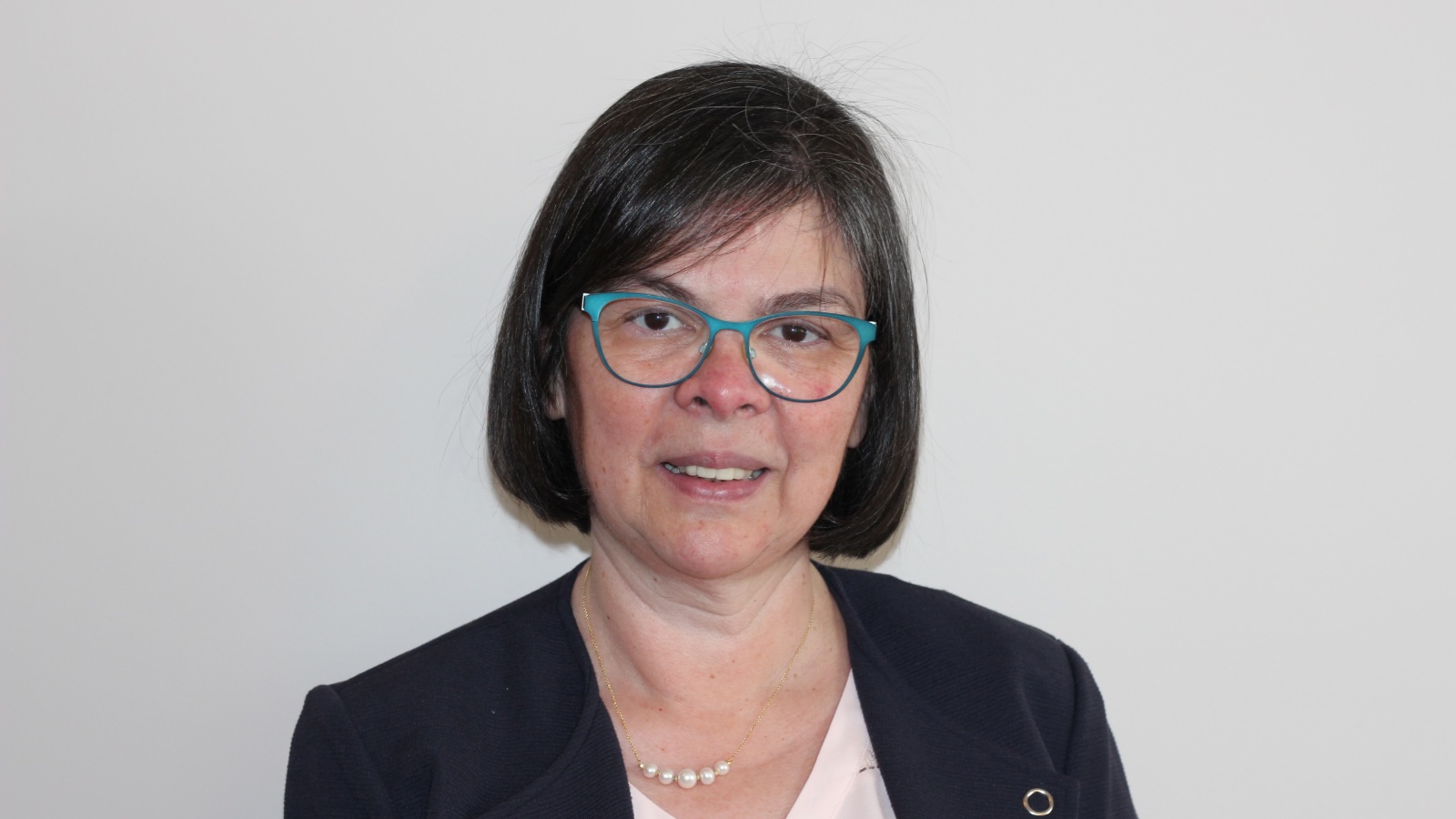
Anna Santos Salas is a Professor in the Faculty of Nursing at the University of Alberta. She leads a research program focused on advancing health equity for people with cancer from underserved communities.
- How did you get into your area of research?
- I have been conducting research in the area of cancer care since my Master’s degree in Chile where I worked with women with breast cancer. Through my PhD and postdoctoral research work at the University of Alberta, I began to focus on health equity which is now a strong theme of my work.
- My interest in underserved communities was sparked early in my professional and research career while working in an institution that served people living in poverty. Also, because of my background in palliative care, my research was focused on people with advanced cancer - an underserved community – and has now expanded to all people with cancer.
- I have conducted research with diverse communities experiencing social disparities including unhoused populations, Indigenous peoples, people with socioeconomic inequality, and racialized communities. Building on evidence my group has generated and related studies, we have consistently identified gaps in access to both cancer care and palliative care that systematically affect these communities. Thus, my work is strongly focused on improving access to care for members of these communities affected by cancer.
- Please explain your research.
- My research is about understanding people’s experiences of access to care when living with cancer. I want to learn about things that work well and things that need improvement. This knowledge helps my group envision ways of supporting people. We can then implement these ideas and see how they work in real life.
- I work closely with patient partners in the planning and undertaking of my projects. They are members of the same underserved communities taking part in my studies. They can be patients, family members, survivors, or community advocates. Their involvement is vital to generate knowledge that is relevant to them.
- What impact is your research making?
- We are generating evidence on how cancer and social inequalities affect the health and wellness of members of racialized and underserved communities, how these communities experience access to care throughout the continuum, and what they recommend to help adapt or create care models that honor their identities and values. Importantly, we are also increasing access to health research by creating opportunities for co-leadership and collaboration with members of underserved and racialized communities.
- In the future, I hope my research will translate into effective improvements for people affected by diverse inequalities in Alberta’s cancer care system and beyond.
- I also hope it increases understanding of how poverty, race, gender, distance to cancer centres, and related determinants are risk factors that may result in less desirable care outcomes, and informs health care practices when triaging patients and designing innovative programs to improve access to cancer care. I would like to see that people affected by inequalities are given priority and access to needed resources so that they can achieve optimal cancer care outcomes.
- Which elements of your work do you find the most rewarding?
- Making a difference in the lives of people with cancer has been very rewarding, as has engaging patient partners. They are generous advocates who bring their lived experiences, knowledge, expertise and skills to my research team. They don’t hesitate to collaborate with project tasks and provide strong cultural guidance. They have invigorated my research program and are a powerful part of my team.
- I also love talking about my research with members of the public.
- What research challenges do you face?
- Securing funding has been a challenge in the past, though granting agencies have become more interested in funding health equity research in cancer care, as well as community-based research.
- Recruitment of participants is another challenge. There are many factors affecting participation. There can be a lack of trust in research due to a past history of abuses of underserved communities. The word cancer may deter people from wanting to take part in studies. Also, limited capacity to take part in studies is another factor. People can be very sick or not have the time or energy to participate. Caregivers can also be very busy. Ensuring we provide fair compensation to participants for their contributions is an important consideration.
- What are you looking for in potential collaborators?
- I am looking for interdisciplinary health equity expertise (social sciences and humanities, oncologists and palliative care providers, oncology nurses and nurse practitioners, allied health professionals), people with lived experience of cancer, members of diverse communities, community-based organizations serving these communities and people with expertise in non-traditional knowledge dissemination modalities.
- What is your main piece of advice for graduate students?
- Be determined and perseverant while keeping a deep enthusiasm about your research. Work closely with your supervisor, stay open minded and engage diverse perspectives in your work.
- What's one thing people may be surprised to learn about you?
- I love fly fishing. I started many years ago and have since explored many lakes and rivers in Alberta.
- How has CRINA helped support your work?
- Being a CRINA member is very important. Through CRINA, I feel a part of the cancer research community and keep informed about cancer research developments. CRINA also supports my research trainees through travel funding and opportunities to showcase their research at Research Day.