Frank Wuest
Transforming cancer detection and treatment
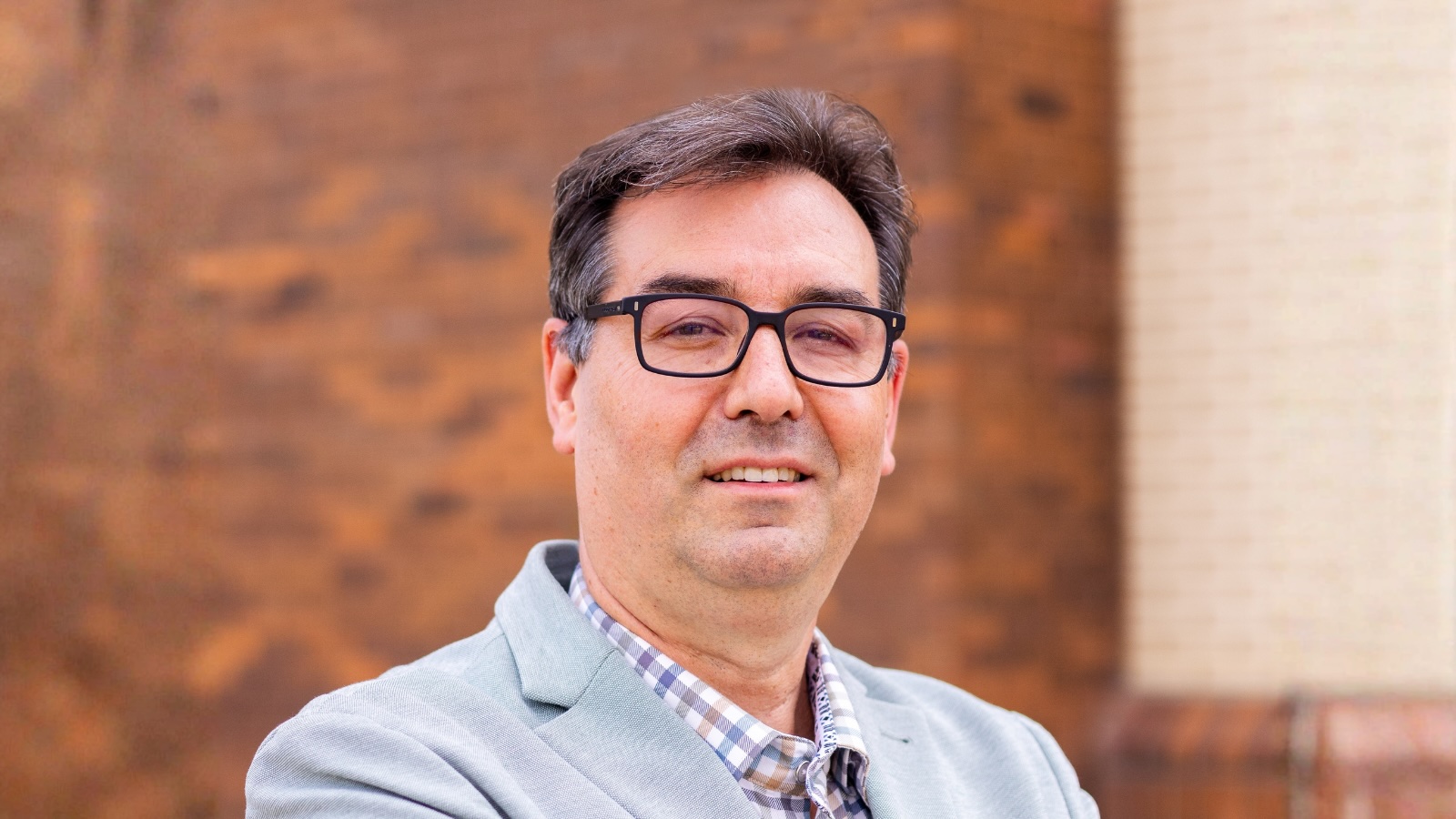
Frank Wuest is the Dianne and Irving Kipnes Chair in Radiopharmaceutical Sciences and Professor & Chair of the Department of Oncology at the University of Alberta. His research interests lie in the multidisciplinary field of translational cancer research, with a particular emphasis on imaging biomarkers and radiotheranostics. Frank’s work focuses on the design, evaluation, and clinical translation of innovative radiopharmaceuticals aimed at improving cancer diagnosis and therapy.
- Please explain your research.
- My research focuses on using medical isotopes and advanced imaging technologies to better understand and treat cancer. My lab’s goal is to “see” what is happening inside the body and even inside individual cancer cells in real time. By tracking how cancer cells grow, use energy, and respond to treatment, we can detect cancer earlier and more accurately. Our work also includes developing innovative ways to use medical isotopes for personalized cancer treatment, delivering therapies that can specifically target cancer cells while minimizing damage to healthy tissue. Ultimately, our research aims to improve how cancer is diagnosed, monitored, and treated, helping doctors provide more personalized and effective care for patients.
- What impact is your research making, or do you hope it will make in the future?
- Impact is always a central goal of our research. Our work is helping transform how cancer is detected and treated through the innovative use of medical isotopes and radiopharmaceuticals. These technologies allow us to visualize cancer with exceptional precision and, increasingly, to treat it in a highly targeted and personalized way.
- Which elements of your work do you find the most rewarding?
- One of the most rewarding aspects of my work is mentoring and training students. Beyond helping them complete their projects or earn their degrees, it is incredibly fulfilling to see them build successful careers in academia, industry, and healthcare. I am proud to have had the opportunity to introduce many young scientists to the field of radiopharmaceutical sciences, support their professional development, and watch them grow into independent experts and leaders in their own right.
- It is also highly rewarding to see technologies and methods developed by our team being adopted and used by research groups and clinical centers around the world.
- Another particularly meaningful achievement has been being part of the multidisciplinary team that introduced PSMA-PET imaging into clinical practice as an innovative and cutting-edge tool for the improved diagnosis and management of prostate cancer.
- What research challenges are you facing?
- Sustaining a successful research program depends heavily on securing sufficient funding, which has become increasingly competitive in recent years. Stable funding is essential not only to advance innovative research, but also to recruit and support talented graduate students, postdoctoral fellows, and young investigators who will become the next generation of experts in the field.
- Where do you see your area of research going in the future?
- Radiotheranostics represents the future direction of our research program, particularly the development of targeted alpha therapies. This innovative approach combines precise cancer imaging with personalized treatment, allowing us to identify cancer cells and then selectively destroy them using specialized medical isotopes.
- Alpha-emitting isotopes are especially promising because they deliver highly potent radiation over a very short distance, enabling effective destruction of cancer cells while minimizing damage to healthy tissue. This makes them particularly valuable for treating aggressive or metastatic cancers.
- More broadly, radiotheranostics is transforming cancer care by linking diagnosis and therapy in a precision medicine approach tailored to each patient. Our goal is to advance these next-generation radiopharmaceutical therapies and accelerate their translation into clinical practice to improve outcomes and quality of life for cancer patients.
- What are you looking for in potential collaborators?
- One unique strength of our program is access to specialized medical isotopes and radiopharmaceutical expertise, which can support a wide range of collaborative research projects across disciplines. I’m always eager to explore new partnerships and push the boundaries of how these technologies can improve cancer diagnosis and treatment.
- If you hadn't become a researcher what would you be?
- I have many interests outside of science, but I still find this question difficult to answer. I feel very fortunate to be where I am today and recognize what a privilege it is to work in a field that I am passionate about. It is hard to imagine taking a completely different path.
- That said, during my school years I had strong interests in literature, music, and acting. I participated in plays and theatre productions and have always enjoyed music, particularly playing the guitar.
- What's one thing people may be surprised to learn about you?
- I currently serve as Chair of the Department of Oncology, but what may surprise people is that I still genuinely enjoy spending time in the lab. The laboratory remains my “happy place,” and whenever possible, I still like to be involved in hands-on experimental work and basic lab activities.
- How has CRINA helped support your work?
- CRINA has been an outstanding organization for fostering collaboration, networking, and interdisciplinary connections among cancer researchers. It has provided tremendous value not only to my own program, but also to many researchers across the University of Alberta. Through CRINA, we have been able to connect with experts in specialized techniques and complementary areas of research, leading to important collaborations that have significantly strengthened our work.
- CRINA also plays a critical role in supporting trainees and early-career researchers through graduate studentships, research funding opportunities, workshops, mentorship, and events such as CRINA Research Day. This type of support is essential for training the next generation of cancer researchers and innovators.