Ing Swie Goping
Understanding the biology of breast cancer
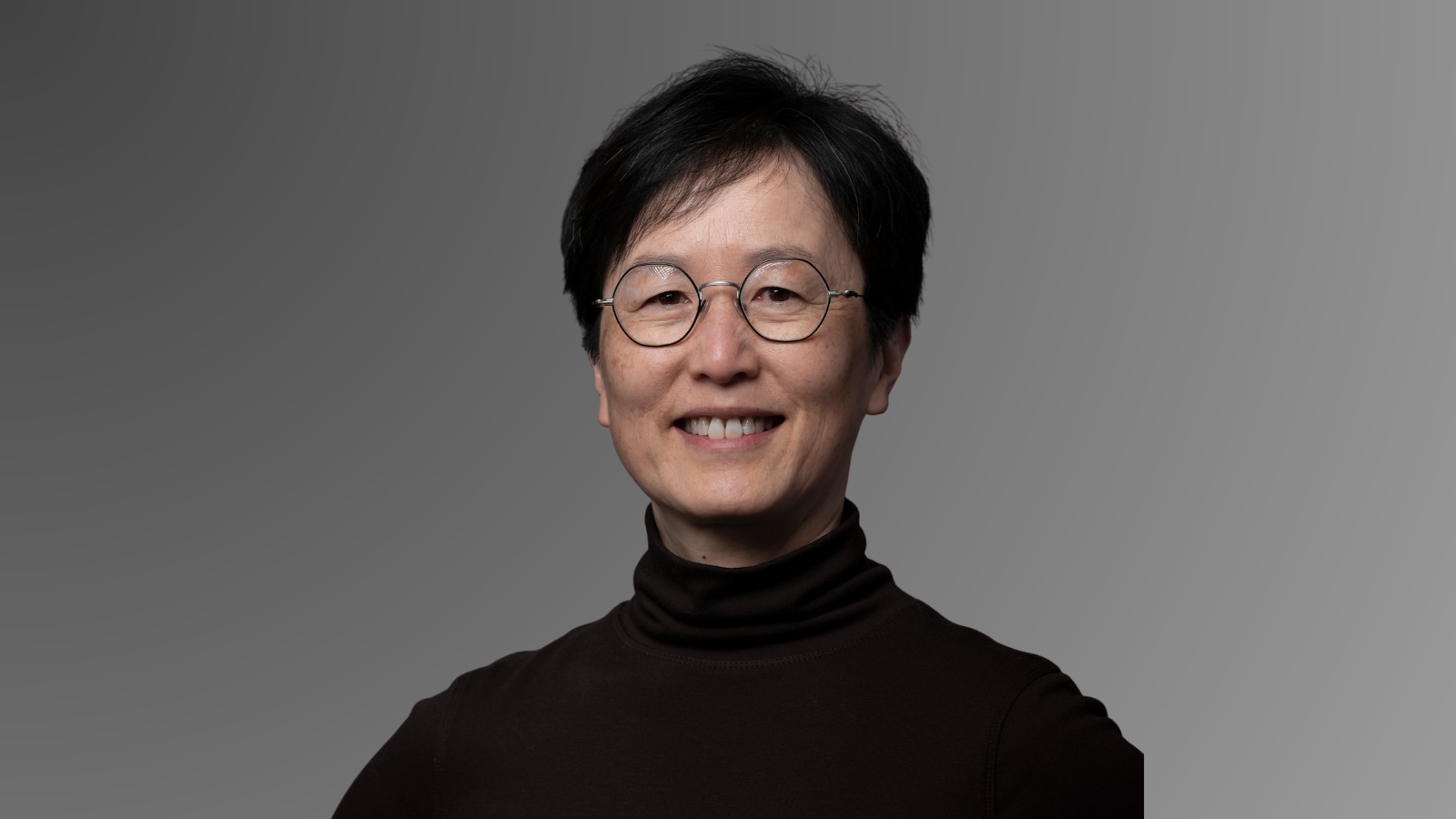
Ing Swie Goping is a Professor in the Department of Biochemistry and the Lilian McCullough Chair in Breast Cancer Research. Her laboratory uses Patient-Derived-Organoids (3D living tumor "avatars") to better understand breast cancer behavior and predict how individual patients will respond to therapies.
- How did you get into your area of research?
- I started studying breast cancer because I think there’s so much opportunity to understand basic biology using the mammary gland as a model. We know how the mammary gland changes, its cell fates during development. It’s very well programmed, and the cells are quite amazing, being able to adapt to big changes like pregnancy and lactation. The cells have molecular switches to turn different programs on and off. Something goes wrong during the transformation process in cancer and understanding the basic machinery is important to try to correct the errors.
- Please explain your research.
- I am working to understand the basic biology behind breast cells, and the changes they undergo–both good and bad. By understanding the fundamental biology, we can learn what goes wrong in cancer, and maybe have enough knowledge to correct aberrant cell behaviour.
- My research group takes patient samples donated by incredible research participants and uses them to create small lab-grown clusters of breast cancer cells, called organoids, that act like mini versions of the patients' tumours. We look at the molecular changes by analyzing the DNA and RNA and try to determine which changes are causing aberrant cell behaviour.
- What impact is your research making, or do you hope it will make in the future?
- While this work is still very research focused, it can be translated into clinical impact for patients. I hope in the near future, we can use information like this to inform treatment plans and personalized medicine.
- Which elements of your work do you find the most rewarding?
- The most rewarding element of my work is talking with people in the lab about their projects, whether they are going well or poorly. Seeing students and trainees grow and become independent is incredibly rewarding. Seeing senior research associates mentoring the newer generation is amazing.
- What research challenges are you facing?
- There is so much information and quick sound bites that sometimes it is hard to foster interest in time-consuming processes like research. I like to teach patience to my trainees and foster the value of understanding something deeply. That may look like not reaching for an answer right away. I try to encourage more of a respect for the data, even if the results are showing us something we weren’t expecting. That’s a hard process to embrace, especially as “fast” is how we must all be working.
- It is important to get across the message that research cannot be a flash in the pan. It takes a huge foundation, and a lot of time to build. It has to be slow, otherwise the foundation will be shaky.
- What are you looking for in potential collaborators?
- I’m looking for anyone who wants to apply their expertise to our research participants’ tumor molecular information and/or the functional organoids. I’m also looking for clinicians who have fundamental questions they would like to explore with our research biobank and/or have patients that would like to participate in our ongoing personalized medicine projects.
- What's one thing people may be surprised to learn about you?
- I don’t enjoy being in the spotlight. If we have some scientific success, it’s because of teamwork. That’s where I prefer the emphasis to be.
- How has CRINA helped support your work?
- I think CRINA is amazing. It’s a place of community in many different ways. There are a lot of programs to help trainees and PIs in their research journeys. For example, support for trainees in the form of funds and professional development opportunities, and support for PIs in the form of grant ideation initiatives, seminars etc. Everyone gets out of it what they put into it. There’s no expectation, but rather ownership of how you want to give and contribute.