Ismail Ismail
Fascination with DNA leads to career in cancer research
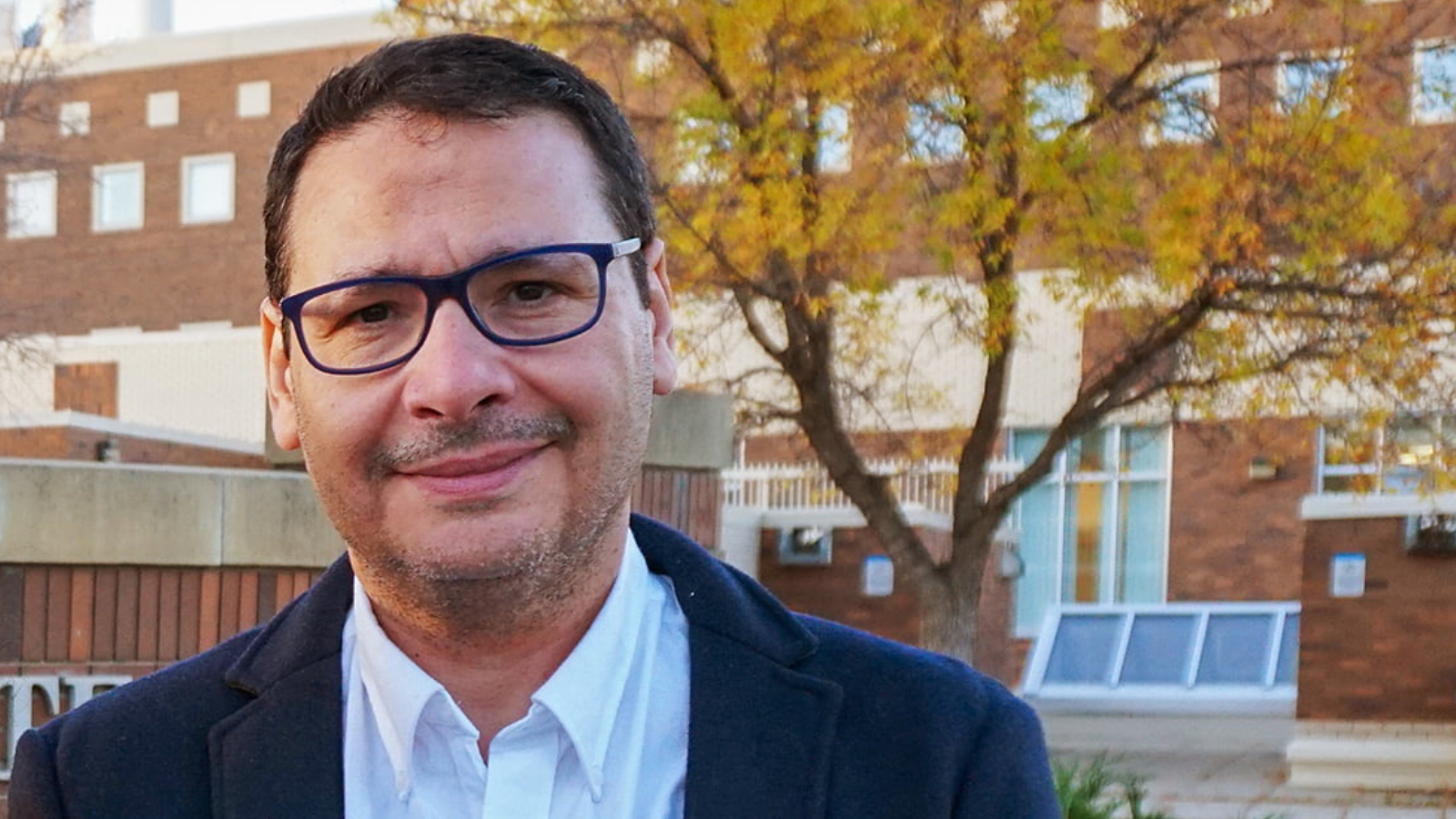
Ismail Ismail is an Associate Professor in the Department of Oncology at the University of Alberta. His research focuses on understanding the mechanisms of DNA repair and replication, particularly in the context of replication stress and its connection to human diseases, including cancer and developmental disorders.
- How did you get into your area of research?
- After I finished my BSc, I was fascinated by DNA molecules. I started to look for an opportunity to do my Masters or PhD abroad. I received a scholarship from a Swedish research institute, and after contacting several labs, was accepted into one that worked in DNA repair.
- Please explain your research.
- The most common treatment for cancer, chemotherapy, kills cancer cells by inducing DNA damage. Mechanisms of tumour resistance involve repair of this DNA damage. If we want to improve outcomes, we need to better understand mechanisms of resistance to damage and the response to chemotherapy.
- What we are trying to understand is how cells respond to chemotherapy treatments, with a long-term goal of trying to identify cancer-specific vulnerabilities that can be used to target cancer cells.
- What impact is your research making?
- We are trying to improve cancer patient treatment by improving current chemotherapeutics or identifying molecular inhibitors that can impair cancer cell DNA repair. By understanding how cells respond to DNA damage, we hope to identify a biomarker that could lead to the development of personalized medicine, where patients are given a specific medication that will most benefit them.
- Which elements of your work do you find the most rewarding?
- Training the next generation of scientists is the most rewarding. I find enjoyment in seeing how they grow as researchers and continue their careers.
- If you hadn't become a researcher, what might you be doing?
- If I wasn’t a researcher, I would have been a physician, and a clinician-scientist so that I could still do research.
- What's one thing people may be surprised to learn about you?
- Despite having been here for a while, I am still struggling to adapt to Edmonton’s cold weather!
- How has CRINA helped support your work?
- CRINA support has been instrumental to my research program and lab. My lab has received CRINA bridge funding and my graduate students have also been supported by CRINA studentships.
- In addition to funding, CRINA provides great networking and learning opportunities, such as the CRINA Connects seminar series. This allows myself and my students to learn more about the research happening locally, nationally, and internationally. CRINA Research Day helps foster a sense of community among cancer research at the University of Alberta, allowing us to exchange ideas and collaborate.