Liana Nobre
Transforming pediatric brain cancer detection
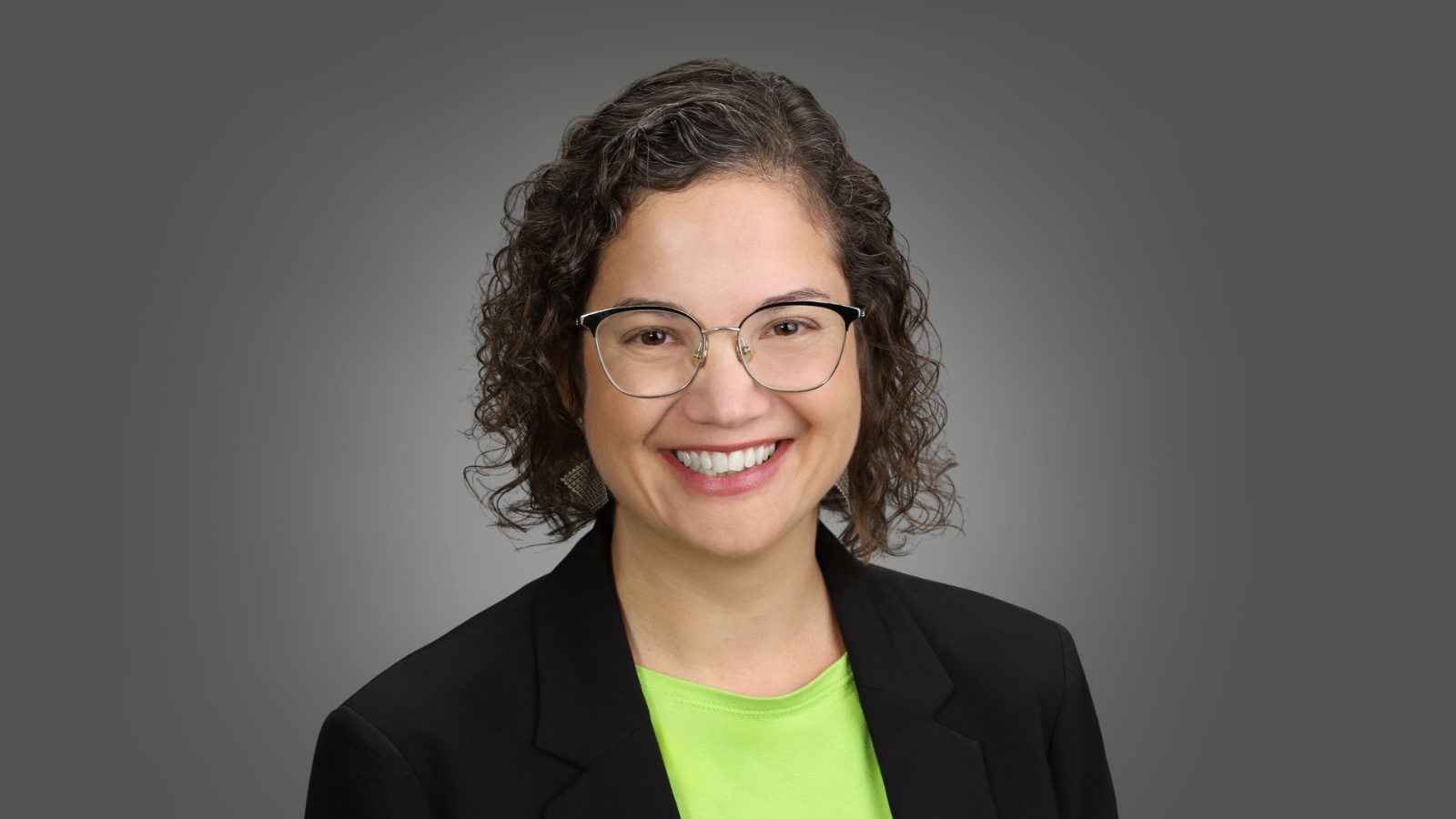
Liana Nobre is a Pediatric Neuro Oncologist at the Stollery Children’s Hospital and an Assistant Professor in the Department of Pediatrics at the University of Alberta. She is developing liquid biopsy assays to improve the diagnosis and monitoring of children with brain cancer.
- How did you get into your area of research?
- My interest in neuro-oncology started when I was doing my oncology fellowship and is very much due to my previous mentors. I had two neuro-oncologists that worked with me through the fellowship. They were very passionate about neuro-oncology and patient care, and I think that really had a big influence on what direction I wanted to take, not just my clinical path, but on the research side as well.
- Please explain your research.
- My lab looks at biomarkers to better characterize brain cancers and to be able to improve diagnosis and therapy for pediatric patients with brain tumors.
- Specifically, we're focused on liquid biopsies. Liquid biopsies are a method of looking for molecular markers, genetic mutations and alterations that are present in the tumor using samples that can be easily accessed - blood, urine, cerebrospinal fluid. These fluids are rich in tumor signals. We’re researching this area to be able to diagnose patients more easily, potentially without the need for a biopsy or surgical procedure.
- We can also use liquid biopsies to track response to treatment. If we find a tumor mutation or a tumor signal, we can see that signal decrease during therapy, and we can use it to detect if the tumor is coming back earlier before the tumor shows up on imaging.
- What impact is your research making?
- I think that the biggest impact that liquid biopsies are already starting to have, and will increasingly be used for, is changing the way we diagnose, monitor and treat patients.
- Today, if we don't see any remaining tumor on an MRI or CT scan at the end of treatment, we stop the treatment. With sensitive assays that can detect if there's still a signal, even though it is really, really small, we can change therapy in real time, and potentially improve patient survival.
- Where do you see your area of research going in the future?
- Very soon, we're going to start using these assays in real time, and that's going to bring a huge change to how we manage patients with cancer.
- What research challenges do you face?
- One of the challenges in translational research is funding. When transitioning lab findings into clinical practice, there is often a funding gap because the work is no longer seen as novel or exciting. However, it's important to be able to determine when to use these platforms and how to use them better.
- Which elements of your work do you find the most rewarding?
- Applying what we're finding in the lab and bringing it back to the clinic. Having these novel approaches that impact patient care in real time is really rewarding. The other thing that's really important to me is collaborating with other researchers and with students.
- What are you looking for in potential collaborators?
- Since we have a lot of data that we're generating, I’d like to collaborate with bioinformaticians or people that have novel ways to look at it to get more information out of the sequencing data. Also, anyone that would like to develop liquid biopsy assays, either in the pediatric space or elsewhere, I'm happy to collaborate with.
- What is your main piece of advice for graduate students?
- Focus on an area that you're passionate about and choose a question or a topic that you're interested in. Always be curious and ask questions but at the same time, try to be focused and answer one question at a time.
- If you hadn't become a researcher, what might you be doing?
- I'd own a hotel in a beach town close to Rio de Janeiro called Buzios. I love that town! That’s the dream option, a more realistic one would be a geneticist, which was the other area that I was interested in when I was doing my studies.
- What's one thing people may be surprised to learn about you?
- I love to dance – especially Samba!
- How has CRINA helped support your work?
- CRINA creates a space where we can meet other researchers, share our work and foster new collaborations. As a young investigator, I can get input into my work and help on how to move forward in my career. There are also a lot of funding opportunities, not just for PIs but for students, which is essential to get projects started.