Reza Mirzaei
Harnessing the immune system to combat glioblastoma: An innovative approach
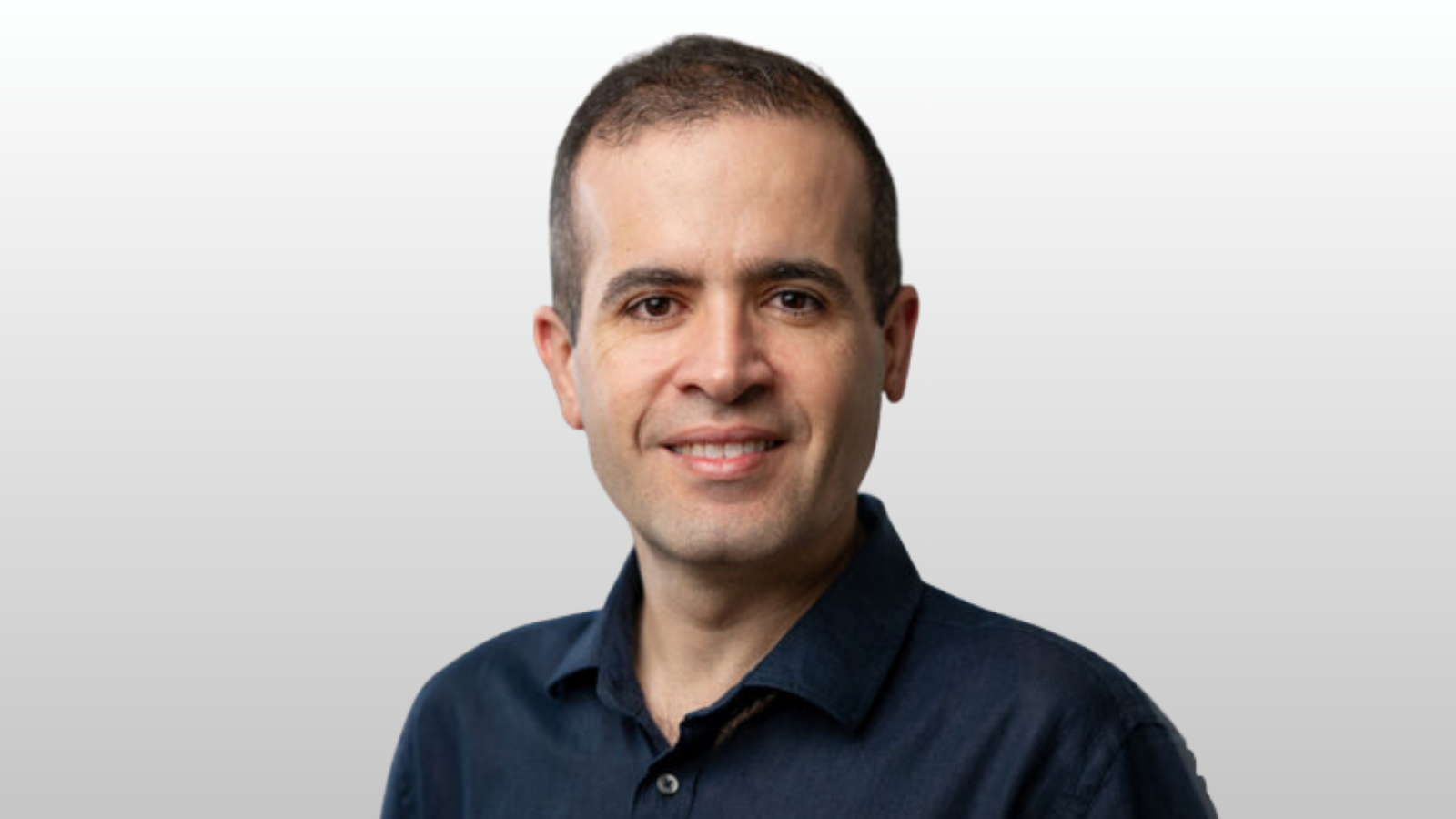
Reza Mirzaei is an Assistant Professor in the Department of Oncology and Medical Microbiology & Immunology (MMI) at the University of Alberta. He investigates the complex mechanisms driving tumor progression and resistance to immunotherapy, with a primary focus on the tumor microenvironment in aggressive cancers like glioblastoma.
- How did you get into your area of research?
- I have always been fascinated by immunology, particularly by the remarkable ability of immune cells to specifically recognize and eliminate cancer cells. This is a really unique feature that we can harness in cancer patients.
- Ideally, we want cancer treatments that specifically recognize and kill cancer cells while minimizing effects on healthy cells. However, this is not the case with current frontline treatments, such as radiotherapy and chemotherapy, which also damage normal cells.
- Please explain your research.
- Glioblastoma is a primary brain tumor, meaning it originates in the brain rather than spreading from elsewhere in the body. It is the most aggressive and lethal form of brain cancer and remains highly resistant to existing therapies.
- My lab aims to harness the body’s immune system to fight glioblastoma. To achieve this, we are taking a novel approach that focuses on understanding the tumor microenvironment—the complex ecosystem of cancer cells and surrounding immune cells that enables tumor growth and therapy resistance.
- Using cutting-edge single-cell and spatial technologies, we study how diverse cell populations interact within glioblastoma and how this heterogeneity shapes immune evasion. By uncovering these interactions, we aim to develop next-generation immunotherapies that are tailored to the unique cellular and spatial landscape of each tumor, ultimately improving outcomes for patients.
- What impact is your research making, or do you hope it will make in the future?
- I hope that my research will lead to more precise and effective immunotherapies for aggressive cancers such as glioblastoma. By identifying novel therapeutic targets and developing strategies to reprogram the tumor microenvironment, I aim to overcome treatment resistance and improve both survival and quality of life for patients. Importantly, my work focuses on developing next-generation therapies informed by the single-cell and spatial heterogeneity of the glioblastoma tumor microenvironment.
- Which elements of your work do you find the most rewarding?
- Working in an area as complex and challenging as the brain is demanding, but it is also incredibly rewarding. Uncovering the intricate dynamics of the brain tumor microenvironment and using this knowledge to improve or develop new treatments for cancer patients is deeply fulfilling. Mentoring trainees is another aspect I find especially rewarding. They represent the next generation of scientists, and supporting their growth and curiosity is a privilege.
- Additionally, collaborating with and learning from other researchers is something I enjoy. Cancer is exceptionally complex, and overcoming its challenges requires collective effort, making these collaborations both essential and inspiring.
- If you hadn't become a researcher what would you be?
- I couldn’t imagine doing anything else. I feel truly happy and fulfilled tackling difficult scientific questions and exploring complex biological environments like the brain. I deeply enjoy working with trainees, collaborating across different disciplines, and learning something new every single day. This constant challenge and discovery makes research rewarding for me.
- What's one thing people may be surprised to learn about you?
- I make time to play a variety of group sports every other day. This keeps me physically active, energizes me, helps me manage my stress, and facilitates teamwork (which I value in sports, just as in research).
- How has CRINA helped support your work?
- CRINA has been instrumental in fostering collaboration with other researchers. The valuable connections CRINA provides to other researchers and clinicians has helped me (and other CRINA members) close the gap between biomedical and clinical research.
- As well, CRINA has provided financial support for my research program and funding opportunities for my trainees, along with a range of additional resources. These include seminar series, mentorship and grant review support, networking opportunities, and platforms such as research days and educational activities that foster collaboration and trainee development.