YangXin Fu
Targeting RNA modifications in ovarian cancer
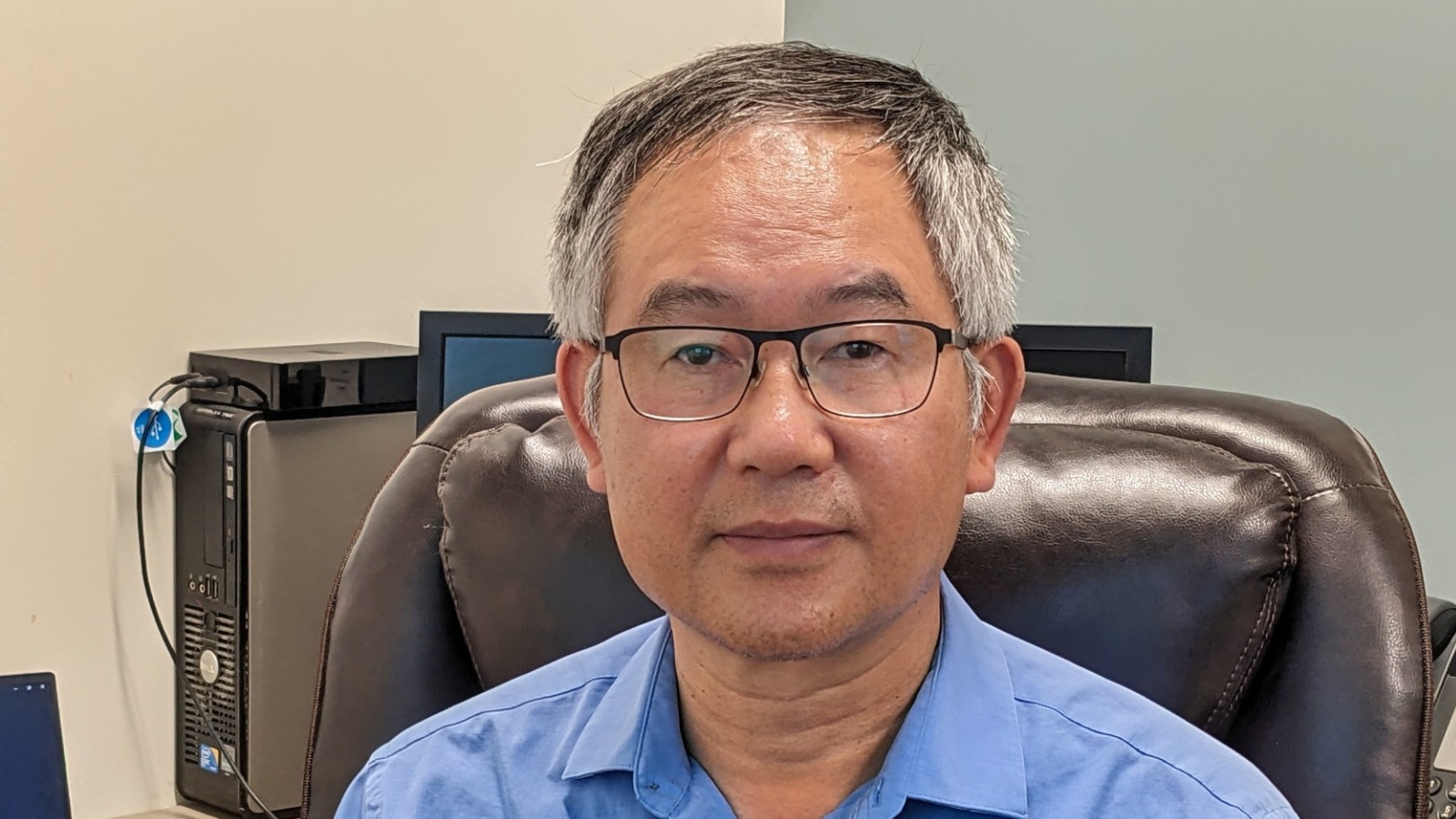
YangXin Fu is an Associate Professor in the Department of Oncology at the University of Alberta. His laboratory investigates signaling pathways and gene regulation in ovarian cancer, with a current focus on elucidating the role of RNA modifications (epitranscriptomics) in the disease.
- How did you get into your area of research?
- During my graduate studies, I developed a strong interest in cancer signaling pathways. I was fascinated by how multiple signaling pathways interact to form a complex regulatory network that governs cellular biology, and how disrupting this network can contribute to cancer development and progression. During my first postdoctoral training, I had the opportunity to investigate signaling pathways in ovarian cancer. When I established my own research laboratory, I chose to focus my research program in this area, with an emphasis on signaling pathways, gene expression and regulation, and the molecular mechanisms underlying drug resistance.
- Please explain your research.
- Ovarian cancer is the leading cause of death from gynecologic cancers. Because most ovarian cancers are diagnosed at an advanced stage, current treatment strategies often have limited effectiveness, highlighting the urgent need for new therapeutic approaches. The objective of my research is to elucidate the molecular mechanisms underlying the development and progression of ovarian cancer, with the long-term goal of translating these insights into more effective strategies for the treatment of this devastating disease.
- Currently, my research is looking at how dysregulation of RNA modifications (RNA cytosine methylation and pseudouridylation) contributes to the development and progression of ovarian cancer and how altered RNA modifying proteins can be therapeutically targeted in ovarian cancer.
- Where do you see your area of research going in the future?
- Current treatment regimens for advanced ovarian cancer remain inadequate, underscoring the need for more effective and personalized therapeutic approaches. The clinical success of targeted therapies, including PARP inhibitors, has demonstrated the potential of exploiting specific molecular vulnerabilities in ovarian cancer. However, ovarian cancer is a highly heterogeneous disease comprising distinct histological and molecular subtypes, each with unique genetic and biological characteristics. Therefore, a better understanding of the molecular mechanisms underlying tumorigenesis across different ovarian cancer subtypes and genetic backgrounds is essential for identifying subtype-specific therapeutic vulnerabilities.
- Which elements of your work do you find the most rewarding?
- One of the most rewarding aspects of research is the process of discovery. I find it incredibly satisfying when experimental results provide new insights. Equally rewarding is mentoring and supporting the next generation of scientists. Seeing trainees grow from students who are learning the fundamentals of research into independent scientists is particularly fulfilling.
- What are you looking for in potential collaborators?
- I've been fortunate to collaborate with gynecologic oncologists and pathologists, whose expertise and access to clinical samples have been invaluable to my research. Moving forward, I would like to expand my collaborations to include medicinal chemists and synthetic chemists to develop novel therapeutic strategies, and design and synthesize small-molecule inhibitors.
- What is your main piece of advice for graduate students?
- First, take the time to think carefully about what you would like to do in the future. If you enjoy asking questions, exploring new ideas, and solving problems, and if a career in research is something that excites you, then make the commitment and pursue it wholeheartedly! Second, don’t be discouraged by negative or unexpected results. Research is a process of trial and error, and not every experiment will produce the results we hope for. Although negative data can be disappointing, it can provide valuable information and guide us toward new approaches.
- If you hadn't become a researcher what would you be?
- I might have become a physician. After graduating from medical school in China, I had the opportunity to pursue either a clinical career as a physician or a career in scientific research. I ultimately chose the latter and that decision led me to pursue a career in research.
- What's one thing people may be surprised to learn about you?
- I'm a big fan of NBA basketball. My interest in basketball began in high school, when I started playing the sport. I’ve continued to play ever since and still enjoy recreational basketball about once a week.
- How has CRINA helped support your work?
- The CRINA seminar series and Research Day provide valuable opportunities to connect with colleagues, exchange ideas, and establish new research collaborations. Additionally, CRINA has provided important support for my research program through studentships and CRINA Bridge Funding, which has helped sustain my research activities.