| 9:00 – 9:50 a.m. |
-

Wednesday, Oct. 28 9:00 a.m. – 9:50 a.m.
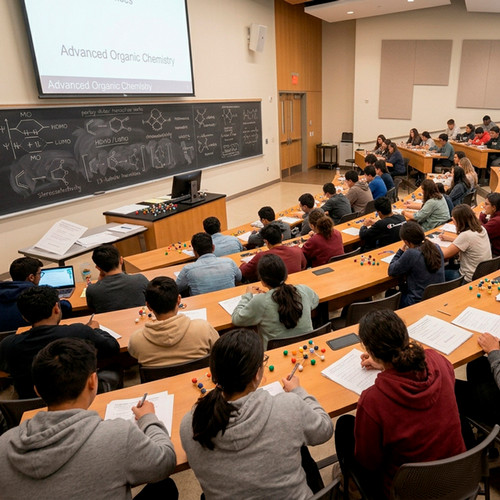
In this upper-level ecology course, students take the lead to synthesize and communicate complex environmental research. Visiting instructors will observe two back-to-back, student-led group presentations that occupy the full 50-minute session. Each group delivers a synthesis of their term paper research, followed by an active, audience-wide Q&A session. This showcase provides a front-row look at how student-led instruction and peer-to-peer questioning can elevate oral communication skills, prompt deep peer learning, and foster higher-order critical thinking.
Key teaching themes: Student-led instruction; Peer-to-peer learning and evaluation; critical thinking & synthesis; Oral communication and public speaking
|
| 9:00 – 10:50 a.m. |
-
Wednesday, Oct. 28 9:00 a.m. – 10:50 a.m.
Melanie Dreyer-Lude’s DRAMA 247 course demonstrates how theatre-based methods can be applied to public speaking instruction. Observers will see students practice physical awareness, vocal delivery, and presence in a collaborative setting. This course highlights strategies for scaffolding public speaking tasks, applying structured peer review tools like the Plus/Delta framework, and helping students build practical communication skills for varied professional contexts.
Key teaching themes: Structured peer evaluation; Scaffolded skill building; Inclusive and supportive pedagogy; professional skill development
|
| 9:30 – 10:50 a.m. |
-
Wednesday, Oct. 28 9:30 a.m. – 10:50 a.m.
Ready to see how a flipped classroom transforms complex subject matter into an engaging, practical learning experience? Step into Jeff Herzog’s Corporate Taxation class! Before diving into course material, Jeff kicks off sessions by connecting with students through humour, tax memes, or weekend stories. Students complete out-of-class video overviews and readings ahead of time, leaving class time for students to apply tax concepts directly to practical case studies and real-world scenarios. Visiting instructors will take away effective strategies for structuring flipped learning, leveraging case-based learning, and building rapport.
Key teaching themes: Flipped learning; Hybrid/blended learning; Rapport and community building; Case-based learning; Professional skill development
-
-
Wednesday, Oct. 28 9:30 a.m. – 10:50 a.m.
MUSIC 186 offers a collaborative learning environment where students explore critical perspectives on music across diverse cultures, traditions, and daily practices. Co-taught by two professors with complementary specializations, MUSIC 186 pairs short lectures with active listening, open dialogue, and small-group discussions. Visiting observers will see how instructors leverage students' own musical experiences alongside targeted readings to prompt real-time critical reflection. This class offers actionable takeaways for facilitating inclusive, multi-instructor discussions, integrating quick in-class writing prompts, and structuring collaborative activities that encourage critical thinking in introductory courses.
Key teaching themes: Co-Teaching & Multi-Perspective Instruction; Active Listening & Critical Reflection; Student-Centered Collaborative Discussion; Inclusive & Exploratory Pedagogy
|
| 10:00 – 10:50 a.m. |
-
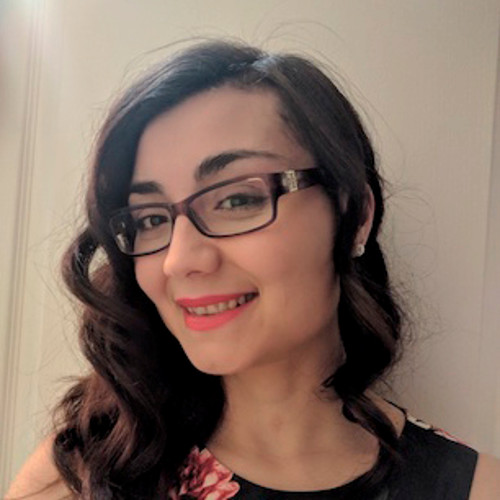
Wednesday, Oct. 28 10:00 a.m. – 10:50 a.m.
Instructors stepping into Melis Gedik’s lecture will see how foundational science comes alive through intentional structure and clear visual models. The class demonstrates effective techniques for breaking down complex concepts, such as quantum numbers and molecular geometry, into manageable steps that build student confidence. By connecting abstract principles to real-world applications and integrating 3D visual supports, Melis fosters an environment focused on critical thinking. Participants will gain practical insights into managing high-enrollment introductory courses, supporting foundational skill development, and creating an inclusive, active learning community.
Key teaching themes: Scaffolded problem-solving; Real-world application; Leveraging educational technology; Introductory course delivery; Large-enrollment course
-
-
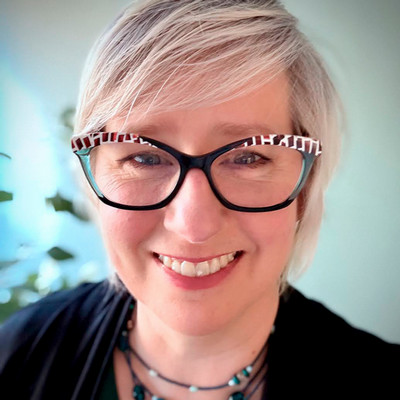
Wednesday, Oct. 28 10:00 a.m. – 10:50 a.m.
Discover a dynamic, student-centered writing lab designed to demystify academic audience expectations and argumentation. In this interactive session, Nancy Bray guides first-year writers through collaborative exercises and peer analysis to unpack what academic audiences truly value. Visiting instructors will observe active group work in action, seeing how scaffolded activities and low-stakes writing tasks encourage students to test ideas, analyze rhetorical strategies, and build confidence. You will walk away with practical techniques for organizing peer feedback, fostering collaborative critical thinking, and cultivating an inclusive, supportive environment.
Key teaching themes: Collaborative and peer-to-peer learning; Writing instruction; Transparent and inclusive pedagogy; Group work
|
| 10:30 – 11:20 a.m. |
-
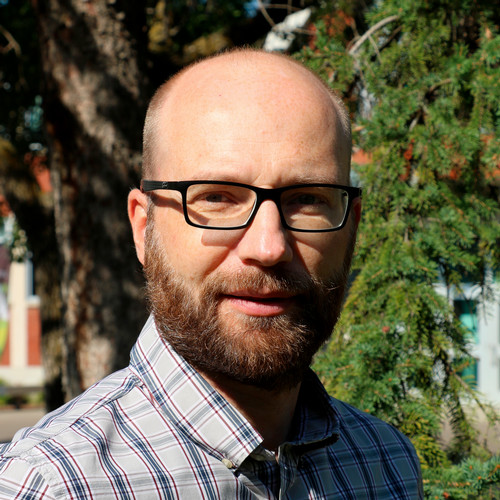
Wednesday, Oct. 28 10:30 a.m. – 11:20 a.m.
Experience an active, hands-on approach to complex biological sciences! In this inverted anatomy course, students complete online foundational learning independently before coming to class. In-person sessions shift away from traditional lectures, transforming the classroom into an interactive, multisensory workspace. Observers will see small student groups actively collaborating over anatomical models and mannequins to complete guided worksheets. Visiting instructors can observe how kinesthetic, tactile activities integrate structural concepts, foster peer teamwork, and prepare students for clinical practice.
Please note: This course is delivered in French at Campus St. Jean.
Key teaching themes: Inverted / flipped classroom; Kinesthetic and multisensory learning; Active and collaborative learning; Clinical knowledge integration
|
| 11:00 – 11:50 a.m. |
-
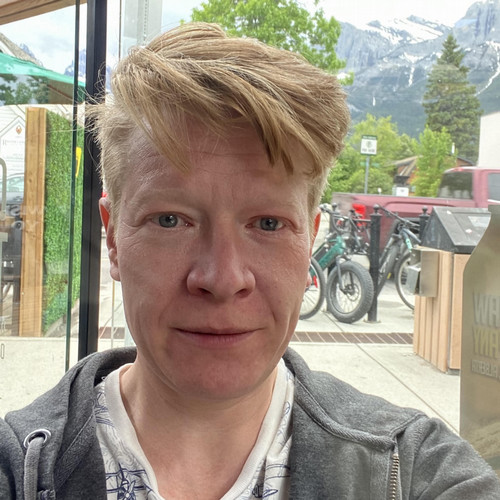
Wednesday, Oct. 28 11:00 a.m. – 11:50 a.m.
Real-world application takes center stage in Sasha Wilson’s mineralogy course. By pairing accessible lecture design with physical crystal models, real mineral specimens, and modern industry software like CrystalMaker, Sasha bridges abstract chemical structures and tangible planetary processes. Observers will see how structured slide design and intentional questioning keep students actively participating throughout the lecture. Visiting instructors can expect a dynamic environment where complex scientific concepts are made approachable through clear visual scaffolding, open inquiry, and practical connections to Earth history.
Key teaching themes: Real-world application; Active student engagement; Intentional slide design
-
-
Wednesday, Oct. 28 11:00 a.m. – 11:50 a.m.
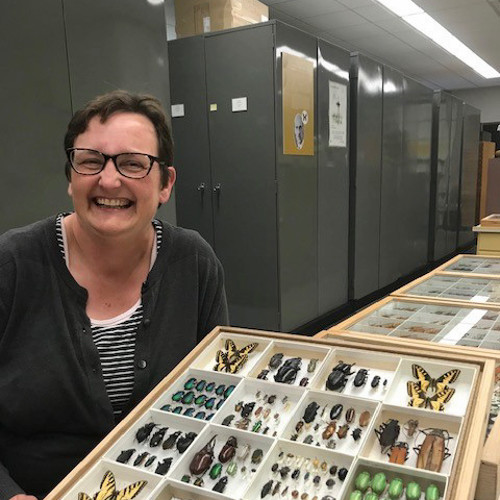
Direct engagement with biological concepts drives the learning environment in Maya Evenden's insect biology course. Designed to connect theoretical mechanisms with practical applications, her lectures emphasize continuous interaction between the instructor, students, and course content. Visiting peers will observe how real-world examples are woven into interactive discussions that encourage active student questioning. Expect to see an inviting atmosphere where foundational biological theories are made accessible through live dialogue, visual demonstrations, and real-world context.
Key teaching themes: Interactive instruction; Real-world application; Inclusive and accessible pedagogy
-
-
Wednesday, Oct. 28 11:00 a.m. – 11:50 a.m.
Observe how historical concepts are structured into manageable, accessible learning segments to maintain student engagement throughout a lecture. In HIST 296, Professor Robert Smith explores the global political, social, scientific, and technological dimensions of World War II by "chunking" complex historical materials into focused, digestible themes. Visiting instructors will observe techniques for stimulating student interest, using primary source analysis, and pacing material effectively. This class offers practical takeaways for breaking down broad historical narratives into clear thematic components and using low-stakes engagement mechanisms to help students navigate dense course content.
Key teaching themes: Information Chunking & Content Pacing; Multidisciplinary Historical Analysis; Formative Engagement (3-2-1 Strategy); Primary Source Integration
-
-
Wednesday, Oct. 28 11:00 a.m. – 11:50 a.m.
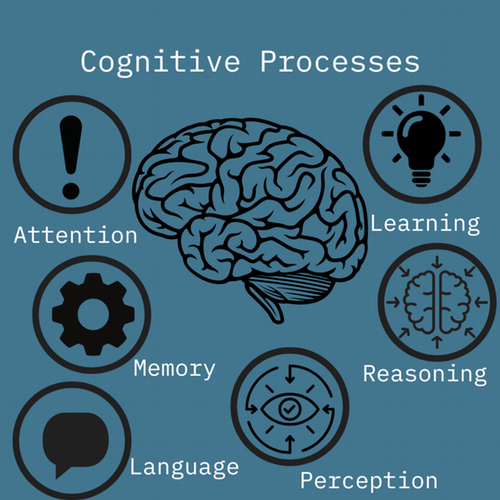
Step into a dynamic classroom where core psychological concepts seamlessly connect to everyday life! Observing instructors will see how complex topics—from perception and memory to reasoning and problem-solving—are delivered through accessible, highly engaging lectures that emphasize real-world relevance. Experience how theoretical models are brought to life through practical applications and student-driven practice questions, bridging foundational science with real-world context. You will walk away with actionable strategies for breaking down abstract theories, creating engaging lecture flows, and integrating real-world relevance directly into your own teaching.
Key teaching themes: Real-world application; Accessible pedagogy; Student engagement
|
| 11:00 – 12:50 p.m. |
-
Wednesday, Oct. 28 11:00 a.m. – 12:50 p.m.
Step into a structured, supportive environment designed to help international students navigate Canadian academic culture. Visiting instructors will observe how Silvia Sgaramella uses purposeful, structured warm-ups to settle students and set a clear focus for the session. Through firm yet encouraging classroom management, she guides learners through targeted intercultural communication tasks and group work with clarity and direction. Observers will gain actionable ideas for establishing a calm, safe, and highly organized space that encourages participation, builds student confidence, and seamlessly supports language and skill development.
Key teaching themes: Supportive and inclusive pedagogy; Purposeful scaffolding; Classroom management; Supporting international students
|
| 11:30 – 12:20 p.m. |
-
Wednesday, Oct. 28 11:30 a.m. – 12:20 p.m.
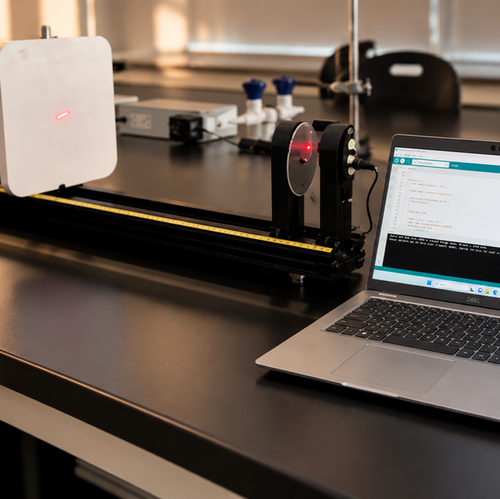
Bridging mathematical equations with physical reality defines the learning experience in Filsan Ahmed’s calculus-based physics class. Designed for engineering students, her blended classroom transforms rigid formula memorization into an interactive exploration of mechanical waves, oscillations, and optics. Visiting instructors will observe how she integrates pre-lecture preparation with live demonstrations, visual diagrams, and low-stakes active problem-solving to demystify complex concepts. Expect to see an inviting environment where students openly share their reasoning, analyze physical models, and build confidence through peer-to-peer engagement.
Please note: This course is delivered in French at Campus St. Jean.
Key teaching themes: Blended learning; Flipped classroom approach; Active learning; Inclusive and supportive pedagogy
|
| 12:00 – 12:50 p.m. |
-
Wednesday, Oct. 28 12:00 p.m. – 12:50 p.m.
Visiting instructors will observe how 3D molecular models, polished digital slides, and interactive technology bring complex subatomic behaviors directly to life. The class seamlessly blends active learning with targeted problem-solving, keeping students engaged and prompting them to think critically about real-world chemical applications. Observers will gather valuable techniques for integrating physical modeling tools, maintaining high-energy student interaction, and streamlining technology-enhanced instruction in large-enrollment foundational science courses.
Key teaching themes: Visual & Spatial Modeling, Technology-Enhanced Learning, Critical Thinking in STEM, Interactive Lecture Design
-
-
Wednesday, Oct. 28 12:00 p.m. – 12:50 p.m.
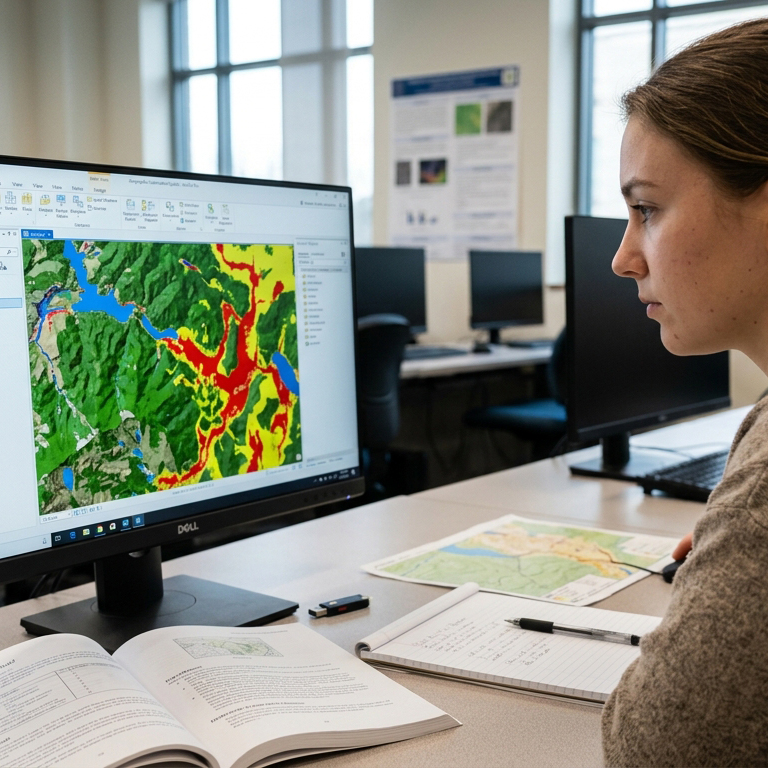
Human Geography comes alive through a rich collection of spatial maps, compelling imagery, and real-world case studies that connect core theoretical concepts directly to daily life. Visiting instructors will experience how spatial organization, urban planning, and global inequalities are made tangible by grounding abstract ideas in specific places and community experiences. The class uses engaging images, stories, maps, and real-world case studies to break down complex geographical relationships. Observers will gain valuable ideas for using visual narrative strategies and localized examples to make introductory-level material both accessible and deeply relevant to students.
Key teaching themes: Place-Based Case Studies, Visual Media & Mapping, Real-World Application, Storytelling & Contextual Learning
|
| 12:00 – 1:20 p.m. |
-

Wednesday, Oct. 28 12:00 p.m. – 1:20 p.m.
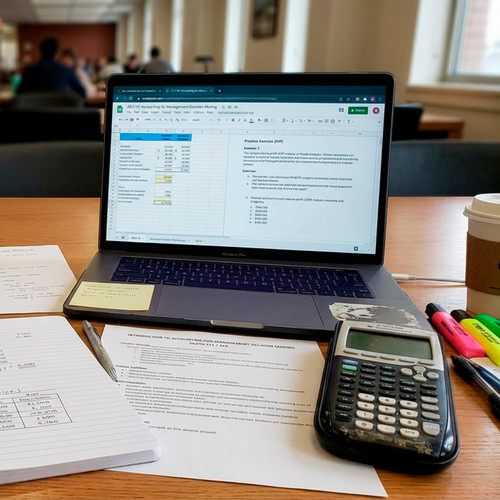
Experience how technical quantitative concepts can be delivered with energy and practical relevance. In ACCTG 324, Trish Stringer connects management accounting principles to real-world decision-making through live problem-solving. Visiting instructors will observe strategies for managing large-lecture environments, including how regular in-class review questions and active problem analysis promote steady engagement. This session offers concrete takeaways for balancing structured lectures with formative check-ins, keeping students accountable, and transforming complex financial analysis into an approachable, interactive experience.
Key teaching themes: Interactive Problem-Solving; Real-Time Assessment; Scaffolded Quantitative Instruction; Integrated Out-of-Class Prep
|
| 1:30 – 3:50 p.m. |
-
Wednesday, Oct. 28 1:30 p.m. – 3:50 p.m.
Conversational inquiry and peer collaboration take center stage in Mourad Ferdaoussi’s human physiology course. By moving beyond simple rote memorization, he uses open discussion, real-world health applications, and collaborative analysis to guide students through the complex mechanisms governing homeostasis, organ systems, and pathology. Visiting instructors will observe how he builds student engagement and elevates scientific communication, using interactive dialogue to foster critical thinking. Expect to see an inviting, interactive environment that encourages students to evaluate evidence, ask probing questions, and debate physiological concepts.
Please note: This course is delivered in French at Campus St. Jean
Key teaching themes: Active learning and student engagement; Critical thinking and analysis; Scientific communication; Real-world application
|
| 3:00 – 3:50 p.m. |
-
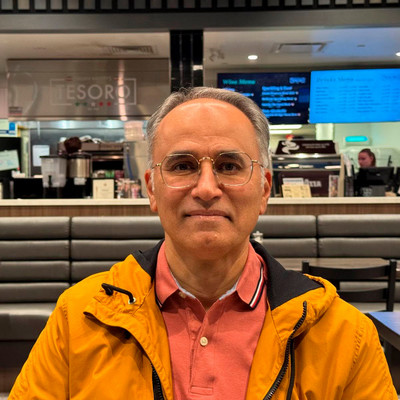
Wednesday, Oct. 28 3:00 p.m. – 3:50 p.m.
Discover how philosophical theory connects directly to real-world scientific practice! In Hassan Masoud’s Philosophy of Science course, abstract ideas transform into engaging, collaborative inquiry. Visiting observers will see a dynamic session that splits class time between foundational mini-lectures and structured, small-group discussions that expand into full-class debates. Students actively evaluate arguments, analyze historical case studies, and relate core philosophical issues to contemporary societal questions. Observers will gain practical strategies for facilitating peer-led dialogue, balancing brief lectures with interactive group work, and grounding complex theory in illustrative examples.
Key teaching themes: Active and collaborative learning; Case-based learning; Peer-led dialogue
|