Nursing Leads with Universal Design Innovation
25 September 2025
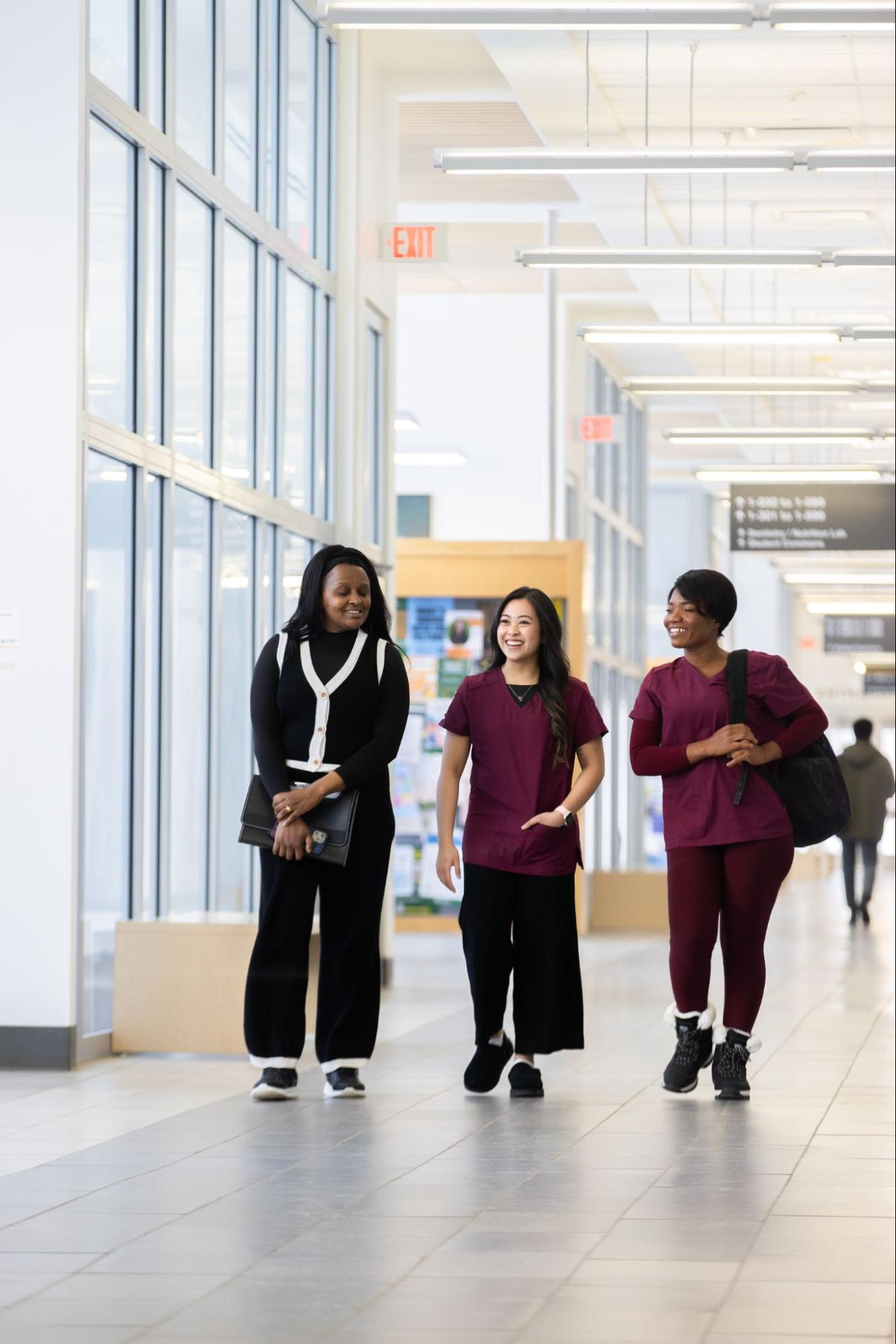 The Faculty of Nursing is at the forefront of a significant shift in education. Their progressive integration of Universal Time Multipliers (UTM) and Universal Design for Learning 3.0 (UDL) into the curriculum has contributed to creating a more effective, streamlined, and student-centered experience for everyone.
CTL’s Instructional Designer for Accessibility, Rukiyah Ghani, sat down with Associate Teaching Professor Kristin Zyleck and Teaching Professor Denise Pasieka to learn about their individual and faculty-led initiatives toward more universal and responsive pedagogies. They reflect on how these curriculum changes are influencing teaching practices and improving the learning experience for students.
Why Universal Time Multipliers?
The Faculty of Nursing initiated discussions in 2019 to integrate a Universal Time Multiplier (UTM) for midterm and final exams, following conversations prompted by an observed increase in student accommodation requests, particularly for extended exam times. Data showed that 95% of these requests were for a 1.5 (time and a half) time multiplier.
The goal is to identify accommodations that can be applied universally to improve administrative and pedagogical efficiencies.
The Undergraduate Curriculum Committee officially approved the measure, with the first implementation occurring in a specific acute care clinical course in the summer of 2020. This decision standardized the policy, ensuring consistency and equity for all students, rather than leaving it to the discretion of individual instructors.
How a new policy is changing the exam experience for the better.
Kristin and Denise both shared that students were overwhelmingly pleased, noting that the policy reduced exam anxiety and provided more time to review their answers and think critically, even if they didn't utilize the full extended time.
The initial challenge was simply explaining to students that the 1.5 multiplier was already embedded in their exams, meaning they didn't need to take any extra steps to receive the accommodation.
From the instructors' perspective, the policy has been seen as effective. Many admitted they were intuitively giving extra time on exams, but the formal policy significantly streamlined the process.
Administrators, like course leads, found it saved a tremendous amount of time that was previously spent manually applying multipliers for a large volume of students, a process that was particularly burdensome with the older eClass system.
While some worried about grade inflation, the data confirmed that those fears were unfounded. Exam averages remained consistent after the policy was implemented, proving its value as a genuine support strategy.
Beyond survival: igniting student agency
It's one thing to get students through a program. It's another to empower them to thrive. The Faculty of Nursing’s commitment to the Universal Time Multiplier (UTM) isn't about easing the journey; it's about fundamentally changing it. This isn't just a policy; it's a statement of faith in every student's potential.
The UTM is designed to do more than just provide extra time—it's a tool to build capacity, confidence, and competency. By removing the barrier of time constraints, the faculty cultivates student agency and self-advocacy, which are critical skills for a successful nursing career.
Ultimately, the goal is to create an environment where students don't just "survive" the rigours of their education but are instead motivated to learn, ask questions, and be curious. This approach shifts the focus from simply passing a test to fostering a deep, lifelong passion for learning.
Designing with Universal Design for Learning (UDL)
Kristin clarifies that UDL isn’t a “blanket approach”. It’s an inclusive framework that creates space for every student, ready to meet diverse and variable learning needs from the outset (i.e., at the stage of course design and instructional practice).
- Clinical Teaching: In work-integrated learning, a conceptual 2.0 time multiplier is applied. This means students are given more time and fewer patients than an experienced nurse, transforming high-stakes situations into low-stakes learning opportunities where mistakes can be safely made and learned from.
- Flexible and Transparent Assessment Design: Instructors have redesigned assessments to focus on students' critical thinking rather than just selecting correct answers. For example, a multiple-choice exam was transformed into an unfolding case study, allowing students to provide a rationale and bring in relevant notes.
- Fostering a Growth Mindset: The faculty encourages instructors to be flexible and adaptable, shifting the focus from accommodating an individual to adjusting the learning environment for everyone.
The ultimate goal is to foster lifelong learning and curiosity by creating an environment where students feel safe asking questions and learning alongside instructors.
Overall, UDL in the Faculty of Nursing is seen as a method to foster learner variability and promote a learner-centered approach, leading to better student outcomes and sustained pedagogical efficiencies.
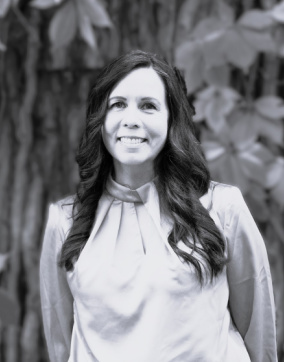 Kristin Zyleck, RN, BScN, MA Bioethics
Kristin is an Associate Teaching Professor in the Faculty of Nursing at the University of Alberta. She fulfills leadership roles as Faculty Navigator, course lead, and faculty liaison. She has worked in nursing education for six years and has been a registered nurse for over 23 years. She was awarded the Provost's Award for Early Achievement of Excellence in Undergraduate Teaching in 2024 at the University of Alberta. Kristin is passionate about nurturing community in the classroom and applying principles of UDL to foster an inclusive learning environment and respond to diverse approaches to learning.
Denise Pasieka, MN, BScN, RN
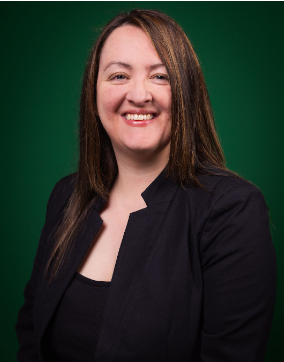
Denise is a Teaching Professor in the Faculty of Nursing at the University of Alberta. She has worked in nursing education for 18 years and has been a registered nurse (RN) for over 22 years. Her Master of Nursing focused on Teaching and Learning in Nursing Education. She has held various leadership roles within the Faculty of Nursing over the years and is currently a Clinical Placement Coordinator. Denise is an advocate for supporting students in clinical learning and uses principles of UDL when examining experiential learning plans.