Nature’s Cleanup Crew
Donna McKinnon - 22 May 2026
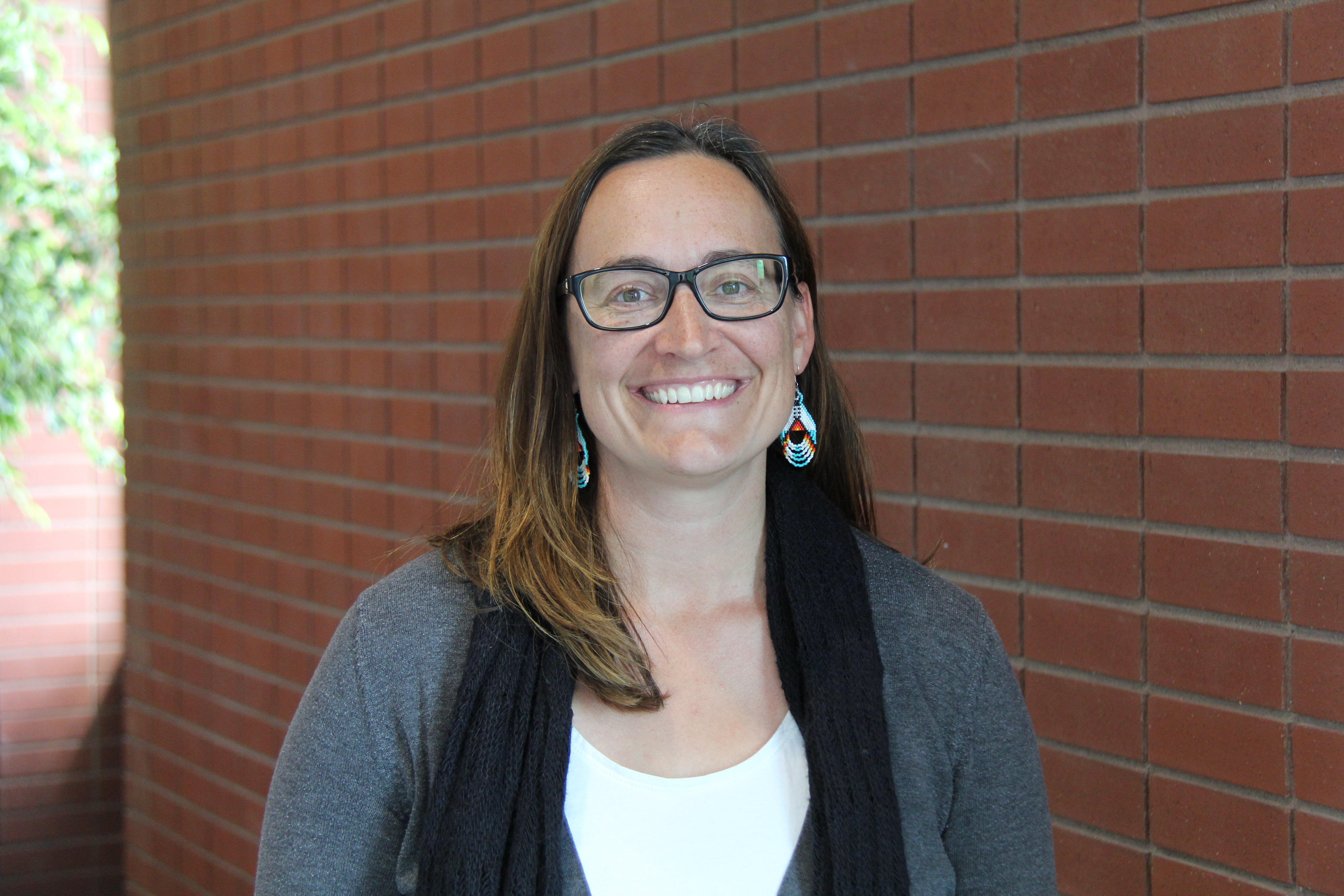
Ania Ulrich
For some researchers, the solution to human-made pollution lies not in a factory, but in the forest floor or the depths of a pond. By drawing inspiration from nature — specifically fungi, algae and microorganisms — scientists like Ania Ulrich, professor, Department of Civil and Environmental Engineering, are uncovering a remarkable biological superpower: the ability to "eat" the toxins that threaten human health.
Ulrich takes a holistic approach to her research, focusing on identifying living organisms that thrive on contaminants, but also a better understanding of the psychological weight carried by communities living in the shadow of contamination.
A primary target is petroleum hydrocarbons, specifically the BTEX (benzene, toluene, ethylbenzene, xylenes) compounds found in gasoline. While drivers may recognize the sweet scent of benzene at the pump, it is a known carcinogen linked to leukemia, explains Ulrich.
However, nature has provided a potential solution.
"We have discovered microorganisms that will eat the benzene, breaking it down into just CO2 and water — very simple, safe compounds,” she explains. This process of bioremediation is now being tested against newer, more ubiquitous threats like microplastics, exploring how organisms interact with and potentially degrade these persistent materials.
What sets Ulrich’s research apart is the refusal to work in academic isolation, opting instead for an interdisciplinary approach that integrates a broad spectrum of relevant expertise.
“I’m really interested in the social science and community element of my work,” she says. “As engineers, we are often just in our labs, but I want to understand what a community knows about the toxins in their environment, and are they aware that we can use microorganisms to clean them safely?"
This commitment to the human dimension of environmental science research has led to an active outreach program, she says. Her students work directly with schools and local communities to understand the connection between complex engineering and public awareness. By integrating social science into the technical field of bioremediation, Ulrich’s team isn't just cleaning up soil and water; they are rebuilding a sense of safety and agency for the people who live there.
As the field evolves, the goal remains clear: to move toward a future where engineering is as much about healing the human spirit and community trust as it is about restoring the natural environment.