Talk Treaty to Me: Regional Conversations on Land and Treaties – Calgary
- Nov. 17, 2026 5:30 PM - 8:00 PM
- Burnswest Theatre at The Confluence Historic Site and Parkland (750 9 Avenue SE, Calgary, AB T2G 5E1)
- Share Event
-

-
The University of Alberta invites you to join us for a meaningful evening of dialogue with Talk Treaty to Me: Regional Conversations on Land and Treaties, a special presentation of the Calgary Lecture Series.
Inspired by the national bestseller Talk Treaty to Me: Understanding the Basics of Treaties and Land in Canada (co-authored by Dr. Crystal Fraser and Dr. Sara Komarnisky), this series uses the book as a jumping-off point to bring communities together for place-specific, grounded discussions about our treaty histories and ongoing responsibilities.
Attendees are encouraged to purchase and read the book ahead of time (also available on Audible) and listen to the U of A Reads podcast episode featuring Talk Treaty To Me.
Evening Schedule:
5:30 PM Community Meal (Light Refreshments)
6:30 PM Opening Remarks & Panel Conversation
8:00 PM Event EndsCost
$20 (includes light refreshments)
Registration will close when the event reaches capacity, or on November 5, 2026.Please note all proceeds from the ticket sales will be donated to the Campus Food Bank.
RegisterGrounding the Conversation in Treaty 7
While this regional series was inspired in part by the 150th anniversary of the signing of Treaty 6, each conversation is intended to be grounded in the treaty territory where it takes place. Following the first conversation in this series, the Calgary gathering intentionally shifts the focus to Treaty 7 and to the lands, histories, legal and political traditions, and ongoing relationships of the Indigenous Peoples of this territory.
Together, our panel will explore:
- Treaties as Living Relationships: Moving beyond historical documents to understand treaty as an ongoing, lived commitment rooted in Treaty 7 political, legal, and nation-to-nation relationships.
- Territory, Land & Jurisdiction: Honoring Indigenous legal traditions, worldviews, Blackfoot and Stoney Nakoda perspectives, and ongoing relationships to land across Treaty 7.
- Contemporary Treaty Responsibilities: Addressing persistent stereotypes and discussing what active treaty responsibilities and reciprocity look like in Calgary and surrounding communities today.
With support from SILR (Supporting Indigenous Language Revitalization)
Speaker Information
Host and Facilitator:
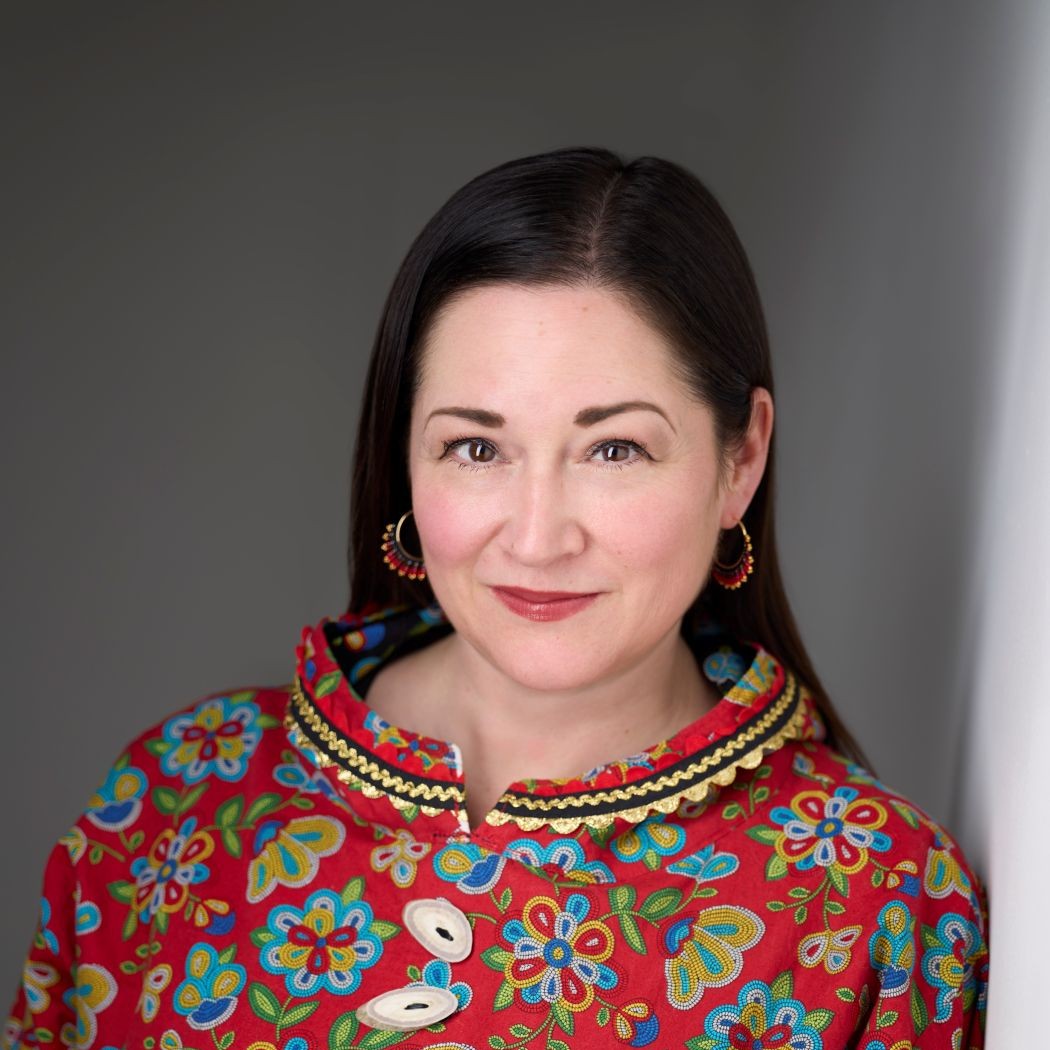
Dr. Crystal Gail Fraser is a historian and Indigenous studies scholar at the
University of Alberta whose work centres on Indigenous histories of colonial schooling, oral history, governance, and community-driven research in the Canadian North. She is an Associate Professor at the University of Alberta (Department of History, Classics, & Religion and the Faculty of Native Studies). She is the author of By Strength, We Are Still Here: Indigenous Peoples and Indian Residential Schooling in Inuvik, Northwest Territories and co-author of the national bestseller Talk Treaty to Me: Understanding the Basics of Treaties and Land in Canada. Her scholarship and public engagement were recently recognized with a Governor General’s Award for Scholarly Excellence. She leads Survivor-centred, community-engaged projects that support public education, Indigenous methodologies, and truth-telling grounded in Indigenous knowledge systems.
Panelists:
Daryl Kootenay – Stoney Nakoda Nation (Treaty 7) and Diné (Navajo) Nation. Traditional singer, dancer, artist, and facilitator who resides in southern Alberta with his wife Ariel Crawler and four children. Dedicated community organizer and advocate from Mini Thni (Morley), Alberta, whose local initiatives include co-founding the Stoney Nakoda Youth Council, leading the Intergenerational Mini Rhrpa Collective, and earning recognition as one of the Alberta Council for Global Cooperation's Top 30 Under 30.
Active global leader and educator who serves as Co-Convener for the Mni Ki Wakan World Indigenous Peoples Decade of Water Summit, Co-Founder of Bald Eagle Consultation, and Faculty member at the Banff Centre for Arts and Creativity (Indigenous Leadership).
His international contributions include former North American Focal Point for the UN Global Indigenous Youth Caucus, co-founding and serving as Co-Executive Director for the Howl Experience national charity, and membership in the UN FAO Indigenous Working Group for the Global Indigenous Youth Forum.
Fellow of the 2025 Office of the United Nations High Commissioner for Human Rights Indigenous Fellowship Program in Geneva and Canberra, and currently serves as the North American representative on the UN FAO World Food Forum Policy Board.
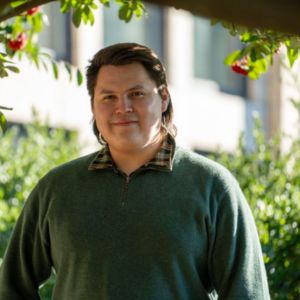
Ryan Crosschild/Sikapiohkiitopi (He/They) is a registered member of Kainaiwa (Blood Tribe) and an Assistant Professor at the University of Lethbridge. His research, teaching, ad community activism focus on Indigenous territoriality, with particular attention to Niitsitapi (Blackfoot) governance and politics. Working from an intersectional understanding of Indigenous governance, he examines the contact zones where distinct Indigenous political and legal orders encounter one another, attenting to how power, representation, and authority are differently claimed, exercised, an embodied in relationships among Indigenous peoples across the prairies.Elder Casey Eaglespeaker – Casey Eagle Speaker also known by his traditional name “Sorrel Horse” by his people within the Blackfoot Confederation. He is a member of the Kainai in Southern Alberta.
In the Year 2000, Casey was honored with the Chief David Crow Child Award from the City of Calgary for his work in cross-cultural awareness and in addition the Dr. Joseph Crow Shoe Award from the University of Calgary for his work in Indigenous Education. Casey has received numerous other awards for his work in society.
Casey has served on several boards such as the Native Women’s Shelter, Four Directions Foster Parents Association, Ghost River Rediscovery, and Co-Chair of The Wisdom Council (AHS) and is presently involved in a number of advisory committees.
Casey is active in the spiritual practices of his people and recognized by the community as a respected Elder. He has been working with Hull Services since 1998, as the Hull Services Elder. He is devoted to the wellbeing of Indigenous youth in all facets of their healing journey in life. Casey often states on any path a person chooses to take, it is important just to be human.
- Audience
- Alumni
- Category
- Alumni Lectures, Seminars