Knowing bodies: How movements convey information in real and digital spaces
- April 8, 2026 12:00 PM - 1:00 PM
- Van Vliet Centre 3-205, University of Alberta, Edmonton
- Share Event
-
Research and intuition tell us that we use our bodies to send information and observe other bodies to receive it, even if we aren't always aware this communication is occurring. This talk will explore and extend this idea by asking two important questions: First, does the communication of non-verbal information persist in digital spaces (online and Virtual Reality)? Second, does the communication of non-verbal information extend to ourselves such that we are aware of the properties of our own movements? The results of this work are striking. Not only do our movements consistently broadcast information to people watching us, but these signals are easy to record digitally and are highly predictive of our inner mental states. Paradoxically, however, people have very limited awareness of their own movements, especially when moving in digital spaces. This work therefore reveals a double-edged sword: while recording movement has become a trivial yet powerful diagnostic tool for physical and mental performance, users themselves remain largely oblivious to the information they are broadcasting and how it might be used.
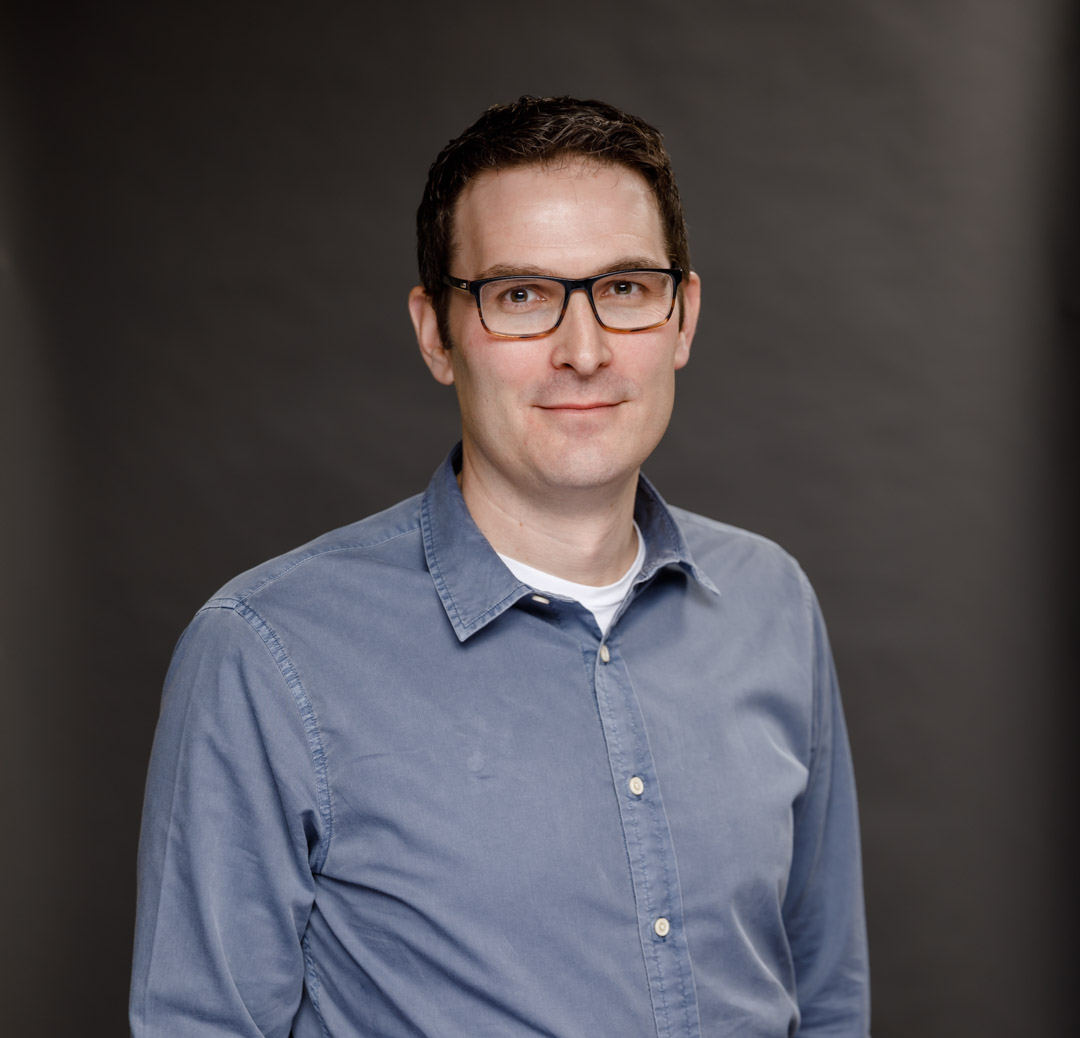
About Dr. Craig Chapman
Dr. Chapman has a BSc from the University of British Columbia (UBC) in Cognitive Science and an MSc and PhD in Psychology from the University of Western Ontario where he worked with Dr. Melvyn Goodale. After finishing a Killam postdoctoral fellowship with Drs. Jim Enns, Alan Kingstone and Todd Handy back at UBC he joined the Faculty of Kinesiology, Sport, and Recreation and the Neuroscience and Mental Health Institute at the University of Alberta (U of A). He has been running the Action in Complex Environments (ACELab) Laboratory at the U of A since 2013. Dr. Chapman is a Canadian Institute for Advanced Research (CIFAR) Global Scholar in Brain, Mind and Consciousness and most recently the CEO of a spin-off company called Gaze and Movement Analysis Inc. (GaMA for short). At the heart of both his research and entrepreneurial aspirations is the fundamental belief that we can learn much about what is going on inside someone's head by doing careful measurement of what's going on outside their head, namely how they move their body and where they look. With raw gaze and movement data becoming increasingly available via advances in technology, now more than ever we need better tools that can unlock the powerful insights this data holds.
- Audience
-
Alumni
Faculty, Staff
Undergraduate Students
Graduate Students - Category
- Health Wellness, Recreation
- Keywords
- Neuroscience non-verbal communication movements