Saturday Scholars Series
- Sept. 19, 2026 12:00 PM - 3:00 PM
- 2nd Floor, Central Academic Building (CAB), North Campus
- Share Event
-
-
Are you curious about the breakthroughs shaping our world? Do you miss the thrill of university lectures—minus the exams?
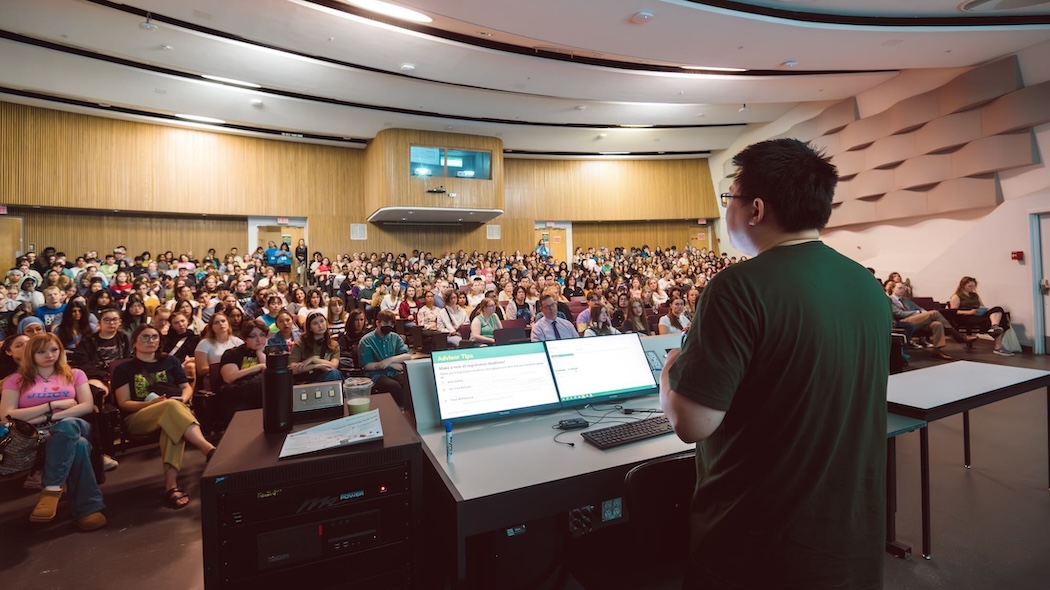
Join us for the Saturday Scholars Series featuring six of the University of Alberta’s leading minds. In a series of 40-minute presentations, top researchers and professors will offer expert insight from their field of study and share updates on groundbreaking research being conducted at the university.
Whether you are an alumnus looking to reconnect, a student eager to expand your horizons, or simply a lifelong learner with a passion for knowledge, this event is designed to spark curiosity and inspire conversation.
Cost: $5 per session
Schedule + Speakers
Rolf Vinebrooke | Lonnie Zwaigenbaum | Kelvin Jones | Allan Wright | Candace Nykiforuk | Tonya Simpson | Geraint Osborne
Rolf Vinebrooke
Professor, Faculty of Science - Biological Sciences
12 - 1 p.m.
Cumulative Impacts of Exotic Sportfish on Alpine Lakes Under a Changing Climate
Dr. Rolf Vinebrooke, Professor from the Faculty of Science, will be guiding us through some of the cumulative impacts of exotic sportfish on alpine lakes under a changing climate. This presentation will focus on the interactive effects of the historical introduction of non-native sportfish (rainbow trout), and more recent climate change impacts on naturally fishless alpine lakes in our national mountain parks.Speaker Bio
Dr. Rolf Vinebrooke's research of mountain lakes here in Alberta dates back to 1994. After receiving a Bachelor of Fine Arts from the University of Winnipeg, a Bachelor of Science and Master’s of Science from the University of Toronto, and a PhD from the University of Regina, Rolf completed an NSERC/Honorary Killam postdoctoral fellowship with the late Dr. David Schindler here at the University of Alberta. His research focuses on the cumulative impacts of multiple environmental stressors on biodiversity and ecosystem functioning in mountain, boreal, prairie, and arctic lakes.
Lonnie Zwaigenbaum
Professor, Faculty of Medicine & Dentistry - Pediatrics
12 - 1 p.m.
Supporting Autistic and Other Neurodivergent Youth in Hospital Settings
Autistic and other youth with neurodevelopmental conditions have higher rates of co-occurring physical and mental health conditions compared to their peers. This presentation will highlight what is currently known about the challenges that these youth and their families experience in the health system, as well as approaches that can be helpful, especially in hospital settings. Case examples will be used to illustrate how hospital teams can provide support, better care experiences, and better health outcomes.
Speaker Bio
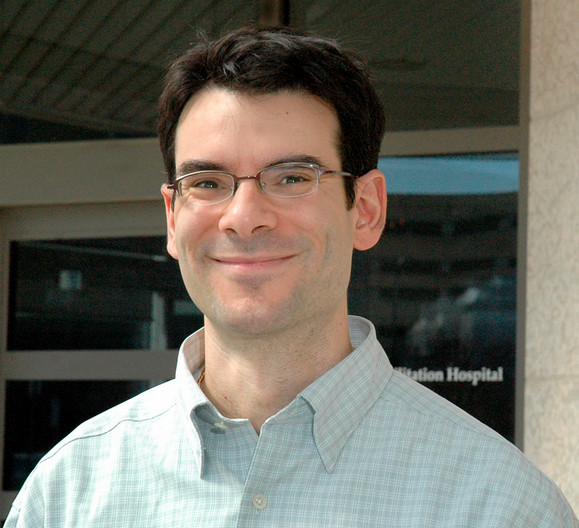
Dr. Zwaigenbaum is a developmental pediatrician at the Glenrose Rehabilitation Hospital, where he directs the Autism Research Centre, supported by the Stollery Children’s Hospital Foundation Chair in Autism. He is a Professor in the Department of Pediatrics and the Associate Director of the Women’s and Children’s Health Research Institute at the University of Alberta.
His current research focuses on improving diagnostic pathways and health care related to autism. Dr. Zwaigenbaum has also supported translating research to practice and supporting evidence-based policy. He chaired the Canadian Pediatric Society Task Force that issued practice statements on autism assessment and ongoing pediatric care in 2019, and the 2022 Canadian Academy of Health Sciences Autism Assessment Report that is guiding the federal government’s National Autism Strategy.
Kelvin Jones
Associate Professor, Faculty of Kinesiology, Sport, and Recreation - Academic Programs
Director of Graduate Studies, Faculty of Medicine & Dentistry - Neuroscience & Mental Health Institute (NMHI)1 - 2 p.m.
Making Muscles Twitch for Science: What Nerves Can Tell Us About Neurodegenerative Disease
Every movement we make depends on electrical communication between nerves and muscles. When that system begins to fail, as it does in conditions such as ALS, those electrical signals can provide important clues about what is happening beneath the surface.
In his presentation, Dr. Kelvin Jones will introduce how neurophysiologists measure nerve and muscle responses, what those signals can tell us about disease progression, and how computational tools can help distinguish expected variation from meaningful change. This session will use simple demonstrations and examples to show how measuring tiny electrical signals may help researchers develop better biomarkers and evaluate new treatments.
Speaker Bio
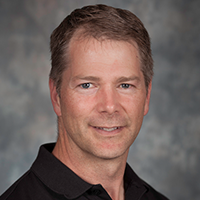 Kelvin Jones is a neurophysiologist specializing in neuromuscular physiology, electrodiagnostic methods and biomarkers for neurodegenerative disease. Dr. Jones’ research program is focused on neurophysiology of the motor and sensory systems using both experimental electrophysiological methods and computer simulations. He is also a clinical intraoperative neurophysiologist for Alberta Health Services.
Allan Wright, '20 PhD
Assistant Lecturer, Faculty of Arts - History, Classics & Religion
1 - 2 p.m.
Witchcraft, Occultism, and Monsters: What Can We Learn From Them
Why are thousands of U of A students desperate to register for a course on witchcraft every semester? It turns out that our obsession with the supernatural isn't just about horror movies and spooky folklore—it is a mirror reflecting the deepest anxieties, power struggles, and cultural shifts of human history.
This discussion will review the concepts of Witchcraft, Occultism, and Monsters. Specifically, how one can approach and engage with these subjects from an academic perspective and what can we learn from these examinations. Topics will include the problems of definition, unfamiliar ritual, and the issue of constructed legitimate and illegitimate magic users and its social ramifications.
Speaker Bio
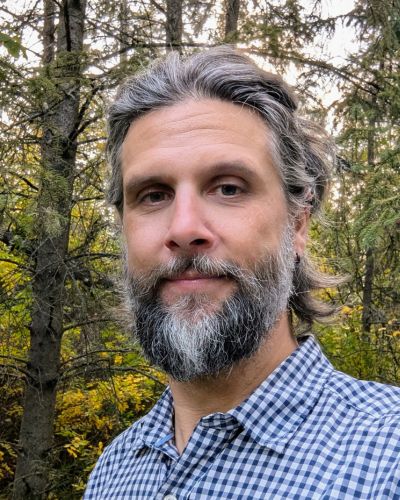 Allan Wright is an Associate Lecturer at the University of Alberta in the Department of History, Classics, and Religion. His work and research interests include early Christianity, Witchcraft, Occultism, and Monster studies. He is the author of "Exile, Identity, and Reconstructing Belonging in the Gospel of Mark" and "Better to Reign in Hell, Than Serve in Heaven:" Satan's Metamorphosis From a Heavenly Council Member to the Ruler of Pandaemonium."
Candace Nykiforuk, '97 BA
Vice-dean and Professor, School of Public Health
Scientific Director, Centre for Healthy Communities, School of Public Health2 - 3 p.m.
Designing for Happiness: How Your Neighbourhood Shapes Your Health
What if the places where we live could do more than meet our basic needs? What if they could help us thrive?This session will explore how neighbourhood design shapes the everyday experiences that support well-being. Examples will highlight how neighbourhoods can make people feel welcome, safe, independent, and inspired to spend time outside. Discover practical design principles for creating neighbourhoods where people can connect, explore, belong, and enhance their health and happiness.Speaker Bio
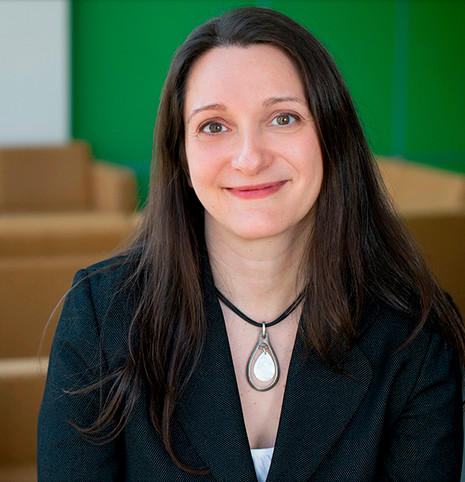 Candace Nykiforuk is a professor and the vice dean in the School of Public Health and holds a Tier 1 Canada Research Chair in Community Environments and Public Policy for Well-being. She also serves as the Scientific Director for the Centre for Healthy Communities in the School of Public Health. Candace is an applied public health researcher with strong interests in the role of community (built and social) environments and public policies in health and wellbeing, health promotion, and health equity. She is also the Principal Investigator of the Policy, Location and Access in Community Environments (PLACE) Research Lab.
Tonya Simpson, ‘16 BSc (AU), ‘21 MA
Professor, Faculty of Arts - Anthropology
2 - 3 p.m.
Spelling and Being Spellbound : A Humble Approach to Poetry
Based on the premise that language holds metaphysical potential, this workshop introduces a flexible poetic writing process. Through brief moments of focused writing exercises and personal reflection, participants will begin to understand their own poetic voice.
Throughout this workshop, Tonya will share her own philosophy on poetry and demonstrate how this understanding is rooted in spirituality and reflected in her own creative framework. Participants will leave with an understanding as to how their own creative voice is key to developing their own poetic process that will help guide writers through generating ideas to polishing a focused, intentional, and captivating poem.
Please note that this is an interactive writing workshop involving guest participation. All tools required for the workshop will be provided.
Speaker Bio
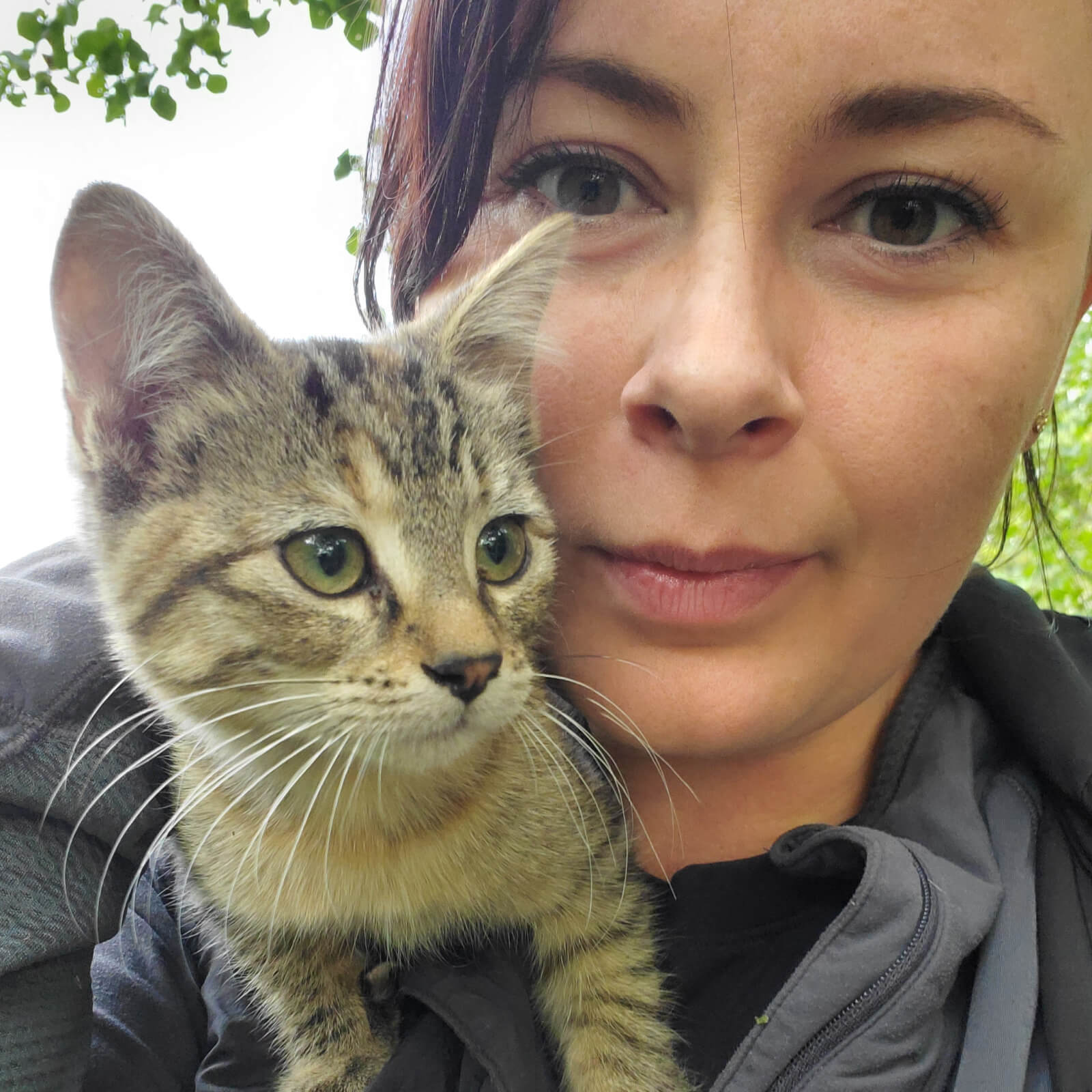
Tonya Simpson, a member of Pasqua First Nation, is an anthropologist living by Pigeon Lake, Alberta. With deep reverence for Canadian landscapes and teachings from her Scottish and Cree heritage, she writes to demystify the entanglements of morality, connection, relationality, and belonging.
She is humbled to have recently received the honour of being named a co-recipient of The Governor General’s Literary Award (GGBooks) in the Young People’s Literature (Illustrated Books) category and the R. Ross Annett Award for Children’s Literature (Alberta Literary Association). While her passion for writing has always been strong, motherhood brings a renewed perspective to her work.
Bonus Virtual Presentation!
Geraint Osborne
Professor, Social Sciences (Augustana)
12 - 1 p.m.
Between Deviance and Conformity: Why Free Societies Need Rule Breakers
Why are some people celebrated as innovators while others are condemned as deviants? Why do societies fear certain forms of difference while embracing others? And what role do outsiders, dissenters, and rule-breakers play in social change?
Drawing on more than three decades of teaching and research in sociology, Dr. Geraint Osborne explores the dynamic relationship between conformity, deviance, and democracy.
At a time of increasing political polarization and cultural conflict, this lecture asks a timely question: How can democratic societies maintain social cohesion while protecting individuality, diversity, and freedom of expression? The answer, sociology suggests, lies in recognizing that healthy societies require both conformity and deviance, both order and dissent, and that many of history's most important advances began with people who refused to accept that the status quo was inevitable.
Please note that this presentation is taking place at Augustana. There is an option to attend a watch party in a classroom setting at CAB on Main Campus or virtually from anywhere that is convenient.
If you are interested in attending the in-person presentation at Augustana, more information can be found here.
Speaker Bio
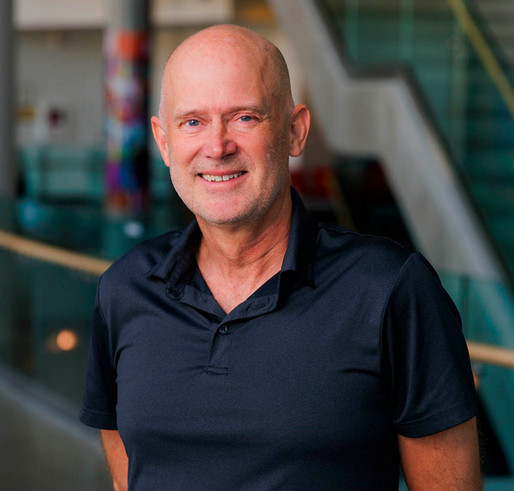
Geraint Osborne is a professor of sociology. His courses and research topics focus on crime, deviance and social control, political sociology, historical sociology and qualitative methods. Geraint has also previously worked as a researcher for Environment Canada, Canada Post Corporation, Correctional Services Canada, and Heritage Canada.
- Cost
- $5 per session
- Audience
-
Alumni
Community, Public
Faculty, Staff
Postdoctoral Scholars
Undergraduate Students
Graduate Students - Category
- Alumni Ceremonies, Special Events Lectures, Seminars Presentations
- Keywords
- U of A Days