Meet our keynote speakers
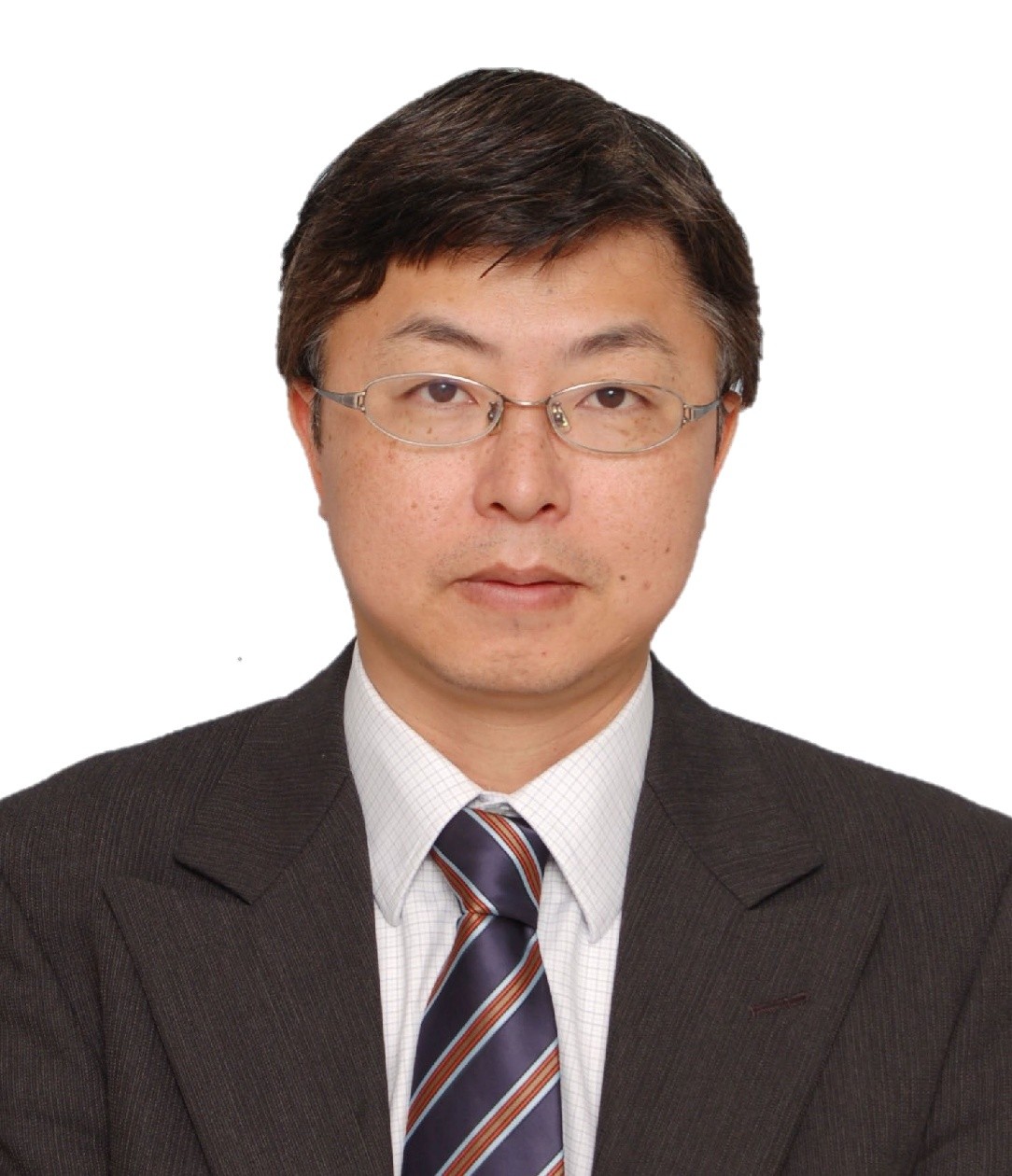
Morning keynote speaker
Dr. Wei Li
Professor of Department of Pharmacognosy, Faculty of Pharmaceutical Sciences, Toho University
Presentation:
Lessons from Nature: Innovation of Traditional Medicines
Talk summary:
Traditional medicines have continued to contribute to human health care for thousands of years and remain one of the greatest resources for drug discovery. Herein, I would like to introduce some of our research on the innovation of traditional medicines through two representative examples.
Combination antiretroviral therapy (cART) can effectively control plasma HIV levels, but requires lifelong administration to prevent relapse. A major goal of current HIV/AIDS therapy is the discovery of new anti-HIV agents capable of eliminating latent HIV reservoirs. In our continuing screening program for anti-HIV natural products, an extract from Stellera chamaejasme showed strong selective inhibition of HIV replication. Bioactivity-guided isolation, semisynthesis of active diterpenoids, and mechanistic studies led to the identification of gnidimacrin as a promising anti-HIV latency drug candidate.
In Japan, 148 kinds of Kampo medicines are currently prescribed for the treatment of various illnesses. These medicines are complex matrices composed of extracts from multiple crude drugs, resulting in complicated chemical constituents and mechanisms of action. Our studies have focused on the comprehensive assessment of Kampo medicines with specialized biological activities. These investigations revealed that Tsudosan exhibits significant in vitro and in vivo antioxidant activities, which may be mechanistically related to its traditional use in the treatment of blood stasis.
Biography
Professor Wei Li is Head of the Department of Pharmacognosy, Faculty of Pharmaceutical Sciences, Toho University. He received his PhD from the Graduate School of Pharmaceutical Sciences, Kitasato University, in 2000. He subsequently joined Toho University, where he has been actively engaged in research in natural products chemistry and medicinal chemistry. His primary research interests focus on the discovery of novel bioactive natural products from traditional medicines. He has authored more than 200 scientific papers published in leading journals, including Science Advances, Journal of Medicinal Chemistry, and Analytical Chemistry. Professor Li has received several honors, including the JSP Award for Scientific Contributions from the Japanese Society of Pharmacognosy.
Afternoon Keynote Speaker
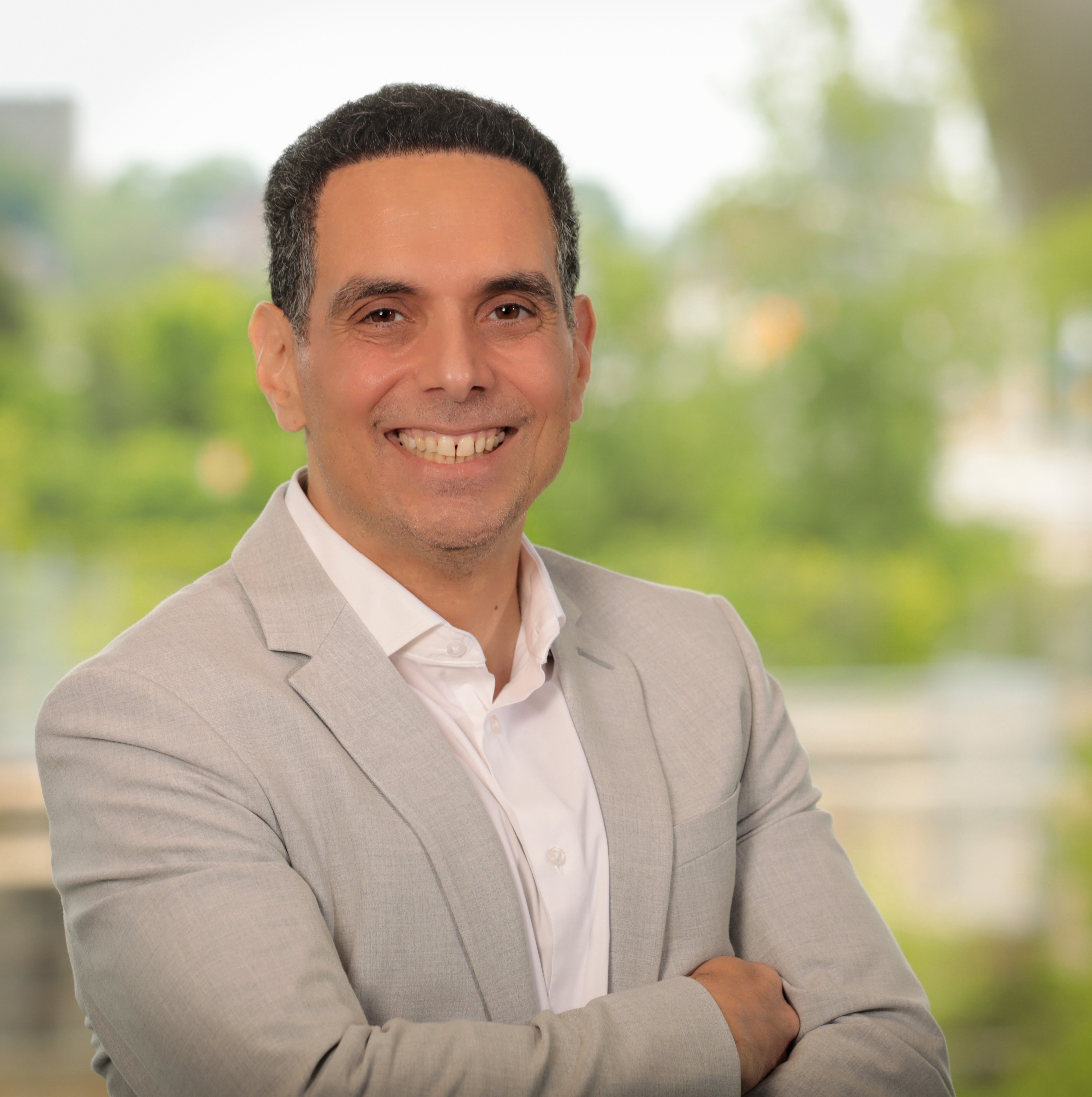 Dr. Anas El-Aneed
Professor & Assistant Dean, Pharmacy
Vice President, Canadian Society for Mass Spectrometry
College of Pharmacy and Nutrition
University of Saskatchewan
Presentation:
Analytical mass spectrometry to evaluate bioactive cannabinoids and psilocin in cannabis and magic mushrooms
Talk summary:
The development of mass spectrometric (MS) strategies to analyze psychoactive natural substances is critical to advancing their pharmaceutical utility. Our team spearheaded the development of tandem mass spectrometric (MS/MS) fingerprints for cannabinoids that can be utilized for both qualitative and quantitative analysis. Various MS experiments were conducted, namely MS/MS, second generation MS/MS (i.e., MS3), and exact mass measurements to attain that goal. The data were then used to profile cannabinoids in plant extracts, identifying the most abundant species that may contribute to their therapeutic effects. Among the identified compounds, an unexpected one, namely sesquicannabigerol was observed. When administered to mice, the plant extracts produced analgesic effects, while inducing less hypolocomotion and hypothermia than pure tetrahydrocannabinol (THC), suggesting a potentially improved therapeutic profile relative to THC.
In parallel, we developed targeted analytical methods for the determination of psilocin from magic mushrooms in plasma and brain tissues. We demonstrated, for the first time, that endogenous tryptophan interferes with psilocin analysis. Chromatographic conditions were optimized to overcome this interference, and a liquid chromatography-tandem mass spectrometry (LC-MS/MS) quantitative method was successfully developed and applied to a pharmacokinetic study. Additional analytical challenges emerged when analyzing brain tissues. New strategies were applied to overcome the high presence of phospholipids in the brain tissue, the target organ.
Biography
Anas El-Aneed (Ph.D. Biochemistry (2007) & M.Sc. Pharmacy (2003), Memorial University of Newfoundland; M.B.A. (2012), University of Saskatchewan; and B.Sc. Pharmacy and Pharmaceutical Chemistry (1997), Lattakia University, Syria) is a Professor and Assistant Dean at the College of Pharmacy and Nutrition, University of Saskatchewan. He was awarded the Governor General’s Gold Medal for his Ph.D. thesis in bioanalytical mass spectrometry (2007) before joining the University of Saskatchewan in 2008. His research focuses on the application of mass spectrometry for the analysis of small organic compounds, including urine biomarkers, natural psychoactive substances, and lipid‑based drug delivery systems. Dr. El‑Aneed has co‑authored over 80 peer‑reviewed publications, contributed to 185 conference abstracts, and supervised or co‑supervised more than 50 trainees. He serves on the editorial board of Rapid Communications in Mass Spectrometry, is the Vice President of the Canadian Society for Mass Spectrometry, and served on the NSERC Governing Council (2018–2026).