University of Alberta Social Media Guidelines
Social Media and the U of A
Welcome to the U of A’s social media community! Social media is a powerful tool for teaching, research, and community engagement. This guide is designed to empower you—our valued faculty and staff—to use social media effectively and responsibly.
Its purpose is to clarify the distinction between Institutional Social Media (accounts officially representing the university) and Personal Social Media (accounts managed by you as an individual). Understanding this difference is key to protecting both your personal and the U of A’s reputation. This document provides a framework to help you navigate your digital presence with confidence and clarity, and is meant to work in tandem with all official University of Alberta policies.
Defining Your Digital Identity: Institutional vs. Personal
It's crucial to distinguish which "hat" you're wearing online. Your online activities can reflect on the university, even on personal accounts. Here’s a clear breakdown:
Institutional Social Media Accounts
These accounts officially represent a university faculty, named centre or institute, or an externally-facing administrative unit. These accounts must be approved by External Relations, and no new accounts can be created without express permission from the U of A Brand team.
Purpose
To communicate official university news, promote programs, share research, and engage with our community (students, alumni, partners) on behalf of the institution.
Ownership
The account is owned by the university, not the individual who manages it.
Branding
Must use official university logos, branding, and naming conventions as outlined in the university's brand guidelines
Voice & Tone
The tone is professional, institutional, and aligned with the university's mission and values. It speaks as "we," not "I." Views and content shared on institutional accounts reflect the official position of the university, not the individual.
Examples
The official @UAlberta Instagram account, or the @UAlberta_FOMD X (Twitter) account
Personal Social Media Accounts
These are your individual accounts on platforms like LinkedIn, X, Instagram, or Facebook.
Purpose
To share your personal interests, opinions, and connect with friends, family, and professional peers. You are speaking for yourself.
Ownership
The account belongs to you. You control the content and credentials.
Branding
You should not use the university's logos or trademarks in a way that implies your personal account is an official channel.
Voice & Tone
Your voice is your own! However, if you identify yourself as a university faculty member or employee, you may be considered to be an ambassador for the institution. Your conduct should remain professional and not violate university policies (e.g., code of conduct, confidentiality, freedom of expression).
Examples
Your personal Facebook profile, your professional LinkedIn page, or your personal Instagram account.
Institutional Account Requirements
Managing an official university account comes with specific responsibilities. Think of yourself as a steward of the university's brand.
Account Creation and Registration
Social media is a resource-intensive endeavour, and it takes a significant amount of time to grow a social media audience. The university’s goal is to consolidate accounts wherever possible to leverage larger audiences. For example, department accounts should be consolidated into faculty accounts. Before creating any new university-affiliated social media account, including business managers or ad accounts, you must consult with your faculty or unit’s Communications and Marketing Partner and receive approval from the U of A Brand Team. This prevents duplication and confusion, ensuring all accounts are centrally registered and managed. We will help you determine if a new account is strategically necessary. The following criteria must be met in order to open a new social media account:
Strategic Value
Purpose
Is supported by a strategic approach that adds value by responding to University priorities as outlined in the University’s strategic plan.
Audience
Addresses a specific external-facing University of Alberta audience segment yet to be reached by an existing social media account or other communication vehicles.
Resources
Has dedicated long-term resources (such as human resources, creative resources and budget) to execute a sustainable social media content strategy.
Technology
Is connected to the university’s centrally-managed social tools.
Account Access
Is supervised by at least two University of Alberta team members who have completed the U of A’s social media training. One of these members must be NUE, and one must be from External Relations.
Account Security
Is managed with appropriate information security, including MFA, strong passwords, and privacy settings.
Risk Management
Has established redundancies to ensure the account is accessible if the primary account manager is unavailable.
Purpose
Is supported by a strategic approach that adds value by responding to University priorities as outlined in the University’s strategic plan.
Audience
Addresses a specific University of Alberta audience segment yet to be reached by an existing social media account.
Resources
Has dedicated long-term resources (such as human resources, creative resources and budget) to execute a sustainable social media content strategy.
Account Access
Is supervised by at least two University of Alberta team members who have completed the U of A’s social media training. One of these members must be MAPS, and one must be from External Relations.
Account Security
Is managed with appropriate information security, including MFA, strong passwords, and privacy settings.
Technology
Is connected to the university’s centrally-managed social tools.
Risk Management
Has established redundancies to ensure the account is accessible if the primary account manager is unavailable.
Branding and Voice
Profile Picture
Must be an approved university avatar created by External Relations, Marketing
Bio/About Section
Must clearly state the name of the unit and its affiliation with the university, including a link to the relevant university webpage.
Content
All content should be professional, accessible (e.g., use alt-text for images), on brand, and align with the university's strategic goals. U of A social media accounts do not comment on matters internal to the University, such as conversations about specific students, community groups, faculty or staff on social media. The U of A also cannot share or promote content, events, or donation solicitations that have not been approved through designated U of A processes.
Content and Moderation
Plan Your Content
A content calendar is highly recommended. Focus on quality over quantity.
Engage Thoughtfully
Monitor comments and messages regularly. Respond to legitimate inquiries in a timely and professional manner.
Moderation
You are responsible for moderating user-generated content on your channel. Remove spam, hate speech, and personal attacks. A clear moderation policy should be posted or linked in your bio.
Profile Avatars
The following avatar convention for university subunits has been established to present a consistent presence on all official University of Alberta social media accounts.
U of A Main Avatar
- White shield on green background
- This avatar is exclusively reserved for official U of A brand channels (@UAlberta).
- Official U of A Brand accounts:

Official Faculty/High Level Unit Avatars
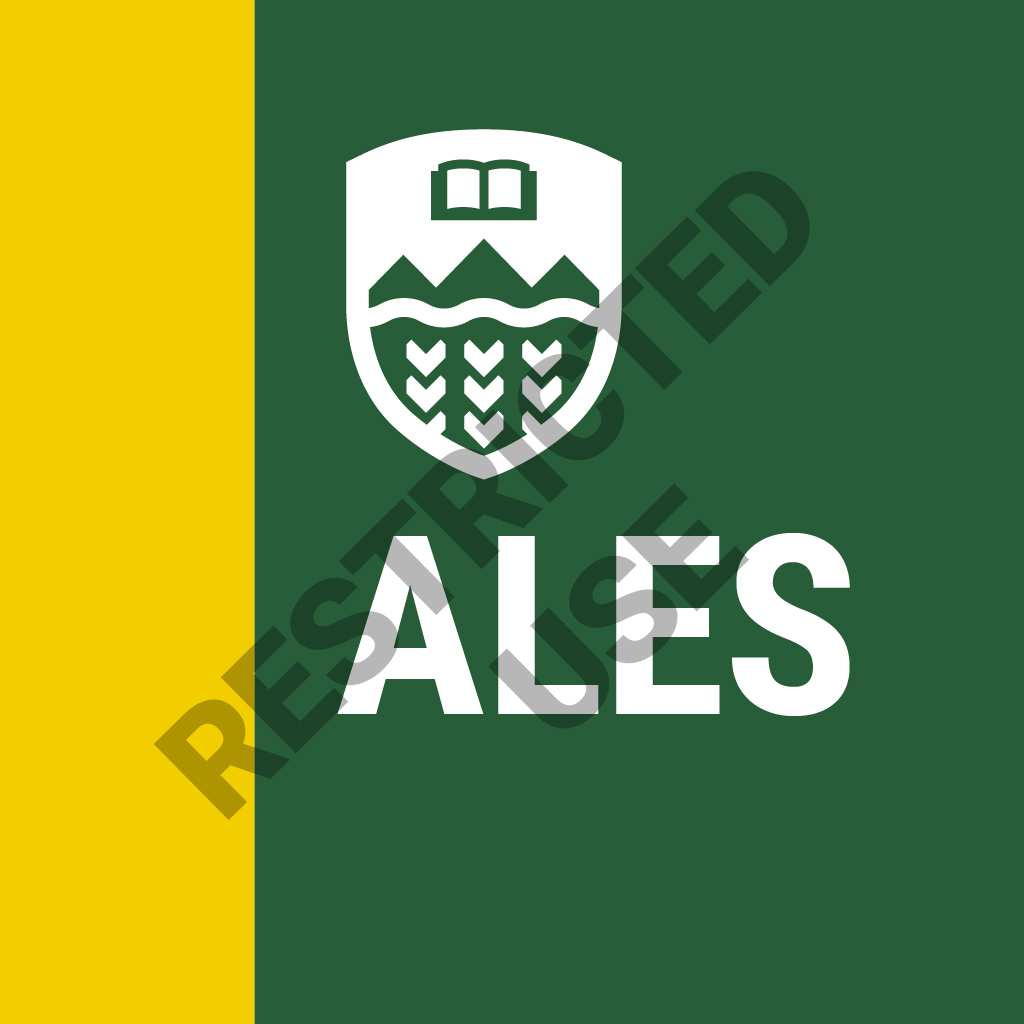
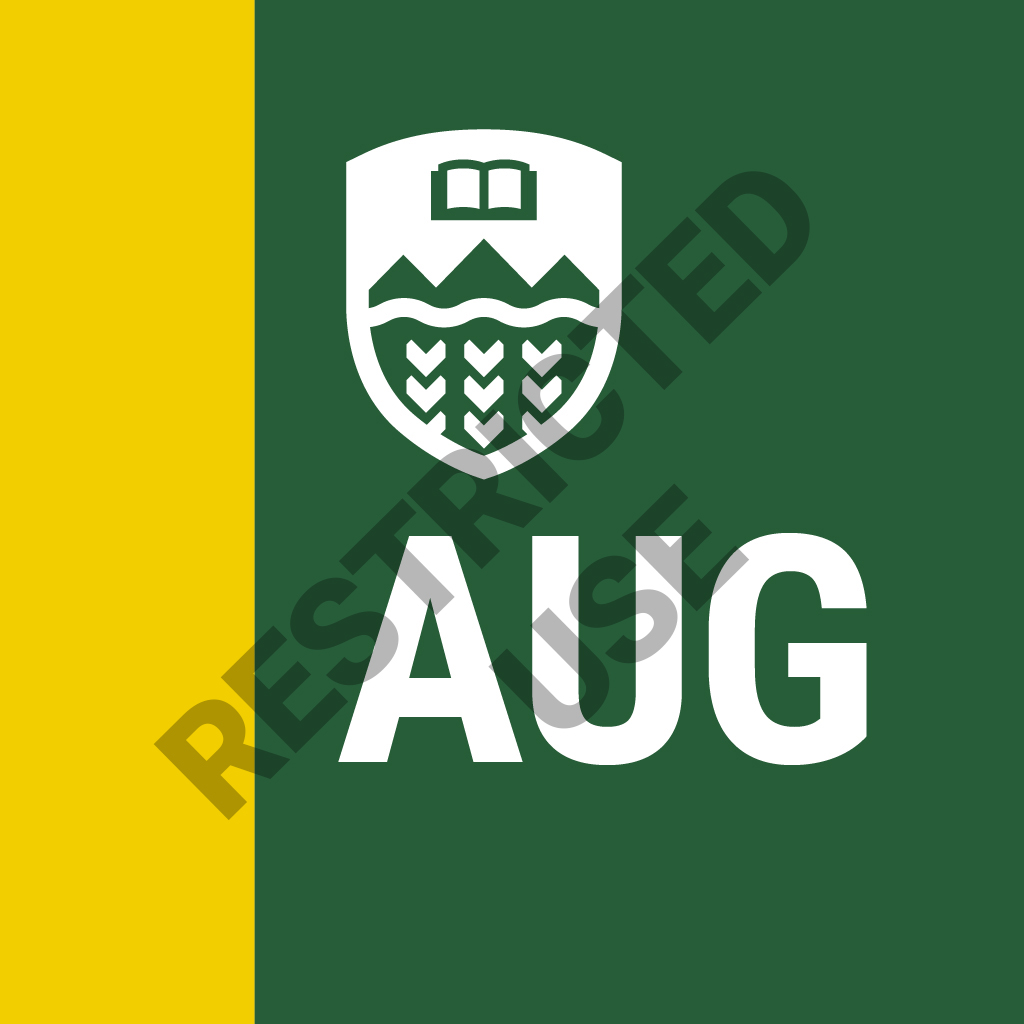
- Gold-green background with white shield
- This avatar is exclusively available for use by social media accounts directly managed by or in communication with a member of the External Relations Communications and Marketing team.
- Subunit avatars cannot be created by anyone outside of the External Relations Digital + Creative team. To have an avatar created, please contact your External Relations Communications and Marketing Partner.

Guiding Principles for All Social Media Use
Whether your account is institutional or personal, these core principles apply whenever you are engaging in discourse related to the university or your professional role.
Be Respectful and Responsible
Engage in civil discourse. Do not post discriminatory remarks, harassing content, or threats of violence. Remember that what you post is public and permanent.
Protect Confidential Information
Never disclose confidential information or proprietary institutional data.
Be Accurate and Transparent
Don't misrepresent yourself or the university. If you share information related to your field, ensure it is accurate. If you make a mistake, correct it promptly.
Respect Copyright
Only share content you own or have permission to use. Give credit where it is due.
Review Implied Endorsements
Be mindful that a "like," "share," or "follow" can be interpreted as an endorsement. Consider how your engagement with external content might be perceived by students, colleagues, and the public.
Best Practices for Personal Accounts
We encourage you to be active on social media and share your professional expertise! Your personal accounts are your own, but your association with the university can, in many circumstances, connect your actions on social media to the university’s reputation. The university may review and take action regarding activity that would harm that reputation. We suggest some best practices to protect both you and the university.
Clarify Your Role
If you discuss your work or subjects related to the university, it's a good practice to use a disclaimer in your bio, such as: "Assistant Professor at the University of Alberta. All opinions are my own." This simple step helps establish a distinction between your personal views and the university's official stance. We also recommend that you review the U of A’s Statement on Freedom of Expression.
Professional Boundaries
Students
We strongly advise against "friending" or following current students on your personal, private social media profiles (e.g., Facebook). Platforms like LinkedIn or X can be more appropriate for professional connections, but always maintain a professional tone.
Maintain Professionalism
Avoid posting content that could be seen as unprofessional or that could compromise your credibility as an educator, researcher, or staff member.
Additional Support and Resources
Faculty and Staff
For questions, please contact your External Relations Communications and Marketing Partner. We are here to help you succeed in the digital space.
External Relations Staff
The U of A social media team offers additional resources for staff to assist with social media management across the institution. Access the secure site for External Relations Marketing and Communications employees below:
External Relations Social Media Resources
This includes:
- Staff Social Media Training
- Channel Positioning/Audience Information
- Triage Chart
- Content Calendar Template
- Tools and Technology Breakdown
- Best Practices for Closing Accounts
Supporting Links
Provincial + Federal Regulations
- Alberta Access to Information Act (ATIA)
- Protection of Privacy Act (POPA)
- Canada Copyright Act
- Canada's Anti-Spam Legislation (CASL)