Wirth Institute to house Cambridge University Press journal Central European History
The partnership grew out of the efforts of CEHS past president Dominique Reill, who became director of the Wirth Institute in July 2025 and proposed the collaboration as part of her strategic vision for the Institute.
The Wirth Institute for Austrian and Central European Studies is delighted to announce that, as of April 1, 2026, it is entering into a five-year partnership with the Central European History Society. The arrangement is the brainchild of CEHS past president Dominique Reill, who became the Wirth Institute’s director in July 2025 and proposed the partnership as part of her strategic plan for the Institute. The CEHS Executive Board approved the partnership during its regular meeting at the 2026 AHA annual meeting.
The Cambridge University Press journal Central European History is one of the top tier journals in the world dedicated to the study of Central Europe. Authors come from all over the world, all articles are now open access, and the subject matter, time period, and geographies included within its pages are broad, deep, and inclusive. In raw numbers, the journal on average has a 25% acceptance rate, common for first-tier journals, and produces four issues per year. It also stands out for its notably fast turnaround time from submission to publication -- sometimes as little as six months -- reflecting the editors’ strong commitment to support its authors. About 50-70 book reviews get published by the journal every year, which also helps consolidate its place as a touchstone for the broader field.
The most visible piece of the partnership is that, for the five-year period, the Wirth Institute will “house” the Society’s journal, Central European History. While this will have no effect on the journal’s editorial operations, it will facilitate the editors’ efforts to solicit and publish excellent scholarship on central European history by scholars based in Austria and Central Europe. At the same time, the Wirth Institute will be able to draw on the journal’s reputation and its networks to develop new programming that will stimulate scholarly discussions about Central Europe. Finally, because the partnership includes financial support for CEH operations, it will allow CEHS to shift funds currently used for the journal to other programs (for example, an expansion of its research and travel grants).
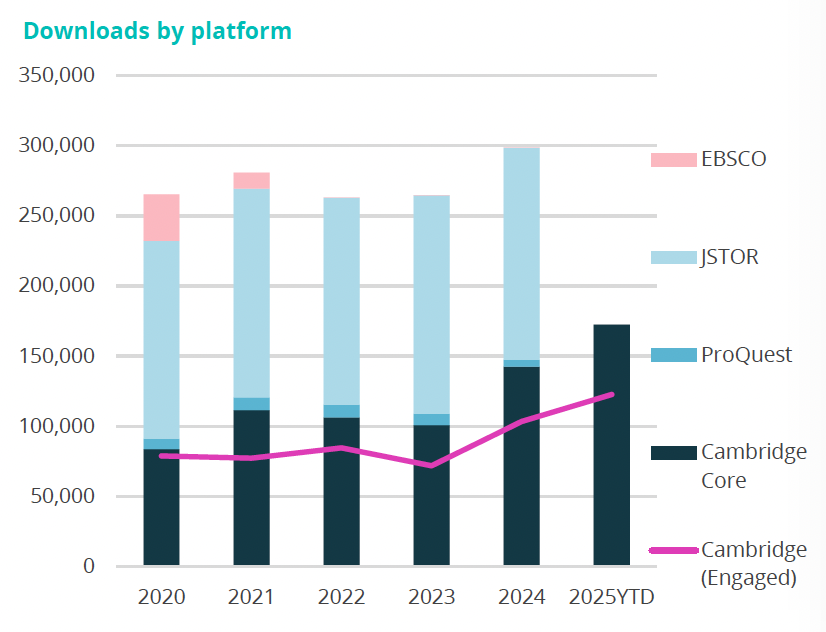
The mission of the Wirth Institute and the journal coalign in many ways: both institutions are committed to providing platforms for increasing connections and cross-fertilizations of scholarship about and across Central Europe, from medieval to current topics. CEHS represents scholars throughout Canada and North America dedicated to studying Central Europe. By bringing the journal to the Wirth and strengthening collaborations with the CEHS, we will be increasing the reach and resources of all the partners involved. For the Wirth and the University of Alberta specifically this will help keep our finger on the pulse of all the newest trends and scholarship directions happening on both sides of the Atlantic. This partnership will also bolster the Wirth Institute's ability to channel scholars to the journal, which will be incredibly useful for scholars from Europe and Canada who might not know of these opportunities.