UNIVERSITY NEWS

Bringing researchers together for better cancer outcomes
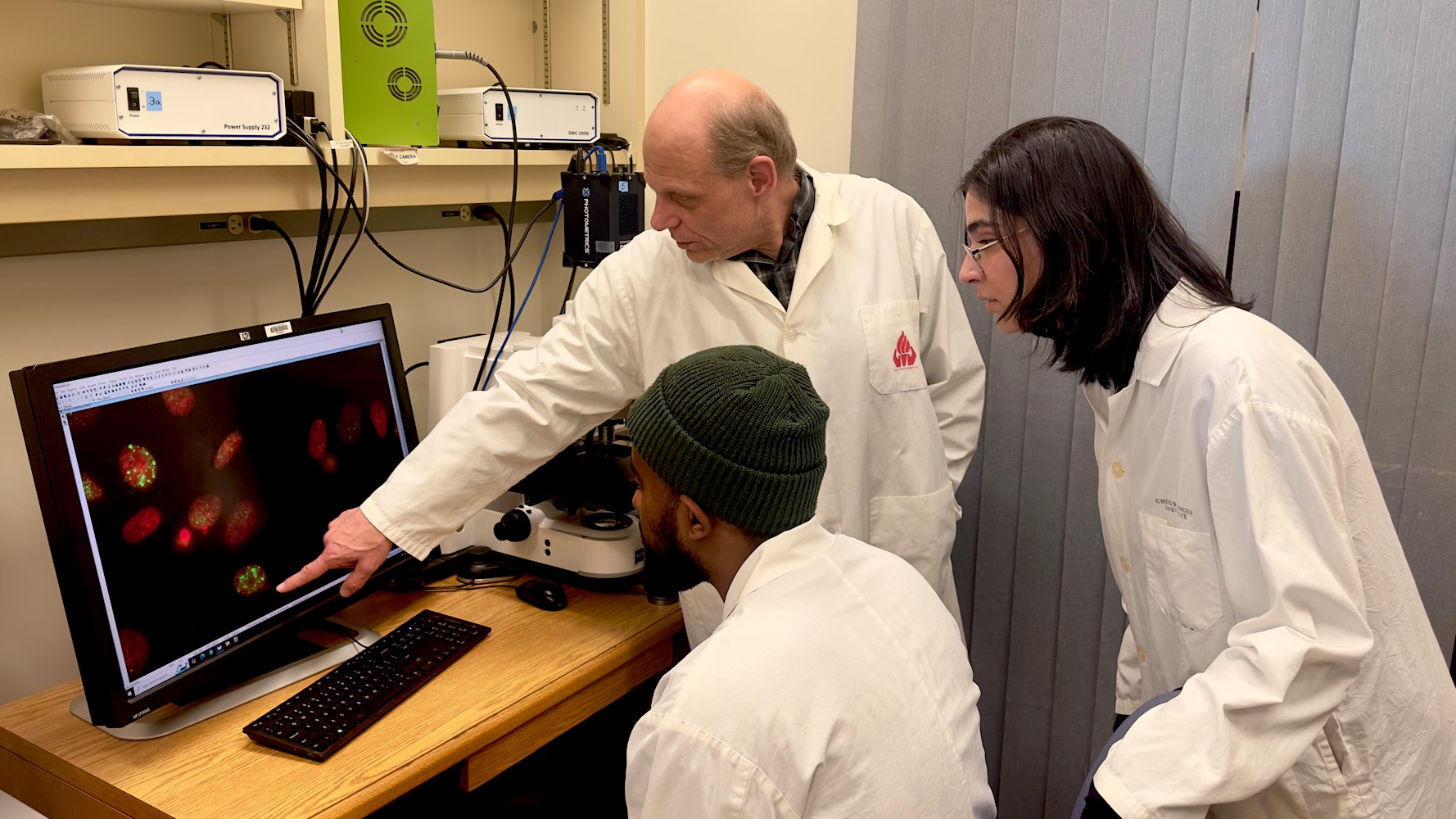
The Cancer Research Institute of Northern Alberta (CRINA) brings together scientists and clinicians from across the University of Alberta to advance groundbreaking discoveries.
CRINA researchers are exploring ways to better detect and treat cancer, understand how cells become cancerous, and improve the lives of people living with the disease.
CRINA researchers are exploring ways to better detect and treat cancer, understand how cells become cancerous, and improve the lives of people living with the disease.

Investigating how and why cancer cells develop and spread.

Discovering new ways to diagnose cancer at earlier stages.

Finding more effective and personalized therapies.

Researching ways to improve the quality of life of those living with cancer.
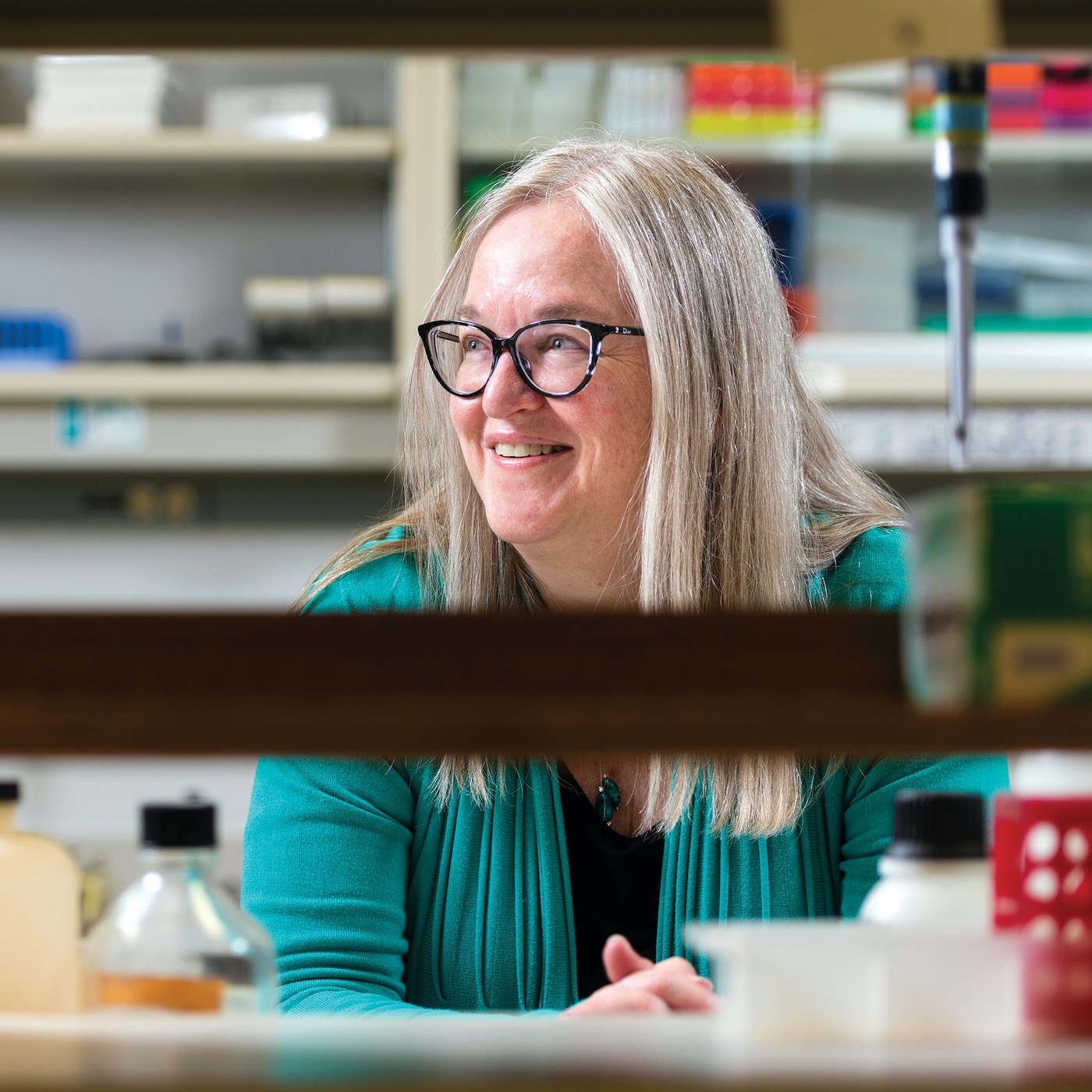
Welcome to CRINA. Made up of senior cancer researchers, trainees and clinicians, CRINA is an investigative hub created to explore and solve cancer’s most challenging questions. Our strength lies in the collective depth and diversity of our research teams’ expertise and experience.
I invite you to learn more about our work, our collaborations, and how to join us in supporting patients and their families, from diagnosis to survivorship.
Dr. Hanne Ostergaard
Director
Professor, Faculty of Medicine & Dentistry
Senior scientists and growing
Faculties represented
Years of collective research experience


