Biomedical Engineering
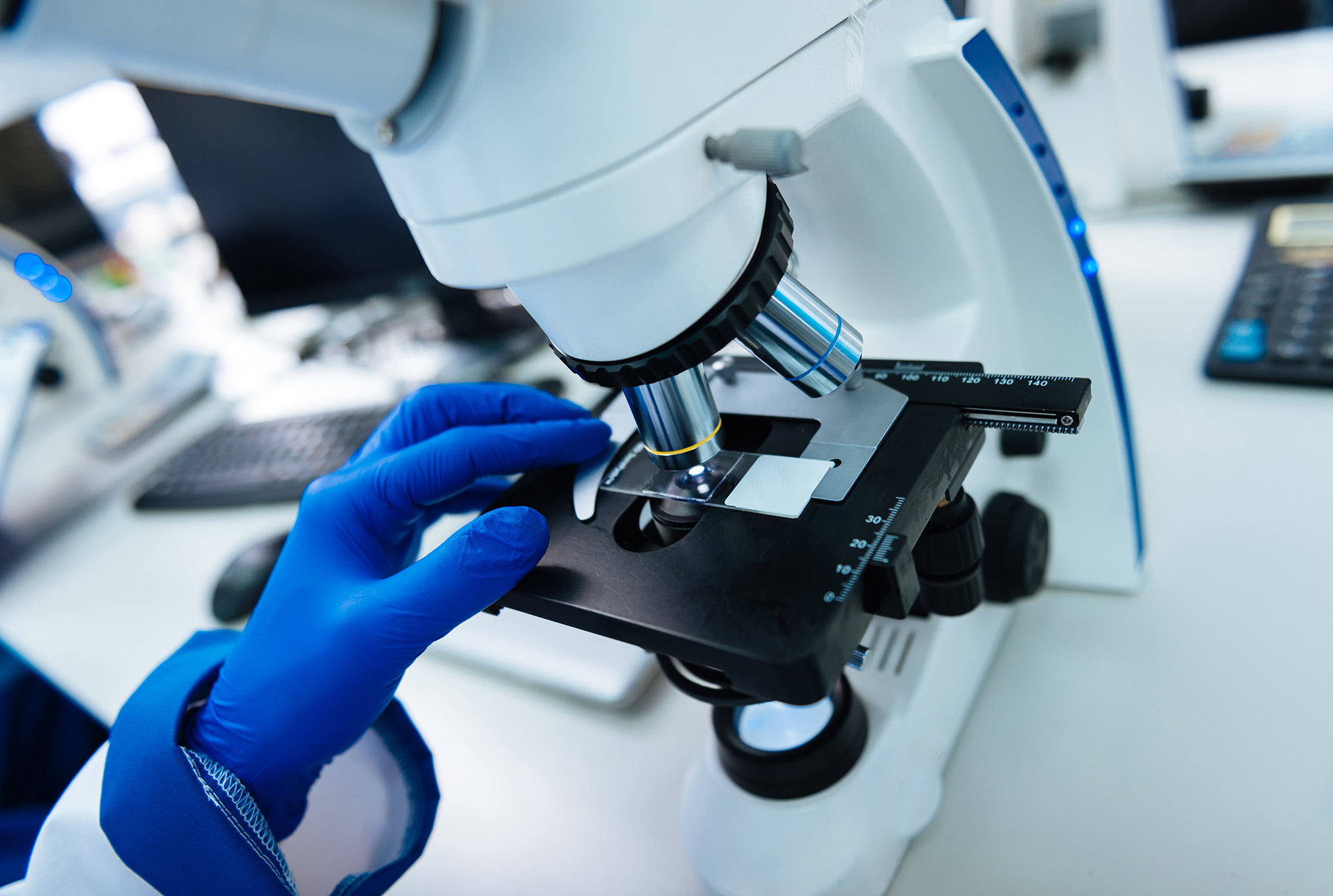
Our biomedical engineering researchers design solutions to enhance global well-being.
Our professors are at the forefront of merging traditional medical expertise with engineering through developing innovative approaches in drug delivery, patient monitoring and advanced medical procedures.
Our research portfolio is dedicated to improving health-care accessibility through remote interventions and minimally invasive operations. Our researchers explore fields like robotics, imaging and nanotechnology, leveraging extensive university resources including connections with affiliated institutions like the Cross Cancer institute, Glenrose Rehabilitation Hospital, Edmonton Nanofab and NRC Nano. Join us in revolutionizing biomedical engineering and making a lasting impact on lives around the world.
Find faculty members who specialize in Biomedical Engineering
Possible Careers
- Medical device engineer
- Electronics design engineer
- mbedded systems engineer
- Image processing scientist/Engineer
- Bioinformatics engineer
- Biomedical equipment specialist/Technician
Areas of Specialization
Our biomedical engineering specialization leverages principles from electrical and computer engineering—including signal processing, electronics and machine learning—to solve complex problems in healthcare. This field is about creating the next generation of medical devices, from advanced imaging systems like magnetic resonance imaging (MRI) and ultrasound to wearable sensors that monitor vital signs and even brain-computer interfaces. By blending rigorous engineering with a deep understanding of human physiology, you'll be at the forefront of innovation, helping to improve diagnostics, treatment and quality of life for everyone.
Medical Robotics Technologies
Robotics and advanced technologies are revolutionizing healthcare by boosting precision. Surgical and therapeutic robots enable minimally invasive procedures, often guided by image guidance systems fusing real-time imaging with tracking. Rehabilitation robotics and tele-rehabilitation accelerate recovery. Technologies like smart prosthetics and exoskeletons enhance mobility. Finally, haptics and visualization technologies (AR/VR) improve remote operation, training simulations and surgical planning.
Biomedical Imaging Technologies
Current biomedical imaging technologies research focuses on improving visualization for diagnosis and treatment. Key modalities like ultrasound and MRI provide essential body views. Research heavily involves sophisticated Image processing and analysis (often AI-driven) to enhance data. Our work includes minimally-invasive microscopy for in vivo cellular visualization and continuous development of new technologies to boost imaging speed, resolution and safety.
Diagnostic Testing and Monitoring
Research is revolutionizing diagnostics via miniaturization and automation. A key focus is the lab-on-a-chip (LOC) systems, which integrate entire laboratory functions onto a microchip using microfluidics. This enables rapid, high-precision point-of-Care (POC) testing. Driving this are micro- and nano-mechanical systems (MEMS/NEMS), which function as tiny sensors and actuators, facilitating both LOC devices and real-time, personalized patient monitoring.
Technologies for Therapy and Intervention
This research is advancing therapy and intervention with personalized technologies. Research focuses on controlled drug administration using microneedle arrays and implantable pumps for improved delivery and adherence. Engineers also develop advanced mobility and recovery devices like prosthetics and robotic rehabilitation systems. The cutting edge involves energy-triggered drug or gene delivery, using external stimuli (like light or ultrasound) to precisely target therapy and minimize side effects.
Biomedical Nanotechnology
Biomedical nanotechnology is transforming medicine through nanoscale materials. Key research involves using nanoparticles as targeted drug delivery vesicles (e.g., liposomes) to maximize efficacy and minimize side effects at disease sites. Concurrently, other nanoparticles function as enhanced contrast agents for better imaging. Another focus is **Miniaturized biomedical transducers (nano- and micro-scale sensors) for developing highly sensitive biosensors and smart implants for real-time monitoring.