Research
The University of Alberta’s Department of Electrical and Computer Engineering stands at the forefront of technological advancements, addressing real-world challenges through innovative research. Our department’s research is highly interdisciplinary, often collaborating with various fields and departments within the Faculty of Engineering and beyond. The department boasts an extensive research portfolio encompassing 13 primary areas, which reflect the dynamic and broad nature of electrical and computer engineering in the 21st century.
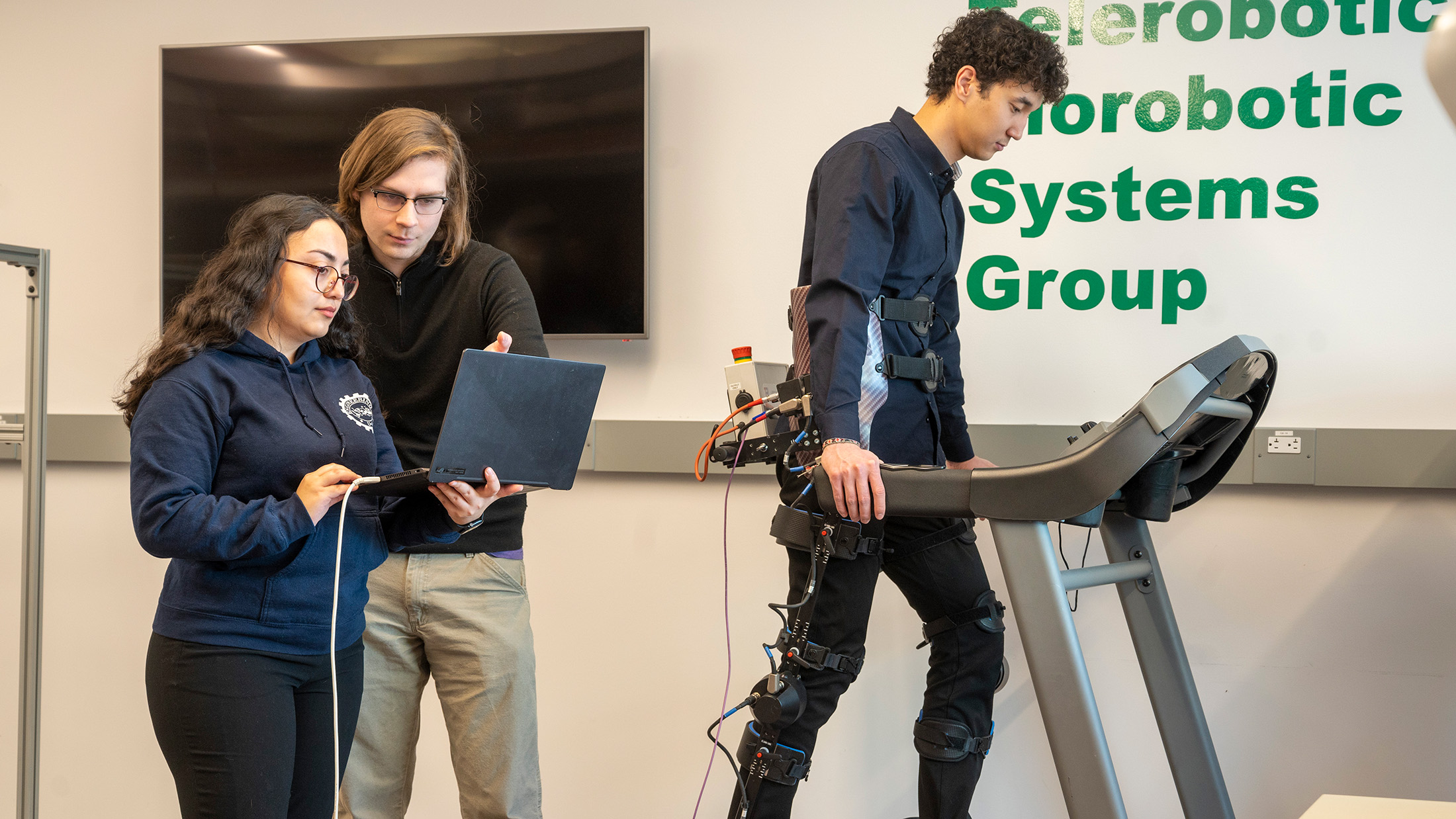
Biomedical Engineering
Biomedical engineering applies engineering principles to solve health-care challenges and design innovative medical devices, systems and processes. Research areas, including biomaterials, biomechanics, neuroengineering, and medical imaging, advance health-care technology and improve human well-being.
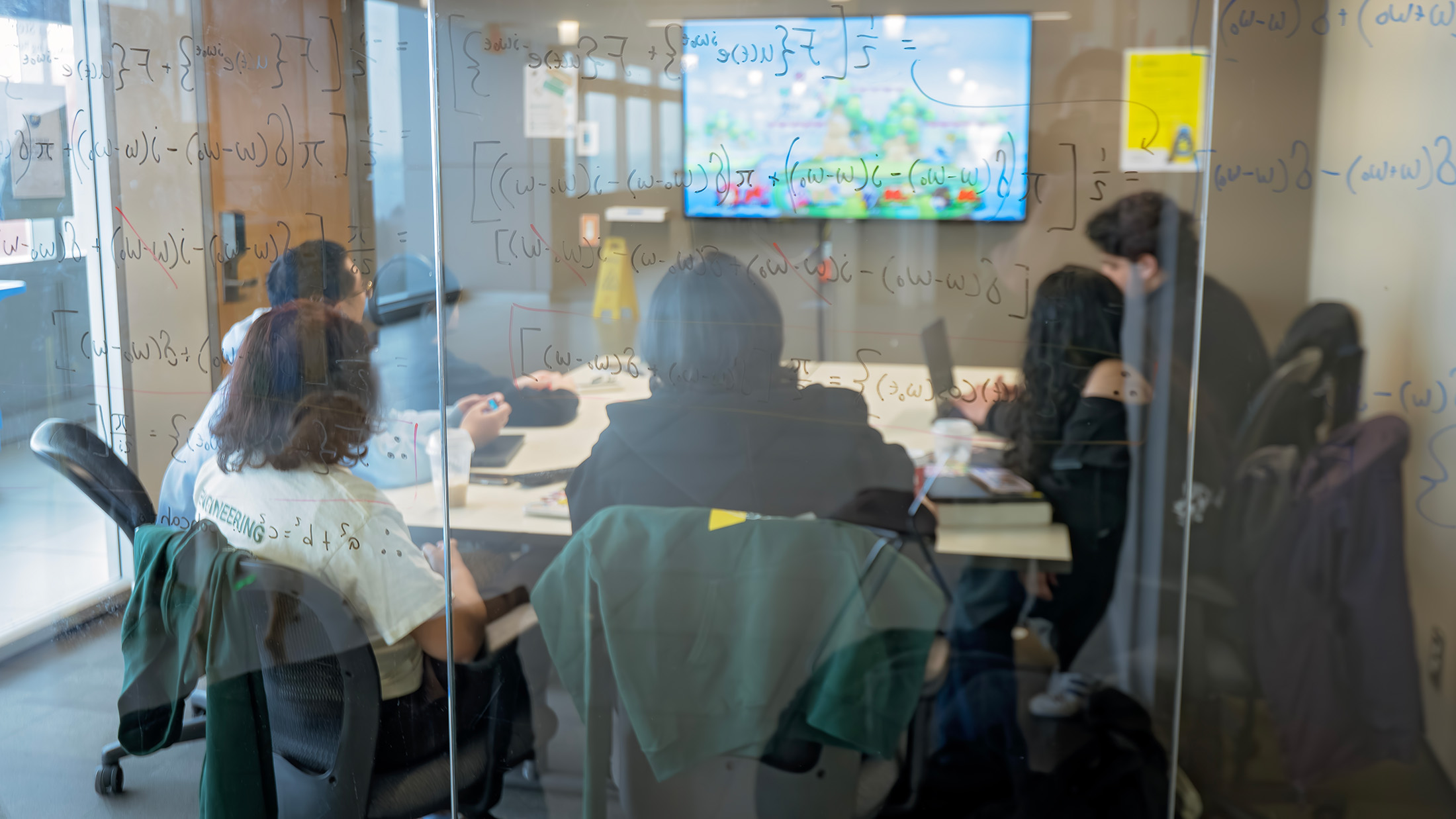
Communications
Communications engineering explores current research in wireless communications, information theory and network design, including topics like 5G/6G, optical fiber and signal processing.

Computer Engineering
Computer engineering focuses on designing, building and operating computer systems, ranging from microprocessors to large networks. Students gain expertise in areas like AI, cybersecurity, embedded systems and nanoscale design, preparing them for diverse roles in the evolving tech industry.
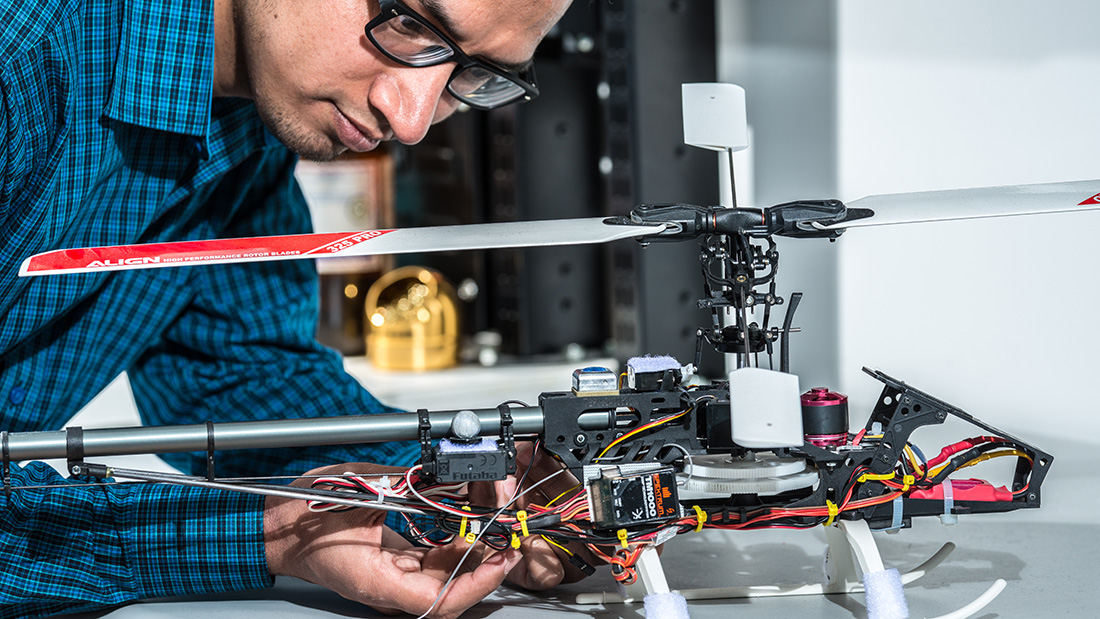
Control Systems
Control systems covers topics from microprocessors and digital systems to AI, cybersecurity and embedded systems. This specialization equips graduates with versatile skills to innovate and develop the computing technologies that drive various industries, bridging the gap between digital and physical systems.
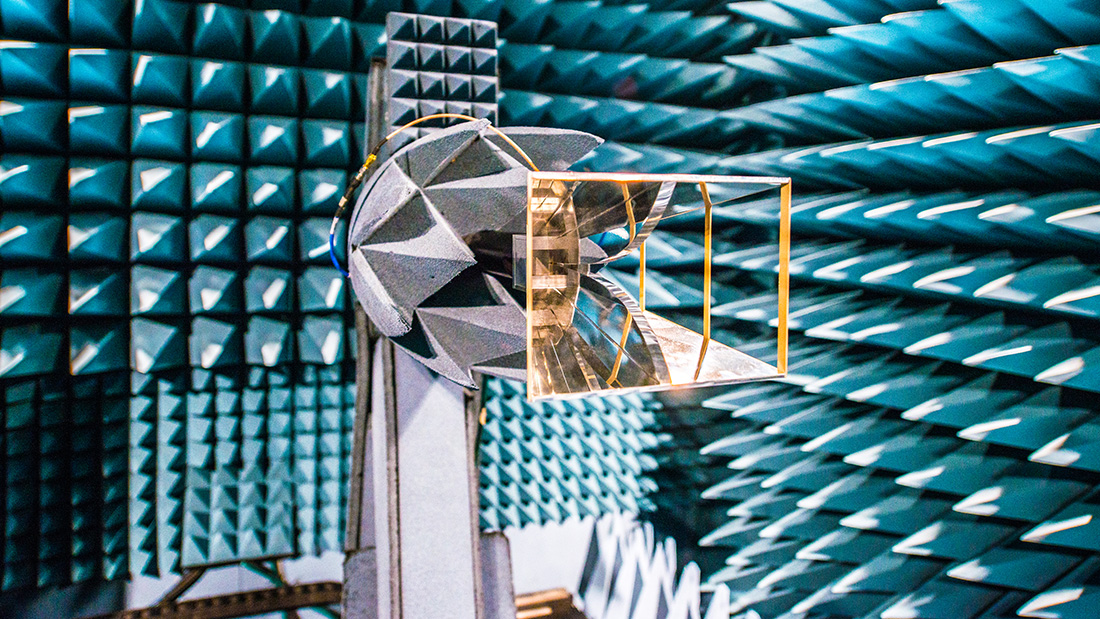
Electromagnetics and Microwaves
Electromagnetics and microwaves investigates the principles of electric and magnetic fields and their high-frequency applications. This includes comprehending wave propagation, designing advanced antennas, RF/microwave circuits and radar systems. Research spans from fundamental theory to technologies such as 5G/6G components, high-speed microelectronics and biomedical imaging, pushing innovation in wireless communication and sensing.
Energy Systems
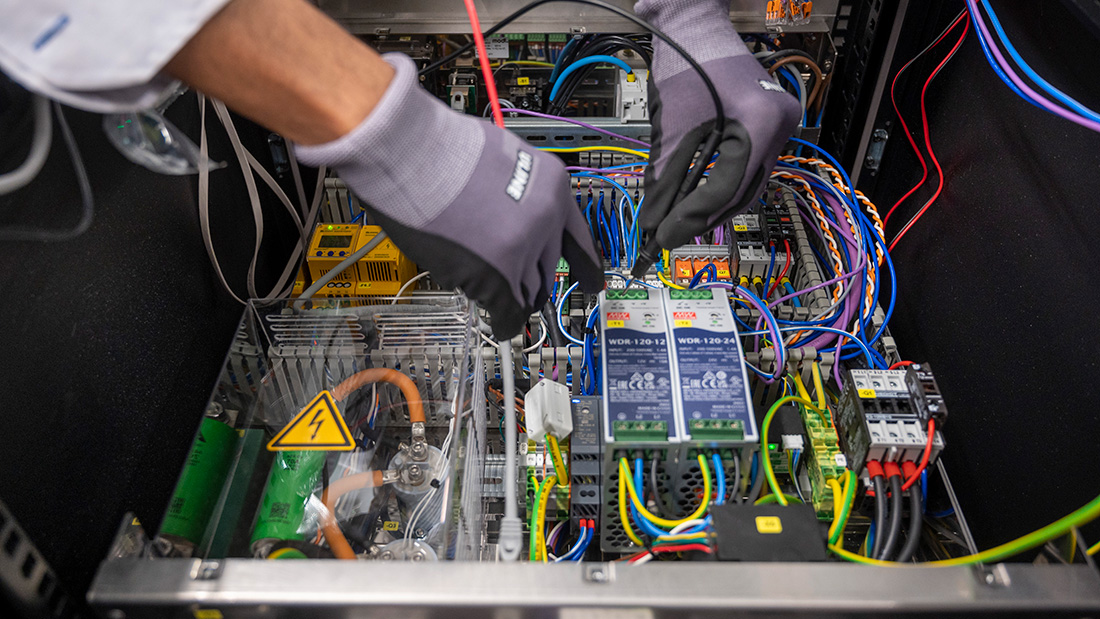
Energy systems focuses on the entire lifecycle of electrical energy, encompassing research into generation (including renewables like solar and wind), transmission, distribution (smart grids), storage (batteries, EVs) and efficient utilization. Our research prepares engineers to innovate in power electronics, intelligent grids and sustainable energy solutions for a rapidly evolving global energy landscape.
Integrated Circuits and Systems
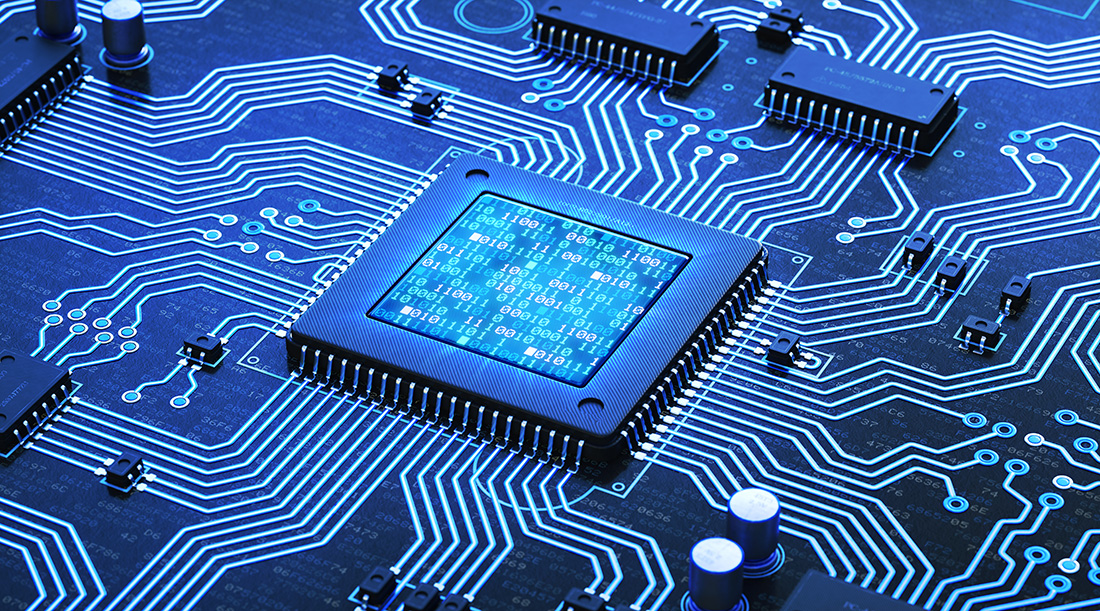
Integrated circuits and systems focuses on the design, analysis and testing of miniaturized electronic circuits fabricated on semiconductors. This includes digital, analog and mixed-signal integrated circuits, encompassing everything from microprocessors and memory to sensors and radio frequency components.
Microsystems and Nanodevices
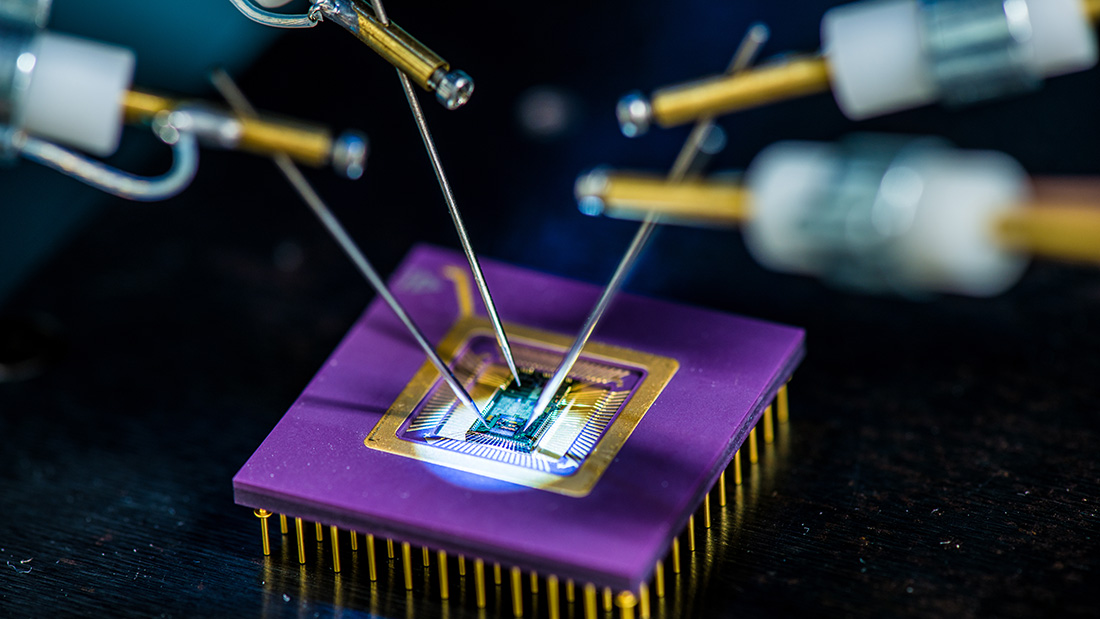
Microsystems and nanodevices explores engineering at the smallest scales. Students leverage breakthroughs in materials science, chemistry and physics to create novel on-chip functionalities and enhance device performance. Research spans nano and micro-electromechanical systems (NEMS/MEMS), lab-on-chip devices and advanced nanofabrication for applications in health, sensing and advanced electronics.
Photonics and Plasmas
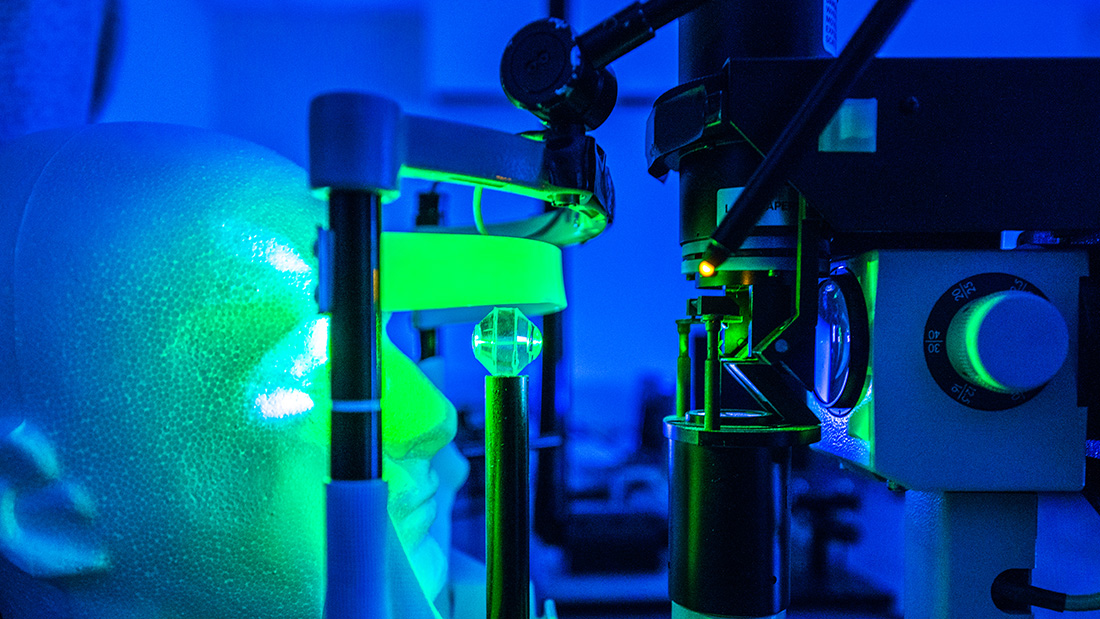
Photonics and plasmas investigates the interactions between light and matter. Our researchers control light both at the nanoscale for nanophotonics and plasmonics and on high-power lasers for applications like laser fusion and advanced manufacturing.
Signal and Image Processing
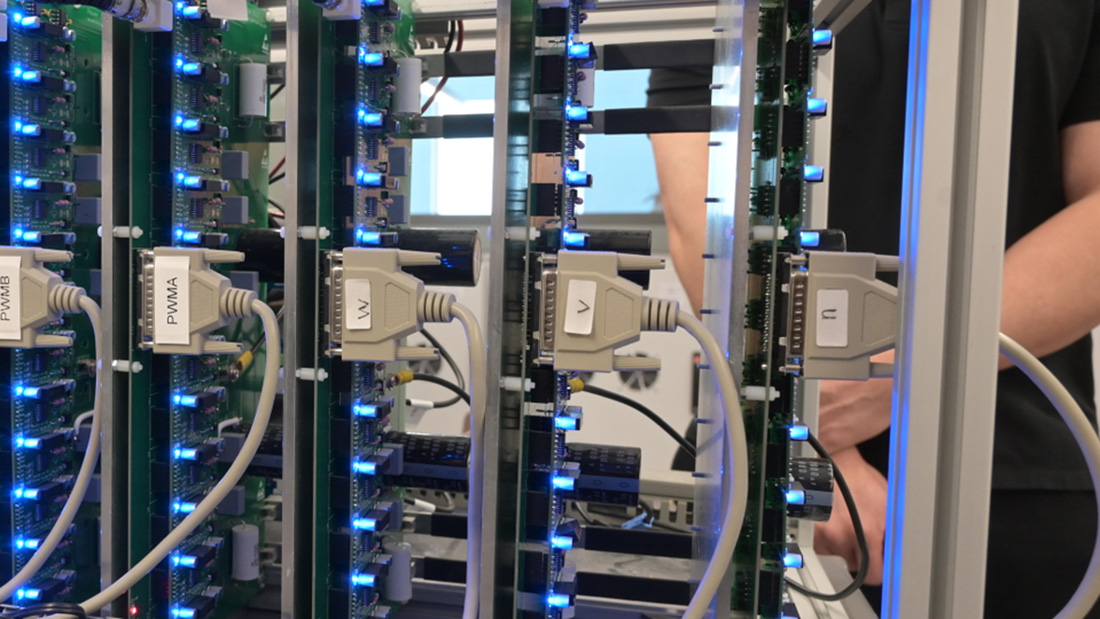
Signal and image processing focuses on techniques that process and analyze signals and images for enhancement, filtering, data compression and feature extraction. Our researchers tackle fundamental theoretical challenges while exploring diverse applications such as biomedical imaging, digital communications, multimedia processing, radar and sonar, multimedia security and forensics and seismic signal processing.

Software Engineering and Intelligent Systems
Software engineering and intelligent systems develop robust software alongside intelligent systems. It covers advanced topics in software design, verification, and validation, integrated with AI/ML, data mining and adaptive systems.
Solid-State Electronics
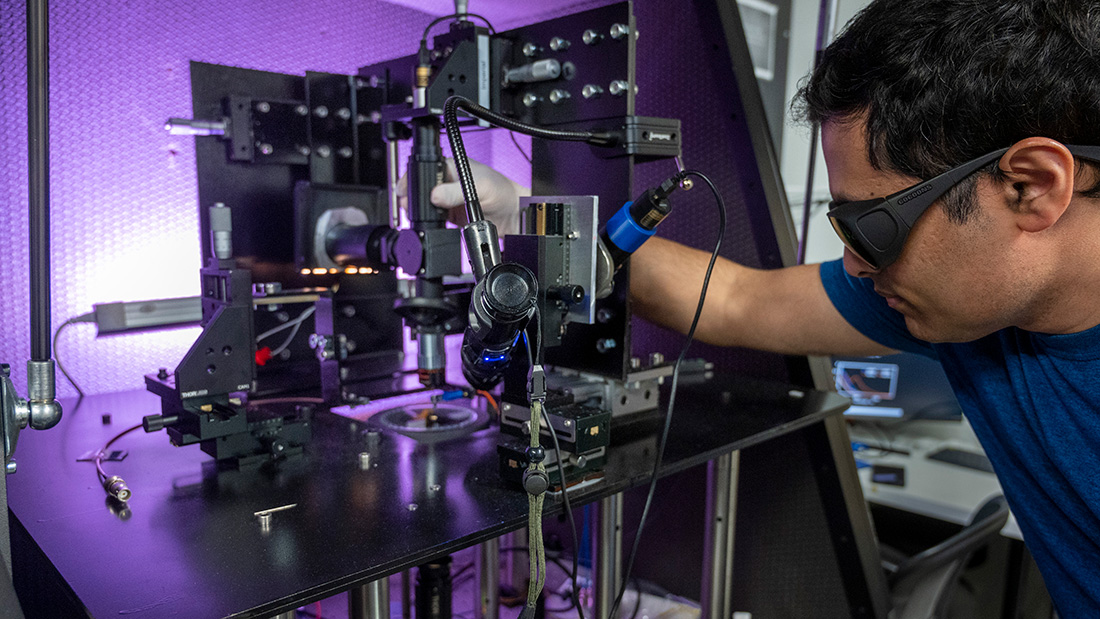
Solid-state electronics explores the world of nanoscale materials and devices. Research focuses on developing high-performance microelectronics by leveraging non-traditional materials and quantum effects. It encompasses investigating transport and optical phenomena in ultra-small devices, creating innovative transistors, memories and solar cells.

AI, Robotics and Machine Learning
AI, robotics and machine Learning focuses on developing intelligent autonomous systems. Our researchers innovate in areas like self-learning robotics, AI-driven decision-making, human-robot interaction and smart networks, pushing the boundaries of intelligent system development.

Connect with us
Connect with student advising for personalized support, or stay in touch to receive updates and resources throughout your studies.