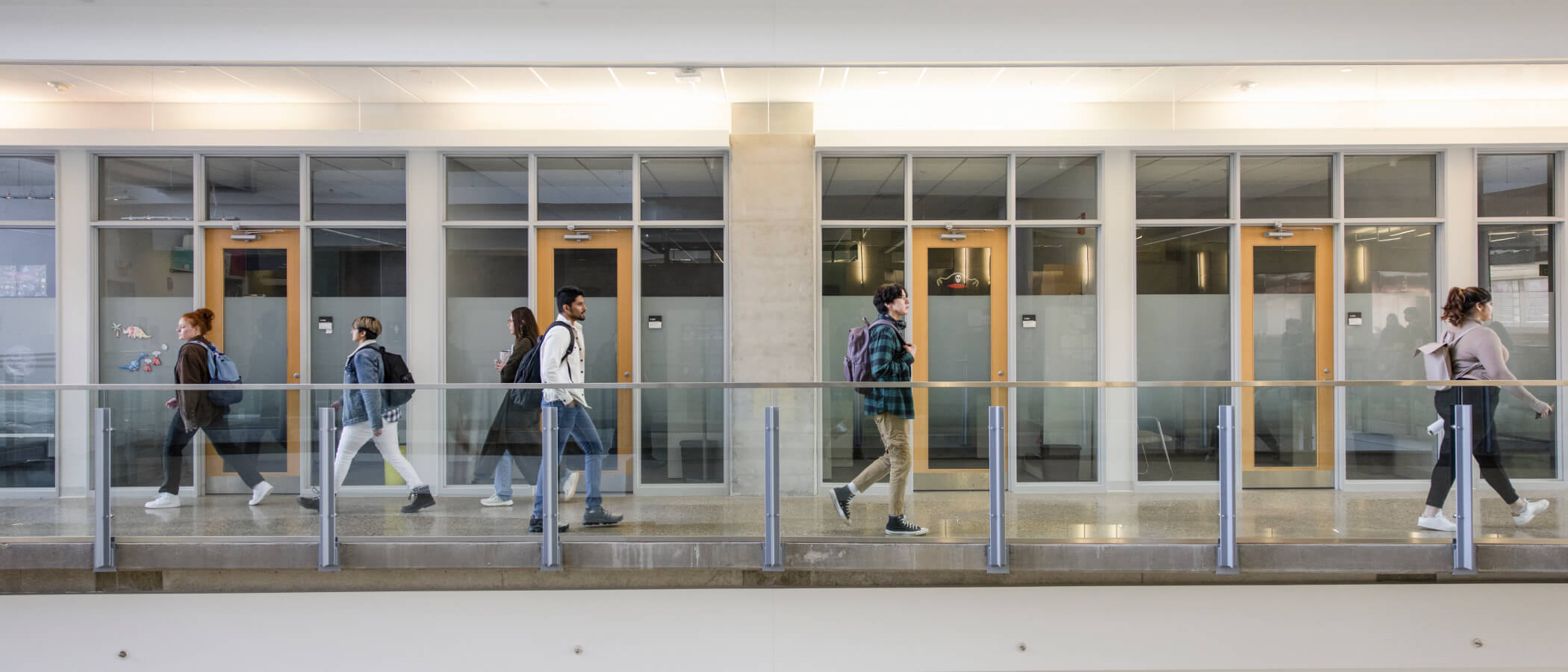
Experiential Learning in the Faculty of Science
Education, Experience, Employment
U of A graduates are ranked in the top 5 in Canada and top 100 globally for employability after graduation. The Faculty of Science is a diverse and inclusive community, and your studies here are designed to support you no matter what field of study calls to you. Experiential learning opportunities — applying your knowledge to real-life situations — are a pillar of that success, helping our graduates get jobs.
The Faculty of Science offers a variety of experiential learning programs to students, giving you the opportunity to gain hands-on experience as part of your program. Whether gaining paid industry or research experience, studying abroad or participating in field school programs, incorporating experiential learning into your studies can offer you a competitive edge – for wherever your degree takes you.
Rankings
#1 in Canada for AI
#1 in Canada for Earth Sciences
#1 in Canada for Biological Sciences
#4 in Canada for Chemistry
Experience
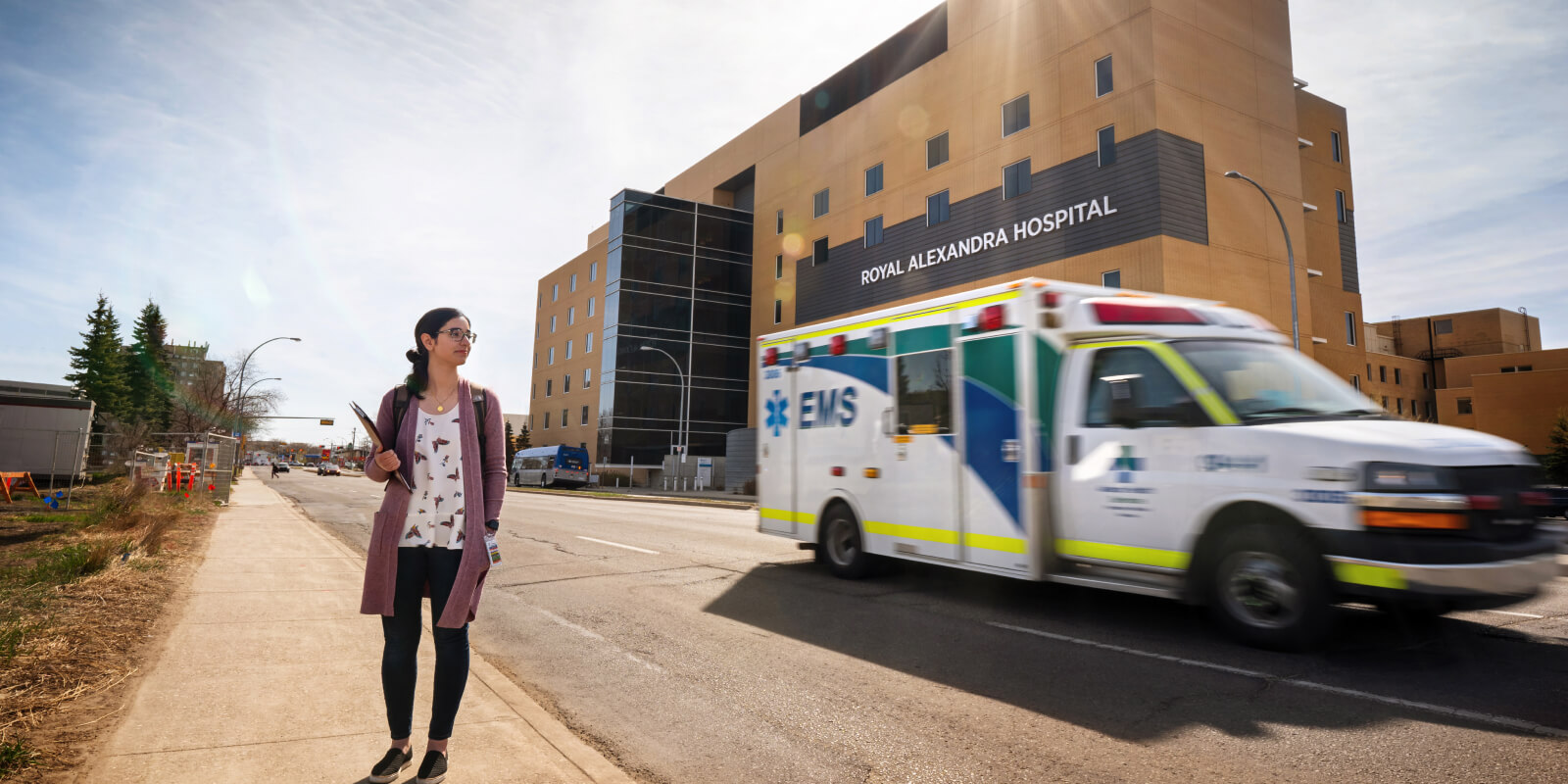
Internship Placements
Our Science Internship Program (SIP) allows students to gain relevant work experiences through 8, 12 or 16-month paid internships. The student internship opportunities are both full time and paid work experience with companies based in Canada. The successful completion of this program leads to a Science Internship Program designation, which appears on each student’s academic transcript and degree parchment.
With more than 100 students enrolled in the SIP program and hundreds of job postings each term, there are many opportunities for students to select from to find the best fit for where you want your experience to take your career.
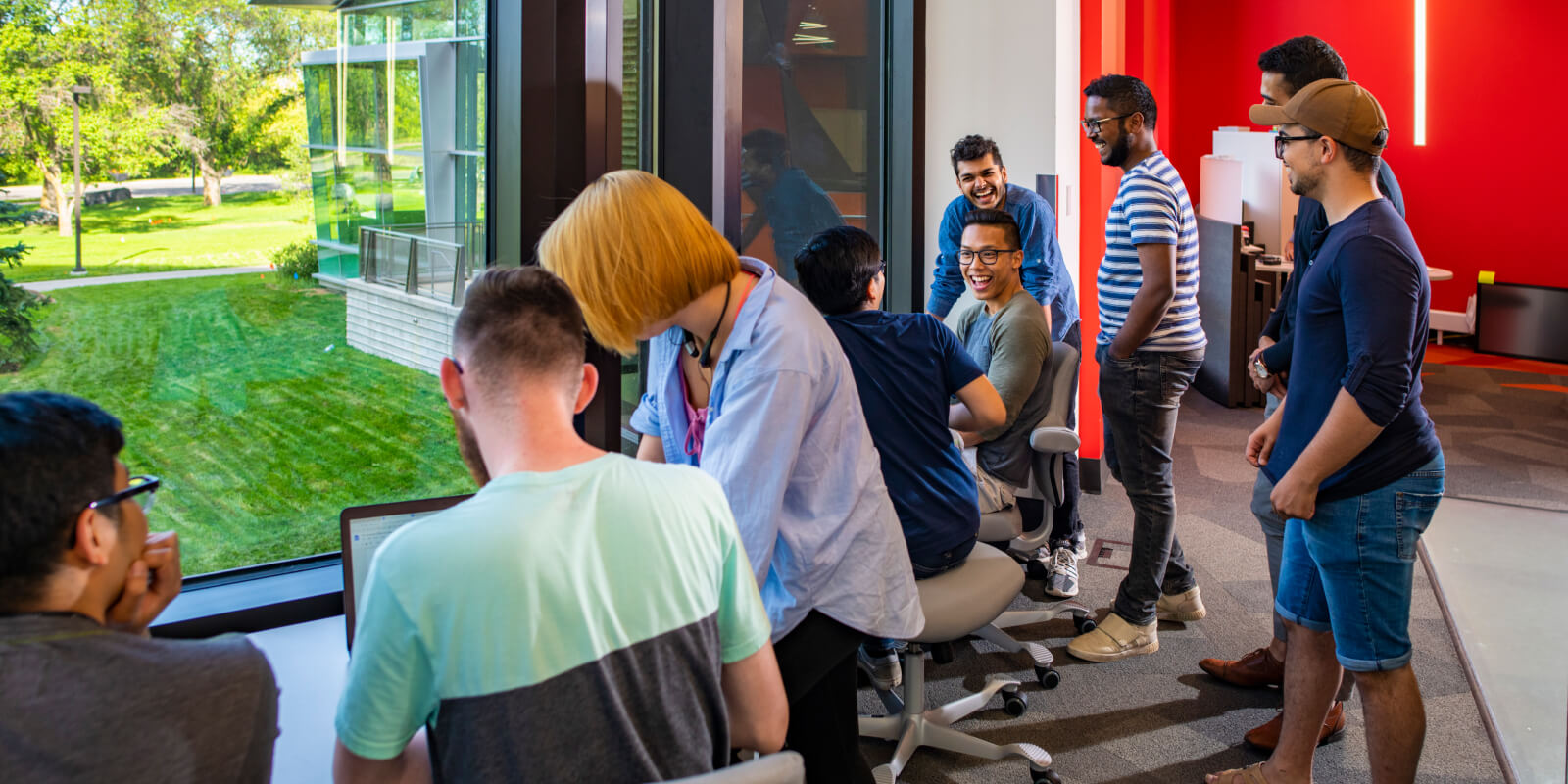
Student Innovation Centre
The Student Innovation Centre serves as a basecamp for students to explore their idea's transition into reality. This is a space for extracurricular science and technology-based competitions, maker projects and undergraduate student-led ventures at every stage – from design evaluation to planning for entrepreneurship.
Activities historically offered include hackathons, special projects and challenges, workshops on networking, pitching solutions and idea generation.
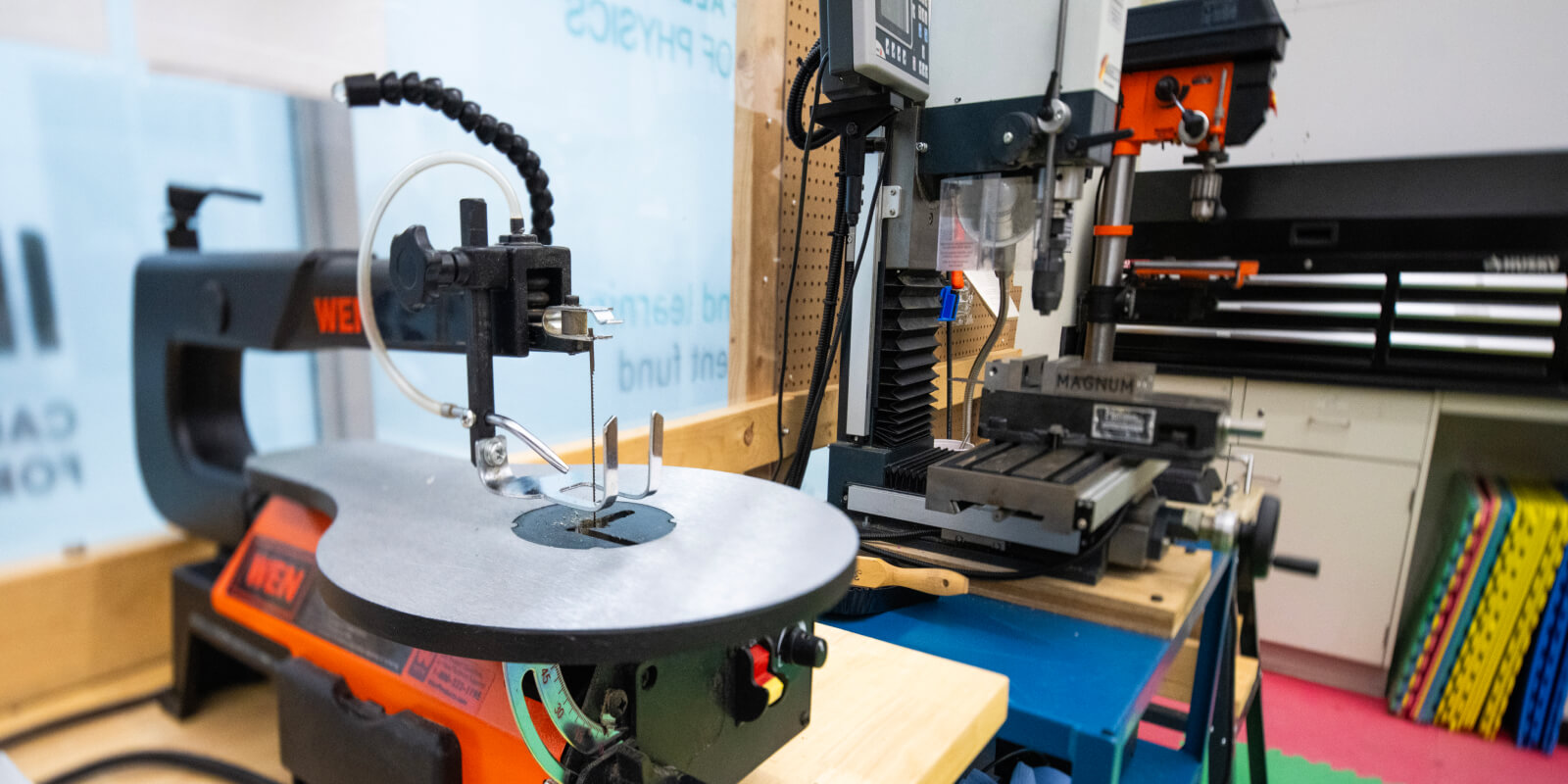
The SHACK
The Science Hardware Makerspace (SHACK) is makerspace at the University of Alberta where students, staff and faculty can bring their ideas to life. Equipment including 3D printers, a laser cutter, electronics and more are available for use, offering advice on everything "maker.”
Science Experiential Skills Advantage (SESA)
Designed to break down barriers, SESA offers inclusive, flexible opportunities to explore your passions, gain competitive wages and build professional experience — all without GPA restrictions. With mentorship from the faculty and diverse project options, SESA ensures you’re equipped with the skills and confidence to thrive in startups, industry, education and beyond. Join us in shaping the future of STEM. Read the program guide (PDF).

Study Abroad
The Go Abroad website is your one stop shop for everything related to study abroad. With over 250 programs, from internships and exchanges to summer programs, opportunities are available year-round.
Department + Program Opportunities
The Faculty of Science is home to seven departments, many of which are among the top-ranked in Canada for their fields. We are home to Canada’s first Department of Computing Science, and have more than a century of expertise in fields like paleontology and earth sciences. From field schools to labs and hands-on projects in courses, learn how each of our departments offer opportunities to combine scientific fundamentals with applied and work-integrated learning.
Biological Sciences
Ranked number 1 in Canada, this program studies the environment, climate change and its effects on life and biodiversity. This includes plants, animals, microorganisms and ecosystems, genetics, health, cellular structures, past life forms and evolution.
Approximately half of our biology-related courses contain a laboratory component for valuable, hands-on work. Enhance your learning by visiting our various teaching museums with millions of specimens ranging from mammals and reptiles to dried plants and insects.
Computing Science
Ranked number 3 in Canada, our computing science expertise includes AI and robotics, multimedia and computer games, software and database systems, machine learning and bioinformatics — and everything in between.
Take part in capstone project courses to get experience working in teams with clients or industrial partners in the community on realistic problems. Alternatively, get paid as you complete an internship via the Science Internship Program — where computing science students make up the largest population in the program.
Chemistry
Chemistry is connected to nearly all scientific disciplines, making it a highly practical degree to form the core of your studies or branch into other fields. Ranked number 4 in Canada, our chemistry programs are home to state-of-the-art facilities and focus on significant time in the lab perfecting techniques and experimentation to optimize training.
There are many hands-on learning or undergraduate research opportunities where you can develop the skills to succeed in industry.
Earth and Atmospheric Sciences
Ranked number 1 in Canada, our programs examine the Earth, its structure and evolution, and the atmosphere above us. Experiential learning is enhanced by diverse specimens in labs and museum collections, and our students have access to the most coveted field locations in the world.
The department offers field schools in all of its programs, giving students the chance to put your learning into practice as you travel the mountains and prairies of Alberta. Observe the structure of geologic formations, identify fossils and study glacial deposits as you explore first-hand the processes that have shaped the incredible natural environments across Canada.
Mathematical and Statistical Sciences
Consistently ranked in the top 5 in Canada, our program provides fundamental tools for analyzing and addressing some of today’s most pressing issues, like climate change, epidemiology and economic forecasting.
As our society has become increasingly data-driven, the skills needed to analyze large volumes of information for statistical trends and to de-bias datasets have become more and more valuable. With research and internship opportunities in everything from AI development to the financial sector to understanding census data, you’ll have the chance to use your skills in a variety of fields.
Physics
Students in the Department of Physics build a strong background in modern physics, mechanics, thermodynamics, electromagnetism, relativity, quantum mechanics, statistical physics and laboratory work. Whether diving into study of particle physics, with applications in fields like quantum computing, or studying astrophysics to better understand our wider universe, there are many ways to apply your learning.
Some of the most celebrated student groups at the University of Alberta have been driven by physics students, including AlbertaSat — a student group that designed and launched the first made-in-Alberta satellite, whose alumni have often gone on to work in the aerospace and satellite industries.
Psychology
The Department of Psychology offers students comprehensive opportunities to study two different aspects of the field, exploring both how the brain functions as well as how we perceive, learn and forget things. Students study perception and motivation, behaviour and cognitive development with emphasis on the physical, biological and mathematical sciences.
The department offers several experiential learning opportunities for students to engage in applied educational experiences. These varied applied opportunities for students include course-based integrated learning opportunities, course-based community service learning, professional skill development, research opportunities and apprenticeships
Physical and Medical Sciences
In collaboration with the Faculty of Medicine & Dentistry, we offer a number of outstanding programs in health. Topics include biochemistry, cell biology, immunology and infection, neuroscience, pharmacology and physiology.
Applied learning and practicum programs are a pillar of training in the medical field — but students also have other ways to get experiential learning opportunities in these fields, including internships via our Science Internship Program, where students have worked with regional health authorities.
The Undergraduate Research Initiative
The Undergraduate Research Initiative (URI) encourages undergraduate students to actively engage in research and helps students find research opportunities.
science career centre
The Faculty of Science and U of A Career Centre partner to operate the science career centre in CCIS, offering science and technology specific career resources, services and events.
Stop by to ask any questions you may have regarding internship opportunities, applying for jobs, creating a stand-out resume or acing an interview.
Location: 1-031 CCIS
Hours: 9 a.m. - 4 p.m. Monday to Friday
Contact: sciiip@ualberta.ca
Student Groups
The Faculty of Science is home to many accomplished student groups that give you the chance to take part in hands-on learning in a like-minded community of peers. No matter the subject you’re studying, student groups can be a great way to take your learning out of the classroom — and make new connections while you do so.
AlbertaSat
This student group designed and launched the first made-in-Alberta satellite, Ex-Alta 1, to study space weather. The team has now designed three satellites in total, launched two, and seen alumni from this group go on to found their own aerospace company, Wyvern.
Ada’s Team
The Ada’s Team student group aims to promote diversity and inclusivity within technology, empowering women, LGBTQ+, people with disabilities, and other historically underrepresented minorities in tech-related fields. From supporting students as they attend conferences to a robust team of career and technical mentors, there are plenty of opportunities to get involved.
iGEM
The International Genetically Engineered Machine competition is held annually in Paris, where a team of U of A undergraduate students came up with an innovative solution to spin fast fashion waste into synthetic spider silk — and won a gold medal in the process. The team used genetically modified E. coli bacteria to break down waste fabric such as wool and mixed textiles into amino acids and sugars, which were then used as feedstock to make spider silk.