Steering Committee
The SILR Steering Committee is responsible for ensuring the project is on track as per project design, financial allocations are being made and spent to schedule, project learnings and changes from initial assumptions are reported and tracked, identified challenges have been addressed, and plans for the next key steps.
Members
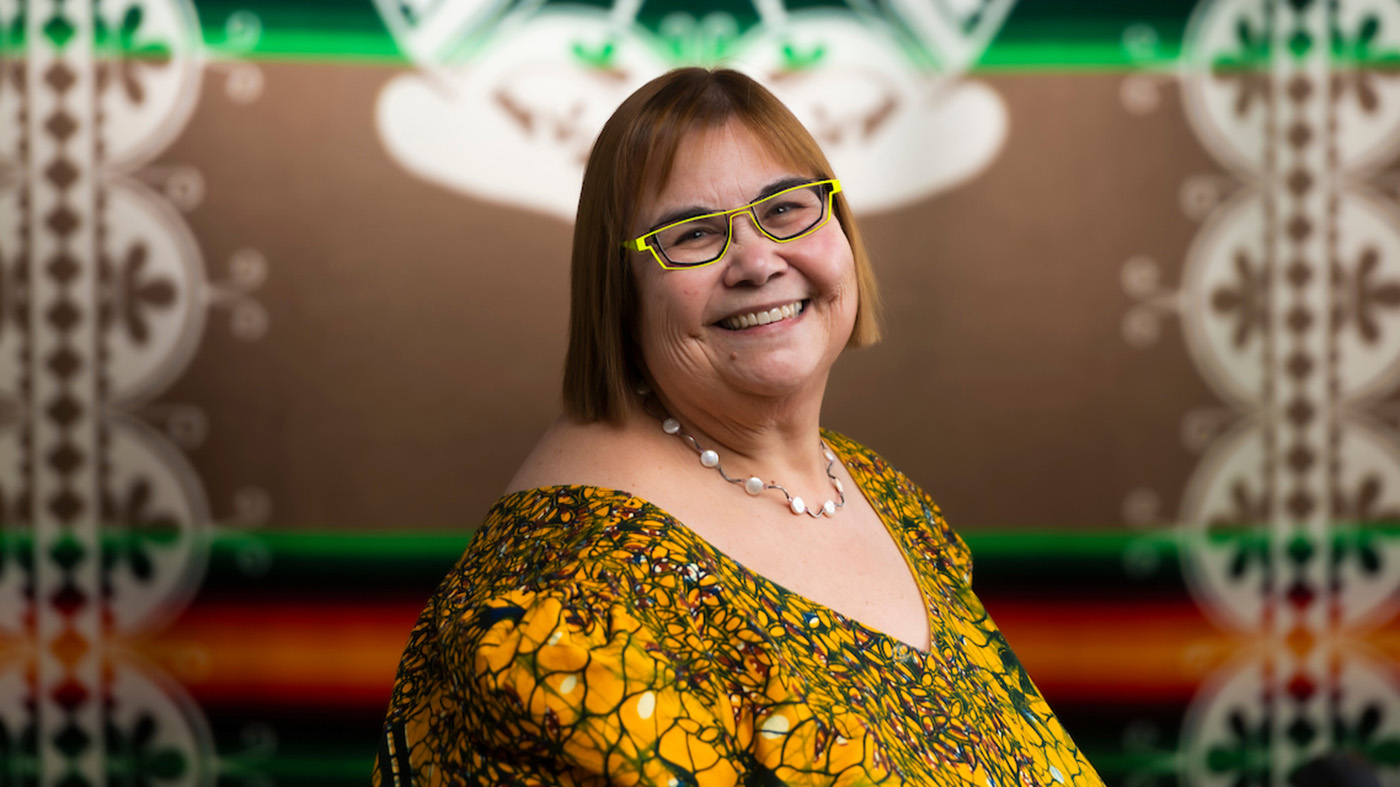
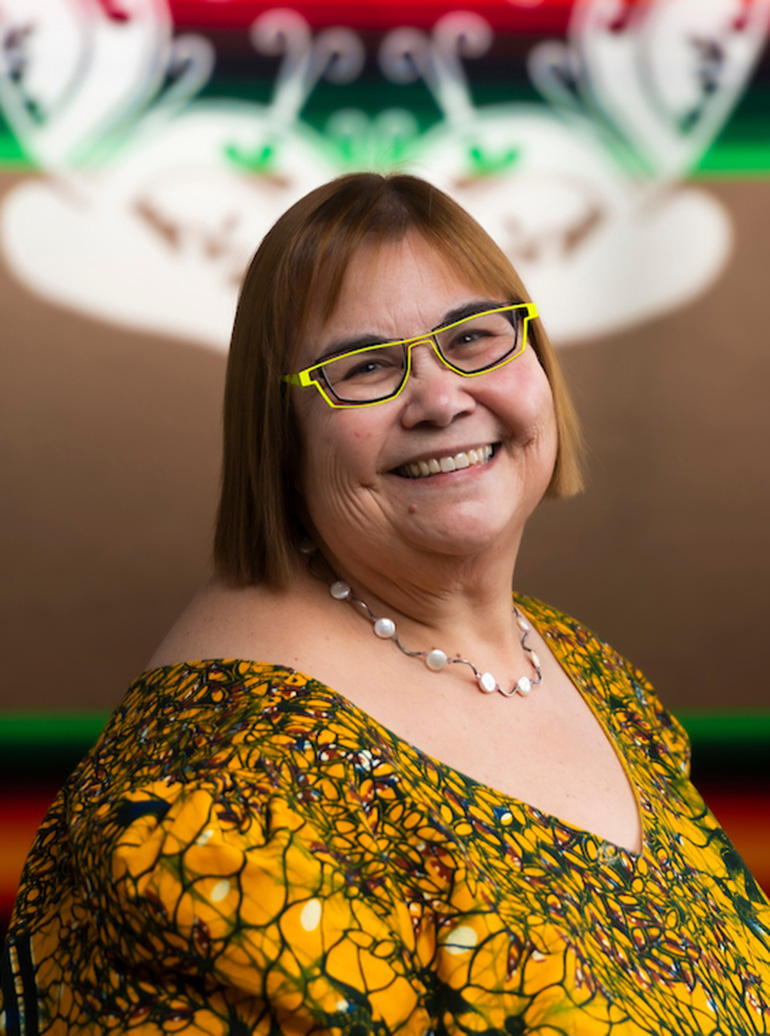
Dr. Florence Glanfield
Dr. Glanfield is Vice-Provost (Indigenous Programming and Research) and a Professor of Mathematics Education in the Department of Secondary Education. She is an Affiliated Faculty member with the Centre for Research for Teacher Education and Development at the University of Alberta. She earned her Ph.D. in 2003, studying mathematics teacher understanding as an emergent phenomenon. Dr. Glanfield worked at the University of Saskatchewan, College of Education (1999 – 2007) and began her tenure at the University of Alberta in July 2007. Dr Glanfield is a Métis Nation of Alberta citizen, born and raised in Northeastern Alberta. Dr Glanfield’s research interests explore the experiences that individuals (teachers and learners), as well as collectives of learners/communities, have with mathematics and learning mathematics. Dr Glanfield collaborates with colleagues and has conducted research projects with Canadian Indigenous communities, urban Aboriginal youth, elementary & secondary mathematics teachers, and teachers and teacher educators in Tanzania and Rwanda.
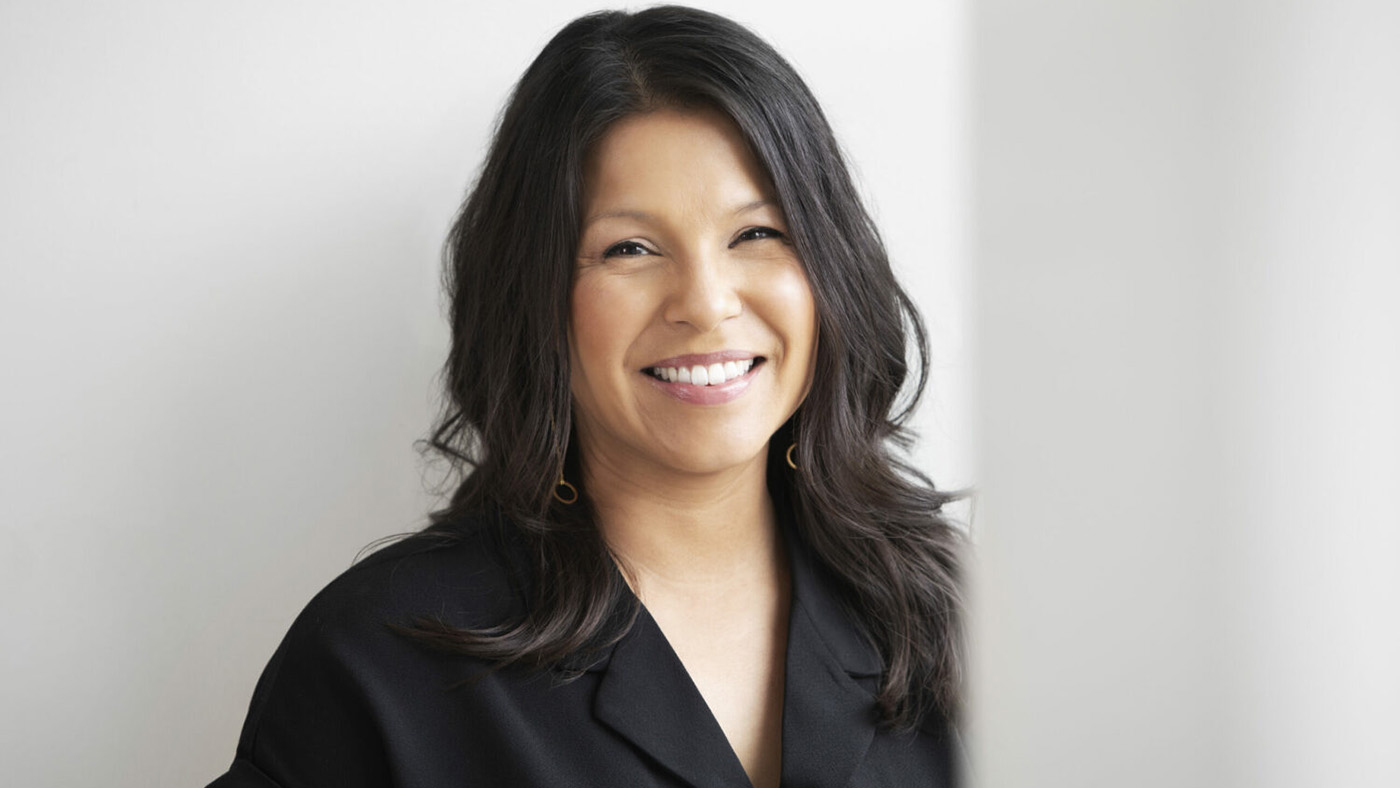
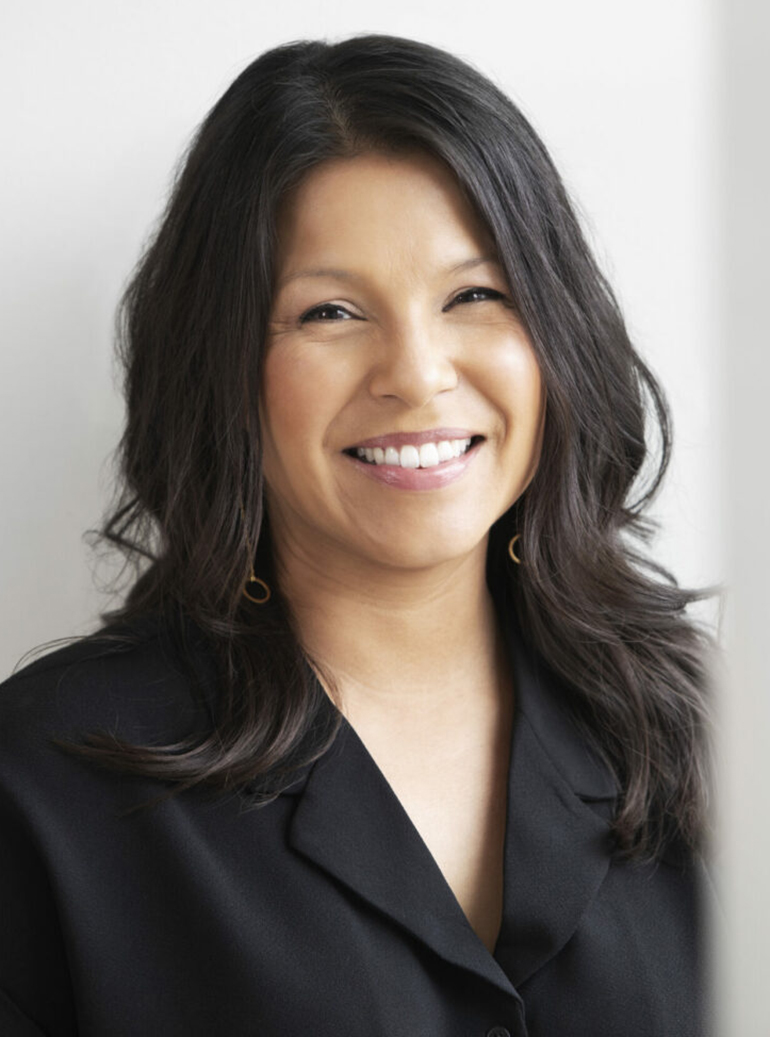
Pamela McCoy Jones
Chair
Pamela is Anishinaabe from Wawa, Ontario, with family in Michipicoten First Nation (on her mother’s side) and Batchewana First Nation (on her father’s side). She is a mother of four and lives in Stony Plain on Treaty Six territory. Pamela has over 15 years of experience in policy and strategic planning, specializing in Indigenous education. Pamela is passionate about Indigenous language sovereignty and the implementation of the Supporting Indigenous Languages Revitalization initiative. Pamela is also the chair of the Steering Committee.
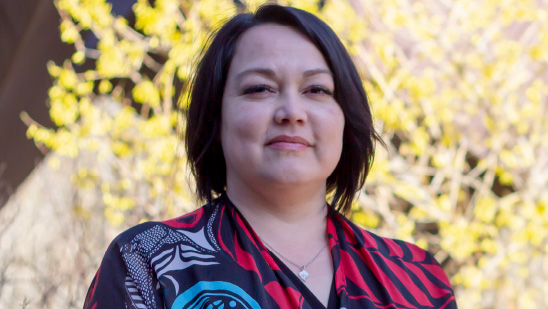
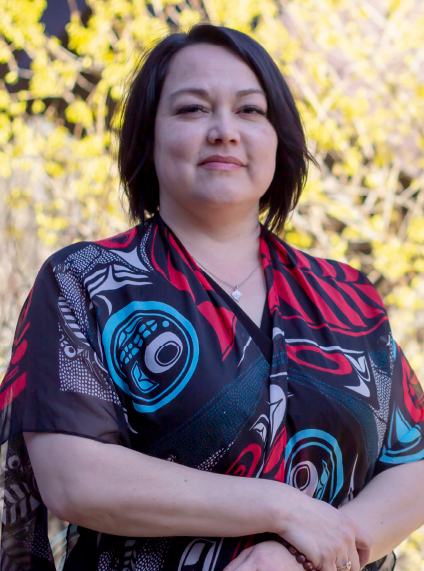
Dr. Trudy Cardinal
Dr. Trudy Cardinal is a Cree/Métis educator from Northern Alberta. As a former Elementary School teacher of 13 years, a mother, a grandmother, an aunty, and an Indigenous scholar, she is dedicated to deepening understanding of the educational experiences of First Nations, Metis & Inuit children, youth and families. Her current research is an inquiry into former teacher education students’ thinking regarding the possibilities relational pedagogies and Indigenous ways of being and knowing create for shifting how schooling attends to literacy, particularly literacy in an Indigenous context.

Dr. Jordan Lachler
Jordan Lachler is the Director of the Canadian Indigenous Languages and Literacy Development Institute (CILLDI). He brings considerable experience from many years of close collaborative work with various Indigenous language communities, including Haida and Nakota. He is actively developing partnerships with Cree and other communities. Dr. Lachler leads overall project planning and management of CILLDI and fosters an inclusive research and teaching environment where community involvement and feedback are ensured.
Dr. Scott Key
Dr. Scott Key is the Director of Professional Learning at the University of Alberta. He is a distinguished Higher Education Administrator with a comprehensive background in managing online and traditional face-to-face educational programs. With his expertise in Program Development, Dr. Key excels in cultivating and maintaining productive Staff Relations. His proficiency in Strategic Leadership is evident in his approach to Financial Management and Stakeholder Engagement, ensuring sustainable growth and effective resource allocation. As a seasoned professional, Dr. Key holds a Ph.D. in Public Policy Analysis from the University of Illinois at Chicago, reflecting his deep commitment to academic excellence and policy research. His leadership style is characterized by a collaborative approach, integrating diverse perspectives to foster an inclusive and dynamic educational environment. Dr. Key’s contributions to higher education are marked by his innovative strategies and dedication to enhancing the quality of learning experiences for students and educators alike.
Shana Dion
Shana Dion is nehiyaw iskwew (Cree woman) from Kehewin Cree Nation. Shana is an alumnus of the University of Alberta, graduating with a Bachelor of Native Studies degree and completed the Indigenous Sport and Recreation Post-Baccalaureate Certificate in 2019. Her career has always been centred on a place of service, particularly mental health and wellness in First Nations communities. Her responsibilities as the Assistant Dean of First Nation, Metis and Inuit students are deeply rooted in a holistic way of being balanced. Balance in all aspects of life is essential to our well-being, so her message is for you to GET ACTIVE in every aspect of being a student. We are still here for you, just in a different way.
Dr. Cindy Gaudet
Dr. Cindy Gaudet is a Métis Indigenous woman connected to generations of strong and beautiful Matriarchs from the South Saskatchewan region. She is an Assistant Professor at Campus Saint-Jean, University of Alberta, and holds a Canada Research Chair in Métis Relations & Land-Based Wellness. Her doctoral studies and grassroots community engagement with Indigenous Peoples have inspired her decolonial approach to research, well-being, and pedagogy. Dr. Gaudet works extensively with Métis women collectives (inclusive of Indigenous young women and students) to advance community-engaged scholarship, methodologies, and Michif place-based language resources.
Former Members
Dr. Heather Blair
Retired
As a co-founder of the Canadian Indigenous Languages and Literacy Development Institute (CILLDI) at the University of Alberta, Dr. Heather Blair has spearheaded research and development at this one-of-a-kind institute in Canada. She has been involved in extensive research and program and course development. Dr. Blair’s research focuses on the intersections of languages, literacy, culture, and gender. She has worked extensively in two main areas: (a) how both boys and girls take up literacy practices in and out of school and how this impacts the teaching of language arts, and (b) Indigenous language obsolescence and revitalization. Her work is grounded in socio-cultural theory and ethnographic research practices.