Alumni Profile - Conni Massing (’80 BA(Spec), ’83 MFA)
Matt Bowes - 20 January 2026
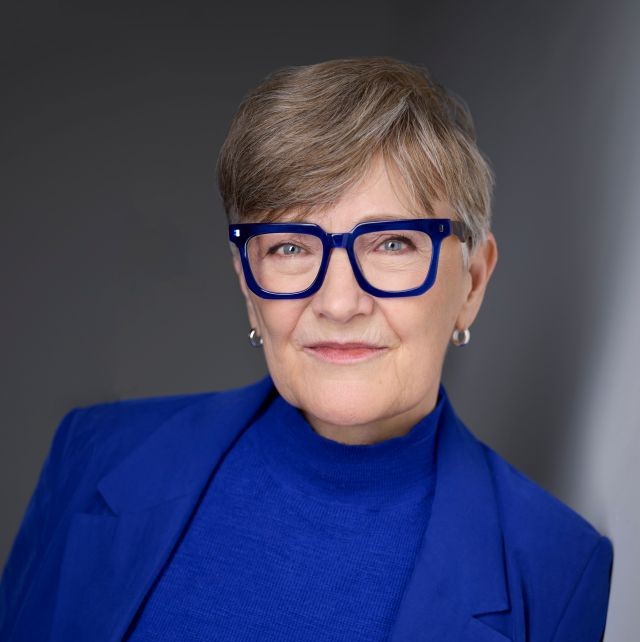
Winner of a 2025 Alumni Award, Conni Massing is an acclaimed playwright whose creative voice brings the spirit of prairie life to Canadian theatre. Born in rural Alberta, Massing weaves wit, emotional honesty and unforgettable characters into plays, screenplays, essays, short fiction, radio drama and memoir. Massing is a well-regarded mentor and educator, guiding emerging writers at the University of Alberta, YouthWrite, Broad View International Film Festival, and through residencies across Alberta and beyond. She is a founding member of the Alberta Playwrights' Network, a champion of underrepresented voices in theatre and film, and a key contributor to The Shoe Project, helping immigrant and refugee women to share their stories. Her award-winning work and community spirit have earned her a Queen’s Jubilee Medal and the hearts of many Canadians.
Please tell us about yourself, and what you studied at the University of Alberta.
I grew up in a small prairie town, left home at 17 to go to Red Deer College for a year, then transferred to the University of Alberta with a passionate (but somewhat amorphous) ambition to work in the theatre. My undergraduate arts degree was a bit of a grab bag. While the theatre courses were a priority, I was also experimenting with courses in the humanities (philosophy, political science, psychology). But once I took a playwriting course in my fourth year, I knew I’d landed on something special. At that time the department offered an MFA in Playwriting; my classmate Michael McKinlay and I were accepted into the program in 1980. Looking back, I’m amazed at (and grateful for) the resources lavished on us during those two years. I had two in-house productions of my work as well as a professional workshop of my thesis play. What a wonderful opportunity to experiment, take creative risks, and to “fail again, fail better” as Samuel Beckett famously said. The program also marked the beginning of the long process of trying to develop a unique voice as a writer.
After several years working exclusively as a playwright, I branched out into television, film, radio, short fiction, and creative non-fiction. I also discovered the joys of teaching, script consulting, and mentorship, a primary focus to this day.
What do you remember most about your time at U of A? Did you have any favourite events or customs on campus?
Looking back, I seem to have spent quite a lot of time in bars! (Fridays, in Hub Mall, and the grad student pub in the Power Plant.) It makes a certain amount of sense, given that developing friendships was one of my favourite aspects of university life. Many of my other treasured memories are connected to attending or participating in drama department productions, followed by hours of ferocious debate about the work. We were developing a critical eye; we were also caught up in the excitement of our own creative choices, and dreaming of the impact we hoped to have on the theatre world.
How did your Arts education shape who you are -- not just what you do?
I love collaborating with other artists and I think that particular pleasure was discovered and nurtured during my time at U of A. Joining forces with my fellow students--directors, actors, dramaturgs, designers, playwrights--on creative projects was thrilling, even when the final product wasn’t entirely successful. It also led to friendships which have lasted a lifetime.
Is there a particular building you liked the best at the University? What’s your favourite part of campus?
I loved the lore around the Biological Sciences Building – hallways that lead nowhere, mysterious closets, and students lost looking for a psychology class who were never seen again.
I will say that I’ve always loathed the brutalist architecture of the Fine Arts Building, where I spent many, many hours not staring out a window as there were so few of them.
Who was your favourite instructor?
James Defelice, a brilliant and generous teacher, writer, actor, and director, who mentored me and hundreds of other theatre professionals across the country.
Which class would you take again if you had the chance?
The distinguished writer and academic Henry Kreisel taught a course called 20th Century Movements in Art. We examined the music, theatre, film, writing, and visual art of various periods of history, placed in the context of social, technological and political change. I was in awe of Professor Kreisel’s old world sophistication and never tired of hearing stories of his childhood in Vienna. And the course content blew my mind.
If you could go back in time and get another degree at the University, what would you study?
History.
What opportunities did your education open up for you? Was there any special training or opportunities granted to you by attendance at U of A?
Having a graduate degree enabled me to teach at a post-secondary level, which I loved. Being forced to articulate my beliefs about the craft of playwriting for students really informed my own process and practice.
Did your current job actually exist when you were a student at U of A?
Yes. Theatre has been around for thousand of years and the first female playwright on record, Hrotswitha of Gandersheim, lived and worked in the 10th century. It’s great to be part of such a long tradition!
How do you hope your work/contributions will make life better for others?
I really do believe that creating and sharing stories can change the world. I am also convinced that telling your own story, in some form, can lead to resilience, hope, and crucial change. While of course I hope that my own writing affects audiences in some way, I’m also interested in helping other writers develop their voice.