2026 SSHRC-Funded Researchers: Insight
Matt Bowes - 15 July 2026
The Faculty of Arts celebrates its researchers who have received SSHRC grants in the Insight stream for 2026.
Insight Grant (IG)
Insight Grants support research excellence in the social sciences and humanities. Funding is available to both emerging scholars and established scholars for research initiatives of two to five years.
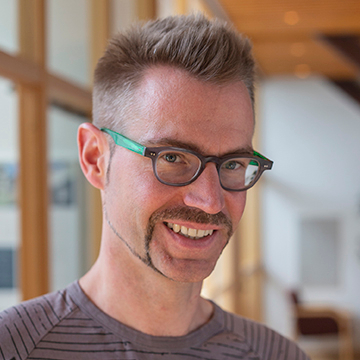
"Conceptual engineering for social justice and environmental purposes"
Ingo Brigandt (Philosophy)
Within the last decade, the innovative perspective of conceptual engineering has gained increasing and widespread recognition, uniting work across very different areas of philosophy. Conceptual engineering is to discard defective or harmful concepts, to revise problematic concepts, or to introduce better concepts. This project will not only generate general insights about the nature and practice of conceptual engineering, but also make important contributions by conducting concrete cases of concept engineering for social justice and environmental purposes.
We will conduct concept engineering in several concrete cases, regarding the concepts of gender, of race, and of a person’s sex (including its connection to gender). While all involve social justice and intersectionality considerations, the case on sex is underexplored in the conceptual engineering literature. Regarding environmental concerns, the novel cases we will investigate are which concept (and terminology) of climate change to use, as well as which concept of ecosystem resilience and of the resilience of human communities is most appropriate, where the latter case combines environmental and social justice issues.
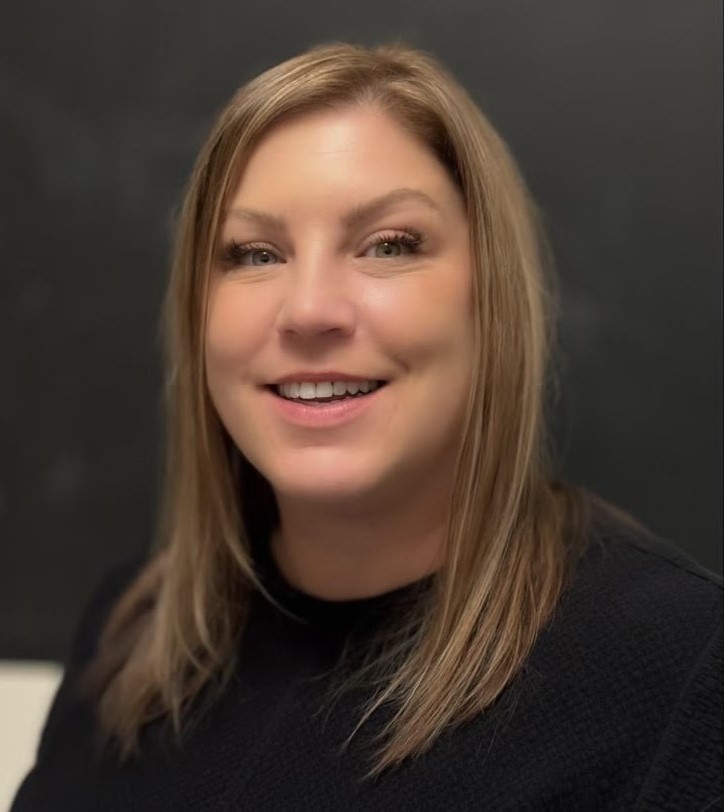
"Early herding in arid landscapes: Human-environment interaction and lessons for climate resilience in southern Africa and beyond"
Courtneay Hopper (Anthropology)
Our project explores how ancient, small-scale livestock herders responded and adapted to environmental change, migration, and socioeconomic shifts while thriving in an unpredictable environment. By uncovering how these early communities adapted to an unpredictable landscape, our research aims to find traditional, time-tested solutions that can support modern herders facing today’s accelerating climate crisis.
This funding supports excavations and analyses at two newly discovered archaeological sites located along key riverine routes in northwestern South Africa. One is a rare inland rock shelter and the other is a large riverside open-air campsite, both offering an exceptional, highly preserved look at how early herders migrated, interacted, and managed the risks of keeping livestock in an unpredictable semi-desert.
Our international team will combine traditional excavations with high-tech biomolecular techniques to analyze microscopic clues from ancient animal teeth and bones, as well as analyze the proteins and fats preserved in ancient pottery to map out how these herding communities practiced climate-resilient landscape use in order to thrive in an unpredictable landscape for millennia.
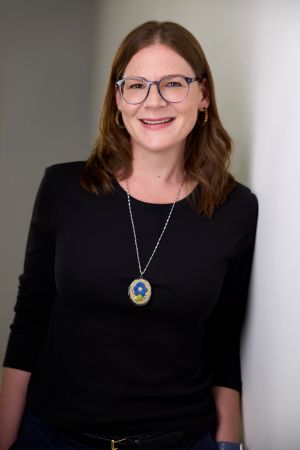
"Knucwentwécw-kt, We Come Together: Unearthing Our Histories of the Kamloops Indian Residential School"
Sarah Nickel (History, Classics and Religion)
This project will produce the first comprehensive, community-led history of the Kamloops Indian Residential School (KIRS), one of the most significant institutions in Canada’s residential school system. Guided by the 13 Grassroots Families Advisory Council (13 GRAC)—a group of Survivors’ descendants and family members committed to truth, accountability, and the respectful stewardship of residential school histories—and undertaken in partnership with Tk’emlúps te Secwépemc, the project places Indigenous leadership, knowledge, and priorities at the centre of historical research.
Through archival research, oral histories, and community collaboration, the project will document the history and ongoing legacy of KIRS. Drawing on records from the National Centre for Truth and Reconciliation and testimonies from Survivors, Elders, and descendants, it will produce the first full-length academic monograph dedicated to KIRS. The research is grounded in Indigenous methodologies, Indigenous data sovereignty, and ethical archival practices that prioritize community consent, cultural safety, and care.
The project will also create a bilingual digital history platform, educational resources, community workshops, and a co-curated exhibit at the Secwépemc Museum and Archives. By centring Survivor testimony and Indigenous perspectives, it addresses misinformation about residential schools and advances reconciliation, ethical knowledge stewardship, and Indigenous self-determination.
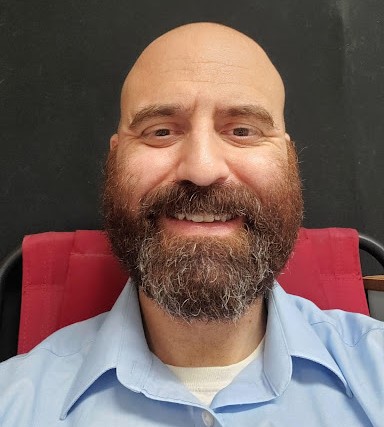
"The ethics of effective collective action and plant-forward food system transitions in Canada"
Howard Nye (Philosophy)
This project examines how Canada can transition toward more plant-forward food systems in ways that are effective, politically feasible, and socially just. Especially in wealthy countries like Canada, which consume disproportionate amounts of animal products, more plant-forward eating can help address climate change, land use, water use, biodiversity loss, diet-related disease, health-care costs, antimicrobial resistance, and risks from zoonotic infectious disease. Because animal agriculture cycles crops and forage through animals, losing much of their energy in the process, it generally requires far more land, water, and other resources than plant-based foods, while also generating more polluting waste. But individual dietary change is difficult to sustain when food systems make some options more available, affordable, convenient, familiar, and socially normalized than others.
The project therefore asks what collective actions, institutional changes, and policy strategies can transform the structural conditions shaping food environments. It will analyze international plant-forward reforms and interview advocates and policy experts to develop a strategic roadmap for Canada, identifying promising reforms, coalition-building strategies, and ways to ensure that transition improves food systems for producers, consumers, workers, communities, and other stakeholders.
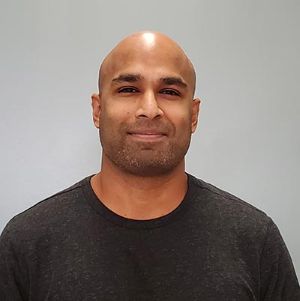
"Immigrant entrepreneurship in Canada"
Ashantha Ranasinghe (Economics)
In Canada, one out of four businesses are owned by an immigrant, and these businesses are viewed as crucial to grow Canada’s lagging economy. Yet, there is limited evidence on how these immigrant owned businesses perform, the challenges they face, and their overall contributions at the macro-level. This information is especially important given the recent global backlash against immigration, where a common view is immigrants take jobs away from locals, make modest economic contributions and are a drag on the social safety net.
Using representative Canadian firm-level data, this research program will provide new evidence on immigrant-owned businesses in Canada, accounting for their role as workers and entrepreneurs. Specifically, this research will address the following important questions: (1) do immigrant entrepreneurs face disproportionate barriers to entrepreneurship, and how do these barriers impact their economic contributions? (2) how do implicit biases in hiring affect immigrants, and how do they vary across industries and by immigrant country of origin? And (3) how do the experiences of immigrant entrepreneurs in Canada compare to those in other rich countries, such as the US?
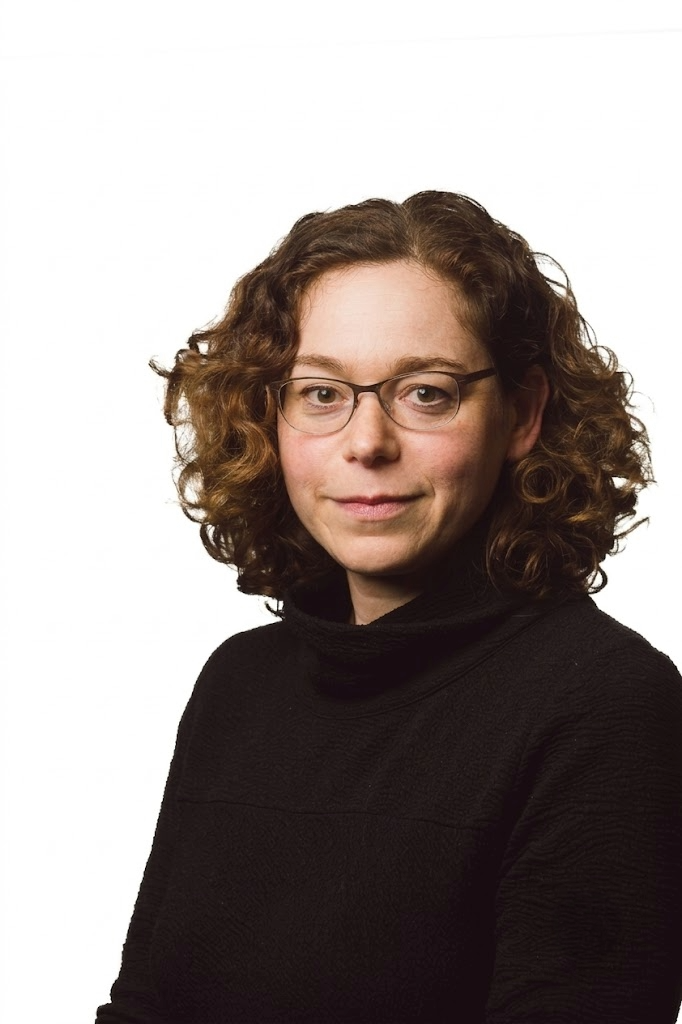
"ISIS lives: life writing and cultural narratives of radicalization"
Terri Tomsky (English and Film Studies)
ISIS Lives: Life Writing and Cultural Narratives of Radicalization examines cultural narratives surrounding “foreign recruits” — individuals who left their home countries between 2011 and 2018 to join the Islamic State of Iraq and Syria (ISIS). With over 41,000 international recruits from countries like the UK, Canada, the Netherlands, and Russia, stories about ISIS volunteers have gained global attention, yet little is known about their lived experiences under ISIS rule. This project compiles and analyzes the life stories that have emerged about those willing international recruits, subjects often only in their teens, who voluntarily left their homes from around the world to join the terror group in Syria as fighters, supporters, or wives. I focus on how these “ISIS lives” are portrayed in cultural productions, such as nonfictional life writing, documentaries, long-form podcasts, fiction, and social media. ISIS Lives explores the various ways those narratives are framed and platformed for an international audience. It investigates the purpose of these stories, whether as sources of entertainment, or reinforcements of Western fantasies, and examines how they may influence public understanding or challenge stereotypes.
"Histories in Transition: Indigenous Interactions and Archaeological Collaborations in Southern Saskatchewan"
Robert Losey (Anthropology)