Strategic Research Chairs in Arts
Matt Bowes - 23 September 2026
Earlier this year, the Faculty of Arts, in partnership with the Kule Institute for Advanced Study (KIAS), invited continuing family members to apply for the new Strategic Research Chair in Arts (SRCA).
The SRCA will allow the building of a national or international multi-member research team and the developing of a large-scale, multi-year, interdisciplinary project with graduate student training integrated at its core. By year 3 of the SRCA, the Chair will – as the principal investigator – have a major funding application of, or exceeding, 2.5 million dollars in submission with an external funder such as SSHRC (e.g. Partnership Grant); the New Frontiers in Research Fund (e.g. Transformation); Horizon Europe; etc.
Three members of the Faculty have been appointed as the inaugural SRCA: Crystal Fraser, Julie Rak, and David Rast III.
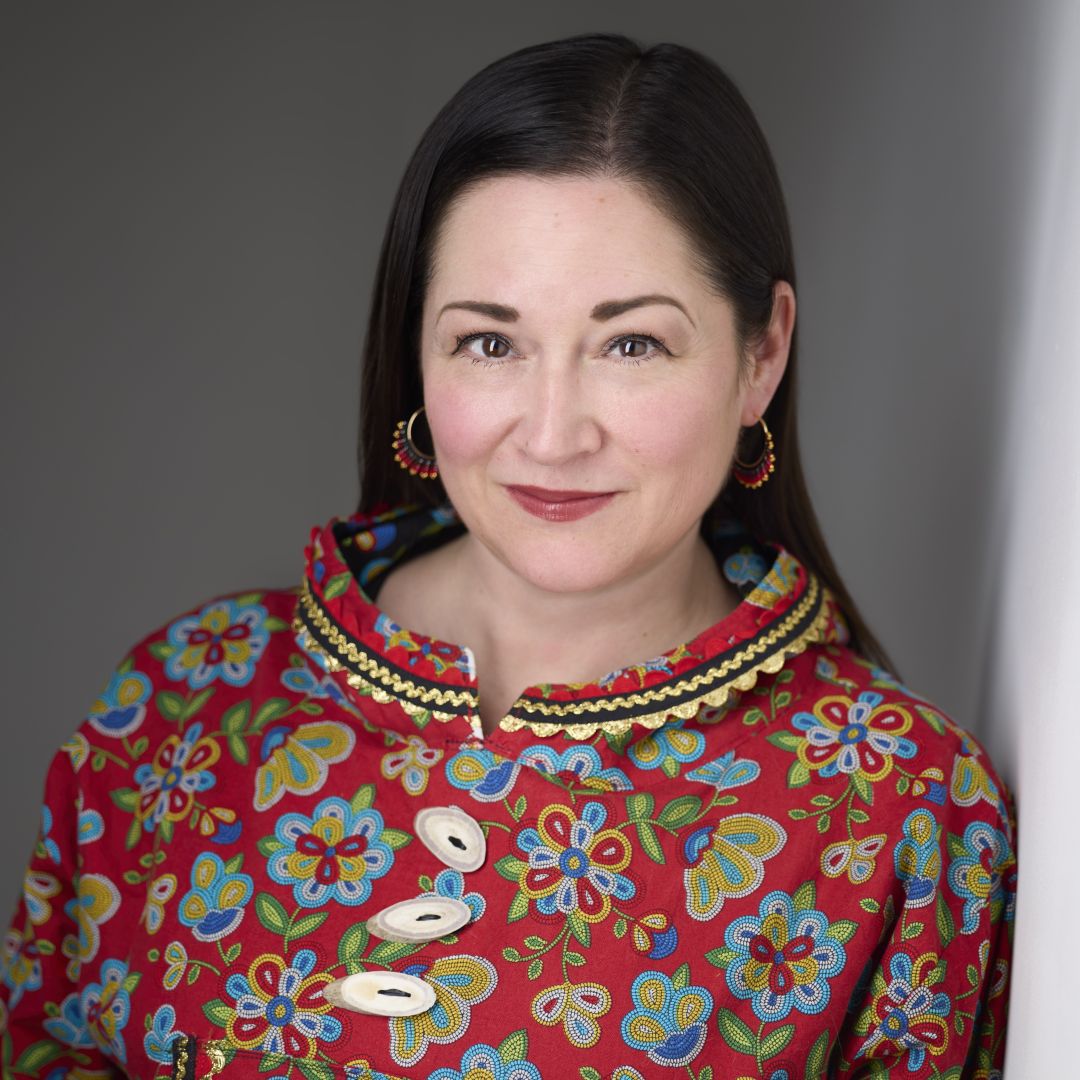
"Communities Remember”
Crystal Fraser (History, Classics and Religion/FNS)This project asks how Indigenous communities preserve, interpret, and share their histories, particularly when those histories have been excluded from, fragmented by, or misrepresented within colonial institutions and archives. It grows out of my work with Indigenous communities in the North, as well as my research on residential and day schools, treaties, oral history, and community-based research.
The project has several broad objectives:
- to better understand the many ways Indigenous communities hold and transmit historical knowledge, including through oral histories, family and community records, cultural practices, the land, and community archives;
- to examine how communities are using these histories in the present—for education, healing, governance, land-based work, cultural revitalization, and public truth-telling;
- to support communities in determining how their histories are researched, preserved, interpreted, and shared;
- to build a larger network of Indigenous communities, scholars, students, archivists, cultural organizations, and other partners interested in community-led historical research; and
- to create opportunities for graduate students and emerging Indigenous scholars to receive meaningful training in oral history and community-engaged research.
The methodology will be relational and community driven. Rather than arriving with a fixed model and applying it everywhere, the work will begin by listening to communities and partners about their own priorities. Depending on what is appropriate in each place, the research may include oral-history interviews, archival work, community gatherings and workshops, and collaboration with local cultural and heritage organizations. Questions of ownership, access, consent, cultural sovereignty, and how knowledge should—or should not—circulate will be central throughout.
The project is about asking whose knowledge is recognized as history, who has the authority to interpret it, and how universities can support communities that are already doing important work to preserve and mobilize their own histories.
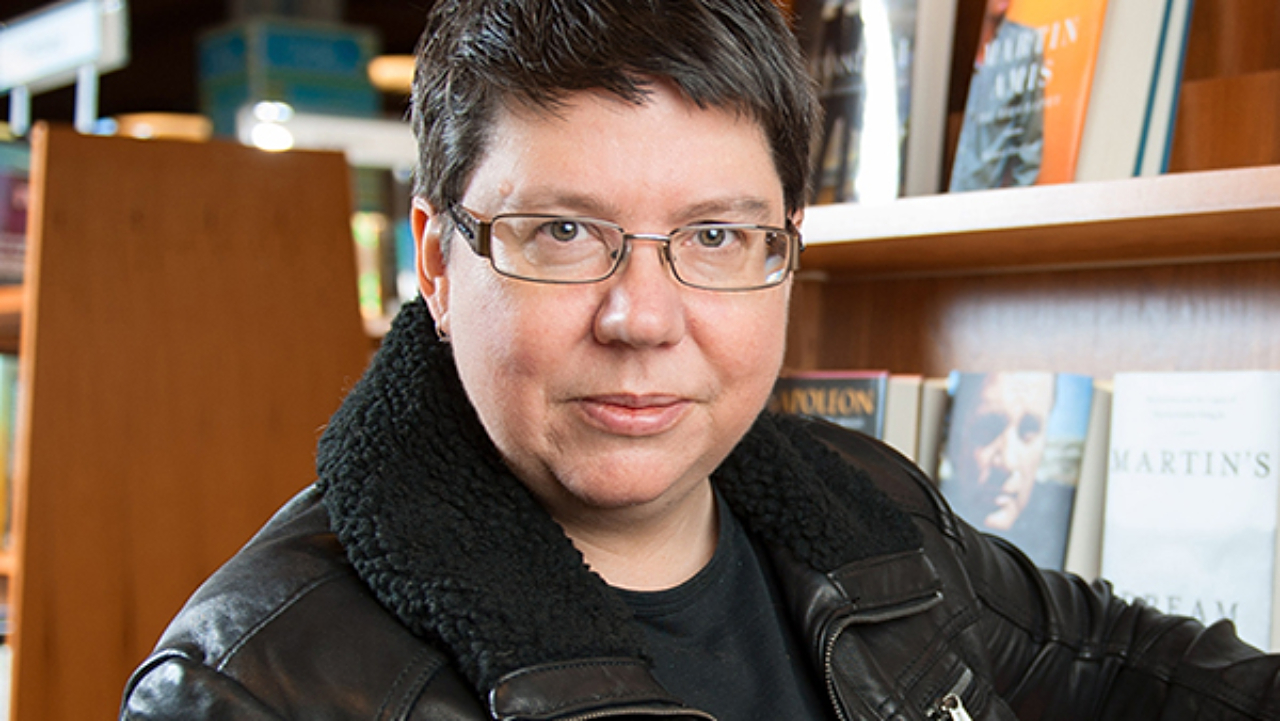
"Wildfire Stories: Collaboration, Pilot, Assessment”
This collaborative project was designed in its initial stages by members of the Wildfire Collective in the Climate Change + Health Hub (CCHH) at the University of Alberta and the Oral History Lab at the University of Puerto Rico Mayagüez. The project is dedicated to bringing together a multidisciplinary team of researchers working in robust community partnerships with community members who live with and survive wildfire and will test whether the community-based oral history methods designed to hear and act on the stories of hurricane survivors can be adapted to working with survivors of wildfire.
The project is designed to build a meaningful collaboration between researchers and community partners through a series of workshops and conversations which will result in a community-responsive pilot project design. Then, the team will work to implement a pilot story project in two communities dedicated to knowledge co-production, design, collection, circulation and acting on the stories of people who are the survivors of environmental catastrophe, in this case, of wildfires that threaten communities in Alberta specifically and western Canada more generally.
“Wildfire Stories” will investigate the following questions:
* Can the focus on storytelling for social and climate justice with survivors of hurricanes developed by the Oral History Lab (OHL) at the University of Puerto Rico Mayaguez (UPRM) be adapted to work with survivors of wildfire in Western Canada?
* Can anti-racist, decolonial and community-based storytelling developed within the OHL, with its focus on collecting stories as a means of circulating the critical information held in eyewitness narratives of disaster, constitute a scaleable model for speaking with survivors about long-term effects from wildfires, and about the impact of repeated fires on their communities?
* What do the survivors of wildfire in western Canada want policy-makers to know, and how can our project co-create knowledge with communities affected by wildfire so that eyewitness narratives about disaster can inform policy decisions and wildfire management?
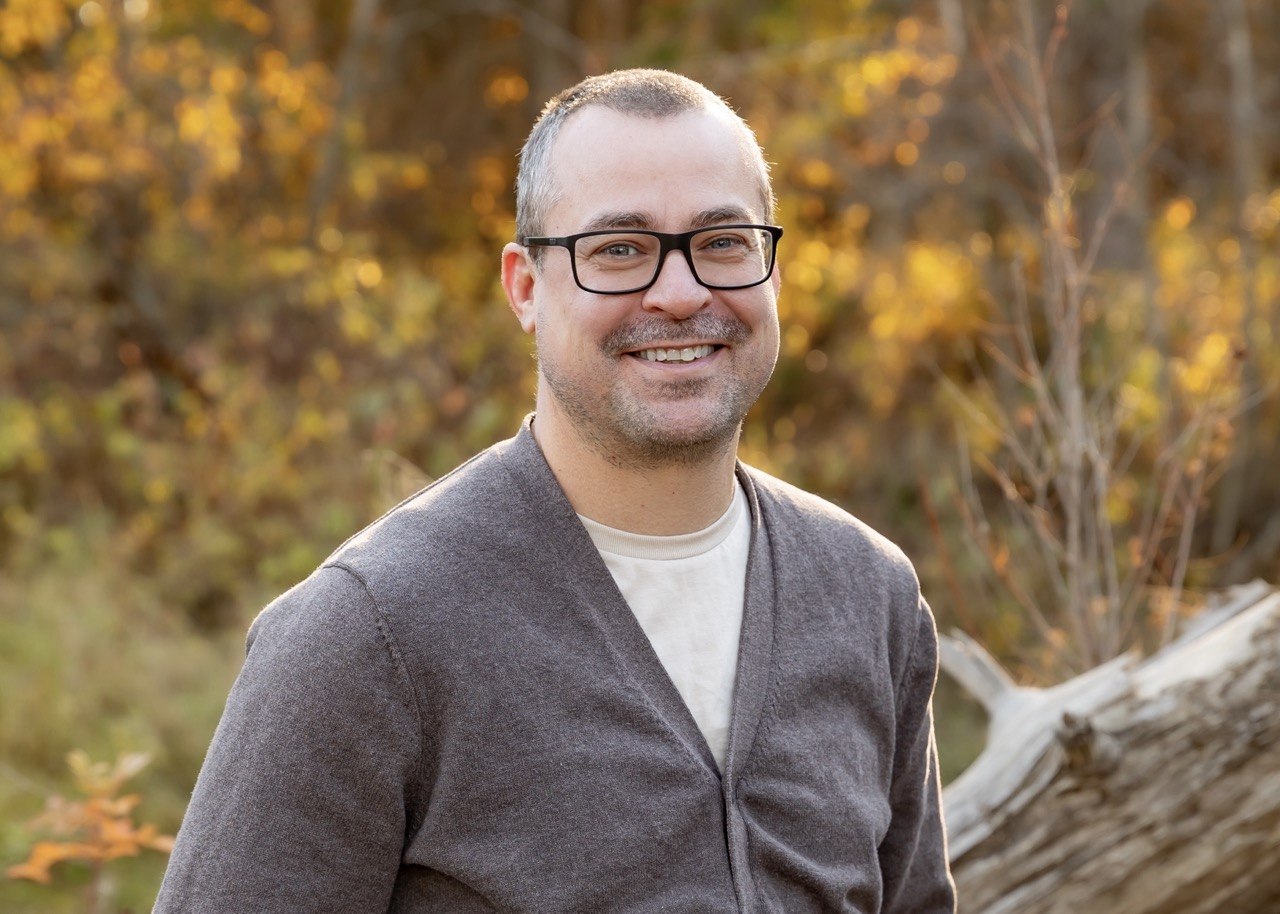
"Bridging Divides and Building Social Cohesion"
In an era of deep societal fracturing, groups are increasingly retreating into hostile, competitive factions. Traditional leadership models—which often demand assimilation into a single, homogenized corporate or national identity—frequently trigger backlash, as subgroups feel their unique values are being erased. This project advances Intergroup Leadership Theory (ILT; Hogg, van Knippenberg, & Rast, 2012; Hogg & Rast, 2022), a novel framework proposing that leaders must instead construct an intergroup relational identity. This means celebrating distinct subgroup identities while emphasizing their cooperative, indispensable roles within the larger collective.In an era of deep societal fracturing, groups are increasingly retreating into hostile, competitive factions. Traditional leadership models—which often demand assimilation into a single, homogenized corporate or national identity—frequently trigger backlash, as subgroups feel their unique values are being erased. This project advances Intergroup Leadership Theory (ILT; Hogg, van Knippenberg, & Rast, 2012; Hogg & Rast, 2022), a novel framework proposing that leaders must instead construct an intergroup relational identity. This means celebrating distinct subgroup identities while emphasizing their cooperative, indispensable roles within the larger collective.
Building off our earlier SSHRC IG funded projects, we will investigate and deploy ILT across complex, real-world Alberta and Canadian contexts, such as navigating factional divides (e.g., West vs. East Canada; Indigenous and non-Indigenous collaboration), fostering cohesion in integrated healthcare systems (e.g., doctor-nurse dynamics in Alberta Health Services), and bridging ideological gaps amongst liberals and conservatives (e.g., Alberta Separatists and First Nations Peoples).