Meet the Team
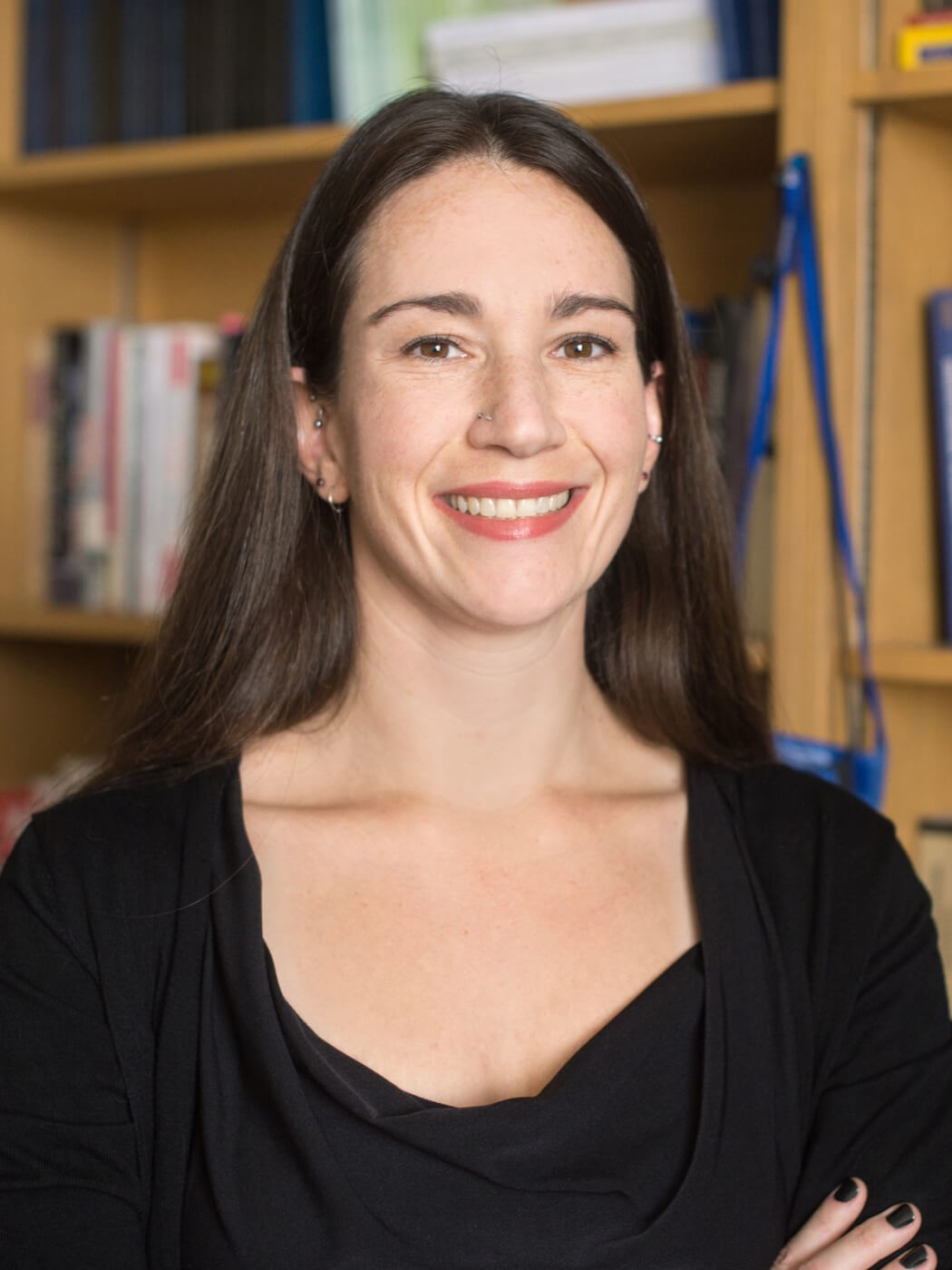

Michelle Maroto, Lead Director
Michelle Maroto is a Professor of Sociology and Director of the Certificate in Applied Social Science Research (CASSR). As described on her website, her research interests include social stratification, gender and family, race and ethnicity, labor and credit markets, and disability studies. Her projects address the many dimensions of wealth inequality, the complicated dynamics behind social class in Canada in the Great Canadian Class Study, and labor market outcomes for people with different types of disabilities. Dr. Maroto's methodological expertise extends across qualitative and quantitative areas and includes survey development, longitudinal data analysis, and audit study methods. In addition, Dr. Maroto has a strong interest in community-engaged research, and she regularly brings together students and community partners through her Applied Research Internship course.

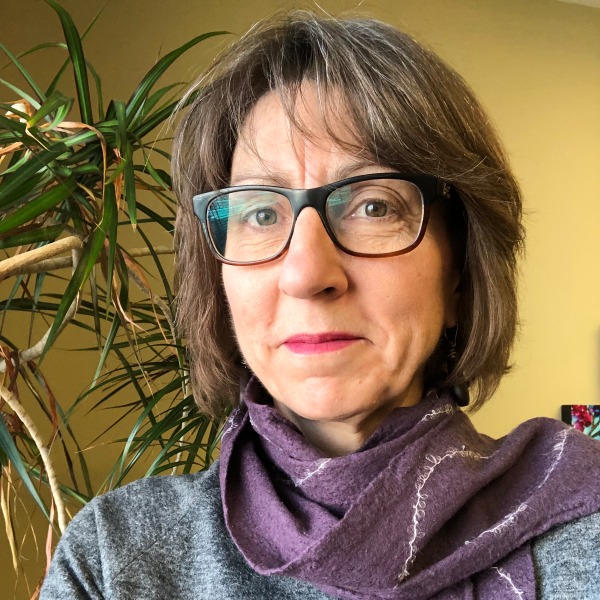
Sara Dorow, Director
Sara Dorow is a Professor of Sociology at the University of Alberta and the Director of the International Institute for Qualitative Methodology (iiQM). Dorow uses qualitative research methods and intersectional and transnational approaches to examine mobility and migration, work and family, and processes of racialization and gendering. She has applied ethnographic, narrative, and community-engaged approaches to the study of transnational adoption and to multiple projects in the northern Alberta oil sands region. Currently, she heads the interdisciplinary, multi-media project Work-Life in Canada (SSHRC Insight Grant) and is project holder for the Intersectionality in Action Partnership: Co-learning for Inclusive Community Outcomes (2023–2025) – a project that applies an intersectional lens to two community-based housing partnerships (SSHRC Partnership Development Grant). She served as founding director of the UAlberta Community Service-Learning program and a co-founder of the Intersections of Gender signature research area.

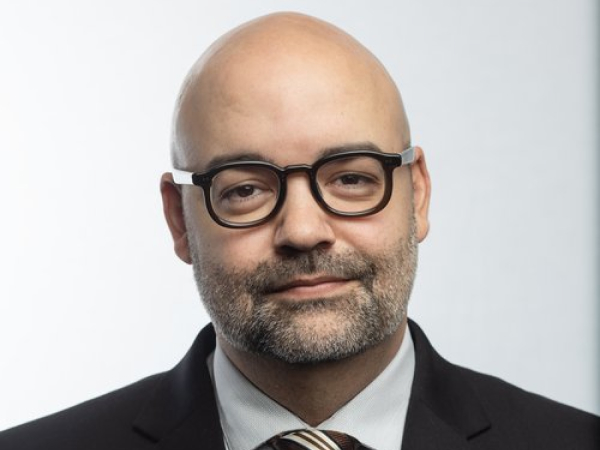
Jared Wesley, Director
Jared Wesley is a Professor in the Department of Political Science, Associate Dean (Graduate Studies) of the Faculty of Arts, and a member of the Black Faculty Collective at the University of Alberta. Prof. Wesley’s research and teaching concern the intersection of political culture, political parties, and public policy. His major research project is Common Ground: a multi-method study of the unspoken norms and values underpinning politics in Western Canada and the American West. The study combines surveys with persona-based focus groups to uncover the difference between who people are as individuals and who they see themselves to be as communities.
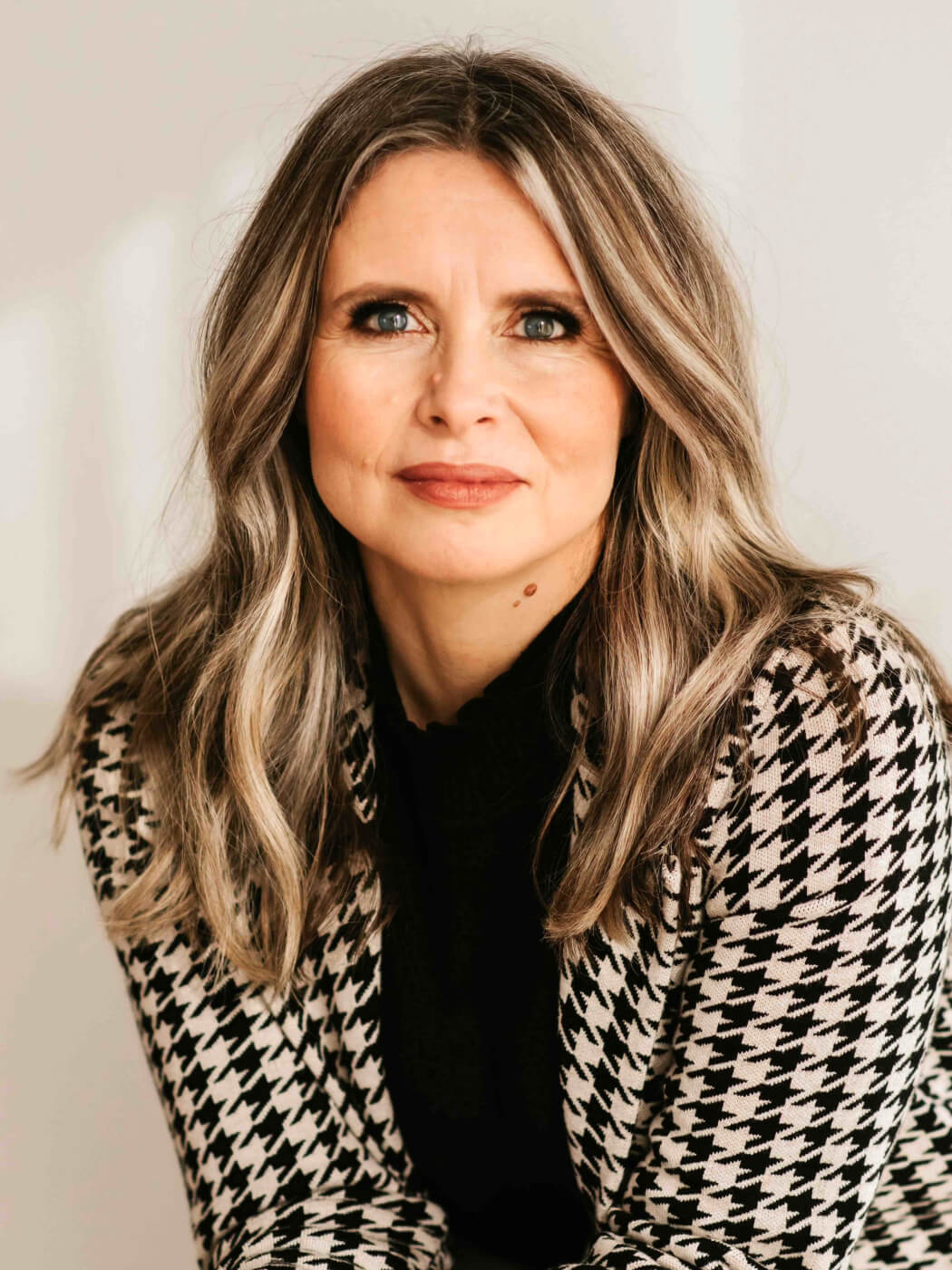
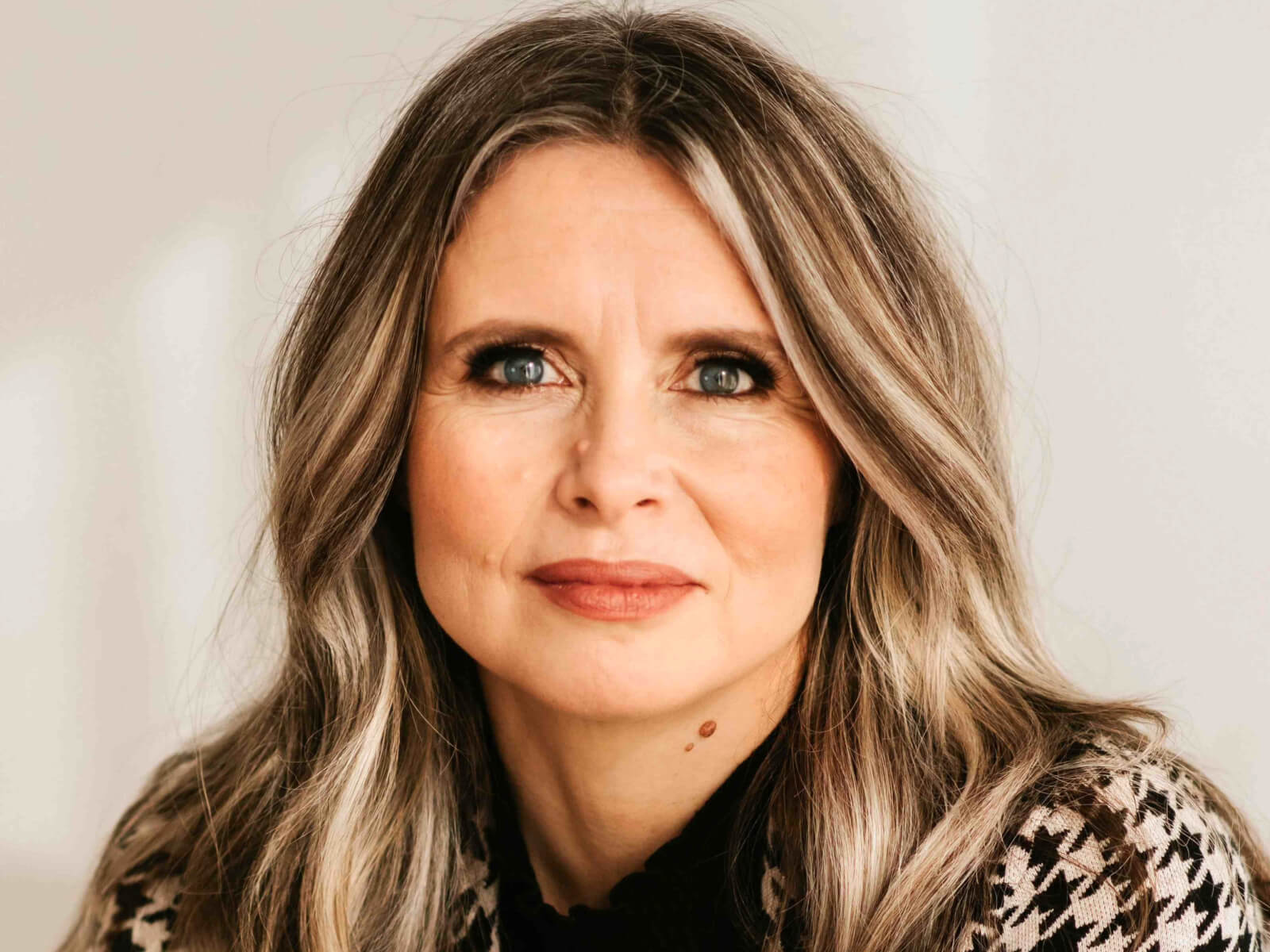
Gillian Lemermeyer, Director
Gillian Lemermeyer, PhD, RN is an Assistant Professor in the Faculty of Nursing at the University of Alberta, Canada, and the Associate Director of the International Institute of Qualitative Methodology (IIQM). Dr. Lemermeyer’s research explores the embodied ethics of healthcare practices, investigating questions situated in the relational encounters between nurses and other healthcare practitioners with the people in their care. Her research program is focused on themes of relational ethics, the lived body (of patient and practitioner), the nurse’s touch, and the ethics of artificial intelligence in healthcare. Methodological approaches include phenomenology and other qualitative methods. Dr. Lemermeyer is co-lead of the AI + health hub and a core member of the John Dossetor Health Ethics Centre.


Karen Edwards, Director
Karen Edwards is the Director of Community-University Partnership for the Study of Children, Youth, and Families in the School of Public Health. Karen is a community engaged researcher with three decades of experience, Karen is passionate about forging authentic and reciprocal partnerships between communities and the university. Her work across Alberta, northern Canada, and internationally focuses on understanding and addressing critical health, education, and social issues to enhance community well-being Karen has supported the development of impactful collaborations such as a municipally led poverty elimination strategy, a national Indigenous leadership program for health research, the outreach and knowledge mobilization for a global polar science initiative, and national indoor air quality program in schools. She is a fervent advocate for the power of collaboration across systems, recognizing the power of strong networks that engage community, government, researchers, funders, and students. Her work centres on the importance of community voice, embraces evidence-informed decision-making, and empowers stakeholders to drive meaningful change in practice, program, and policy.
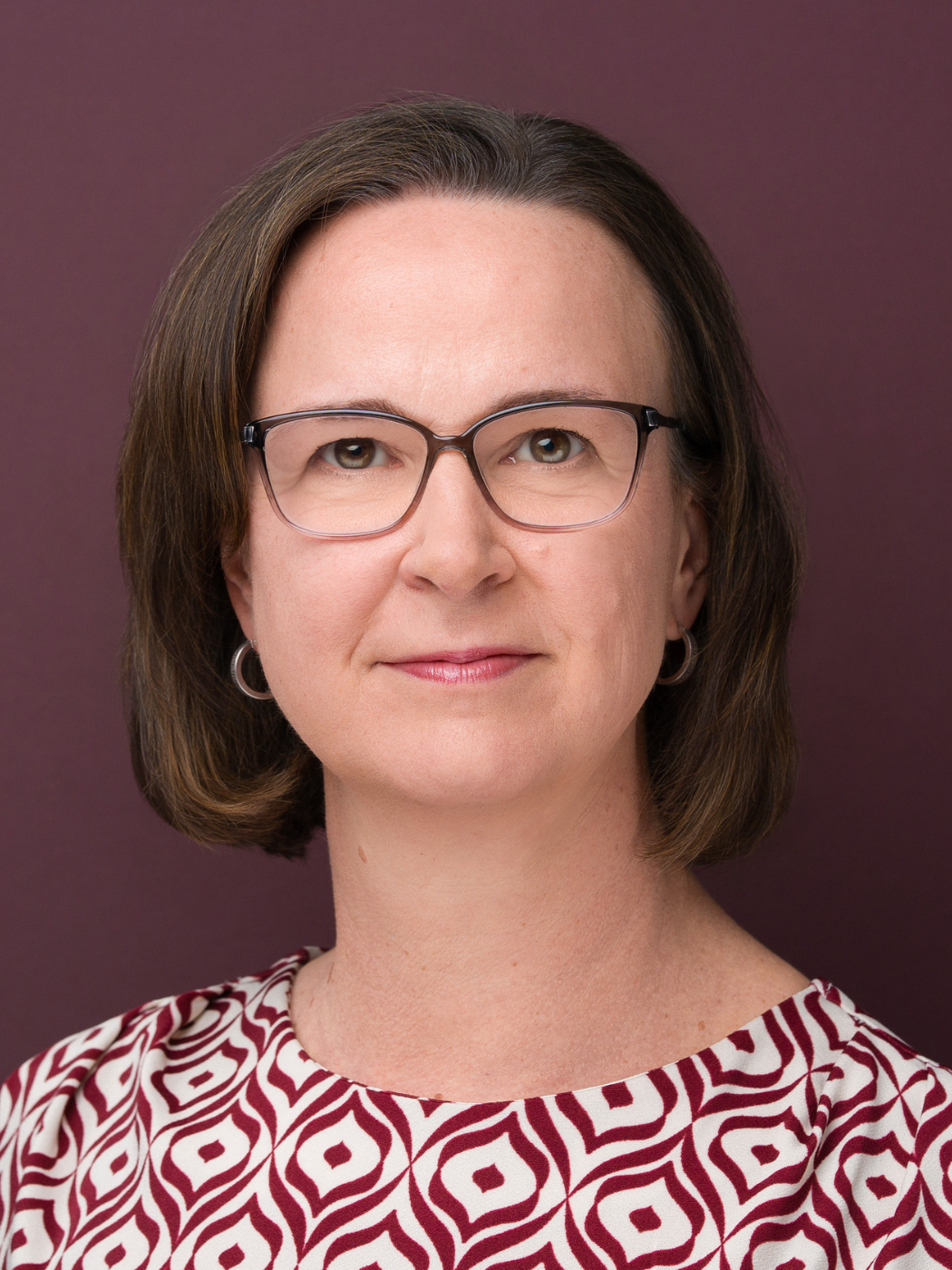
Cheryl Poth, Director
Cheryl Poth is a Professor in the Faculty of Education and a faculty member in the Centre for Research in Applied Measurement and Evaluation (CRAME) at the University of Alberta. Her research and teaching focus on mixed methods research, program evaluation, qualitative research, classroom assessment, and health sciences education. Dr. Poth collaborates with community organizations, professional associations, students, educators, clinicians, and interdisciplinary research teams to strengthen capacity for conducting impactful research and evaluation under varying conditions of complexity. She is co-founder of the Alberta Clinical and Community-based Evaluation Research Team, which develops community–university partnerships to improve programs and services for individuals with complex needs. Dr. Poth is a certified classroom teacher and holds the Credentialed Evaluator (CE) designation from the Canadian Evaluation Society. She is co-author, with John Creswell, of Qualitative Inquiry & Research Design (5th ed., 2024) and author of Innovation in Mixed Methods Research: A Practical Guide to Integrative Thinking with Complexity and Research Ethics (2021). She also edited The SAGE Handbook of Mixed Methods Research Design (2023) and as guest-edited several special issues. Her work advances collaborative and integrative approaches to generate meaningful evidence and derive meaningful implications for policy, practice, and communities.
Leigh-Ann Waldropt Bonair, Lead RA
Leigh-Ann Waldropt-Bonair is a Sociology Ph.D. candidate at the University of Alberta. Her research interests include international migration, substance use disorders, aging, food security, and climate change. She engages with both quantitative and qualitative methodologies and has worked as a Research Consultant with organizations such as the ACP Observatory on Migration, the ACP-EU Migration Action; IOM, EU-COPOLAD, OAS-CICAD and PAHO. Ms. Waldropt-Bonair was also the Lead Consultant for the 2013 IOM published work entitled “Invisible Immigrants: A profile of irregular migration, smuggling of migrants and trafficking in persons in Trinidad and Tobago,” and she conducted qualitative research on human trafficking and migrant smuggling in select Caribbean islands. Ms. Waldropt-Bonair’s current research is focused on the movement of Caribbean immigrants to Canada and their integration outcomes. She was also a Teaching Assistant for the courses Introduction to Social Statistics and Applied Research Internship.
Advisory Committee
Stacey Gellatly
Stacey Gellatly is the Branch Manager of Social Development for the City of Edmonton. Her career has occupied a niche professional skillset centered around driving change in highly complex portfolios in the private sector, not-for-profit sector, and provincial, federal, and municipal governments. Stacey holds a BA with Honours in Political Science from the University of Victoria, a MA in Global Governance obtained jointly through the University of Waterloo and the Hertie School of Governance in Berlin, and was awarded the International Top 40 under 40 in Economic Development, and Canada’s Top 40 under 40.
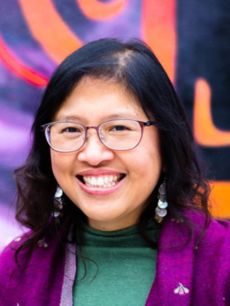
Roxanne Felix-Mah
Roxanne Felix-Mah is the Managing Partner of the Social Impact Collective. Felix-Mah has twenty-five years of experience working in equity and inclusion in the fields of health promotion, community-based research and evaluation, and social services. She has also worked across many sectors - working for government, research organizations and various non-profits focused on newcomer integration, mental health and anti-racism. These diverse experiences give her comprehensive insight into both the theory and practice of equity work, currently applied in her role in a shared leadership position as Managing Partner with the Edmonton Social Planning Council. She is also an Adjunct Assistant Professor with the School of Public Health at the University of Alberta.
Ashima Sumaru-Jurf
Ashima Sumaru-Jurf is the Managing Partner of the Social Impact Collective. Sumaru-Jurf has been working in community-based organizations for the last 20 years, in every role – from frontline to Executive Director and board member. She has also been working on various components of community-based research and evaluation during this time and brings a lens (and experience) of a practitioner-researcher to her work. Ashima has extensive experience in the theory and practice of equity, anti-racism, and intersectional policy and approaches. Over the last decade, she has worked in shared leadership with Roxanne Felix-Mah to build the capacity of CBOs to integrate equity into their structure, processes, policy, and governance.
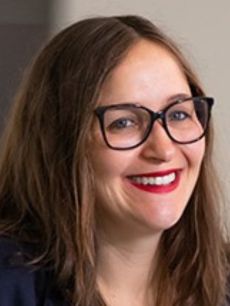
Marielle Papin
Marielle Papin is an Assistant Professor at the Department of Anthropology, Economics and Political Science; Canada Research Chair (Tier II) in Urban Wellness; and the Director, Research Institute for Urban Wellness, MacEwan University. Dr. Papin is an urban and international relations scholar. She investigates how cities seek to improve the well-being of their residents through urban wellness and environmental policies and initiatives. She is also interested in understanding how they collaborate to strengthen urban climate governance. Dr. Papin is involved in several international networks, including the Earth System Governance project and the Environmental Studies Section of the International Studies Association.
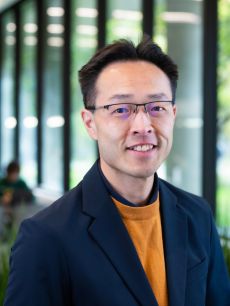
Leo Wong
Leo Wong is an Associate Dean (Education) of the Alberta School of Business at the University of Alberta. His focus is on elevating the student experience while having a positive impact on society. His teaching focuses on educating the next generation of students to address complex societal issues, using business concepts that are aligned with socially responsible thinking and ethical decision-making.
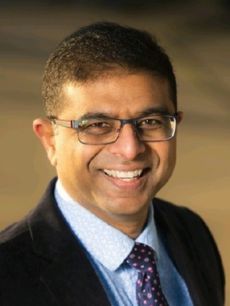
Sandeep Agrawal
Sandeep Agrawal is a Professor of the Earth & Atmospheric Sciences and Associate Dean, GPS Faculty of Graduate & Postdoctoral Studies Admin, Associate Dean, GPS Faculty of Graduate & Postdoctoral Studies Admin, and Alberta Land Institute Director, Faculty of Agricultural, Life and Environmental Sci - Deans Office. Prof Agrawal was an Associate Chair in the department and Inaugural Director of the School of Urban and Regional Planning between 2013 and 2023. During his tenure as director, he led the development of MSc Planning and PhD specialization in urban planning, and established the School in 2018. Dr. Agrawal has a diverse array of research interests that encompass sustainable urban and rural planning, energy transition, Indigenous issues, and human rights. Among several national and international grants (including SSHRC, CFREF and others) he has received, the most recent one is $98.6M CFREF grant, in which he is the project lead from the University of Alberta.
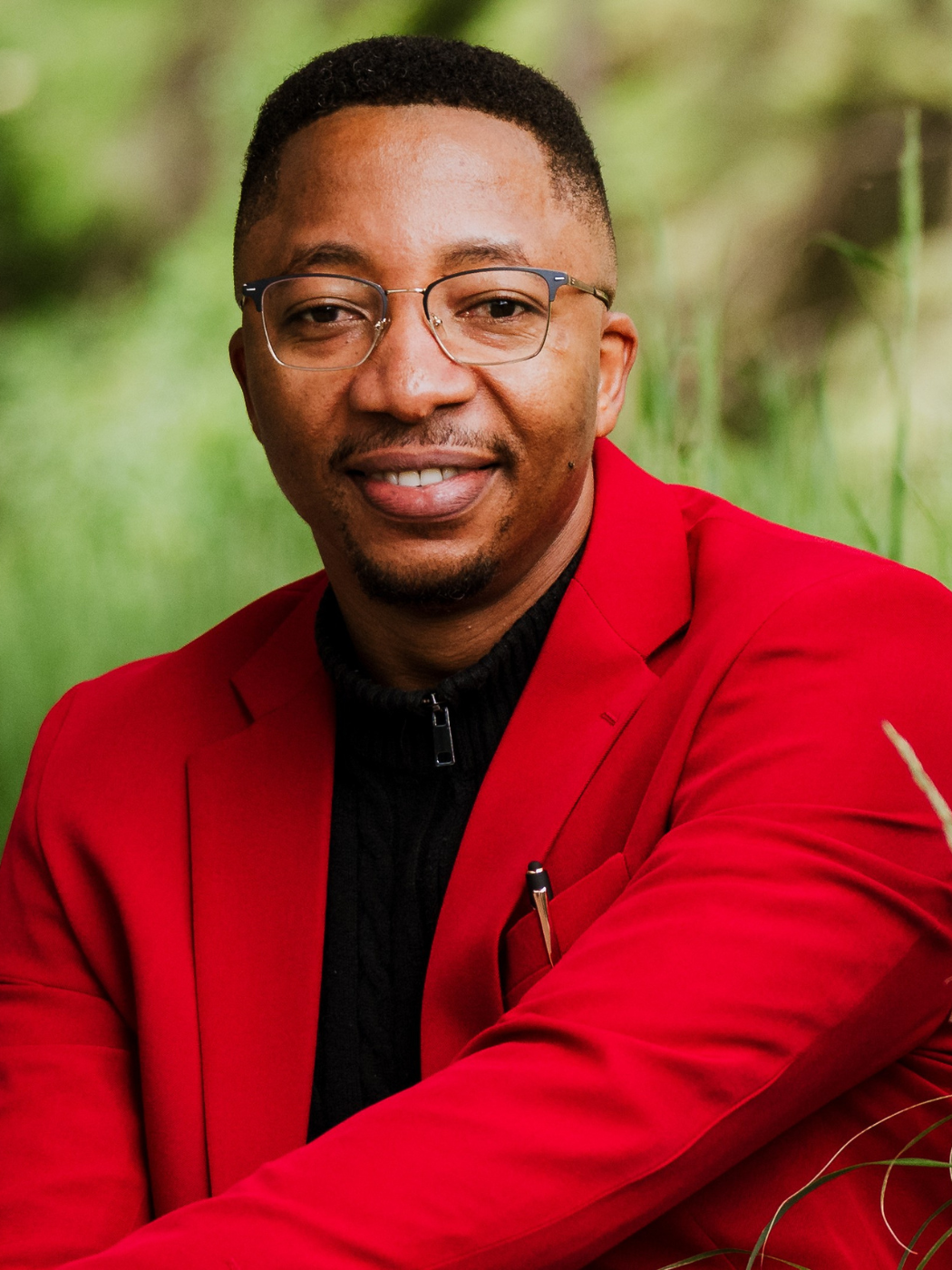
Kingsley Igwilo
Kingsley Igwilo is the Vice-President Academic of the Graduate Students’ Association at the University of Alberta and a PhD researcher in Civil Engineering. His research focuses on the structural performance and resilience of masonry systems, and aims to translate experimental research into practical design recommendations for safer and more resilient built environments. In his role with the GSA, he advocates for graduate students on academic matters and represents graduate student perspectives across university governance committees and initiatives related to graduate education, research, and student experience. His interests include interdisciplinary research, research accessibility, graduate student academic success, and strengthening the connection between research and meaningful community impact. In 2026, his research was recognized with First Place and a Certificate of Excellence in the student competition at the International Masonry Conference in Lübeck, Germany. His more than 15 years of professional experience in the civil engineering industry, Chartered Engineer (CEng) recognition with the Engineering Council UK, and experimental research background inform his interest in bridging academic research, engineering practice, and societal needs..
Oliver Rossier
Oliver Rossier (Ex officio) is the Director, Office of Research in the College of Social Sciences and Humanities. Oliver has a BA in History and Political Science, and an MA in Communications and Technology - both from UAlberta. He has over 25 years of post-secondary administrative experience, mostly facilitating various sizes of research projects. Oliver has served on the University of Alberta Board of Governors and Senate, as well as several other local and national committees.
Oliver has had the privilege of collaborating on many initiatives including: SSH: The Podcast; Principles of Resistance: the Gordon Hirabayashi Story; and the Black Youth for Social Innovation (BYSI).
Doreen Starr
First of all, thank you for giving me an opportunity to introduce myself. My name is Doreen Starr from Little Pine First Nation. I work for Bent Arrow Traditional Healing Society for ten years as the knowledge keeper and circle keeper to giving guidance and community supports. Describing my journey comes from grandma's teaching, who taught me the importance of connecting with traditions and beliefs. I come from a history of resident school. Returning to my grassroots has turn my life to staying positive. I emphasize the importance of being the positive role model. I am a sister, mother, grandmother and auntie. It's important to create that balance and relationship. Education is valuable to maintain stability and structure.