Celebrating Innovation and Impact in KSR Research

For more than 60 years, the Faculty of Kinesiology, Sport, and Recreation has advanced health, movement and quality of life through leading research and innovative teaching. Today, our faculty is ranked among the world’s top 10 in sports-related subjects in the QS Rankings, and third in Canada, reflecting the global impact of our research, teaching and leadership in advancing knowledge in this field.
This report highlights the breadth of research across KSR from 2024-25. From advancing well-being and exercise science to promoting inclusion, exploring culture in sport, recreation, and leisure and deepening our understanding of psychology and human movement. Together, these studies reflect the innovative spirit of our scholars and their commitment to creating knowledge with real-world impact.
Our research is guided by the Inspiring Movement: KSR Strategic Plan, which reflects our belief in the power of movement — in body, in community and in ideas. Grounded in our mission to advance the understanding and practice of physical activity and leisure, and shaped by our values of equity, inclusion, curiosity, collaboration and integrity, this plan ensures that our research not only generates knowledge but also drives meaningful impact in Alberta, across Canada and around the world.
Our community partners and donors are vital to this work. Your trust and support strengthen our ability to explore new ideas, create meaningful opportunities and ensure that our research continues to make a difference.
Thank you for being part of this journey.

Dr. Kyra Pyke
Dean, Faculty of Kinesiology, Sport, and Recreation
The Faculty of KSR
As part of the College of Health Sciences, the Faculty of Kinesiology, Sport, and Recreation advances well-being by deepening understanding and engagement in physical activity and leisure. Through diverse undergraduate and graduate programs, KSR bridges the art and science of human movement, performance and play. Its researchers lead multidisciplinary studies in physiology, psychology, neuroscience, biomechanics, behavioural medicine, sport management and sociocultural inquiry — examining how movement and recreation foster inclusion, participation and lifelong well-being.
Learn more about the principles that guide our work in the Inspiring Movement: KSR Strategic Plan.
40+
faculty members and career instructors
2
Canada Research Chairs
Research Highlights
Celebrating Our Impact in 2024-25
Top 10 Globally
Top 3 in Canada
for sports-related subjects in QS World University Rankings
$3.88M
in research revenue
1,729
research papers published
(July 2019 to Sept 2024)
Transforming Lives Through Research
Adapted Physical Activity
Adapted Physical Activity research focuses on creating inclusive, evidence-based approaches that make movement accessible and meaningful for people of all abilities. This work examines how tailored exercise programs, adaptive sport and inclusive physical education can enhance fitness, motor development and overall quality of life — supporting both physical and mental well-being.
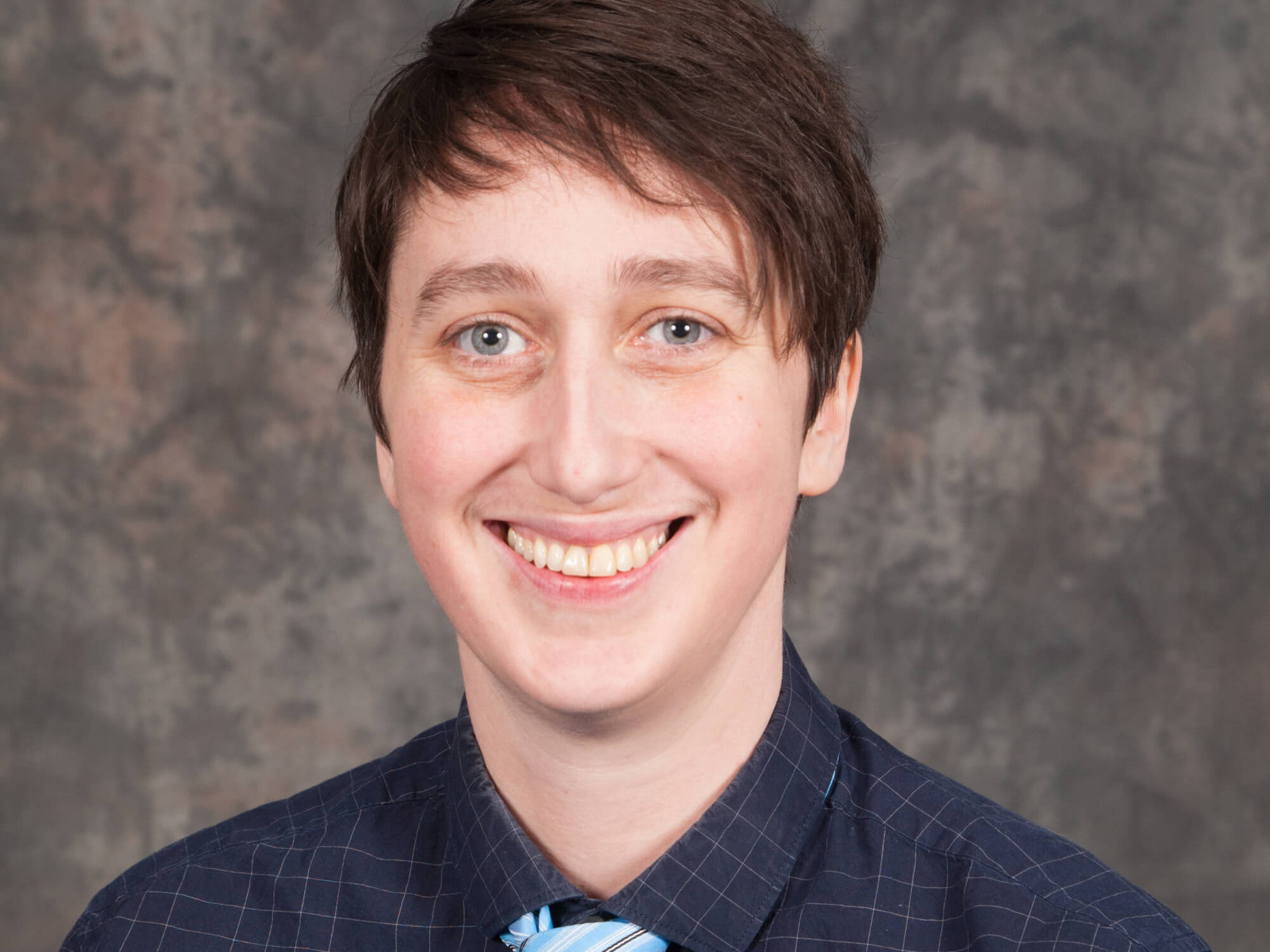
Study uncovers disparity between how textbooks and self-advocates discuss autism
KSR researchers reveal a major disconnect between adapted physical education textbooks and autistic self-advocates, urging a shift from deficit-based models to neurodiversity-informed teaching that reflects lived experience and supports inclusive practice.
“People who are working in schools, in communities, are coming in with these really harmful, outdated ideas, even though they’re often well-meaning.”
Did You Know
How we talk about autism shapes how we teach it. U of A researchers found big differences between textbooks and lived experience.
Behavioural Medicine
Behavioural Medicine research examines the links between physical activity, sedentary behaviour and health. Researchers in this area study how behaviours, emotions and thoughts impact physical health, and how interventions can promote healthy lifestyles and manage chronic diseases. This includes understanding the mental processes behind health behaviours, stress management and the psychological aspects of rehabilitation.
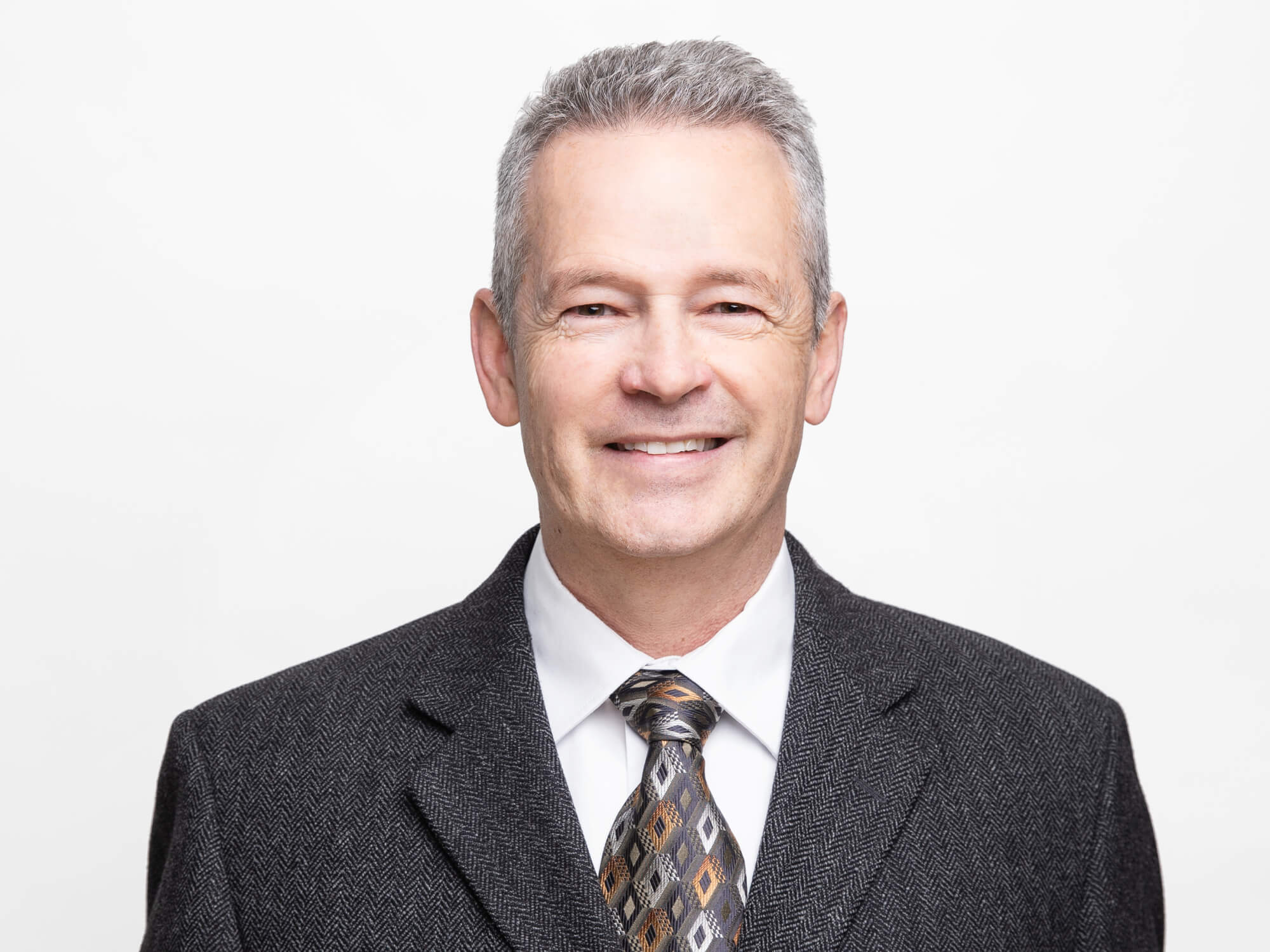
Landmark study delivers definitive proof that exercise improves colon cancer outcomes
A major international trial led by KSR researchers shows structured exercise after treatment significantly improves survival and reduces recurrence, positioning exercise as an essential, evidence-based therapy for colon cancer patients.
“Patients randomized to the exercise group had improved disease-free survival, which includes lower risk of recurrence of the cancer, lower risk of a new secondary cancer and a lower risk of death.”
Did You Know
Exercise is good not just for recovery. U of A research shows it’s a proven cancer treatment that boosts survival after colon cancer.
Exercise Physiology
Exercise Physiology research examines how the body responds and adapts to physical activity at the cellular and systemic levels. This includes studying the effects of exercise on cardiovascular health, muscle function, metabolic processes and overall physical fitness. Researchers aim to understand the mechanisms behind exercise-induced physiological changes and how these can be optimized for health and performance.

World’s first stand-alone guidelines on postpartum exercise and sleep released
New evidence-based postpartum guidelines show that regular movement, improved sleep habits and pelvic floor training meaningfully enhance new mothers’ physical, mental and emotional health in the first year after birth.
“It is only fairly recently that we have started to recognize that the postpartum period is far more complex than simply transitioning from pregnancy to not being pregnant.”
Did You Know
Light movement soon after birth helps speed women’s recovery and supports both physical and mental health in the postpartum period.
Neuroscience and Movement
Neuroscience and Movement research explores how the brain and nervous system control and influence movement. This area focuses on the neurological processes involved in motor control, co-ordination and the effects of exercise on brain function. Studies often involve examining how movement affects neural pathways and how neuroplasticity can be harnessed to improve motor skills and rehabilitation outcomes.
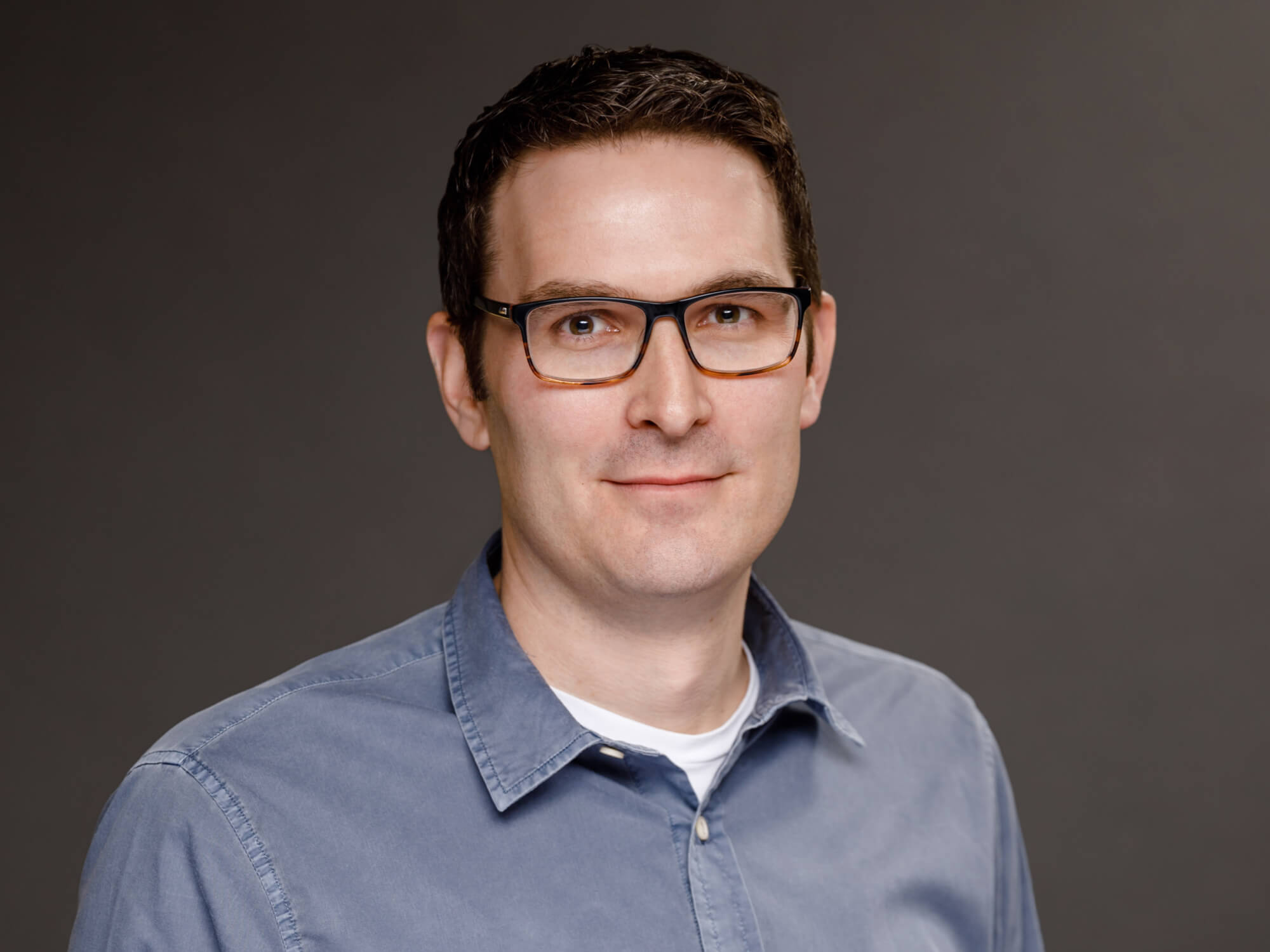
Smartphone swipes reveal how our brains make decisions, research finds
Everyday smartphone movements offer powerful behavioural insights, enabling large-scale, low-cost decision-making research with promising applications across health care, sport, rehabilitation and industry.
“We can actually understand a lot of what’s going on inside someone’s head by carefully measuring what’s going on outside their head.”
Did You Know
Every swipe on your smartphone reveals how your brain makes decisions. KSR researchers are decoding those patterns to understand human behaviour.
Recreation, Sport and Tourism
Recreation, Sport and Tourism research investigates the ways people engage in recreational activities, sports and tourism. This field explores the social, economic and cultural aspects of leisure activities and how they contribute to individual and community well-being. Research topics include the benefits of recreational activities, the impact of sport events on communities and the sustainability of tourism practices.
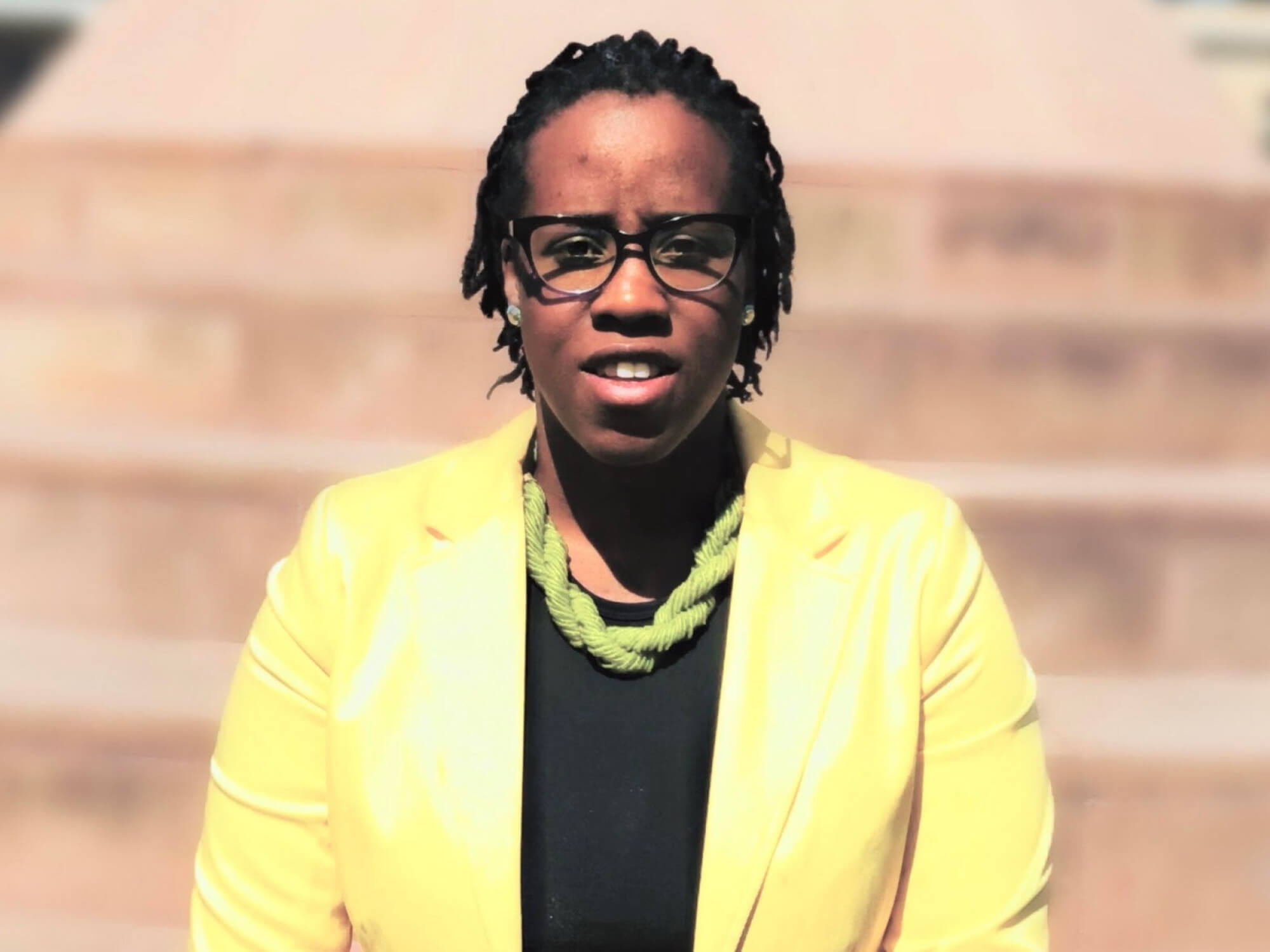
There’s more to accessibility than availability
KSR researcher shows that true accessibility in public recreation spaces depends not just on physical features but also on whether people feel safe, welcomed and able to use those spaces in their daily lives.
“Equity is not just giving everybody the same thing. It’s meeting people at their needs and considering the things that might be preventing them from using these spaces.”
Did You Know
Accessibility isn’t just about ramps and bus routes. Research shows it’s about whether people feel safe, welcome and able to use public spaces.
Sociocultural Studies of Physical Activity
Sociocultural Studies of Physical Activity research examines how societal factors influence and are influenced by sport and physical activity. This area explores the cultural, political and economic contexts of sport and physical activity, including issues of equity, diversity and inclusion. Researchers study the social impacts of sport, the role of physical activity in identity and community building, and the discourses surrounding current issues in sport and physical activity.
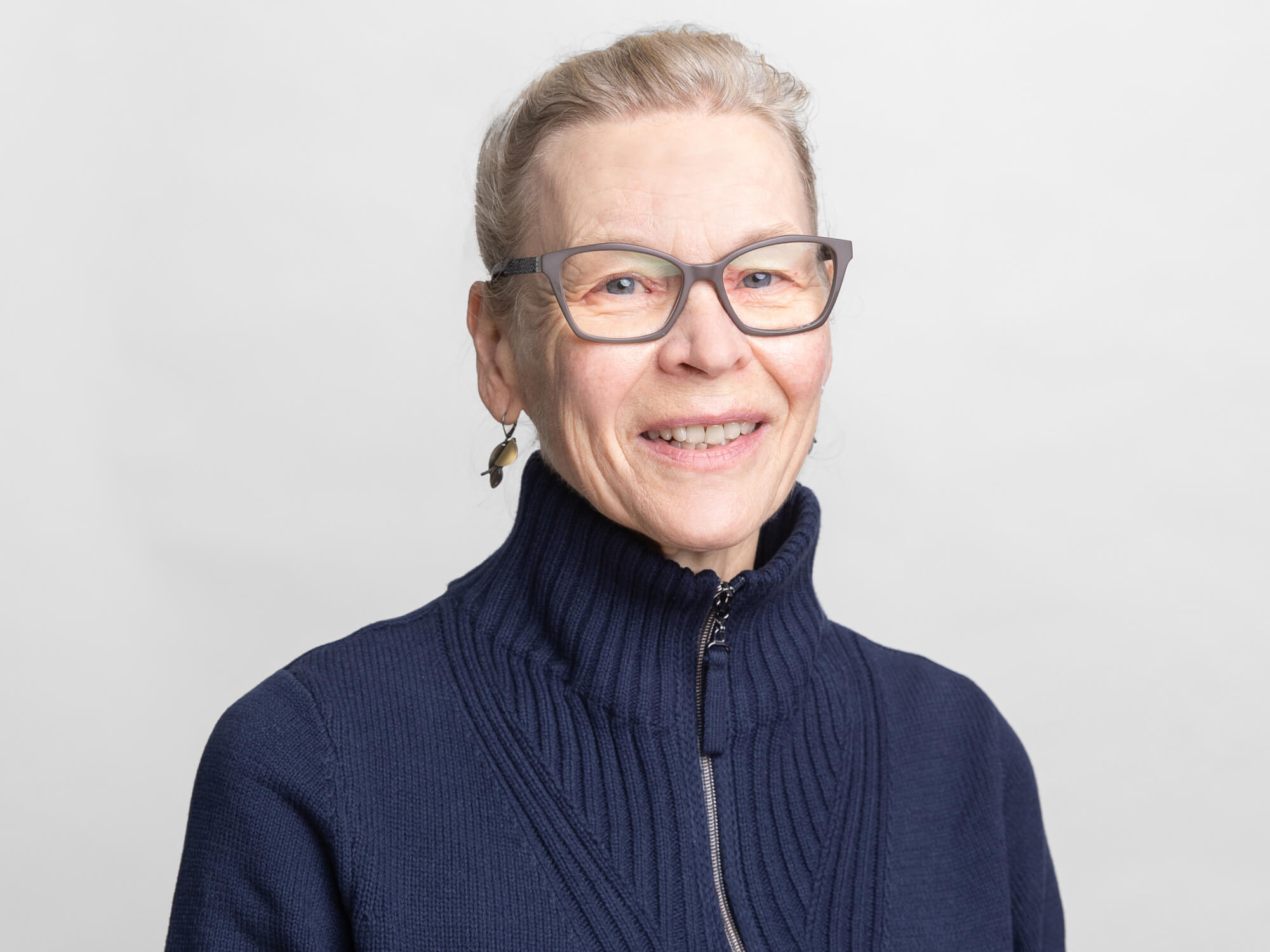
Beyond the quota
Achieving real gender equity in sport leadership requires more than increasing numbers. Dismantling cultural biases, shifting power structures and amplifying marginalized voices are essential for lasting, meaningful change.
“Change won’t happen overnight. But if we keep pushing, listening and widening the lens, the future of sport leadership can look very different.”
Did You Know
Quotas can open doors, but they don’t guarantee a seat at the table. True equity in sport means sharing decision-making power, says a KSR researcher.
Sport Psychology
Sport Psychology research investigates the psychological principles and practices involved in coaching and athletic performance. This research area explores the mental aspects of sport, including motivation, performance anxiety, team dynamics and the psychological techniques that can enhance athletic performance. It also looks at the educational and leadership qualities essential for effective coaching.

A playbook for grit: three lessons from new research
Grit grows from passion, perseverance and balance. Setbacks, supportive relationships and identities beyond sport help athletes build determination, resilience and long-term success.
“Athletes who maintain friendships, hobbies and a sense of identity outside of their sport tend to have longer careers, more satisfaction and smoother transitions out of sports.”
Did You Know
Injuries, losses and rejection can actually fuel success if athletes learn to see them as temporary challenges, not failures.