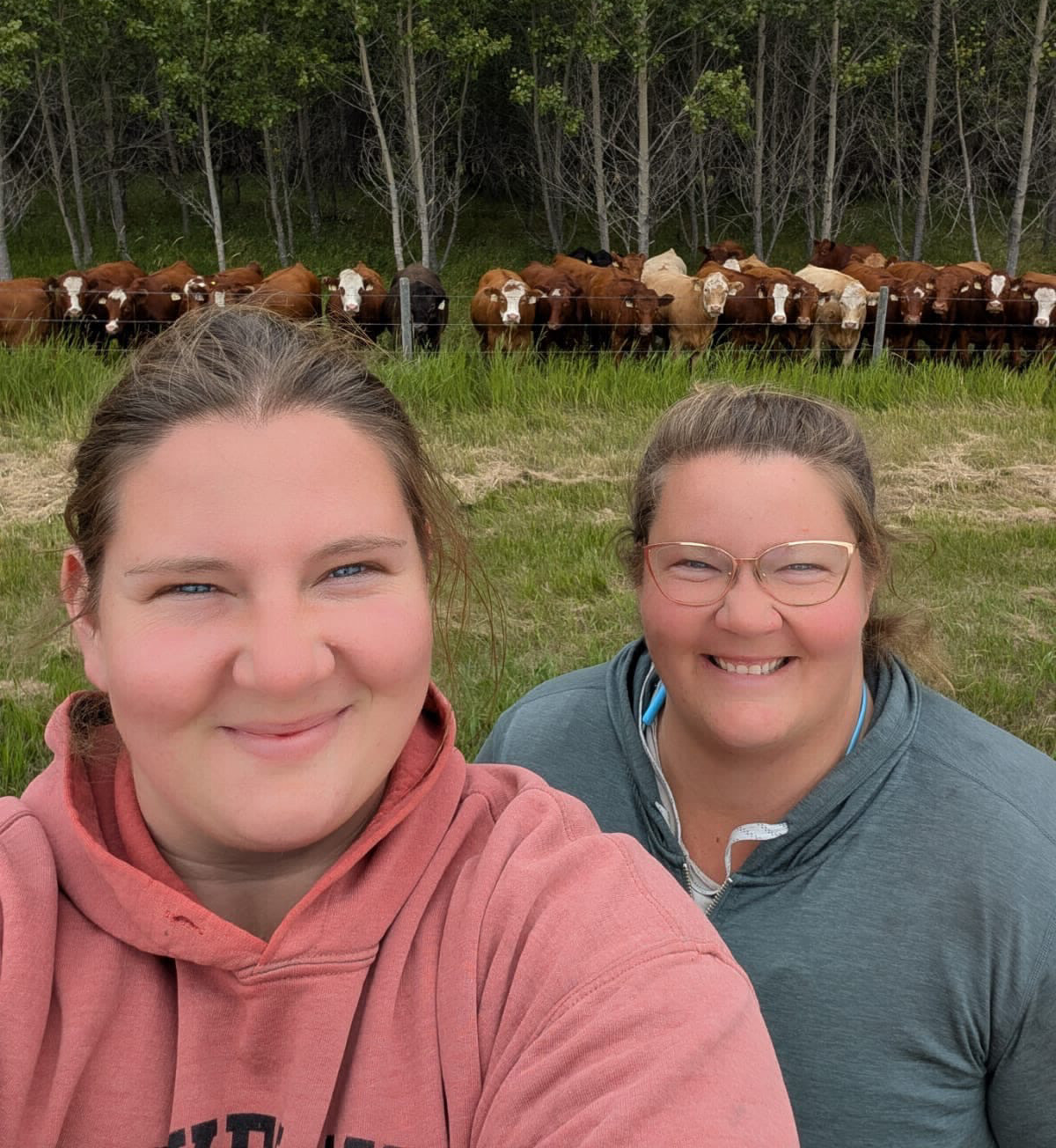
News
Experiential Learning
Practical, real-world experience to help students succeed in their future endeavours
The cycle of learning from experience transcends the idea of an expert transferring knowledge into a passive recipient. It demands a greater level of engagement from the student in an environment that tends to be more open-ended. ALES has a long tradition of offering experiential learning as an applied faculty, from program requirements to short and long-term optional programs.
Find resources in this section
Undergraduate
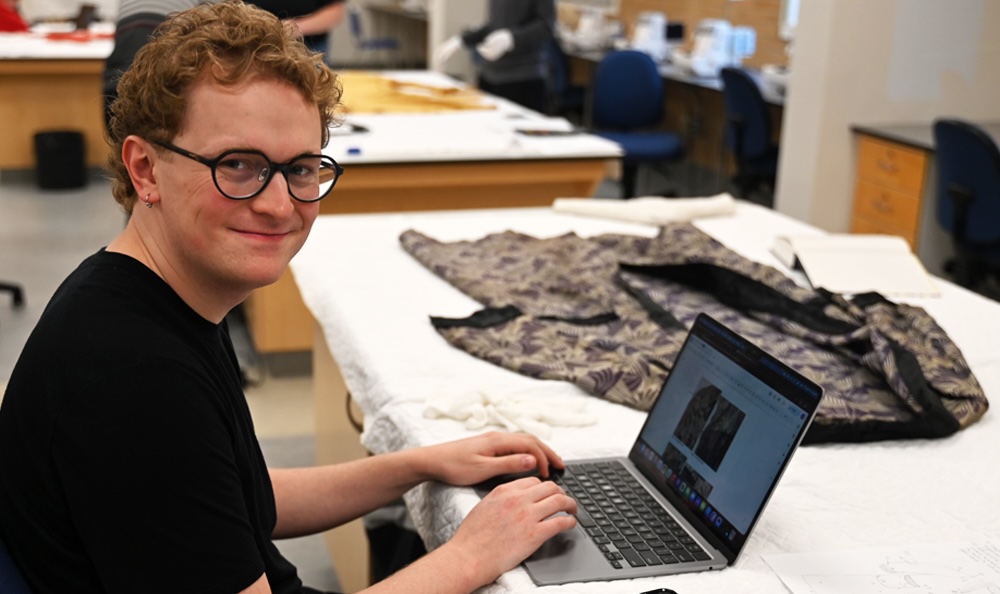
3 daysUnpaid
ALES Mini-Internship Program (AMIP)
Eligibility: Mostly for undergraduate students but the ALES Angels Project is open to undergraduate students, graduate students and postdoctoral researchers
Duration: 3 days during Fall and Winter reading week

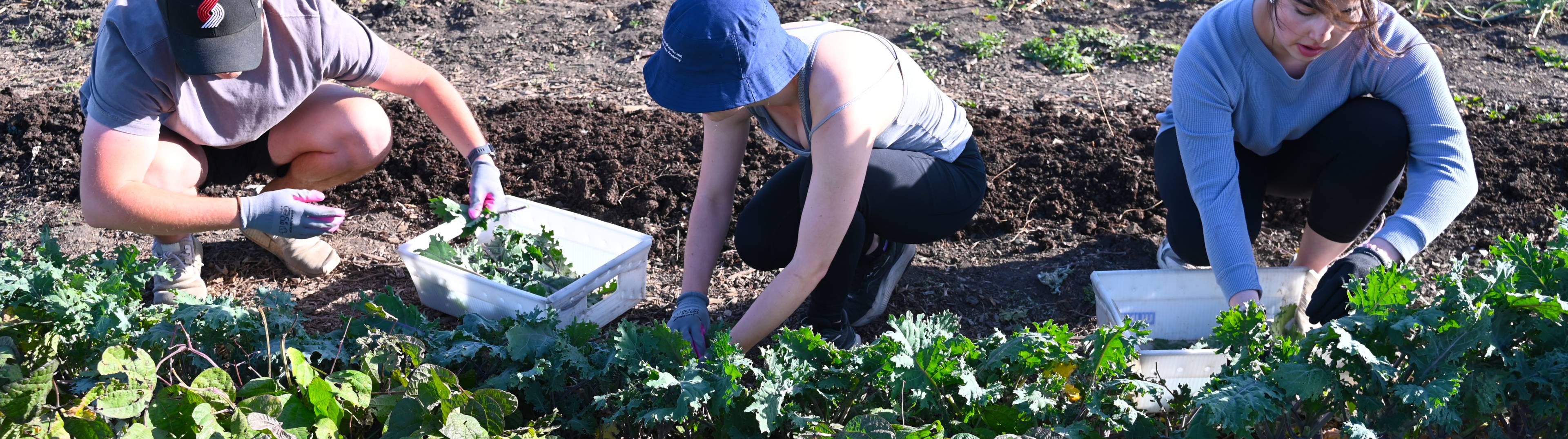
4-16 months Paid
Science Internship Program (SIP)
Eligibility: Available for full-time undergraduate students (minimum *24 credits to apply and GPA of 2.3 or higher in previous fall/winter terms) to work within Canada
Duration: Full time (30-40 hours/week) for 4, 8, 12, or 16 months
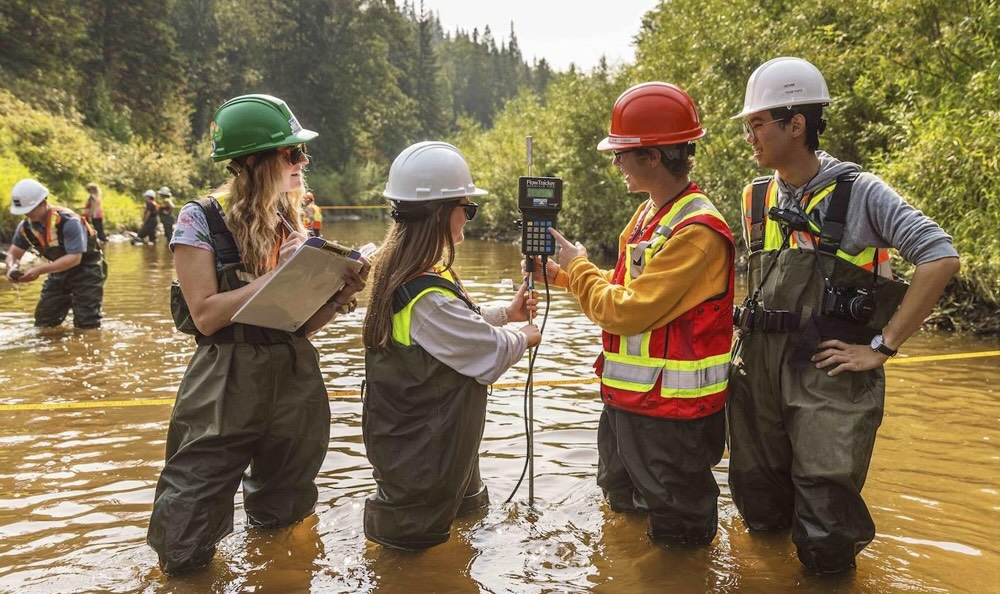
4 months Paid Summer program
International Student Summer Employment Program (ISSEP)
Eligibility: Full-time undergraduate international students who are:
- taking a scheduled break from classes for Spring and Summer terms but returning in the fall semester;
- with a valid study permit to work in Canada;
- with a SIN card or eligible to get one; available from May to August.
Duration: Full time or part time from May to August

12 months Paid
Business Cooperative Education Program
Eligibility: ALES students in Agricultural/Food Business Management, Forest Business Management and Fashion Business Management programs
Duration: 12 months full time
Other opportunities for ALES students
ALES, the U of A, and other organizations in partnership with the U of A have opportunities for ALES students to work while you learn. Find them all here »
Graduate students and post-docs
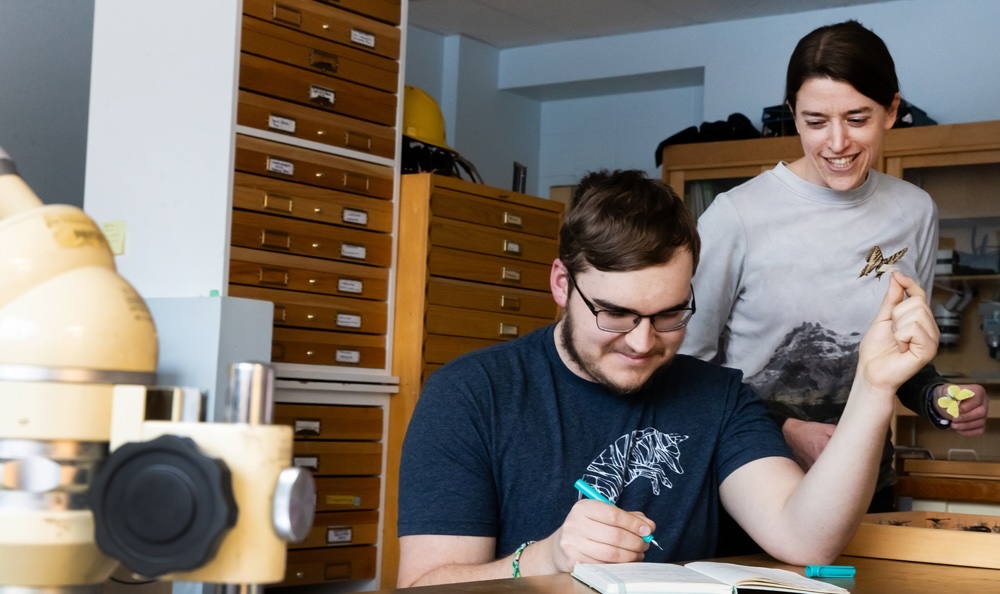
3 daysUnpaid
ALES Angels (Part of the ALES Mini-Internship Program (AMIP))
Eligibility: The ALES Angels Project is part of AMIP and is open to undergraduate and graduate students and postdoctoral researchers.
Duration: 3 days during Fall and Winter reading week
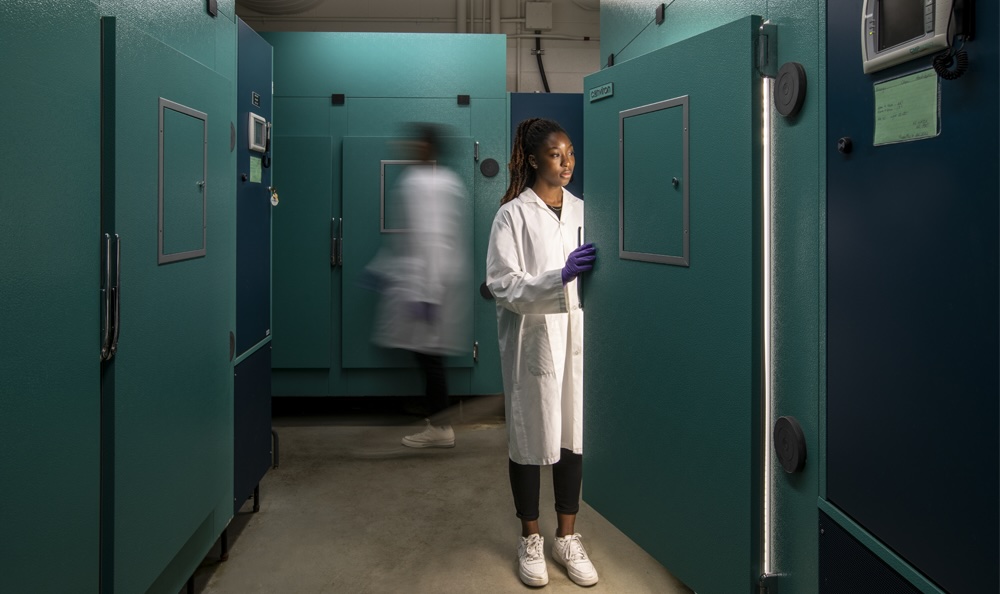
4 months Paid Summer program
Sustainability Scholars Program (SSP)
Eligibility: Current graduate students and postdoctoral researchers. Individuals graduating in June may apply to participate in the program that summer.
Duration: PT or FT, 25 or 35 hours/week, May – mid-August

Various time commitments available Paid
Graduate Student Internship Program (GSIP)
Private, public and not-for-profit sectors
Eligibility: Graduate students (full or part-time MA and PhD)
Duration: Full or part time with start and end dates throughout the year

42 weeks Paid
Public Service Graduate Internship (PSGI)
Work with the Institute of Public Administration Canada (IPAC), Edmonton Region
Eligibility: Full time graduate students
Duration: Part-time, 42-week term, covers different levels of government by having two 21-week separate placements
Other opportunities for ALES students
ALES, the U of A, and other organizations in partnership with the U of A have opportunities for ALES students to work while you learn. Find them all here »
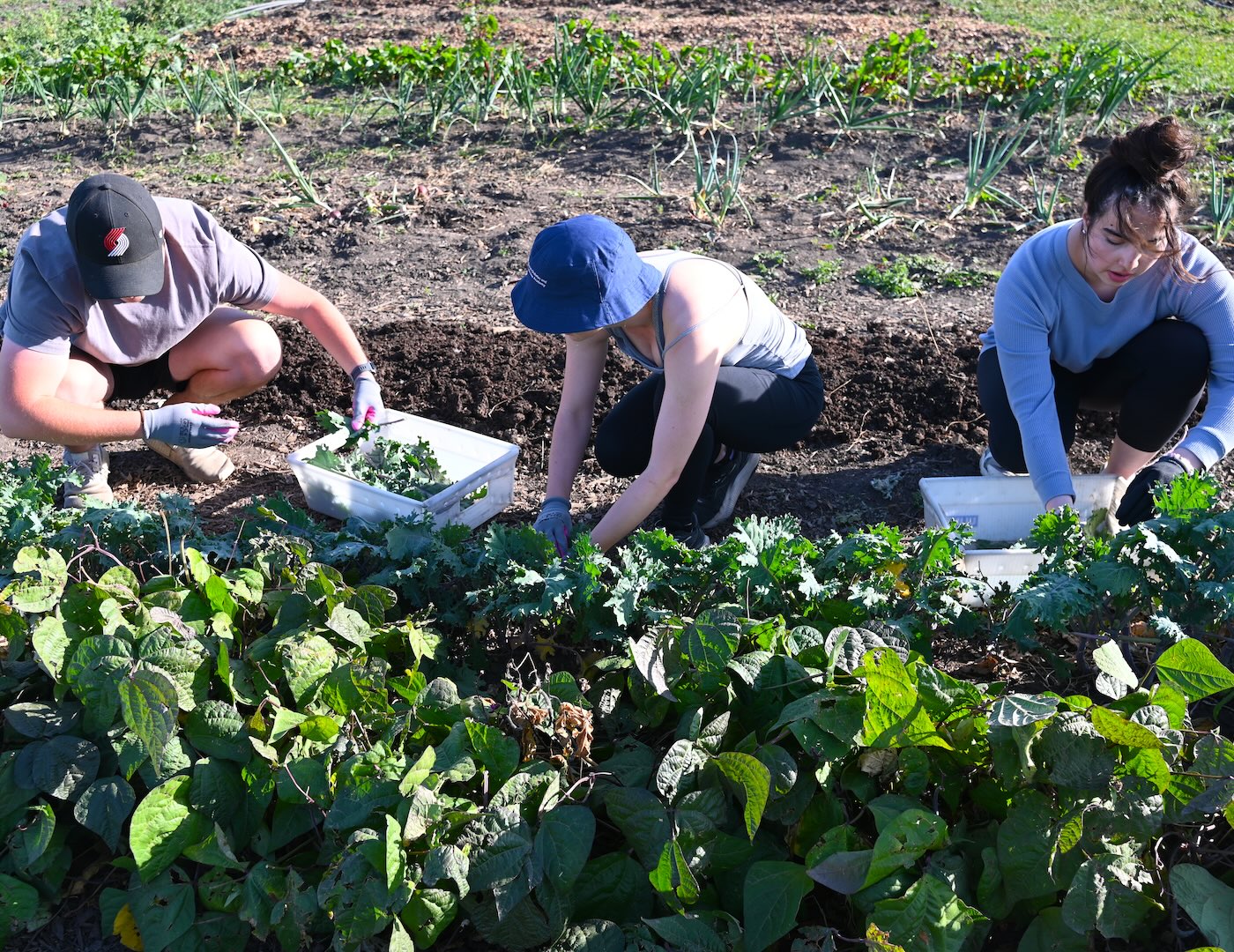
Learn more about experiential learning
Embedded in every program
Experiential learning (EL) involves active participation and reflection to connect theory and practice. It engages students in authentic scenarios that can mirror professional and community practices. All programs in the Faculty of ALES include EL, from in-class activities and required or optional courses to internships and practicum placements. For example, the following EL components are offered for students in related undergraduate programs:
Required
- The Human Ecology Practicum Program, which includes a minimum of 120 hours with a related organization.
- Renewable Resources field schools, such as REN R 101, a six-day course that introduces students to the broad field of forestry first-hand.
- Dietetics internship as part of the Dietetics Specialization, including a professional placement or practicum at approved sites across Alberta.
Optional
- Students in any ALES business management program can access the Business Co-op for a 12-month paid work experience.
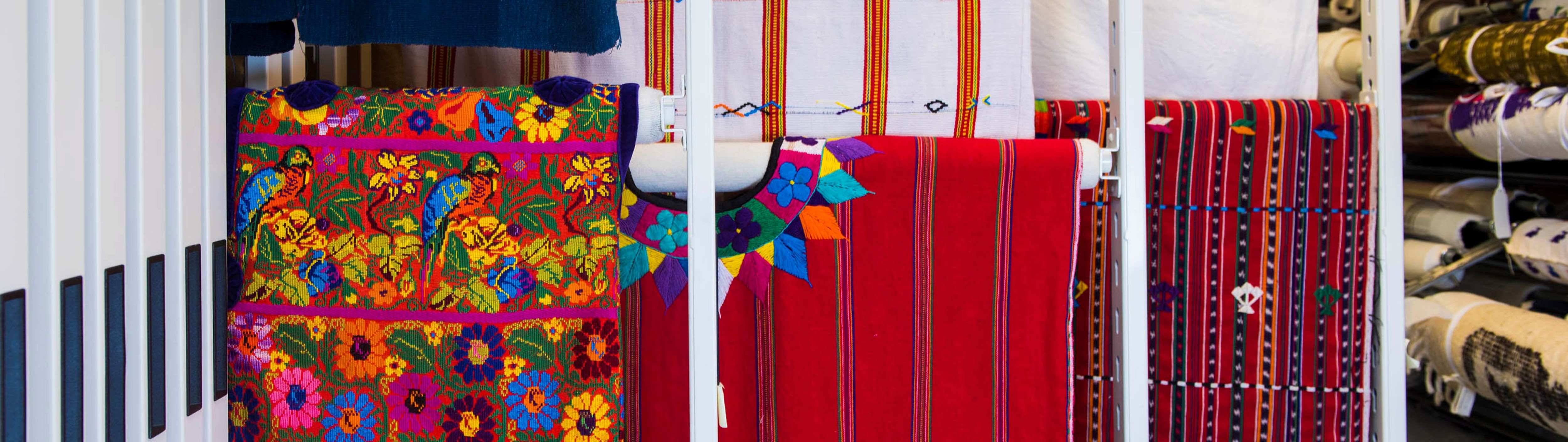
- In ALES 391, students can explore agriculture, food, environment, culture and social life in Mexico as part of a tour hosted by a professor and resource economist.
- The Semester in the North teaches and demonstrates the knowledge to help protect Canada's northern systems through courses at Yukon University.
EL Spectrum
Experiential learning (EL) opportunities within ALES courses come in all sizes. When choosing your courses, look for the range below to balance your schedule and cater to your learning style. Your course syllabus may include this colour scheme to help you assess the level of experiential learning in a course.
- Small: when EL endeavours count for 20 to 34 per cent of the final grade
- Medium: when EL endeavours count for 35 to 49 per cent of the final grade
- Large: when EL endeavours count for 50 to 64 per cent of the final grade
- Extra Large: when EL endeavours count for 65 per cent of the final grade
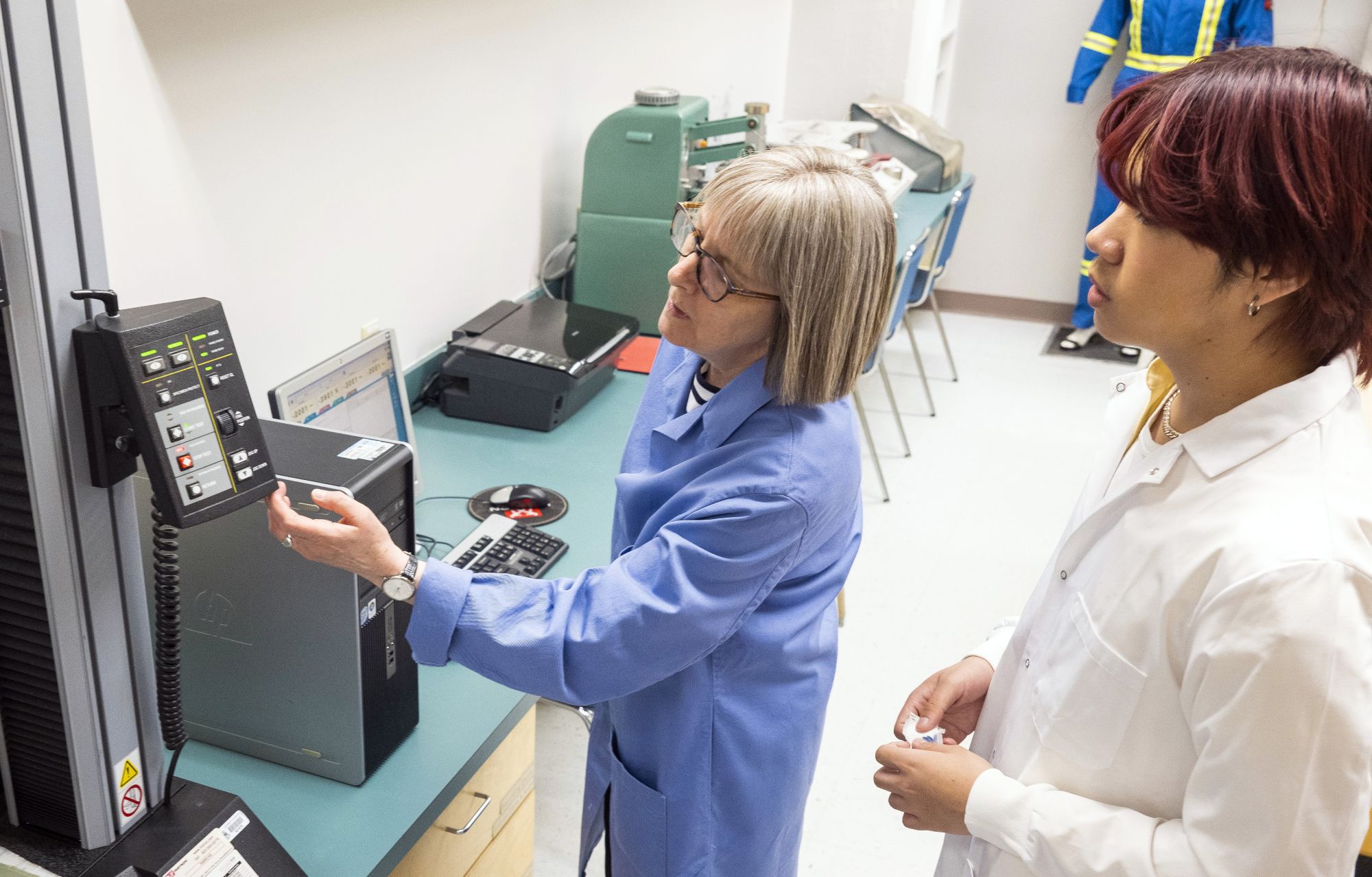
Incorporating experiential learning into the classroom
As an instructor or staff, you can add, increase or improve experiential learning opportunities in your course to improve student engagement, increase their confidence, and develop higher-order skills. Best experiential learning practices aim to have students take ownership of their learning by exploring, making decisions, solving real problems, reflecting and applying knowledge in practical contexts.
Experiential Learning News


Support Experiential Learning in ALES
Give ALES students the chance to engage in direct experiences and explore careers possibilities. Your support may cover costs related to travel, lodging, and bio-security gear — removing financial barriers so students can build skills, confidence and connections that launch successful, workplace-ready careers in high-demand sectors.
For more information on how you can support ALES experiential learning strategies, contact the ALES advancement team at give2ales@ualberta.ca.