2026 SSHRC-Funded Researchers: Insight Development and Partnership Engage

Congratulations to the Arts researchers who received SSHRC grants this year in the Insight Development and Partnership Engage streams.

Matt Bowes - 15 August 2026

Insight Development Grant (IDG)

Insight Development Grants support research in its initial stages. The grants enable the development of new research questions, as well as experimentation with new methods, theoretical approaches and/or ideas.
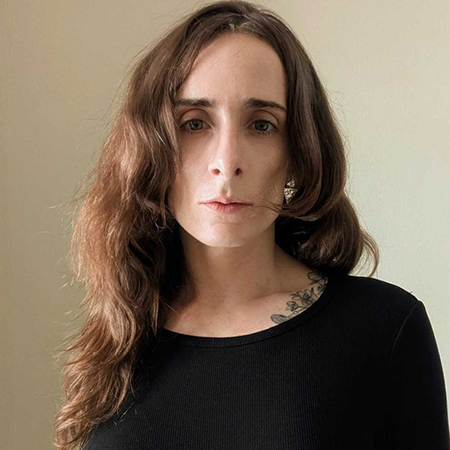

An image of Dr. Blair Attard-Frost, a woman in a black sweater looking directly at the camera.

"Advancing artificial intelligence governance systems for communities"

Blair Attard-Frost (Political Science) This two-year project will result in stronger protections for historically marginalized communities against harmful artificial intelligence (AI) technologies, with a focus on transgender communities. This project addresses an urgent social challenge: recent research confirms that many AI technologies–ranging from healthcare automation to facial recognition to generative AI–are subjecting transgender and other marginalized communities to physical, psychological, social, and economic harms. We will advance scientific and practical knowledge of community-led AI governance systems by studying the relationships between AI, governance, and trans communities, as well as by applying findings from the case of transgender communities to address AI governance challenges in other marginalized communities.
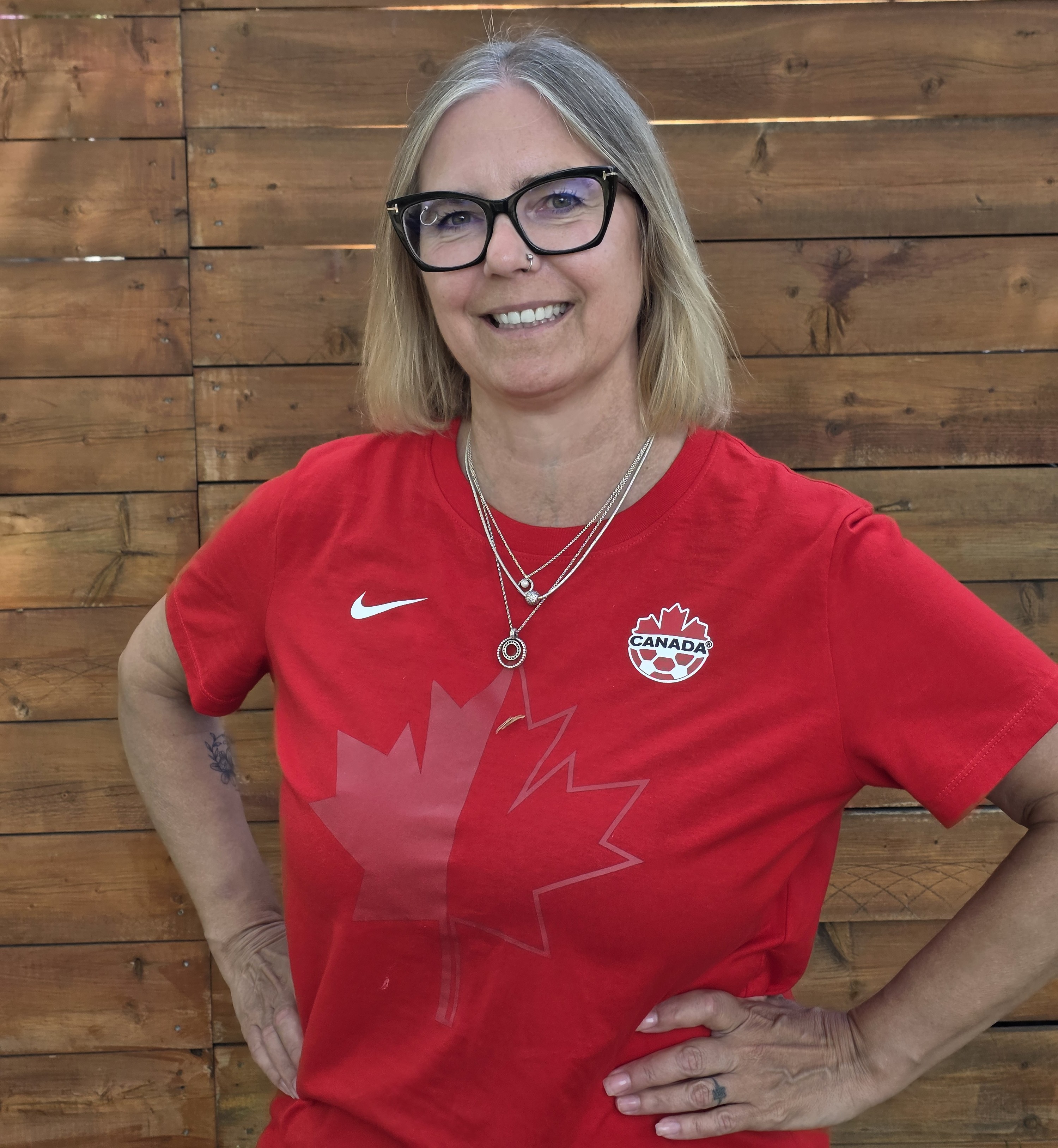
An image of Dr. Wendy Hoglund, a woman wearing a Team Canada soccer jersey while standing in front of a wooden fence.

"Individualized learning supports for reading and writing: Variation and resiliency among children at risk for learning difficulties"

Wendy Hoglund (Psychology)

Developmental delays in reading and writing continue to be among the leading educational concerns confronting young children in Canada. About 20% of children in Canada struggle with reading and writing. This research addresses gaps in knowledge and practice by examining how quality of classroom instruction and individualized literacy supports can improve literacy and cognitive skills for young children with reading and writing delays. This research will: (1) Conduct a scoping review of standard educational practices targeting literacy skills in kindergarten; (2) Assess associations between literacy skills, cognitive skills and standard educational practices in kindergarten; and (3) Develop and evaluate a set of individualized literacy supports and assess how these supports and classroom instructional practices benefit children at risk for reading and writing difficulties.

An image of Dr. Sylvia Ijeoma Madueke, a woman wearing a white shirt and standing in front of a yellow backdrop.

"Documenting Black Canadian Literature in Translation: Visibility, Knowledge Access and Community"

Sylvia Ijeoma Madueke (Modern Languages and Cultural Studies)
How do stories cross Canada's linguistic divide, and whose voices are shared across both official languages? This new research project explores the often-overlooked role of translation in shaping the visibility and circulation of Black Canadian literature. While Black Canadian writing is increasingly recognized as an essential part of Canada's literary landscape, little is known about how these works move between English and French. By examining this understudied aspect of Canada's bilingual literary culture, the project seeks to deepen our understanding of how translation influences access to these works and their place within Canada's broader cultural conversation and community.
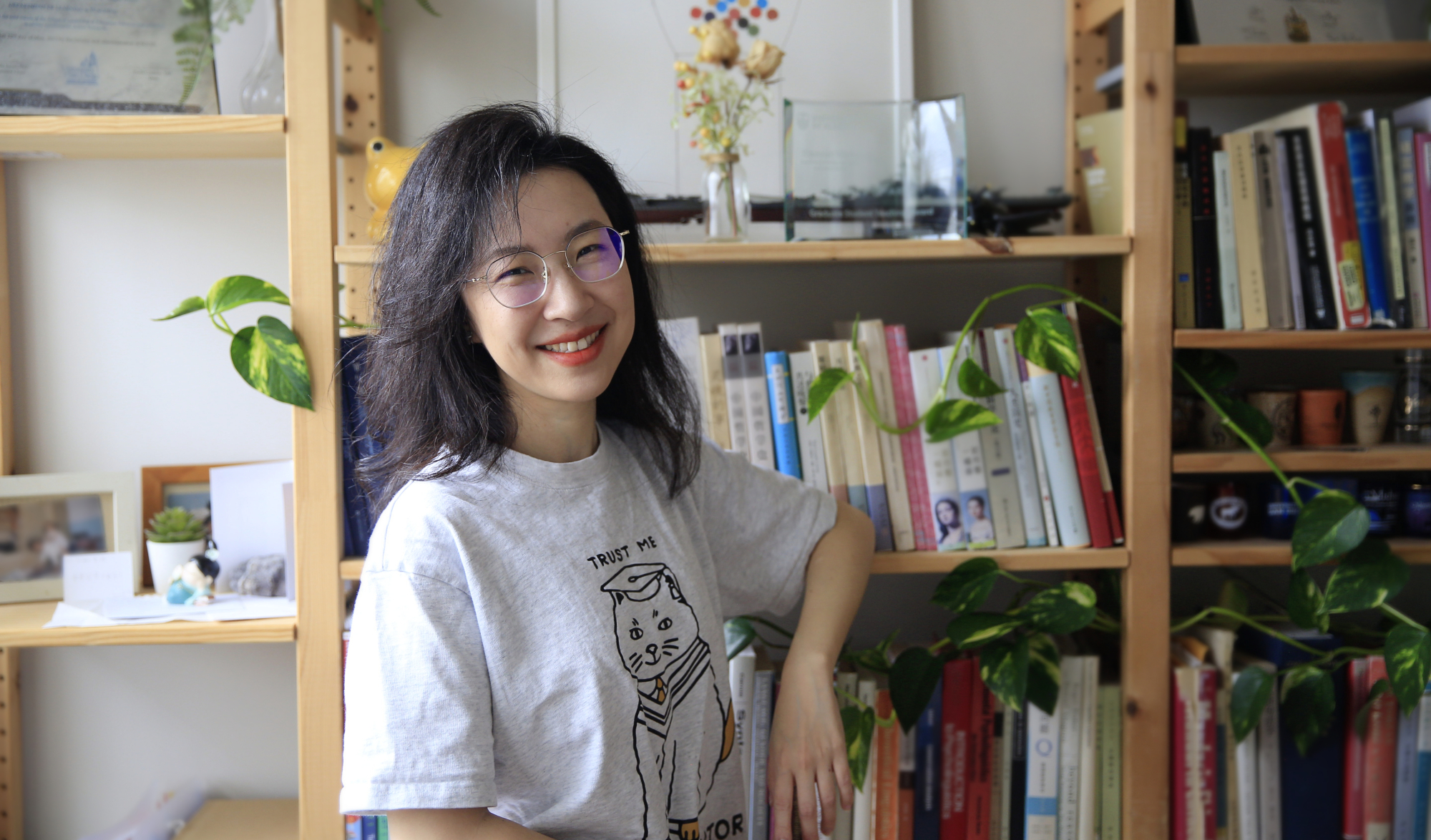
An image of Dr. Xiaoyun Wang, a woman wearing a white t-shirt and standing in front of a bookcase.

"An eye on help: Developing interactional competence in offering help in Mandarin as a second language"

Xiaoyun Wang (East Asian Studies)
The project investigates how second language speakers of Mandarin at different proficiency levels develop the ability to recognize emerging opportunities for assistance and coordinate linguistic and non-linguistic resources to offer help in real time. Drawing on wearable eye-tracking data and multimodal conversation analysis, the study aims to contribute to new understandings of second language development as an interactional and embodied process.

Check out a recent interview with Xiaoyun about her project in The Quad.
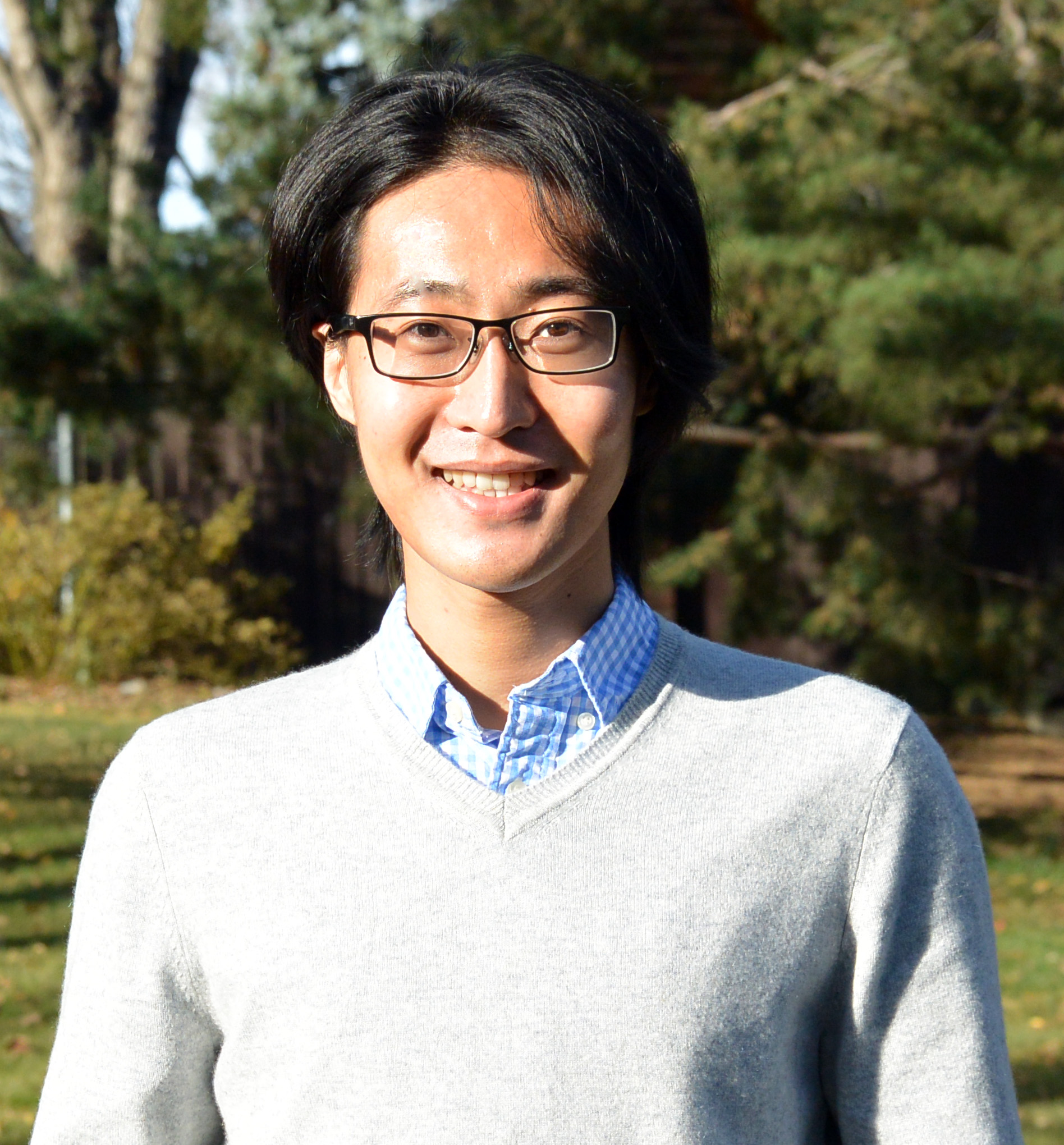
An image of Dr. Yao Zheng, a man standing outside in nature and wearing a grey sweater.

"Parental cultural socialization in the preservation of culture, tradition, and ethnic-racial identity among Asian Canadian communities"

Yao Zheng (Psychology)
Asian communities represent an important visible ethnic-racial minority group in Canada. They play increasingly important roles in building a successful and strong multiracial, multicultural, and multilingual Canadian society with the growing immigrant population. Unfortunately, there remains scant knowledge on how Asian Canadian communities maintain and preserve their cultural heritage, traditions, values, and ethnic-racial identity, especially in the face of systemic racism and everyday discrimination, across generations, as well as the rising anti-Asian racism since the onset of the COVID-19 pandemic. This project seeks to identify and synthesize the current pertinent Canadian literature that elucidates the practices Asian Canadian families use to maintain their cultural heritage, pass their culture and traditions onto next generations, while also integrate into Canadian society. We also aim to identify key parental practices from the perspectives of parents and youth that Asian Canadian families adopt to maintain and preserve their cultural heritage through a qualitative study using focus groups and individual interviews.

An image of Dr. Jiatong Zhong, a woman standing outside and wearing a yellow cardigan.

"Do family policies affect firms? Evidence from two recent Canadian reforms"

Jiatong Zhong (Economics)
Family-friendly policies such as paid parental leave and universal child care are controversial. Canada recently went through two major family policy reforms: an extension of paid parental leave in 2017 and the rollout of the Canada-wide Early Learning and Child Care System (CWELCC), a program expected to cost about $30 billion. While these policies may increase female labour supply, narrow the gender pay gap, and raise fertility rate, critics fear they can hurt employers, especially small businesses. Using a linked employer-employee dynamic database, this project aims to evaluate the impact of these reforms on Canadian workers and firms. Understanding employers' responses with data helps address a core controversy in family policy: do family policies really compromise firms’ competitiveness, or is such fear unfounded?

PARTNERSHIP ENGAGE GRANT (PEG)

PEG provides short-term and timely support for partnered research activities that will inform decision-making at a single partner organization from the public, private or not-for-profit sector. The stakeholder-driven partnerships supported through Partnership Engage Grants are meant to respond to immediate needs and time constraints facing organizations in non-academic sectors, giving them access to an expert consultant who can conduct short-term research to assist with a time-sensitive decision.

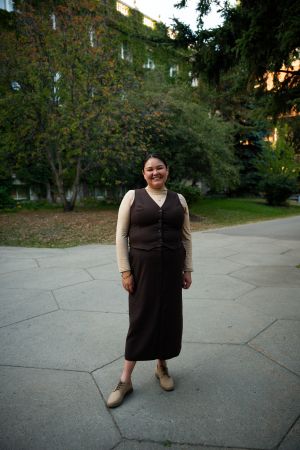
An image of Dr. Paulina Johnson, a woman wearing a brown dress and standing outside in front of an old building.

"Mîhskocîyâyâwin (Changes in Life Spirit): Nîpisîhkopâhk Views of Climate Change in Nipiy (Water) and Maskihkiy (Traditional Medicines)"

Paulina Johnson (Sociology)
Mîhskocîyâyâwin (the life spirit changes) is a Nêhiyawak concept to address climate change. Through partnership with Samson Cree Nation (SCN), we will host sharing circle workshops and land-based learning days to bring together Elders and Youth with a multidisciplinary team of researchers to understand how climate change impacts water and traditional medicines, and to co-develop a community relative methodological framework(s) to guide future research with, for, and in SCN. The legacy of settler colonial neglect impacts the land and water and this project will prioritize and elevate the community's lived experience and their existing community-based water governance. By focusing on water quality and the decline of traditional medicines, we aim to expand community sovereignty for advocacy, stewardship, and protection.