Master of Science (MSc) thesis-based
Advance the science that powers our world. Specialize through hands-on research and innovation to drive progress in chemical, process control, and materials engineering.
On this page
About The Program
What Is the MSc Thesis-Based Program?
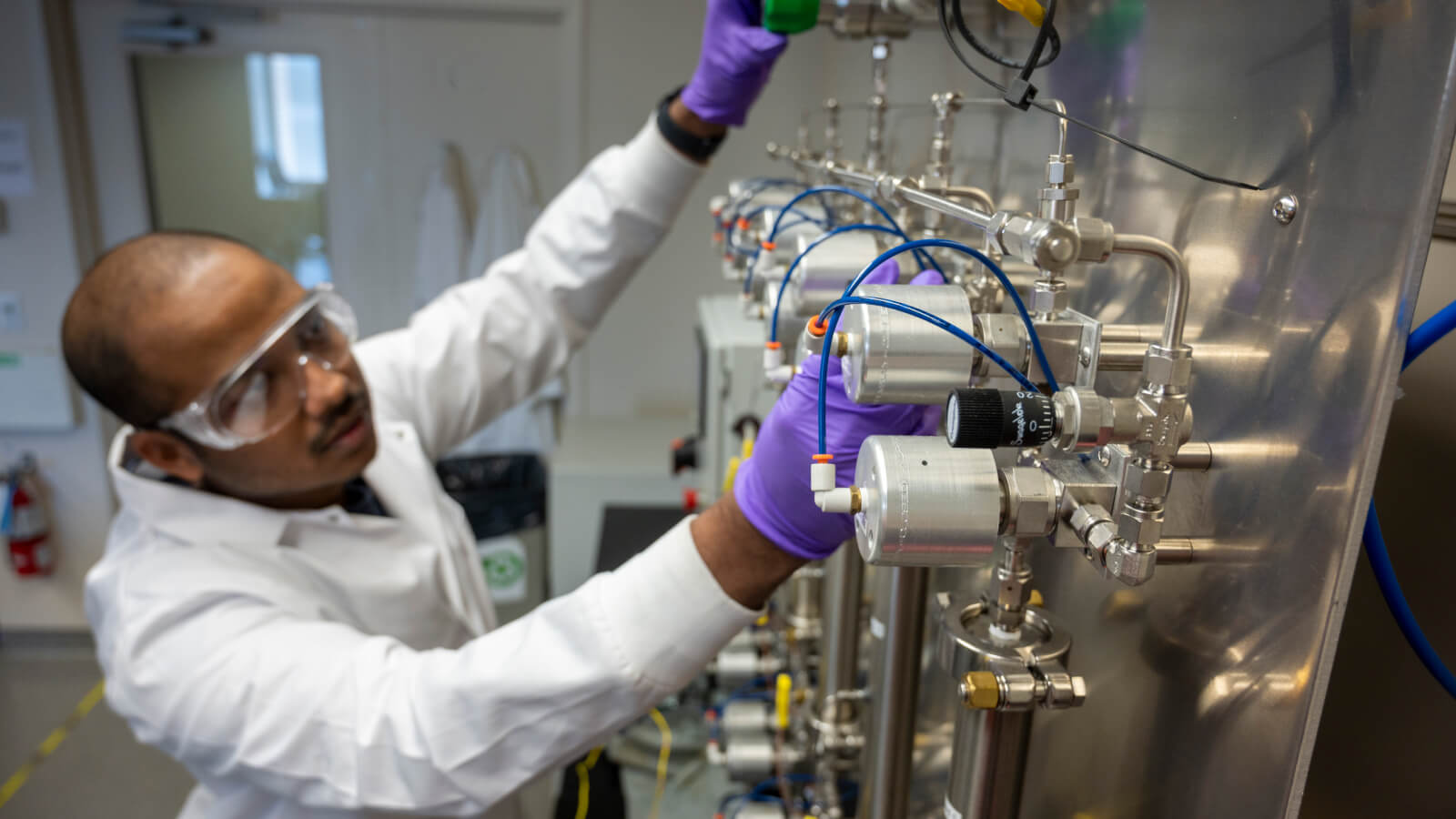
The thesis-based MSc is a full-time, research-intensive program that typically takes 2–3 years to complete. Students take a small number of graduate-level courses and must complete and defend a research thesis under faculty supervision. The program is designed to deepen technical expertise in a focused area, equipping students to tackle complex challenges in industrial and academic settings. Applicants are encouraged to connect with potential supervisors prior to applying.
Why Choose This Program
This program is ideal for students seeking to build advanced knowledge and research experience in a specialized area of engineering. You’ll engage in hands-on research, benefit from one-on-one mentorship, and access state-of-the-art labs and resources. Whether your interest lies in chemical processes, automation and control, or advanced materials, the MSc provides a strong foundation for career advancement or further academic study, guided by faculty involved in leading-edge, industry-relevant research.
Application Deadlines
Fall (September) Admission
- International students: April 1
- Canadian & Permanent Resident Students: August 15
Winter (January) Admission
- International students: October 1
- Canadian & Permanent Resident Students: December 1
Program Information
Degree
Master of Science (MSc)
Specializations
- Chemical Engineering
- Material Engineering
- Welding Engineering
- Process Control
2 - 4
years
Complete the program in 2-4 years.
Research Based
Students present a thesis showcasing independent research.4
specializations
Chemical Engineering, Process Control, Materials Engineering, and Welding EngineeringMinimum funding
of $23K (Domestic students) and $27K (International students) for the first two years of programProgram Objectives
- Gain specialized knowledge: Develop advanced understanding in a focused area of chemical, process control, or materials engineering through graduate coursework and original research.
- Build problem-solving skills: Equip students with analytical thinking, technical expertise and research skills to address complex engineering challenges.
- Foster innovation: Encourage creative approaches to developing new technologies, materials or methodologies improving efficiency, sustainability or performance in engineering systems.
- Engage in meaningful research: Provide hands-on research opportunities under the mentorship of faculty experts to prepare students for doctoral studies or advanced roles in industry.
- Encourage collaboration: Promote interdisciplinary collaboration within engineering and with external partners in academia and industry.
- Support ethical and sustainable practice: Instill an understanding of research ethics, safety standards and the societal and environmental impacts of engineering solutions.
Learning Outcomes
- Prepare graduates for a specialized career: Gain specialized expertise, evidence-based judgment, personal responsibility and initiative in complex and unpredictable professional environments.
- Master research methods and practice: Engage in substantial, faculty-supervised research that integrates theory with experimentation, preparing graduates for doctoral studies or research-driven careers.
- Collaborate across disciplines: Work closely with professionals in engineering to deliver real-world outcomes through joint projects.
- Develop critical evaluation skills: Learn to evaluate existing research and scholarship within a discipline or field of study
- Communicate with influence: Disseminate research findings effectively through peer-reviewed publications, conference presentations, grant proposals and stakeholder engagement.
- Uphold ethical and professional standards: Apply the highest levels of research integrity, ethical conduct and regulatory compliance. Ensure that technological advancements serve the well-being of patients and society.
Careers
Thesis-based MSc graduates are well-equipped for research-intensive roles in the private sector, government, or academia. Many pursue doctoral studies or move into specialized technical or leadership positions across industries such as energy, manufacturing, materials science, and automation.
- Process development engineer
- Materials research scientist
- Control systems analyst
- Research and development engineer
- Environmental or energy systems specialist
- Technical consultant
- PhD researcher or academic assistant
Get in Contact with the Graduate Department
For inquiries regarding admissions/applications for all graduate programs
Contact Engineering Graduate Admissions: cnasgrd2@ualberta.ca
Current graduate students in all programs
Contact Harper Paranich (Graduate Programs Advisor): cmegps@ualberta.ca
Associate Dean of Graduate Students
Contact Dr. Hao Zhang: hao.zhang@ualberta.ca