Research
The Department of Chemical and Materials Engineering is one of the leading research-intensive departments in North America. Our department attracts some of the best and brightest people from around the world whose research focuses on a variety of emerging and critical areas, including sustainable energy solutions and energy transitions, process control and artificial intelligence/machine learning, interfacial science, catalysis and reaction engineering, biochemical and biomedical engineering, and advanced materials and nanotechnology.
Check our our Research & Education Matrix to see how we apply core engineering principles to global challenges in energy, health, and sustainable production.
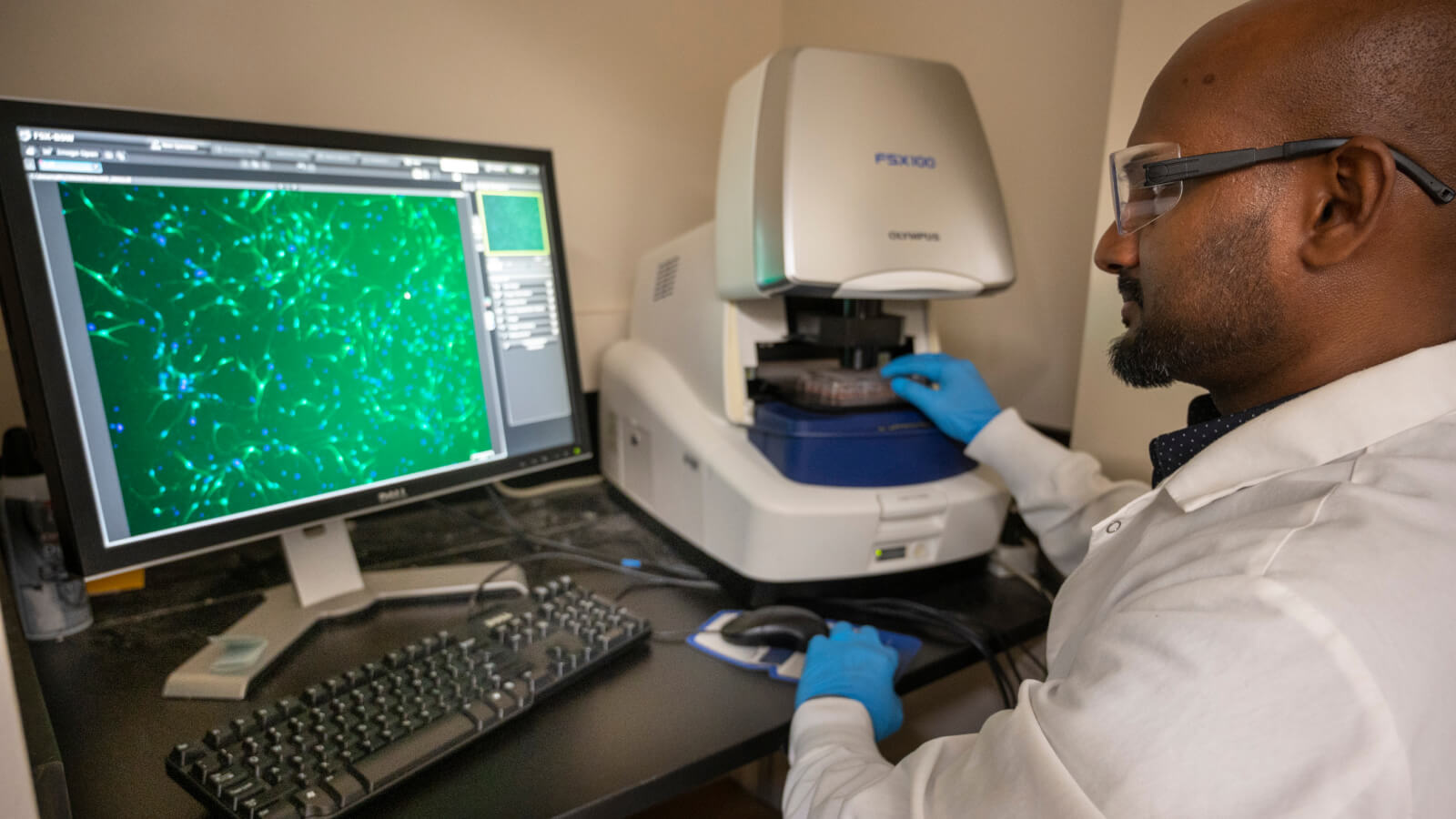
Biochemical and Biomedical Engineering
Biochemical and biomedical engineering apply engineering to biology and medicine, focusing on biomaterials, nanomedicine, regenerative medicine, microbial bioprocessing and bacteriophage-host interactions. Applications range from healthcare and pharmaceutical sot agriculture, energy and pharmaceuticals and environmental systems.
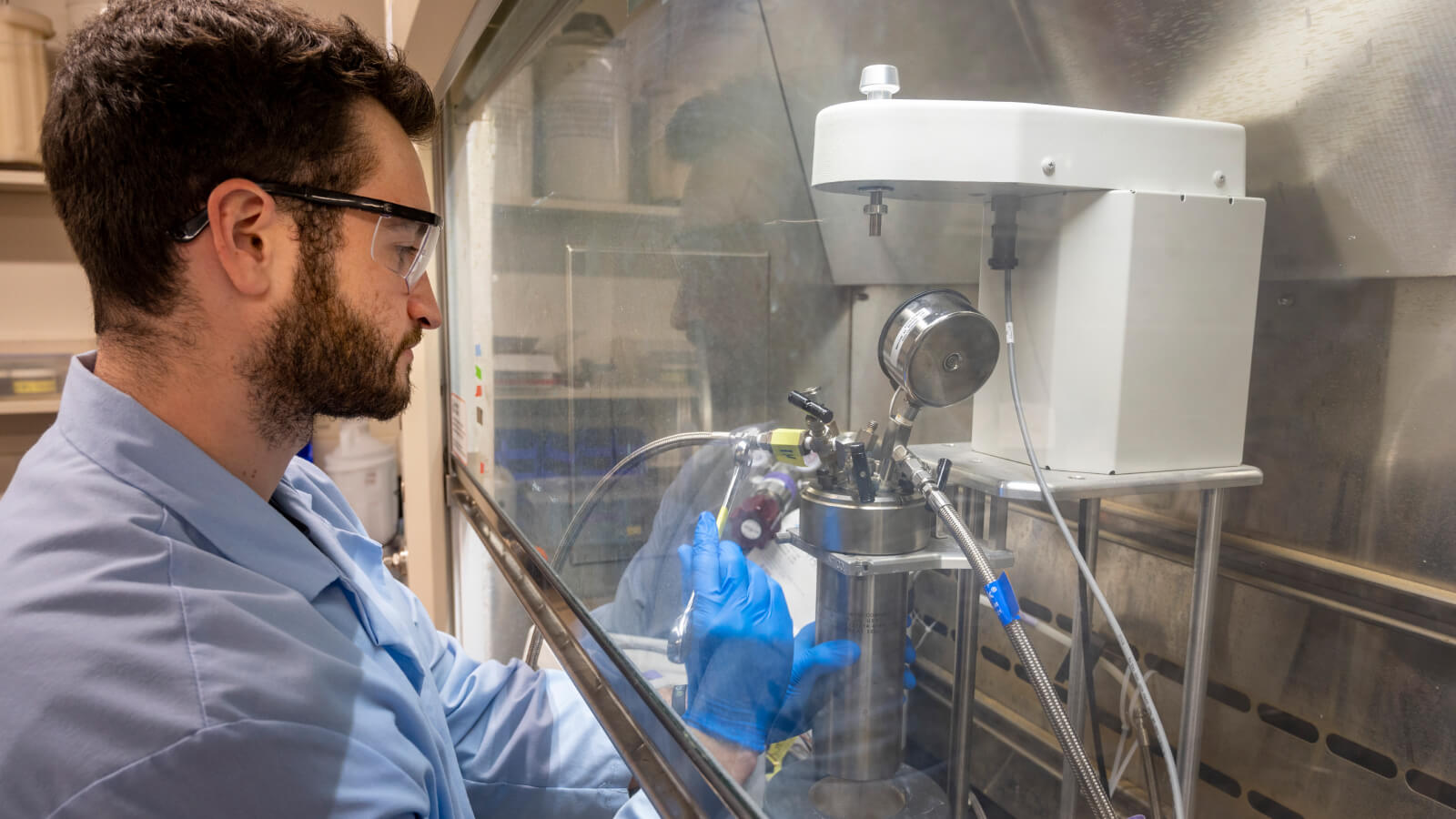
Corrosion and Wear
Our research in corrosion and wear focuses on fundamental studies on the breakdown of engineered materials due to exposure, strain and the impact of processing. The applications are varied, and include pipeline steels, coatings, materials for renewable energy technologies and the development of wear-resistant materials.
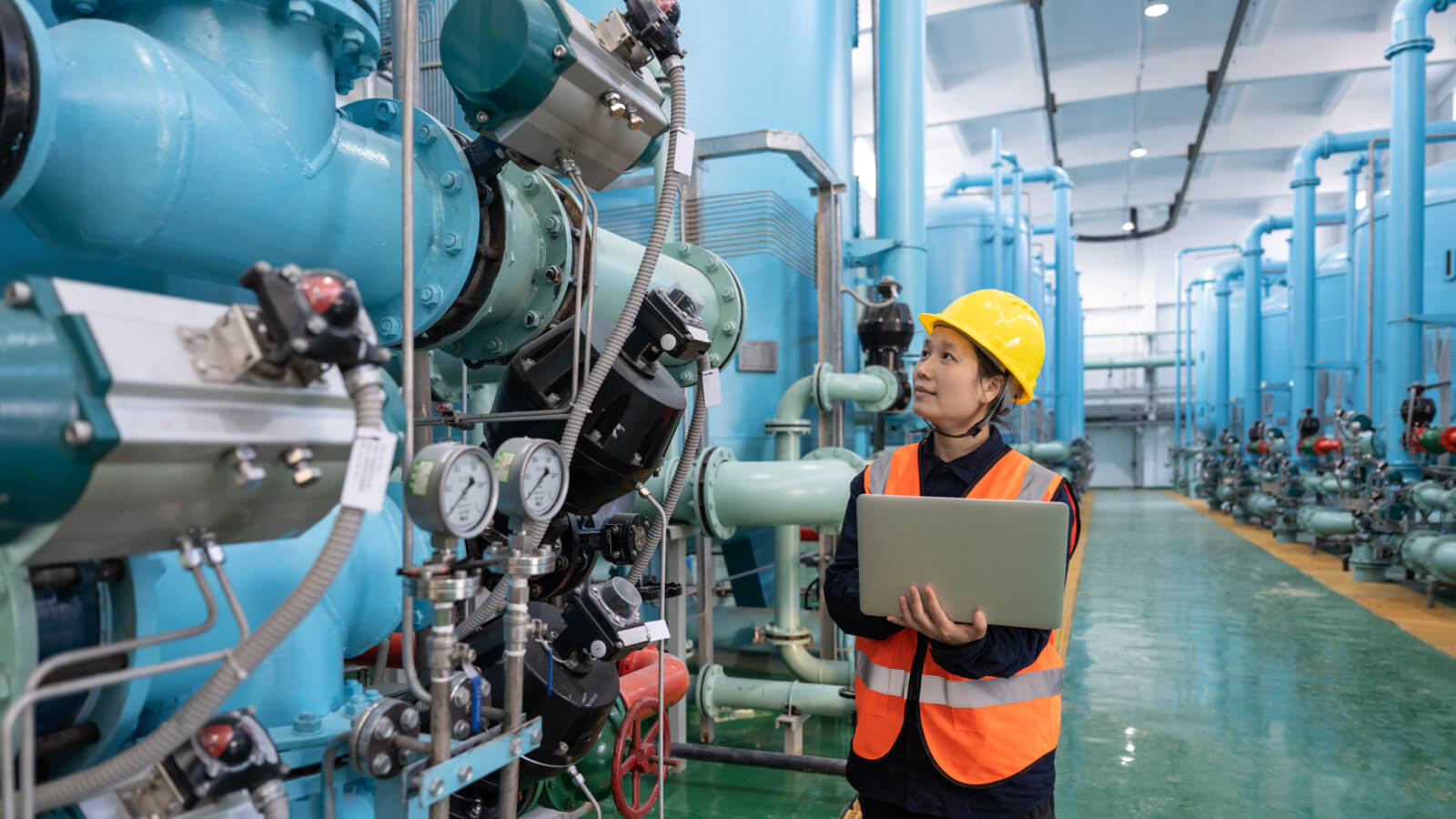
Energy
With a focus on the responsible stewardship of energy transitions, energy research focuses on contributing to breakthroughs in renewable technologies like batteries and fuel cells, and develop sustainable processes for net-zero energy solutions.
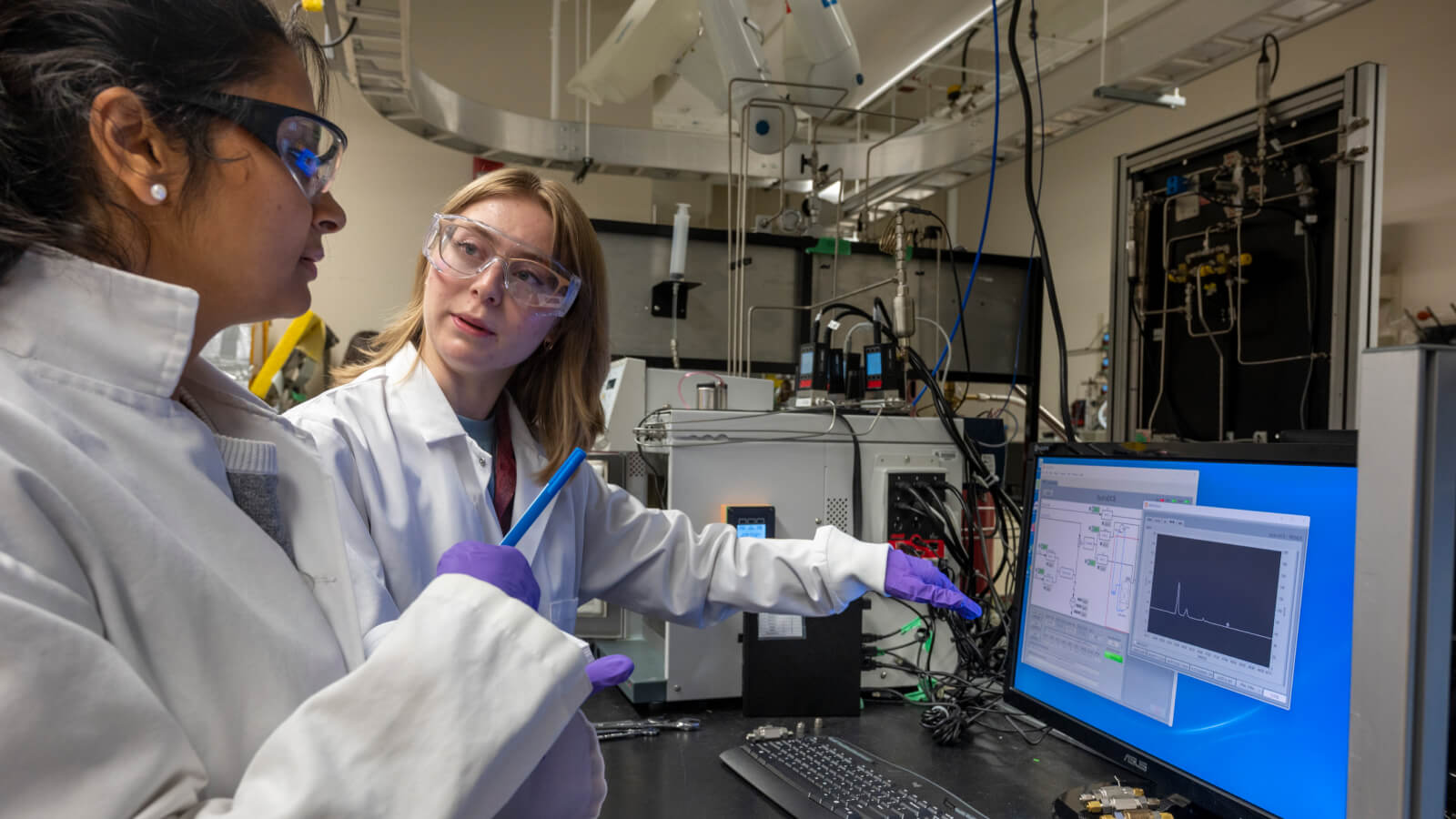
Fluid Dynamics and Transport Phenomena
Fluid dynamics and transport phenomena research focuses on developing fundamental understanding that leads to insights on how best to improve performance and reduce environmental impact.

Metallurgy and Welding
Research in metallurgy and welding focuses on the fundamental science linking the processing, structure, properties and performance of metals. Our work includes rapid solidification, metal-matrix composites, welding physics and additive manufacturing, all of which are foundational to many manufacturing industries.

Mineral Processing
Research in mineral processing focuses on separating valuable minerals from their ores, specializing in fine and ultrafine particle separation, froth flotation, polymer-assisted methods, comminution, the rheology of mineral slurries, and mineral carbon sequestration.

Multiscale Modeling
The department has expertise and significant research contributions at various scales of modeling and in varied applications. For example, our researchers use density functional theory and metadynamics to identify, from first principles, the mechanisms of reactions in the presence of solvents for biofuels production. Molecular dynamics is used to study microstructural evolution and defects in polycrystalline materials, mesoscale modeling to study materials and reactions at larger length and time scales, and reactor and process scale models to develop aggregate predictions of performance.

Nanomaterials and Nanofabrication
Nanomaterials and Nanofabrication involves the application of materials science and engineering at the nanoscale, and our researchers have used these techniques for varied purposes, including semiconductor device development, biomedicine and molecular self-assembly.

Polymers
Polymers are ubiquitous, and the department’s research in this area encompasses both the chemical and materials aspects. Research areas of focus include polymer and biopolymer synthesis, polymerization kinetics, polymer rheology and physical properties, microstructural characterization, molecular modeling and polymeric gels.

Process Control and Systems Engineering
Process control and systems engineering studies how to optimize system behavior for efficiency and safety, using artificial intelligence and big data. Applications span energy, biofuels, carbon capture, agriculture, biomedicine and water systems.
Reaction Engineering and Catalysis
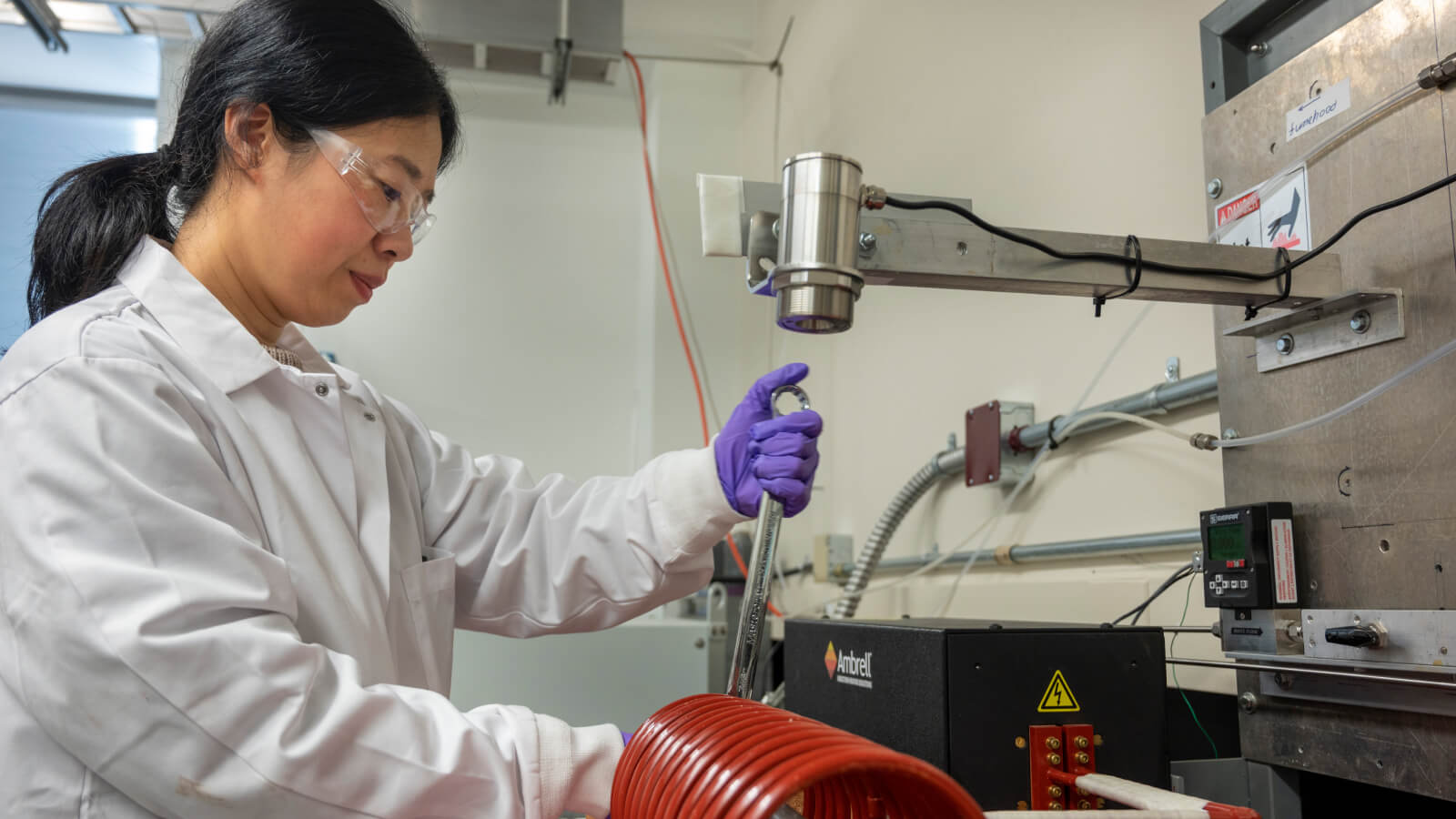
Reaction engineering and catalysis are central to chemical processes, focusing on reaction rates, mechanisms and reactor design. Catalysts enhance reaction efficiency and selectivity, making large-scale production of valuable products feasible in nearly all industrial chemical processes.
Surface and Interfacial Science
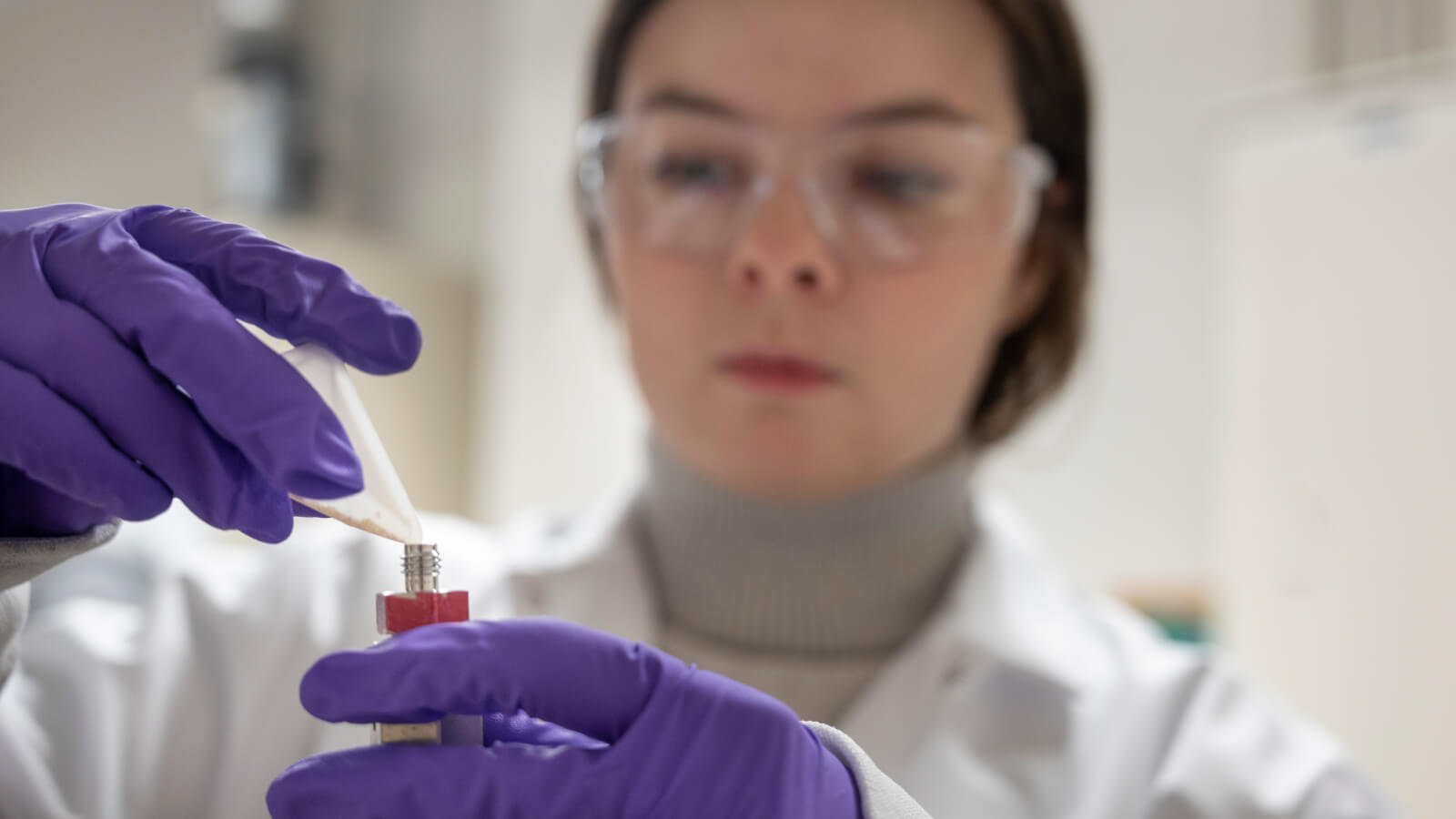
Surface and interfacial science and engineering is at the heart of investigations into energy from (e.g., batteries, fuel cells and solar cells, or in oil-water mixtures), catalysis to biomedical and biochemical applications. Our department has a long history of leadership in research in this space, especially in areas such as energy and cryopreservation.
Thermodynamics
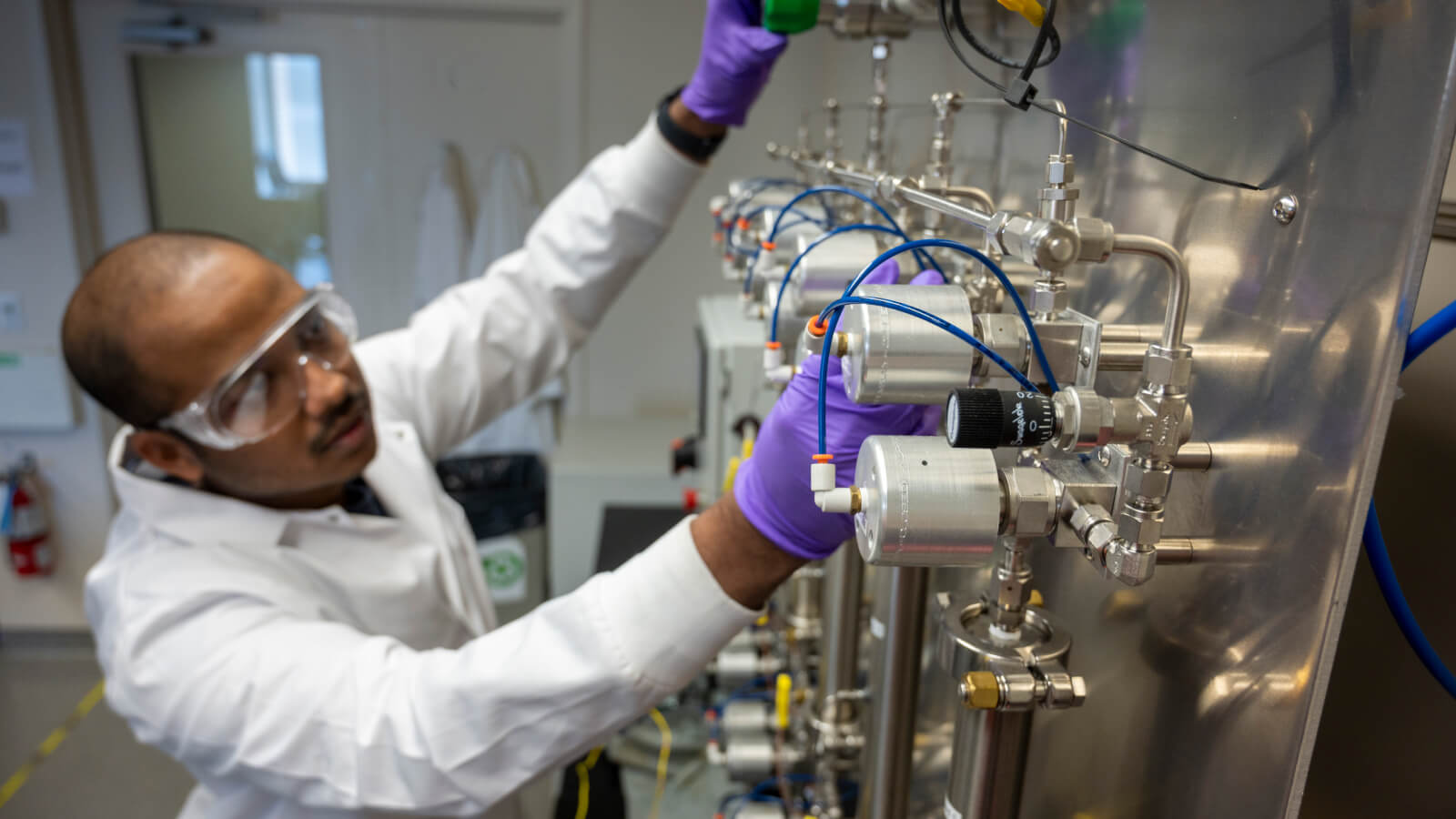
Thermodynamics research focuses on its application in areas such as reactions and chemistry, cryobiology and cryopreservation, colloids and surfaces, polymer blends, and microstructural evolution in materials.