Surface + Interfacial Science
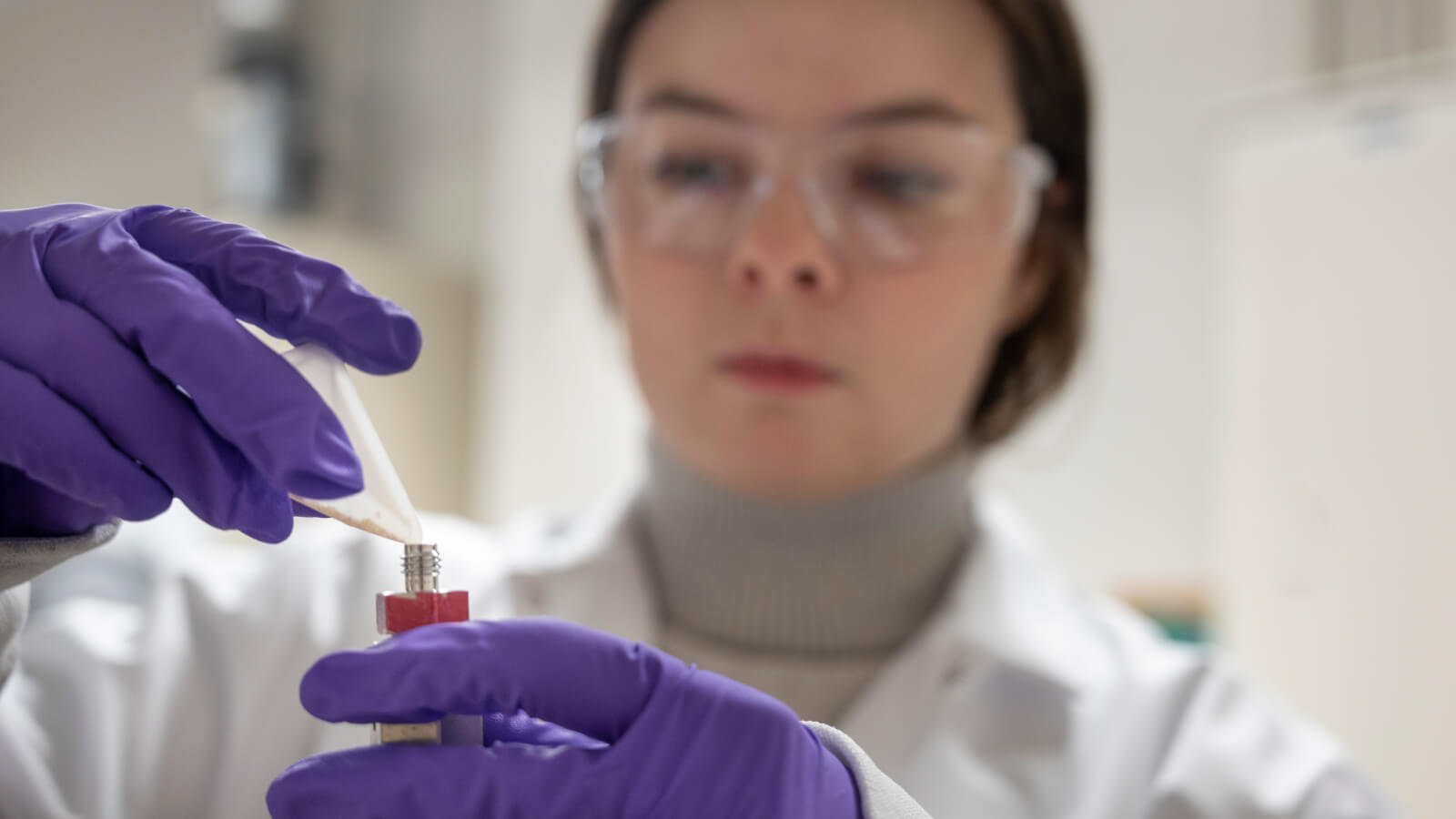

Surface and interfacial science explores how materials interact at boundaries, impacting technologies in energy, catalysis and biomedicine. Our department has a strong legacy in this field, with leading research in batteries, fuel cells, oil-water systems, and cryopreservation, contributing to innovations in clean energy and life sciences.
Surface and interfacial science and engineering focuses on the physical and chemical interactions that occur at the boundaries between different phases—solid, liquid and gas. These interactions are critical to a wide range of technologies and natural processes. In our department, researchers study interfaces in energy systems such as batteries, fuel cells, and solar cells, where surface reactions govern performance and efficiency. We also investigate oil-water interfaces, relevant to both energy extraction and environmental remediation. In biomedical and biochemical applications, understanding interfacial behavior supports advancements in drug delivery, diagnostics, and cryopreservation, where controlling surface interactions is essential to preserving biological samples. By uncovering the mechanisms at play at surfaces and interfaces, we develop new materials and technologies that enhance energy storage, improve medical outcomes and enable more sustainable and efficient industrial processes.
Possible Careers
- Fuel cell engineer
- Thin films and coatings engineer
- Interfacial engineer (oil-water systems)
Current Research
Mastering the Boundary: Engineering the Interfaces of Chemical and Biological Systems
Explore the critical, often-overlooked boundaries where materials meet—the surfaces and interfaces that govern chemical reactions, physical stability, and biological responses. Research in this area is foundational, focusing on colloids, interfacial phenomena, and engineering surfaces with precise functionalities. Our researchers' understanding of surface energy and wetting behavior is applied to solve major industrial challenges, including enhancing separation processes in oil sands and critical minerals, and designing advanced tribological materials to minimize wear and corrosion. On the biomedical front, the research engineers bioactive and bioresponsive surfaces for implants, sensors, and targeted drug delivery systems. The work explores how engineering surfaces controls overall material performance, durability, and biocompatibility.