Cross-Disciplinary
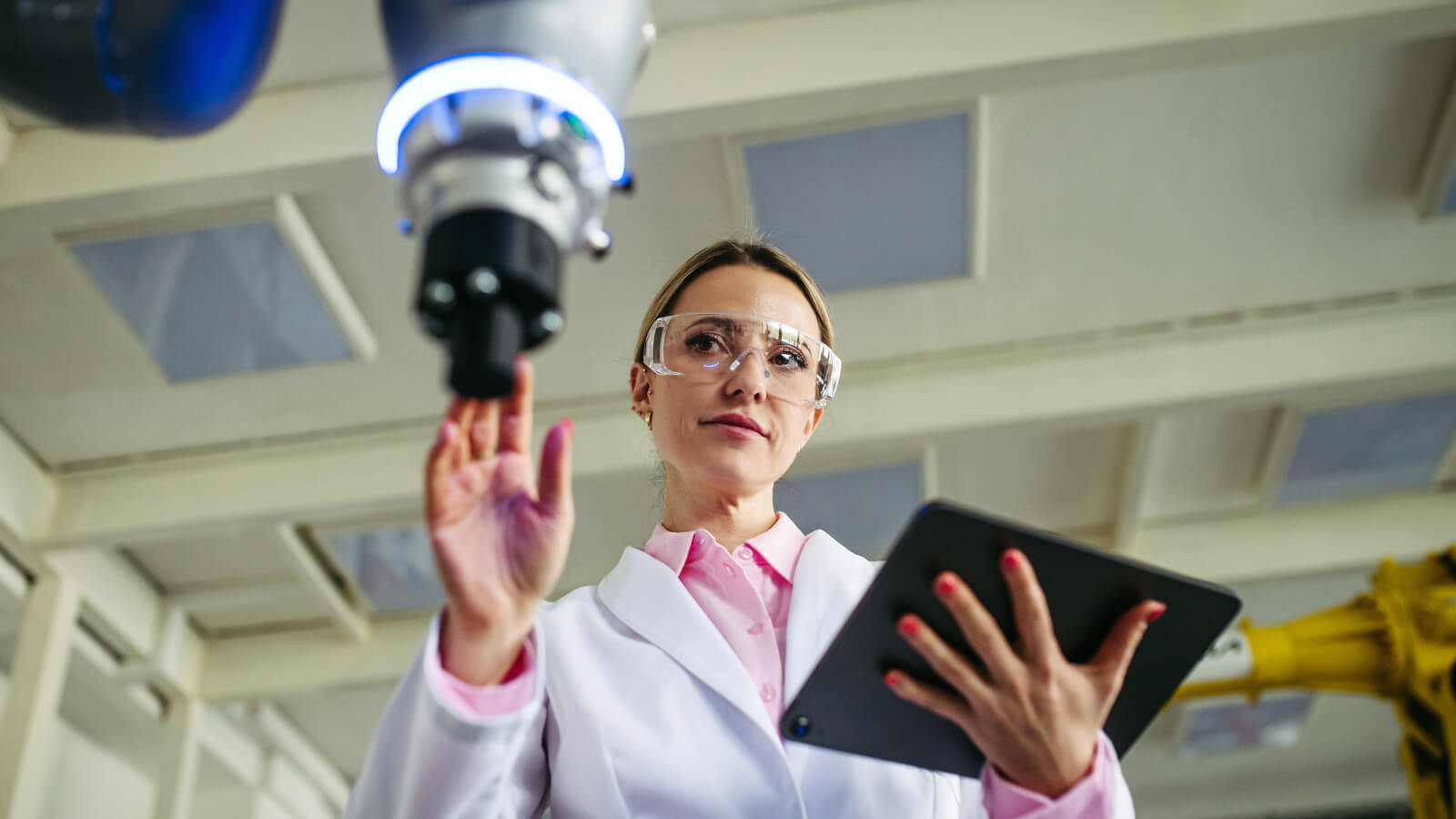

The cross-disciplinary program provides an outstanding and unique environment for research and education by connecting innovative minds, bridging different disciplines, and exploring new frontiers. This stream provides students with the opportunity to pick new and innovative areas of research outside the traditional areas of specialization.
With a cross-disciplinary research background, you can use modern technologies to realize sustainable construction projects such as smart cities, AI and robotics for advanced infrastructures, sustainable buildings, pipelines installed trenchlessly, and pavement and buildings for cold-climate regions.
Possible Careers
- Construction companies
- Public works departments
- Resource industries
- Engineering consultants
- Energy utilities and companies
- Developer
- Cross-disciplinary researcher
Areas of Specialization
Energy Efficient Smart Buildings and Net-zero/Net-plus Energy Homes
This research focuses on the development, modelling, methodologies and concepts of advanced building systems and technologies. This includes mass-timber building fabrics, energy-efficient space heating and cooling systems, and intelligent home systems, building-integrated thermal energy storage and energy codes-compliant and cost-effective housing designs. These systems and technologies will increase the sustainability and resilience, reduce the energy consumption and affordability of buildings. This research also helps building designers and operators more accurately predict the performance and behaviour of new and existing building systems and better integrate the different systems and components within buildings to make them resource-efficient and effective.
Underground Infrastructure and Trenchless Construction
This research theme focuses on the engineering, construction, condition assessment and renewal of underground infrastructure, with particular emphasis on trenchless technologies in cold-climate conditions. The objective is to make the installation and rehabilitation of buried utilities — water, wastewater, energy, and telecommunications — safer, more cost-effective and less disruptive than traditional open-cut methods.
Research advances techniques such as horizontal directional drilling (HDD), microtunneling, pipe bursting, and cured-in-place pipe (CIPP), developing risk databases, design tools, real-time monitoring systems and engineering standards that give owners and regulators the confidence to adopt them more widely. The work spans the full lifecycle of buried assets, from new installation through inspection, rehabilitation, replacement and risk-based asset management. This work integrates geotechnical engineering, materials science, data analytics, and real-time sensing, increasingly intersects with subsurface utility engineering and fibre-optic deployment.
Delivered through the Canadian Underground Infrastructure Innovation Centre (CUIIC) in partnership with industry, municipalities and utilities across Canada, this research supports robust short-, medium-, and long-term decision-making for the resilient and sustainable management of the nation's aging underground infrastructure.
Psychophysiological approaches to construction and built environments
Our job, as civil engineers, is to design, create, and operate the surroundings that shape everyday life—from cities, buildings, parks, and sidewalks to workplaces, including harsh ones such as construction sites—to help diverse people live and work safely, healthily, comfortably, productively, and equitably. This job requires a deeper, evidence-based understanding of how diverse people actually perceive, feel, suffer, and respond within these surroundings, including marginalized populations whose experiences are often overlooked. To this end, we integrate wearable biosensors, IoT systems, cameras, and other sensing technologies with AI analytics and theories from psychophysiology, neuro-cognitive systems, and social behavior. The resulting insights are translated into adaptive management strategies and decision-support systems, supported by robotics and digital simulations, that can operate and manage built environments in more human-centered ways.