Transportation
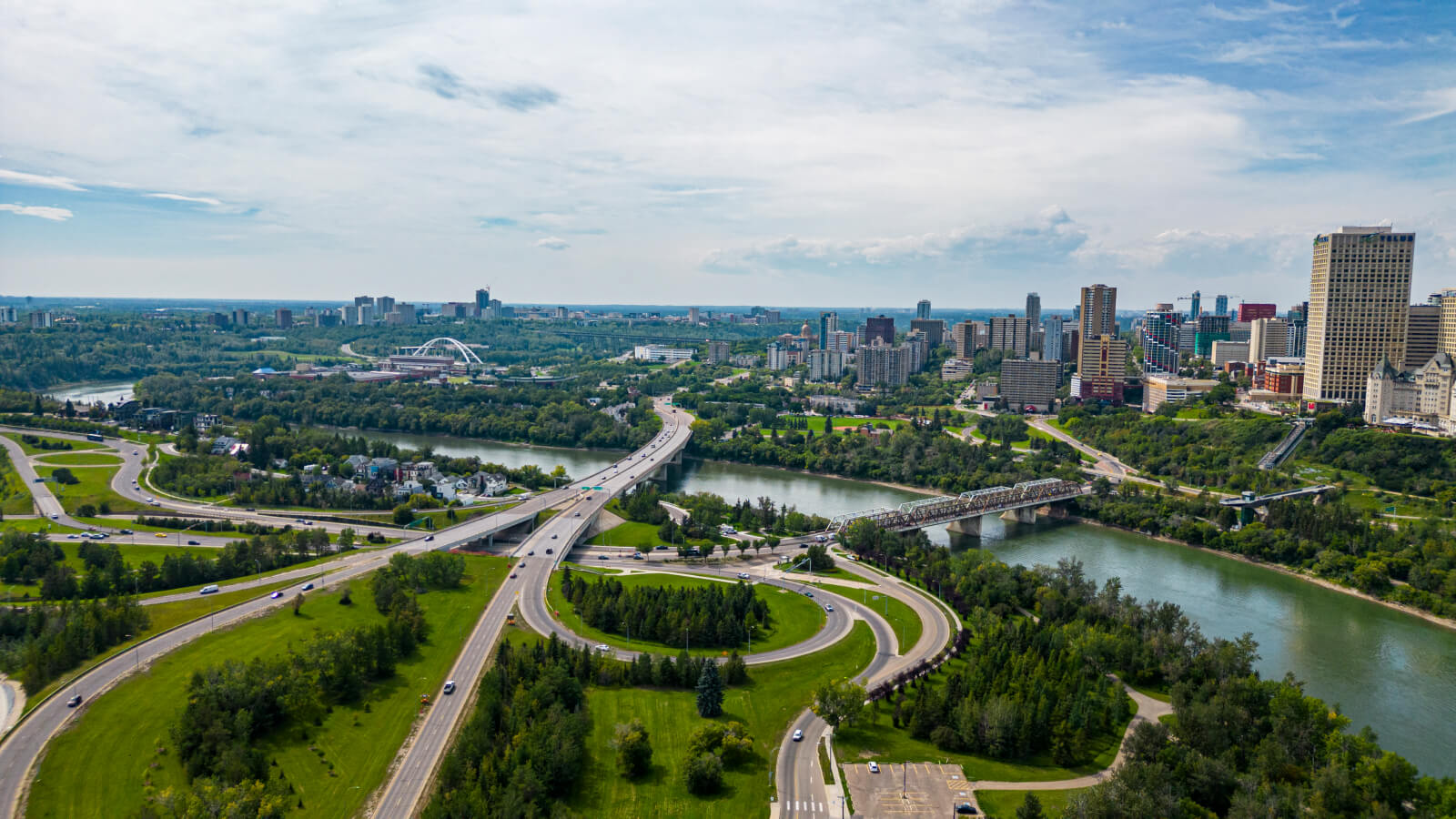
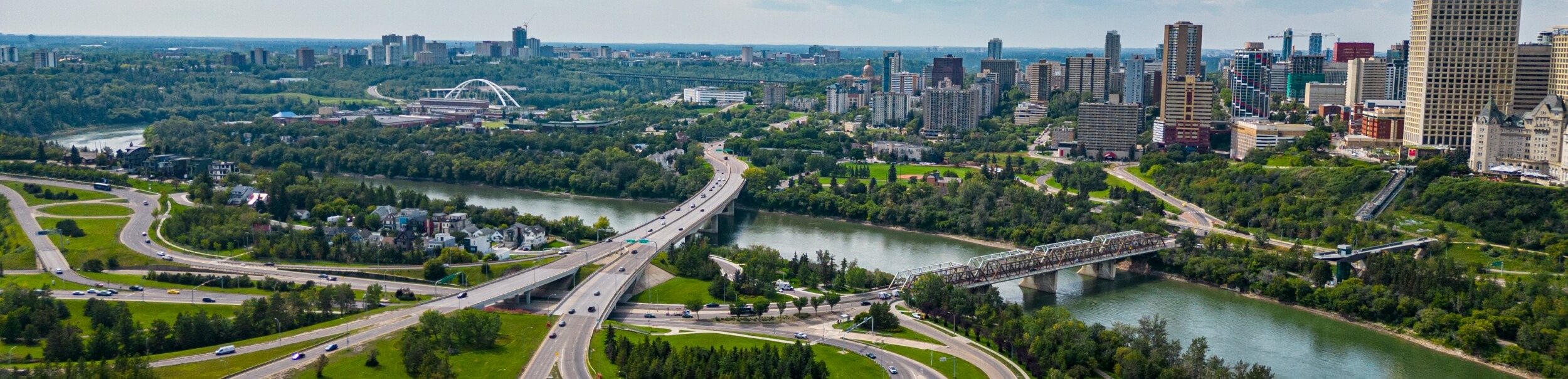
Our transportation engineering research addresses pressing environmental, social, economic, and technological challenges in modern transportation systems through innovative, sustainable, and inclusive research. Our work spans transportation safety and mobility, intelligent transportation systems, infrastructure monitoring, mobility planning, climate resilience, and data-driven decision-making to support efficient, equitable, and future-ready movement of people and goods.
Revolutionize how the world moves. We go beyond traditional engineering to develop forward-looking solutions for livable cities and sustainable rural prosperity. Our research-intensive approach tackles the industry's most complex challenges—road safety, intelligent systems, and demand modeling—through powerful industry partnerships. Join a community dedicated to fostering healthier, more connected environments and transform your technical expertise into high-impact societal change.
Possible Careers
- Transportation engineer
- Transportation planner
- Transportation program manager
- Transit planner
- Projects manager
- Traffic engineer
- Transportation modeller
- Travel demand estimator
- Systems analyst
- Traffic impact assessor
- Transportation authority
Areas of Specialization
Our transportation engineering program addresses the interconnected technical, economic, social, and environmental challenges associated with modern transportation systems. Major research areas include urban traffic safety and mobility, winter road maintenance, intelligent transportation systems, equitable human-centred design, and resilient, sustainable, and multimodal transportation. To advance these areas, our research emphasizes the integration of advanced data collection, analytics, computing science, and AI-based modelling approaches. Reflecting transportation’s inherently interdisciplinary nature, our work incorporates knowledge from fields such as behavioural science, public health, geographic information sciences, telecommunications, and data and computing sciences. Our faculty also provide students and trainees with opportunities to apply their knowledge by developing practical tools and processes for government, industry, and community partners, including the City of Edmonton.
Safety, Equity, and Accessibility in Transportation
This research area prioritizes transportation safety through an inclusive, human-centered lens. By integrating advanced data analytics with behavioral science, the program identifies collision patterns and risks to inform targeted infrastructure improvements and policy interventions. A significant focus is placed on equity and accessibility, ensuring systems are responsive to vulnerable populations and public health. By combining technical innovation with community engagement and discrete choice modeling, this work develops equitable transportation networks and data-driven policies that prioritize the well-being and mobility of diverse communities.
Sustainable and Resilient Transportation for a Changing Climate
This research area tackles the dual challenge of minimizing environmental impact while fortifying transportation systems against climate change and extreme events. By integrating sustainable mobility—such as electrification and active transport—with advanced resilience modeling for natural disasters, the program develops infrastructure that is both low-carbon and robust. Key innovations include optimized winter road maintenance, evacuation behavior modeling, and strategies to mitigate public health risks like thermal stress and pollution. Ultimately, this work engineers adaptable, energy-efficient networks designed to thrive in an increasingly unpredictable climate.
Intelligent, Connected, and Automated Transportation Systems
This research area advances next-generation mobility by integrating communication technologies, automation, and real-time data. At its core are Intelligent Transportation Systems (ITS) and connected/automated vehicles, utilizing vehicle-to, -vehicle, - infrastructure and -everything frameworks to create responsive, data-driven networks. By combining advanced traffic management with cyber-physical systems, the program develops adaptive infrastructure that dynamically mitigates congestion and enhances flow. Ultimately, this research links physical systems with digital intelligence to engineer safer, more efficient, and more reliable transportation environments.
Digital Infrastructure, Sensing, and Spatial Intelligence
This research area digitizes transportation infrastructure through advanced sensing technologies like LiDAR, satellite imagery, and aerial mapping to create high-fidelity digital twins. By integrating Geographic Information Systems (GIS) with machine learning and explainable AI, the program enables automated feature extraction and precise predictive modeling for traffic volumes and road conditions. This data-driven approach enhances the accuracy and scalability of spatial analytics, providing a robust foundation for proactive maintenance and informed urban planning. Ultimately, these innovations transform how networks are monitored, ensuring enhanced system performance and reliable digital representations of roadway environments.
Transportation Network Modeling, Operations, and Optimization
This research area optimizes transportation networks through advanced modeling and simulation to enhance efficiency and resilience. By analyzing complex dynamics like congestion and rerouting across multimodal systems—including transit, cycling, and emerging mobility—the program provides a comprehensive evaluation of network performance. Research focuses on designing intelligent control strategies to improve traffic flow and strategically placing critical infrastructure to maximize system effectiveness. Additionally, by examining network performance during disruptions like evacuations or failures, this work builds a foundation for more reliable, adaptive, and high-performing transportation grids.