Employees
Employees
Incident Lessons Learned: Idling Vehicles Near Fresh Air Intakes
4 December 2025
Summary
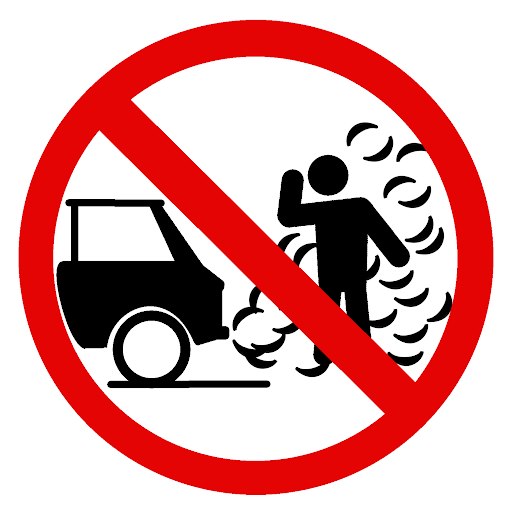
Over the last several months there have been multiple reports of exhaust like odours in lab and office spaces. On at least one occasion, a vehicle was found to be idling near building fresh air intakes.
Exhaust gases and aerosols from internal combustion engines (in vehicles or other sources) contain substances that can cause irritation and pose a hazard to human health. These exhaust substances are complex mixtures of the following:
- Solid particulates: ash, soot, and metal oxides
- Organic compounds: hydrocarbons such as aromatic compounds and ketones
- Gaseous and semi-volatile components: sulfur oxides, nitrogen oxides, carbon monoxide and carbon dioxide
When vehicles idle near fresh air intakes, exhaust substances can be drawn into a building's HVAC system (heating, ventilation, and air conditioning) and distributed into occupied spaces.
Consequences
When vehicle exhaust is drawn into a building, occupants may experience unpleasant odours and acute physical symptoms including eye irritation, sore throats, coughs and headaches. These conditions can potentially impact worker morale and productivity, especially with repeated or long-term exposure.
Culture of Care
The Culture of Care Safety Action Plan calls for all employees to take responsibility for their own safety and that of others. This includes stopping unsafe activities such as idling vehicles near fresh air intakes.
Call to Action
Follow the guidelines below when operating a motor vehicle near a fresh air intake:
- No Idling Zones: If you are stopped in a "no idling" zone, turn off your vehicle within 10 seconds.
- Adverse Weather: If you must stop near a building during periods of extreme cold or heat, be prepared to shut off the vehicle's engine and enter the building.
- If you spot others idling in a no idling zone, politely remind them to shut their engine off.
- Exceptions: A vehicle may only idle if it is operating specialized equipment that is necessary for work and must be run by the engine (e.g., lift trucks, essential PTO equipment).
If you are a building occupant and you detect any unusual odour (exhaust or otherwise) in your work area, contact your facilities service partner and report the odour using the incident reporting portal. For more information about odours in the workplace, including control measures, review the IAQ - Odours program document.
The University of Alberta is committed to the safety, health and well-being of our faculty, staff and students. Every day, we advance this commitment to safety through the Culture of Care: Safety Action Plan.
Related Posts