Seminar Series
The NMHI Seminar Series has been running for over 35 years, bringing leading experts in neuroscience and mental health research to the University of Alberta. The series is designed to share cutting-edge research, spark conversation, and foster collaboration across disciplines. Everyone is welcome to attend, including members of the public, trainees, clinicians, and researchers—though talks are often geared toward an academic and medical audience.
Seminars are now offered in a hybrid format, with the option to attend either in-person or online. In-person sessions are held at the Oborowsky Degner Seminar Hall, located on the 1st floor of the Li Ka Shing Centre at the University of Alberta. To join virtually, please contact us to request the Zoom link.
2026-27 SEMINAR SERIES
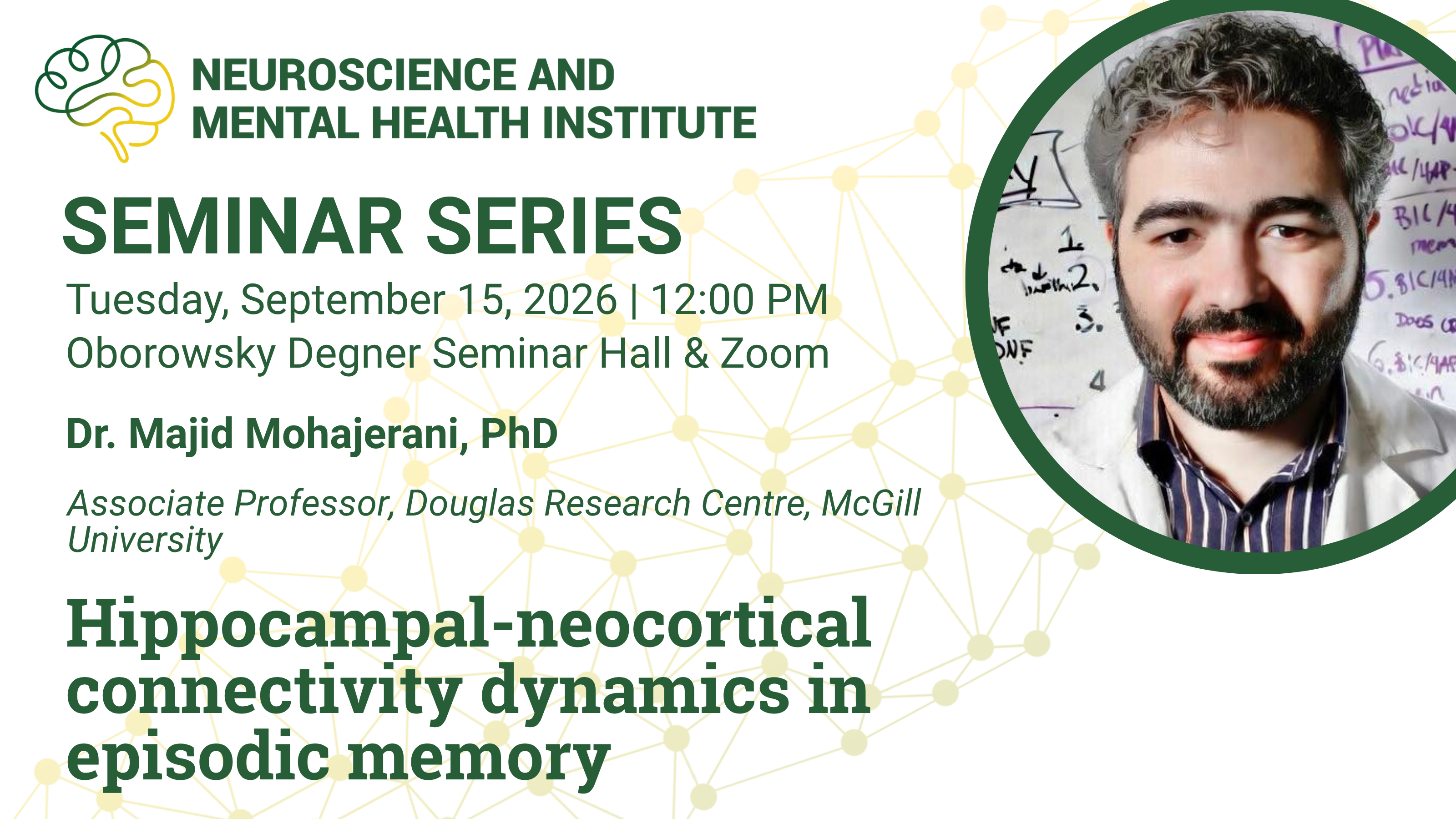
Dr. Majid Mohajerani
Synopsis
This talk explores how hippocampal activity coordinates large-scale cortical networks during sleep and memory consolidation. Using multimodal imaging and electrophysiology, I will highlight how hippocampal outflow engages the default mode network, reorganizes cortical communication, and supports the reactivation of spatial information across the cortex.
Biography
Majid Mohajerani, Ph.D., is an Associate Professor at the Douglas Research Centre, McGill University, and an affiliate member of the Quebec Artificial Intelligence Institute (Mila). Previously, he was an Associate Professor at the Canadian Centre for Behavioural Neuroscience at the University of Lethbridge. His research focuses on neural dynamics, particularly sensorimotor integration, and memory systems. His team develops technologies for modern systems neuroscience that enable the study of brain activity across multiple spatiotemporal scales while simultaneously measuring behaviour, with the goal of understanding how neural activity gives rise to behaviour.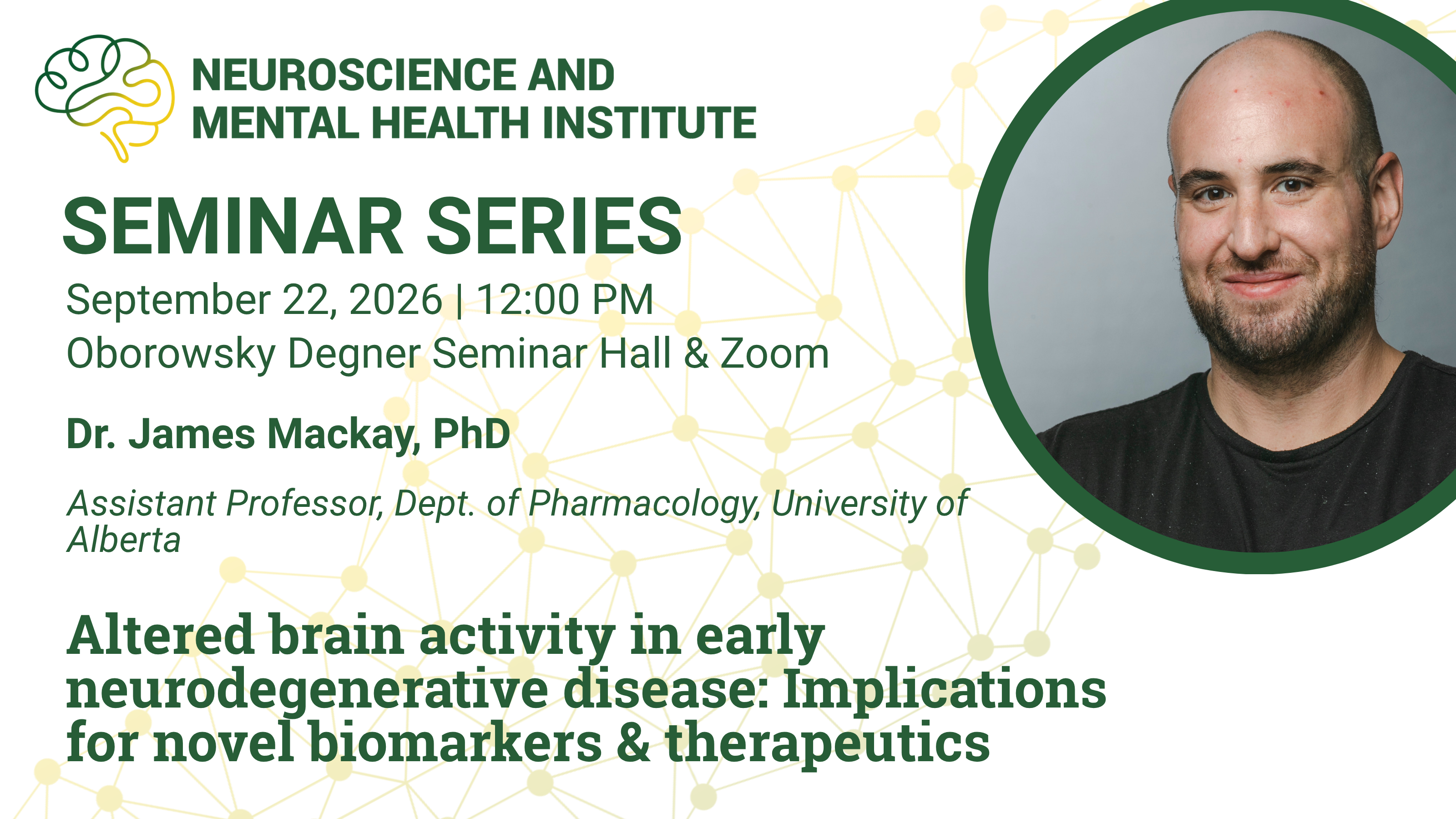
Dr. James Mackay
Synopsis
Altered neuronal activity may precede irreversible neuron loss and overt symptoms in neurodegenerative diseases such as Alzheimer's and Huntington's disease. However, it is unclear if and how these early functional changes contribute to subsequent neurodegeneration. Dr. Mackay's research program combines genetic mouse models, in vivo imaging of brain activity and machine learning to test whether neuronal activity can predict disease development before behaviorally disease evidence emerges and to identify the cellular/molecular mechanisms underlying any such biosignatures. This work aims to uncover modifiable targets, establish their causal roles in neurodegeneration and ultimately inform development of novel therapeutics for human disease.
Biography
Dr. Mackay received a BSc in Pharmacy from the University of Alberta (2008) and his PhD in Pharmacology (2016) under Dr. William F. Colmers, investigating NPY signaling in the basolateral amygdala. He then completed a postdoc with Dr. Lynn A. Raymond at the University of British Columbia, studying aberrant glutamate signaling and sensory processing in Huntington disease. Dr. Mackay joined the University of Alberta, Department of Pharmacology as an assistant professor in 2025, his current research uses machine learning and advanced neuroimaging to identify early brain changes in neurodegenerative disease, with the goal of discovering early biomarkers and therapeutic targets.
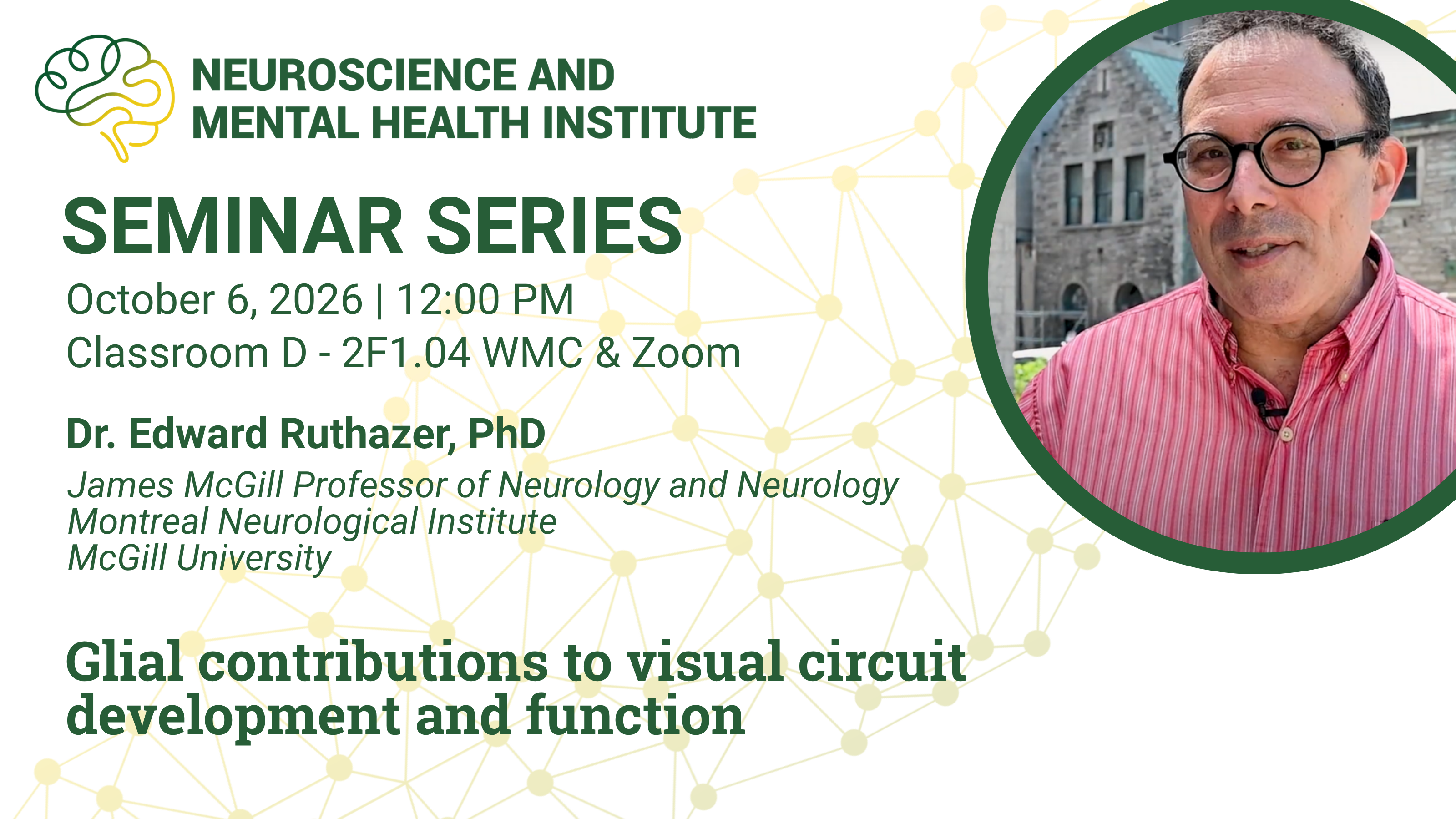
Dr. Edward Ruthazer
Synopsis
Dr. Ruthazer will present multiphoton in vivo structural and functional imaging studies in the brains of translucent Xenopus tadpoles that reveal how astrocytes and microglia actively participate in the refinement and response selectivity of the developing visual system.
Biography
Edward Ruthazer is the James McGill Professor of Neurology and Neurology at the Montreal Neurological Institute in McGill University. Until last year he was the Director of the McGill Integrated Program in Neuroscience graduate program with nearly 600 MSc and PhD students.
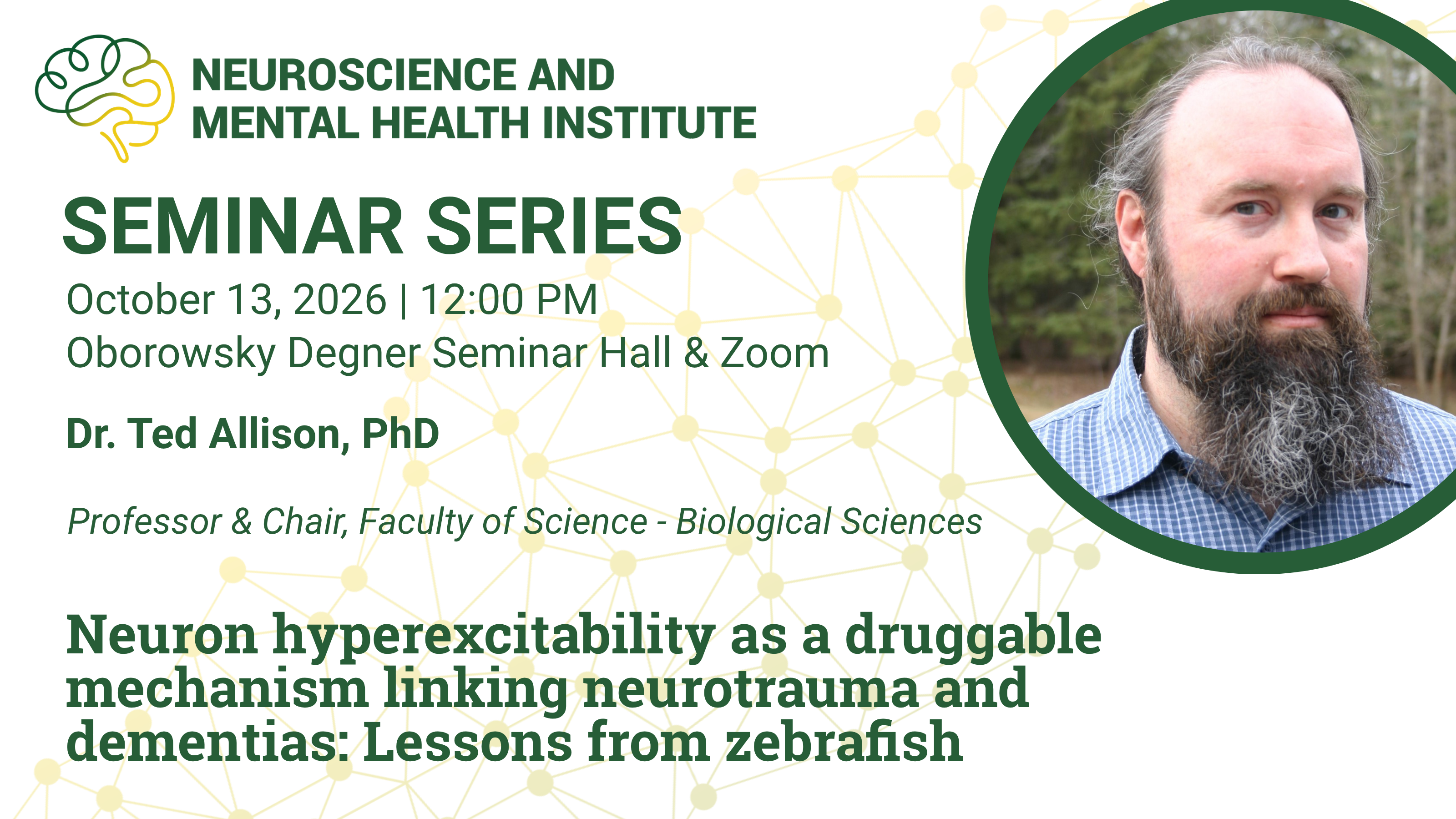
Dr. Ted Allison
Synopsis
Dementia is a growing burden in our aging population, and head injury earlier in life is a prominent risk factor. Dr. Allison's team has developed larval zebrafish as a model of traumatic brain injury, and use it to probe mechanisms leading to cell death and tauopathy. They observe seizures occur following injury, and that amplifying or reducing these seizures can increase or decrease neurodegenerative outcomes. They also find that modulating neuroinflammation can alter the course of seizures, and vice versa, suggesting a feed-forward mechanism of snowballing pathology shortly after injury. The data spotlights larval zebrafish as a bioethically-favourable entry point to understanding and treating neurotrauma. The work suggests that further efforts are warranted in discovery of pathomechanisms, including study of longer time courses and translating combinatorial treatments into rodent models.
Biography
Dr. Allison is a proud NMHI member, and a Professor in the Department of Biological Sciences at the University of Alberta, where he began in 2008. His PhD was completed at the University of Victoria with Professor Craig Hawryshyn. His PDF examined retinal development using zebrafish at U Michigan, Ann Arbor, with Collegiate Professor Pamela Raymond. His team primarily works with zebrafish, and sometimes other fishes, to understand neural system evolution, development and neurodegenerative conditions. Particular areas of focus are evolution of the retina, and appreciating the role of hyper-excited neurons in degenerative diseases including models of tauopathy and ALS.
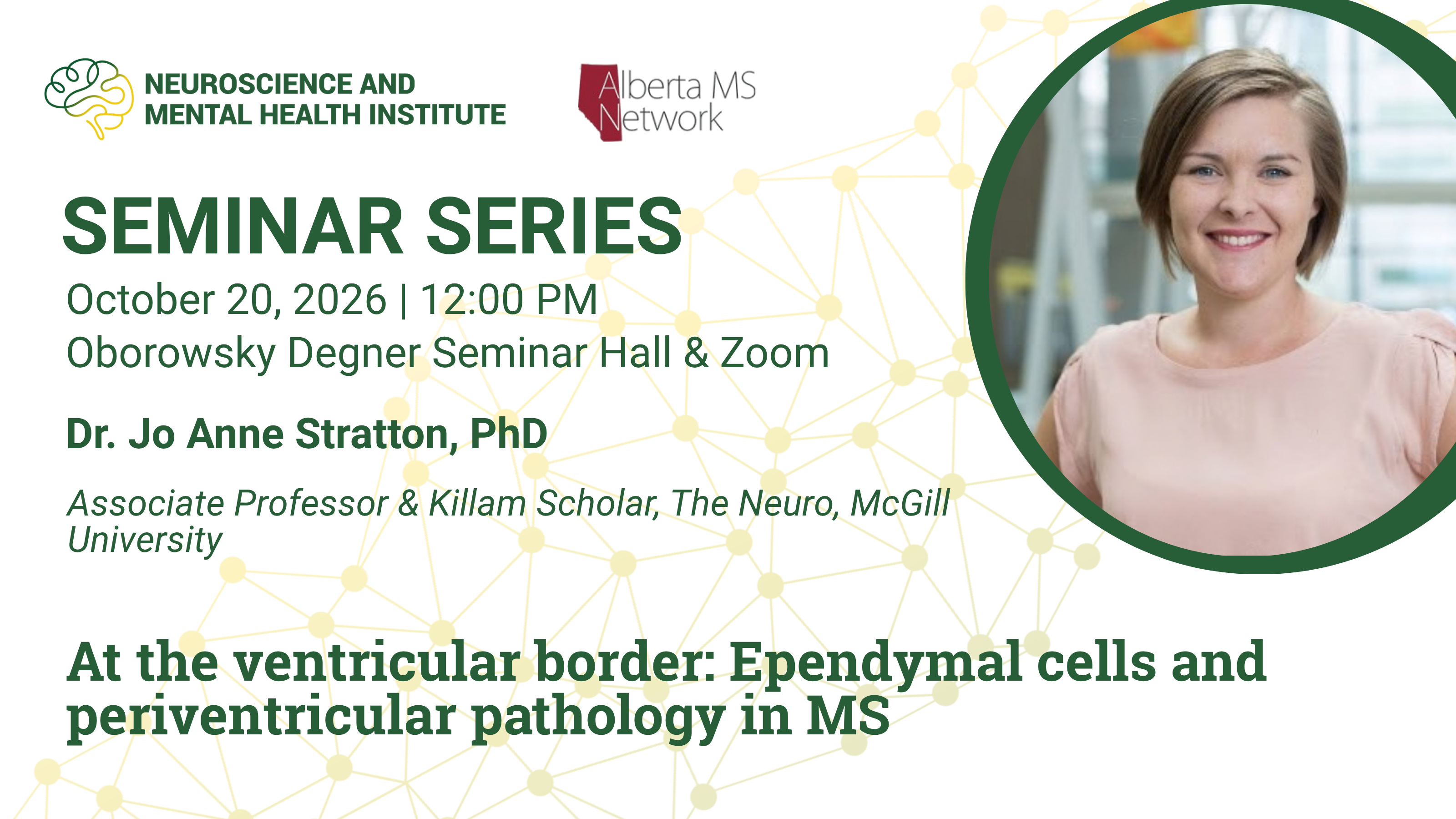
Dr. Jo Anne Stratton
Synopsis
This talk examines the ventricular lining as a potential contributor to MS pathology. Drawing on human tissue analyses and experiments with patient cerebrospinal fluid (CSF), Dr. Stratton will discuss changes in ependymal barrier structure, IgG deposition along the ventricular wall, and antibody binding in ependymal regions. She will explore whether sustained exposure to CSF antibodies disrupts ependymal function and contributes to pathology in adjacent periventricular tissue.
Biography
Dr. Jo Anne Stratton is an Associate Professor (Research) and Killam Scholar at The Neuro, McGill University, where she co-leads the Neuro-Immunology Group. Her laboratory studies neuroimmune mechanisms in multiple sclerosis and Parkinson’s disease. Using human tissue, patient CSF, spatial profiling, and experimental models, her team investigates how ependymal cells and other brain-border cells influence disease.
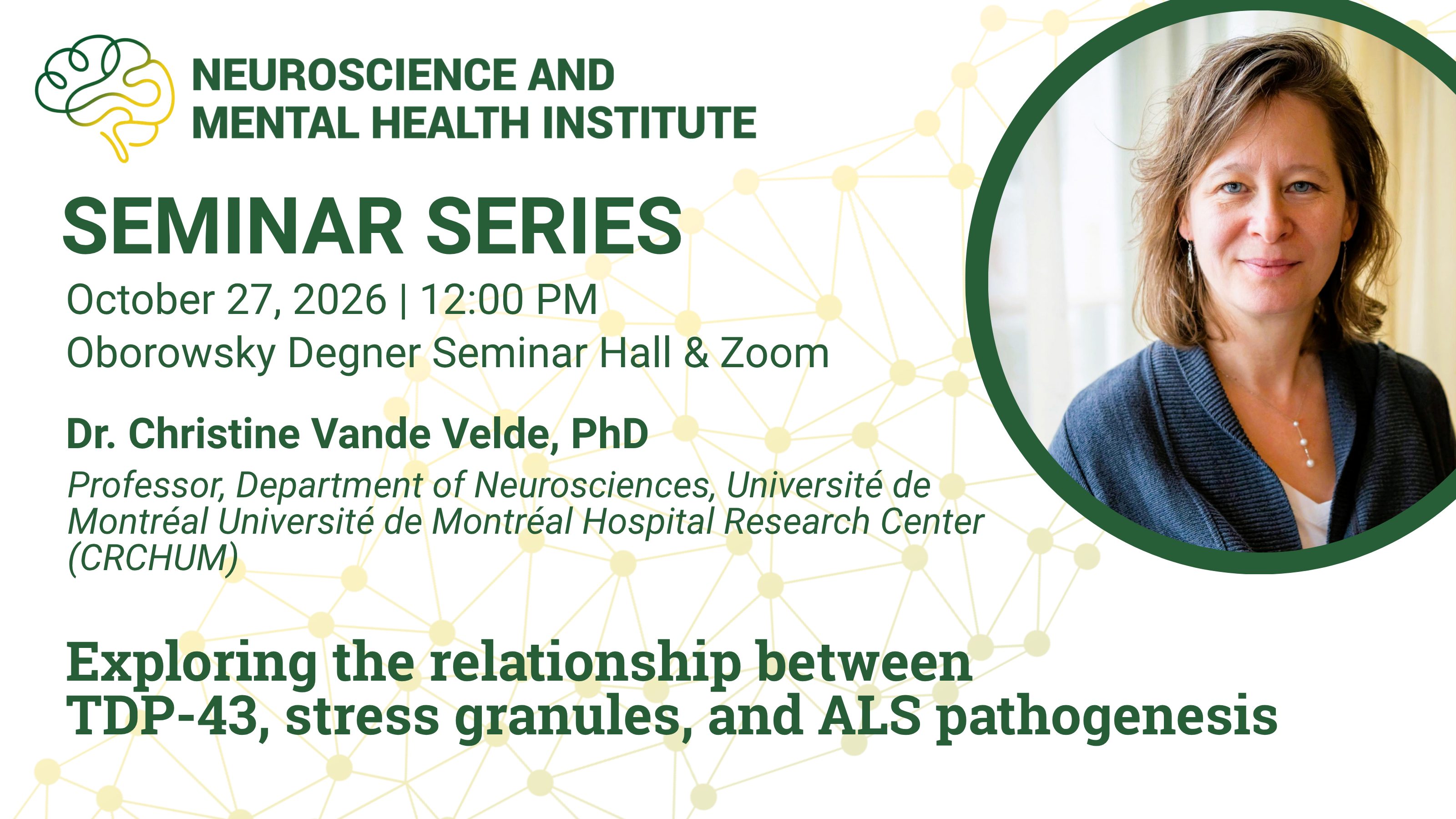
Dr. Christine Vande Velde
Synopsis
Dr Vande Velde will explore the role of the phase separated biocondensates known as stress granules and how they relate to TDP-43, and their contribution to neuronal loss that characterizes ALS pathogenesis. Her talk will leverage an in vivo stress paradigm and mouse models of TDP-43. She will also discuss the molecular mechanisms by which TDP-43 regulates the central stress granule assembly factor G3BP1.
Biography
Dr. Christine Vande Velde is Full Professor in the Department of Neurosciences at the Université de Montréal and Université de Montréal Hospital Research Center (CRCHUM). Her research is centered on understanding the underlying pathological mechanisms that lead to the fatal neurodegenerative diseases amyotrophic lateral sclerosis (ALS) and frontotemporal dementia (FTD) and the exploitation of that knowledge for biomarker and therapeutic development. Dr. Vande Velde is the current Scientific Director of the Robert Packard Center for ALS Research at Johns Hopkins and a member of the Scientific and Medical Advisory Council of ALS Canada.
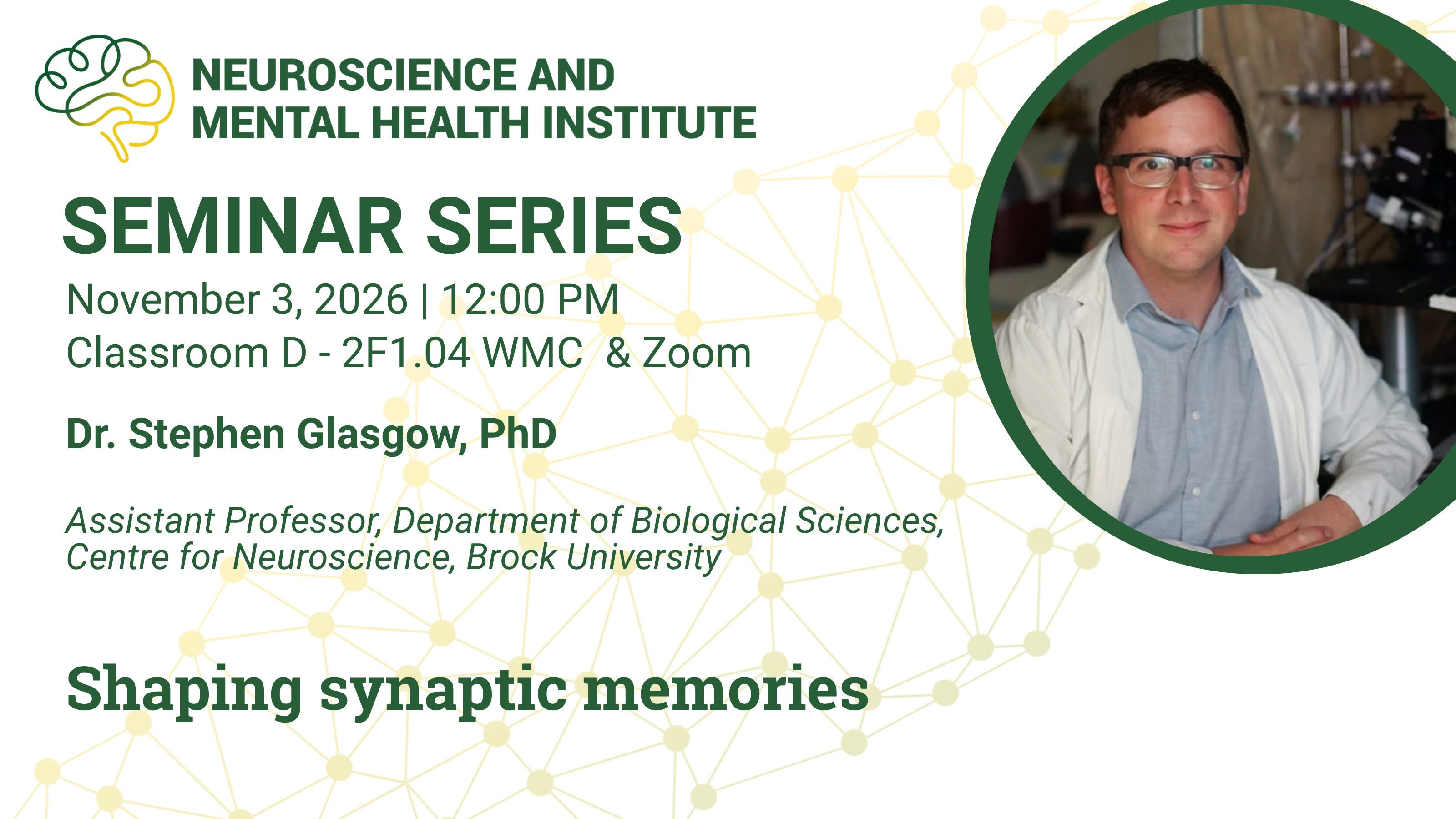
Dr. Stephen Glasgow
Synopsis
Memory formation relies on rapid structural and functional changes at synapses, specialized sites of communication between neurons. During development, the formation, refinement, and elimination of synaptic connections are orchestrated by guidance cues, a highly conserved class of proteins that regulate neuronal morphology and cell-cell interactions. Although many guidance cues, including netrin-1 and semaphorin 3A, remain highly expressed in the adult brain, their functions beyond development are only beginning to be understood. In this talk, Dr. Glasgow will discuss their recent findings demonstrating how guidance cues, together with classic neuromodulatory systems such as acetylcholine, regulate plasticity mechanisms that support learning and memory. These studies reveal fundamental principles of circuit remodelling in the mature brain, and identify novel therapeutic targets for neuropsychiatric disorders characterized by cognitive dysfunction.
Biography
Dr. Stephen Glasgow is an Assistant Professor in the Department of Biological Sciences and Centre for Neuroscience at Brock University. He completed his PhD in Behavioural Neuroscience (Psychology) at Concordia University under the supervision of Dr. Andrew Chapman, where he investigated the cellular mechanisms underlying theta oscillations in the retrohippocampus. He subsequently completed postdoctoral training at the Douglas Mental Health Research Institute with Dr. Antoine Adamantidis studying the role of rapid-eye movement sleep (REMS) oscillations in memory formation, and then at the Montreal Neurological Institute with Drs. Tim Kennedy and Ed Ruthazer, where he examined how axon guidance cues regulate changes at synapses during learning-associated plasticity. He established his lab at Brock University in 2022, which focuses on understanding the cellular and molecular mechanisms that govern learning, memory, and synaptic plasticity in the mammalian brain.
Dr. Karolina Skibicka
Synopsis
TBD
Biography
TBD
Dr. Holger Wille
Synopsis
TBD
Biography
TBD
Dr. Gary Armstrong
Synopsis
TBD
Biography
TBD
Dr. Liz Wilcox
Synopsis
TBD
Biography
TBD
PREVIOUS SEMINARS
September 9, 2025 - Dr. J. Quinn Lee, "Identifying representational structure in large-scale neural recordings to transform models of space and memory"
September 16, 2025 - Dr. Kathleen Munley, "Uncovering the social brain: Using cichlid fishes to study the neural and molecular mechanisms of social plasticity"
October 7, 2025 - Dr. Sandeep Gupta, "Stem cell-derived sensory neurons for therapy and disease modeling"
October 14, 2025 - Dr. Simon Gosgnach, "Hunting for the spinal interneurons responsible for generating the locomotor rhythm"
October 21, 2025 - Dr. Richard Camicioli, "Amyloid, alpha-synuclein, tau and novel biomarkers: Impacts on clinical phenotypes"
November 4, 2025 - Dr. Lance Johnson, "Flipping the switch on APOE: AD-relevant effects of E4 replacement with E2"
November 25, 2025 - Dr. Mark Glover, "Mechanism of sRNA recognition by FinO RNA chaperones"
December 2, 2025 - Dr. Nabeela Nathoo, "Multiple sclerosis in diverse ethnicities"
December 9, 2025 - Dr. Chris Rose, "Hepatic encephalopathy: More than a metabolic syndrome"
January 6, 2026 - Dr. Karyne Rabey, "Evaluating therapies to enhance nerve regeneration, functional recovery, and bone health"
January 13, 2026 - Dr. Josh Neudorf, "Brain network features supporting cognitive ability with age"
January 20, 2026 - Dr. Paul LaPointe, "Leaving the yellow wood - Converging paths in the investigation of the Hsp90 system in health and disease"
January 27, 2026 - Dr. Jack Jhamandas, "Quest for a novel treatment for Alzheimer’s disease: The Last Crusade"
February 3, 2026 - Dr. Sue-Ann Mok, "Tau amyloids: Translating structure to dysfunction"
February 10, 2026 - Dr. Stephen Joza, "Clinical risk factors and predictors of dementia and parkinsonism in isolated REM sleep behaviour disorder"
February 24, 2026 - Dr. Craig Brown, "Monitoring and manipulating the brain’s microcirculation to improve function after damage or disease"
March 10, 2026 - Dr. Philip J. Horner, "Electrical stimulation drives immunomodulation and circuit conditioning to repair the injured spinal cord"
March 17, 2026 - Dr. Steven Prescott, "Neural coding strategies for touch and pain"
March 24, 2026 - Dr. Alexander Leemans, "From the diffusion of water molecules to the wiring of the brain"
April 14, 2026 - Dr. Chelsea Ekstrand, "From screens to real-world scenes: Understanding the brain in naturalistic contexts
April 28, 2026 - Dr. Ciaran Murphy-Royal, "Basolateral amygdala astrocytes encode anxiety states"
June 8, 2026 - Dr. Chris West, "Contemporary approaches to restore sympathetic & cardiovascular function following spinal cord injury"
June 29, 2026 - Dr. Siddharthan Chandran, "Healthy brain ageing; challenges and opportunities"