Ask Me Anything: Lauren Kyle McDavid takes questions from Alberta School of Business students
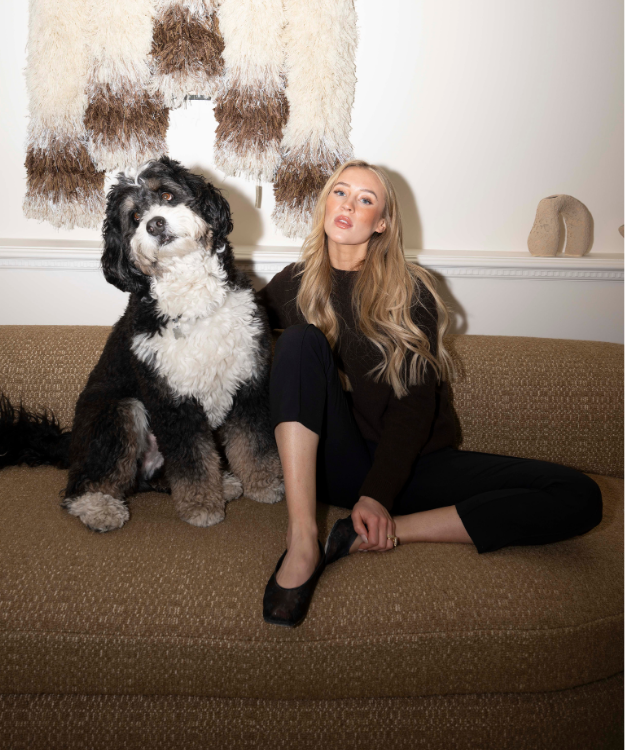
In marketing classrooms, creating an emotional connection with consumers is treated as a foundational principle. For Lauren Kyle McDavid, it’s something more deliberate and — seven years into entrepreneurship — almost instinctive.
Across her growing portfolio of ventures — Kyle & Co., an interior design studio; Trove Living, a high-end furniture retailer and manufacturer; Bar Trove, a restaurant and cocktail bar; and Sports Club Atelier, a limited-edition sportswear brand developed in partnership with the Edmonton Oilers and now officially licensed with the NHL — that philosophy carries through in what people wear, where they gather and how they connect.
“It’s all about the feeling,” says Kyle McDavid, creating experiences that make people feel good and, ultimately, part of something bigger than themselves.
But as her businesses expand, so does the distance between founder and execution. It has required a shift from hands-on control to setting vision, building trust and allowing others to lead.
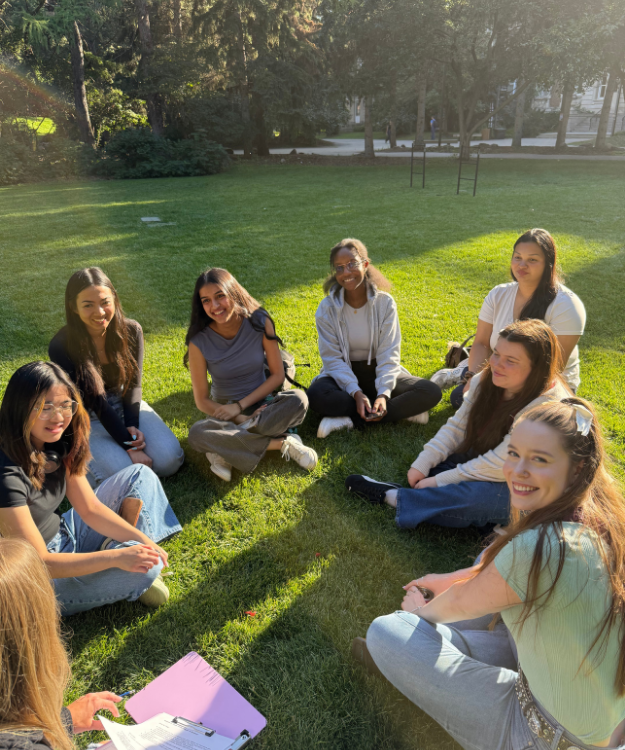
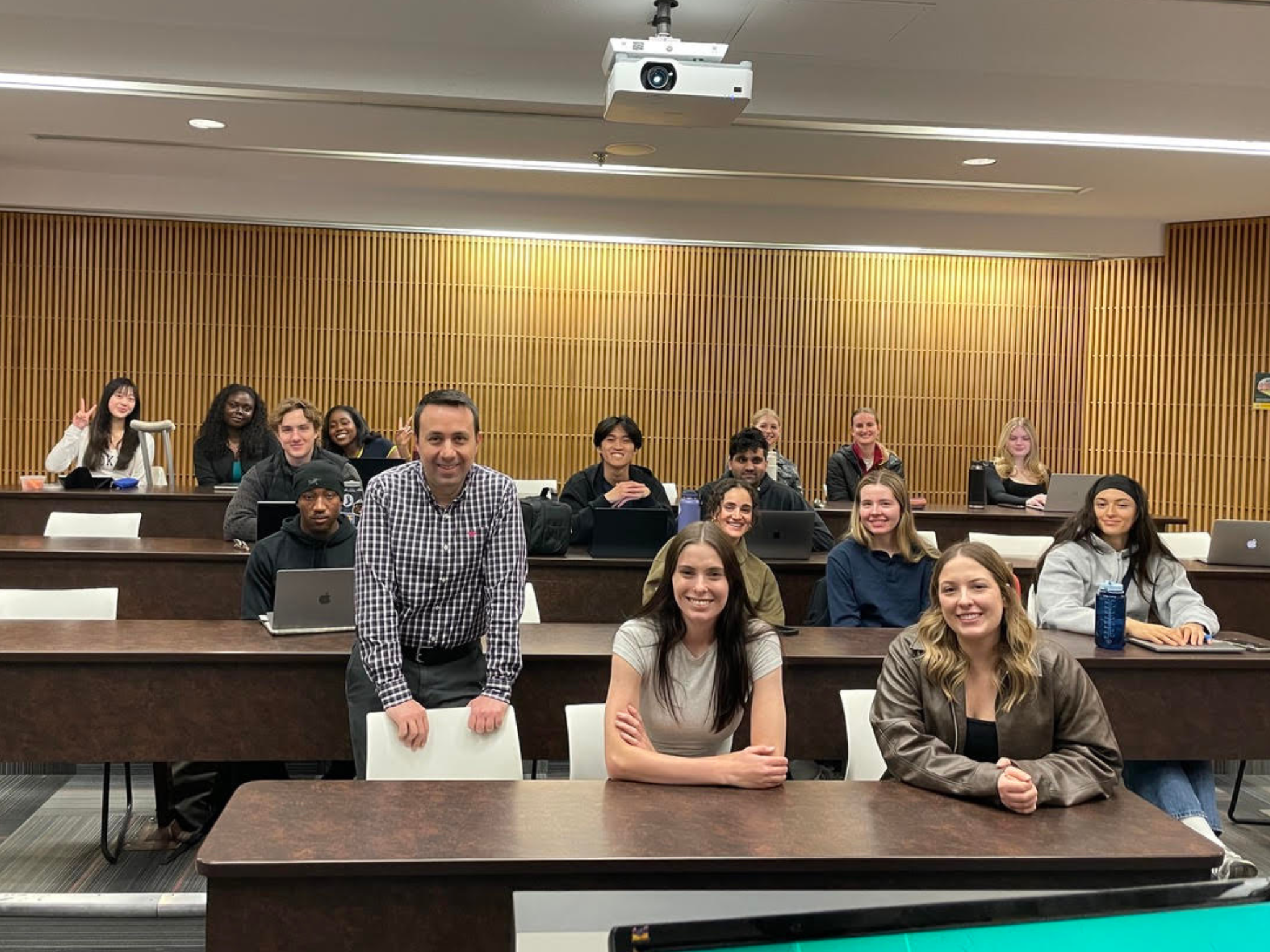
That idea surfaces throughout her answers to questions from students at the Alberta School of Business, with the Women in Business student group focused on Kyle McDavid’s approach to management and scaling, while a sports marketing class (MARK 476) taught by associate lecturer Utku Akkoc digs into the details of brand-building in sports, licensing and investing in the city.
Through this AMA, Kyle McDavid opens up that process — offering students a direct line to the thinking behind how she’s crafting one of Edmonton’s most closely watched portfolios.
Women in Business (WIB): From a leadership perspective, how has your management style evolved as your ventures have grown, and what have you had to learn along the way?
At the beginning, I was very hands-on with everything, every decision, every detail, every touchpoint. That works when you’re small, but it doesn’t scale.
As things have grown, my role has really shifted from doing to directing. I’ve had to learn how to clearly communicate the vision and then trust other people to interpret and execute it.
The biggest learning has been that clarity is everything. If something isn’t working, it’s usually not a people problem, it’s a clarity problem. So now I spend a lot more time making sure everyone understands the “why” behind what we’re doing, not just the task itself.
— Lauren Kyle McDavid
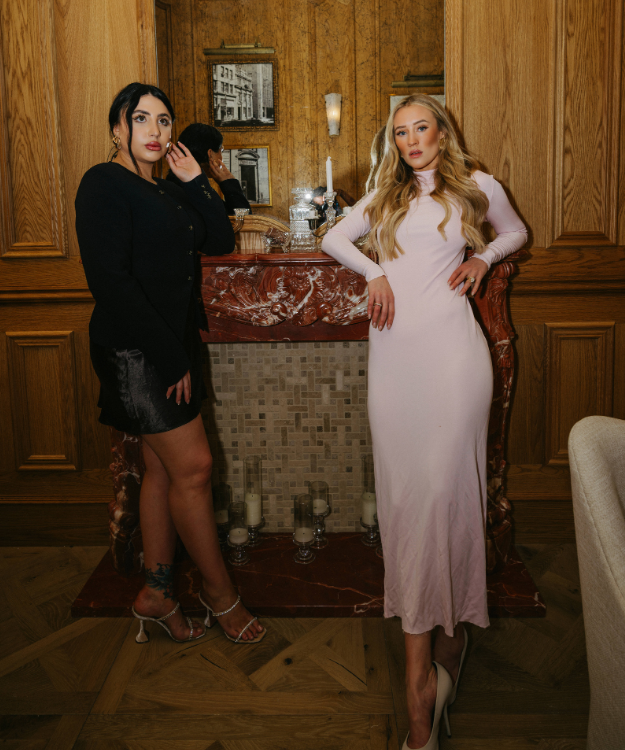
WIB: As you expand your business ventures, how do you “let go” and allow your leaders to be leaders when your personal brand is so ingrained with your businesses?
This has been one of the harder parts for me. When your name is tied to something, it’s natural to want to be involved in everything.
What I’ve learned is where I need to stay close to anything that touches the vision, the creative direction, and the overall feeling of the brand. That’s what ensures everything we put out stays aligned.
Beyond that, I try to step back and give my team ownership over execution. As long as the foundation is clear, they can lead and often elevate things in ways I wouldn’t have thought of.
MARK 476: With Sports Club Atelier, what design and marketing strategies do you use to successfully capture a team's identity and fanbase spirit without relying on official trademarks? How do you navigate the complexities of sports licensing?
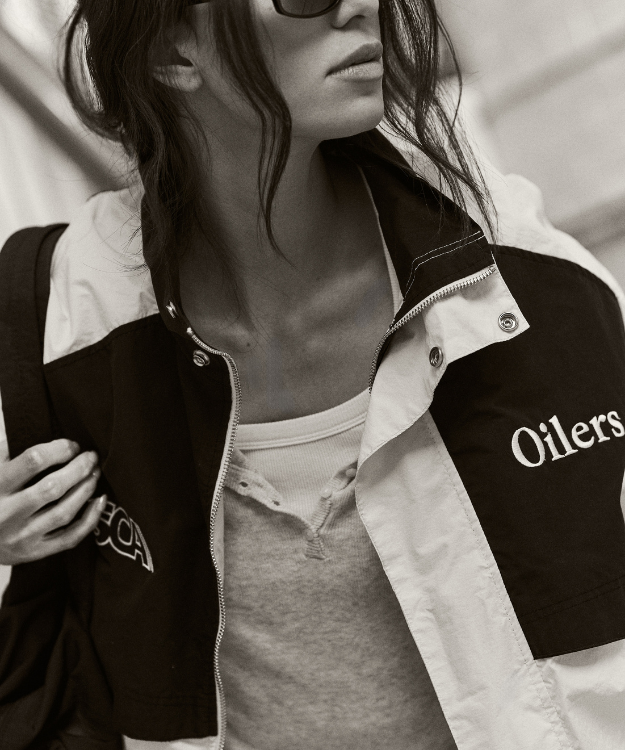
For us, it’s never been about the logo, it’s about the feeling of the team.
We focus on things like color, energy, nostalgia and cultural references around the team and the city.
Sometimes that’s typography, sometimes it’s styling, sometimes it’s how the piece is worn and shot.
It’s actually pushed us to be more creative, because we’re not relying on obvious branding, we're building something that feels more elevated and personal.
WIB: What has been the biggest challenge in scaling across different industries, and how did you navigate it?
The biggest challenge is that each industry operates so differently — fashion, interiors, hospitality — they all have different timelines, margins and customer expectations.
What’s helped is creating a really strong internal foundation on how we communicate, how we manage projects, and how we deliver to clients. That consistency allows us to move between industries without everything feeling chaotic.
Creatively, I always come back to the same starting point: what is the feeling or experience we’re trying to create? That through-line keeps everything cohesive, even when the businesses are very different.
— Lauren Kyle McDavid

MARK 476: When creating and promoting your brands, how do you approach collaborations? From a marketing perspective, do you find a difference in strategy or expectations when working with professional athletes versus traditional social media influencers?
I look at collaborations more like alignment than exposure.
With athletes, there’s usually a deeper, more organic connection to the product. They live the lifestyle, so the storytelling feels very natural.
With influencers, it can work really well too, but it has to feel authentic to how they already live and share. If it feels forced, people can tell immediately.
So for us, it’s less about reach and more about: does this person genuinely fit into the world we’re building?
MARK 476: As a business owner based in Edmonton, how do you approach building a strong brand and customer experience for physical spaces (like Bar Trove) in a downtown core that is still evolving in terms of foot traffic and vibrancy?
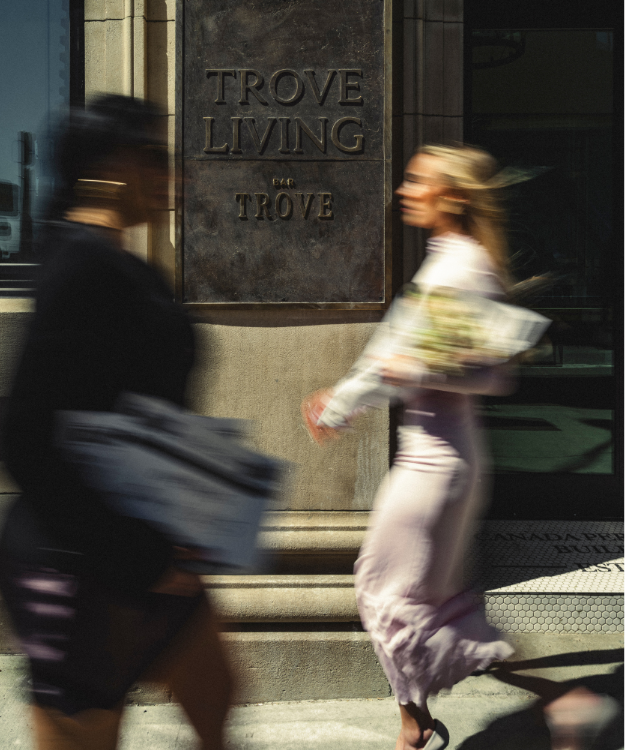
I think you have to create something that people are willing to go out of their way for.
For us with Bar Trove, it’s been about being really intentional with every detail, the lighting, the music, the menu, the service so that when people come in, it feels different from anything else around.
You can’t rely on foot traffic, so you have to build a destination. And over time, that consistency builds trust, and people start bringing people.
MARK 476: For business students looking to start a venture in the sports lifestyle or design space, what is the one piece of marketing advice you wish you had known at the start of your career?
Don’t try to speak to everyone.
The more specific and intentional you are with your brand, the more it resonates. When you try to make something for everyone, it ends up feeling a bit diluted.
If you create something that feels really clear and true to a specific point of view, the right people will find it and they’ll care a lot more.
Subscribe to UAlberta Business
Become part of our community. Get the latest news and event information from the Alberta School of Business in your inbox every month.