Modern markets and the future of trading: Meet assistant professor Saad Khan
Saad Khan joined the Alberta School of Business on July 1, 2026, as an assistant professor in the Department of Finance. His research examines how market design and trading structures shape outcomes for investors.
With expertise in market microstructure, retail trading and high-frequency financial data, Khan studies topics such as payment for order flow, electronic trading and the role of human traders in modern financial markets.
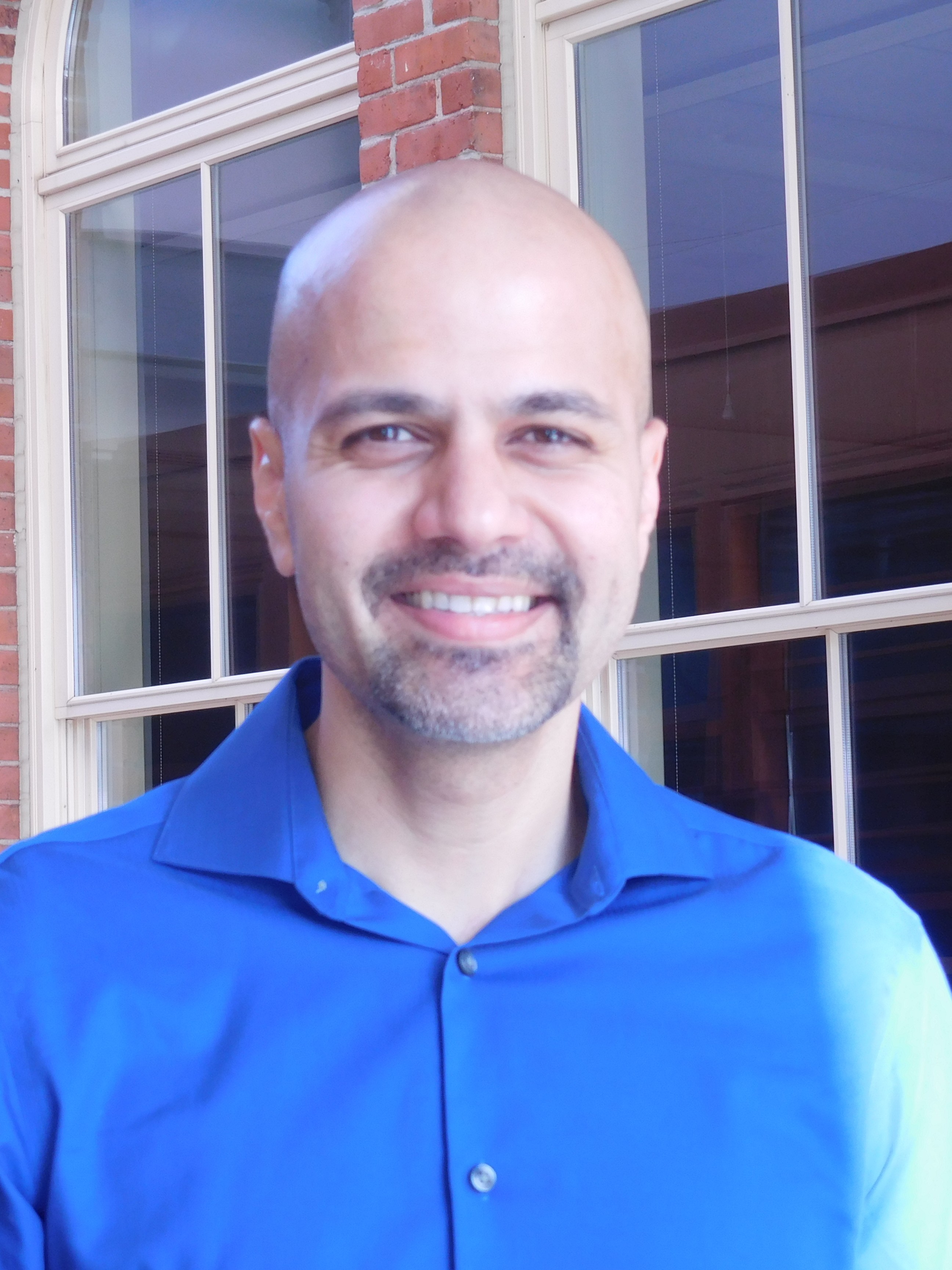
Welcome to the Alberta School of Business! What brought you here?
The Alberta School of Business has one of Canada's strongest finance groups, along with an excellent PhD program. I had already begun collaborating with the research group before I joined. Mark Huson, Valeri Sokolovski, and I hold an SSHRC-funded grant to study ETF liquidity.
My area is market microstructure: how markets are designed and what those design choices mean for the people trading in them. It’s a great opportunity to build that area here and involve doctoral students in that work.
How would you describe your main research interests?
I study the rules and structures that shape trading, and who ends up better or worse off because of them. That has taken me in a few directions: how trading fragments across venues, how retail orders get executed, and why human traders still survive in markets that are otherwise fully electronic.
One of my projects asks: when you buy an option on an app like Robinhood, where does your order go? Your broker may route it to a large trading firm, called a wholesaler, through payment for order flow. The wholesaler can run an auction or simply fill the order itself at the quoted price. We found more than one bidder competing at the winning price in fewer than 10% of auctions. Auctions do deliver real savings, but mostly not through the mechanism policymakers have in mind.
A related project asks why some traders still trade face-to-face through open outcry. When COVID-19 closed the physical trading floor in Chicago, the largest, riskiest positions became much rarer and returned when the floor reopened. The results suggest that some trades are simply too big and too risky for any single counterparty to take on alone. In a trading pit, several traders can split the order among them.
What have you learned or discovered about the school, the students, or the wider Edmonton community, so far?
What I’ve noticed in my first couple of months is how much development is happening across the city. The university is growing too, which makes this an exciting time to arrive.
Edmonton has also surprised me with its food. Tea & Coffee Company, a five-minute walk from my office, serves some of the best coffee I’ve had. Sushi Wasabi has the best sushi I’ve ever eaten. Although I haven’t started teaching yet, the students have been incredibly friendly and quick to help—something I know mainly from getting lost on campus more than once.
What are you most looking forward to in your teaching and research here in the years ahead?
On the research side, I want to understand how retail investors fare in modern markets, especially with the advent of commission-free trading apps that have gamified the experience. Trading is free in the sense that there is no commission, but the costs have not disappeared; they have moved somewhere less visible. The rules that determine what price you actually get are still evolving, and regulators are actively debating how orders should be routed to expose them to the most competition.
Market design is an exciting subject to teach because part of it is already on students' smartphones in the form of trading apps. I am also looking forward to teaching students how to work with and understand high-frequency financial data. In the US alone, more than 15 billion shares and 50 million option contracts trade every day, with much of that volume at intervals measured in fractions of a second. Learning to analyze data at that scale is a skill that transfers well beyond finance.
Outside of work, what do you enjoy doing in your spare time?
I've been bouldering for years, and I walk and hike whenever I can. Gold Bar Park has been my usual spot. I also play guitar, with more enthusiasm than skill.
Since moving to Edmonton, I have also enjoyed exploring different parts of the city. I like visiting parks, walking through different neighborhoods, and spending time along the North Saskatchewan River. I am still discovering new places and getting to know the city better.
Subscribe to UAlberta Business
Become part of our community. Get the latest news and event information from the Alberta School of Business in your inbox every month.