
U of A research. Real-World impact.
Closing the gap means tackling the inequality head on. By championing inclusivity and justice, the U of A is striving to achieve the UN's goal of a more equitable world.
See The Fight For FairnessIn the modern workplace, flexibility is king. From start times to duties, employees routinely request adjustments to their working conditions. For employees with disabilities, managers are legally required to consider and, where appropriate, grant such requests. However, many workplace requests — made by both disabled and non-disabled employees — are informal in nature and resolved through managerial discretion rather than formalized procedures.
These informal arrangements are common and reflect managers’ efforts to balance individual needs with operational demands. However, despite their prevalence, we know surprisingly little about the criteria managers use when evaluating such requests.
Now, new research co-authored by Alberta School of Business professor Ian Gellatly provides rare empirical evidence on how managers make these decisions. The study, published in Human Resource Management, suggests that managers view these requests through a lens of "social exchange" — essentially where employees "pay" for flexibility with “currency” obtained from their loyalty and high performance.
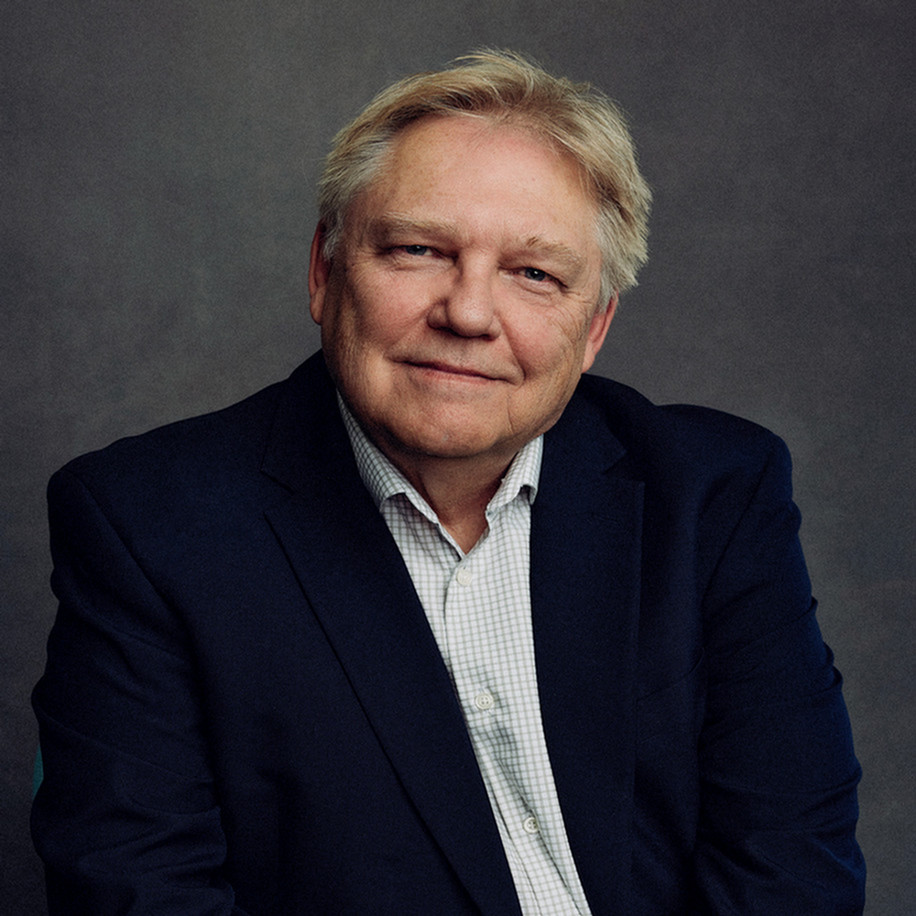
“Although formal accommodations are required by law, many employees seek informal adjustments to their work conditions that are not rooted in legal compliance,” says Gellatly, a professor of organizational behavior.
These informal requests are common among all employees. The research notes that employees without disabilities routinely ask for changes — such as flexible hours or modified tasks — that often mirror the accommodations requested by their colleagues with disabilities. Everyone needs flexibility sometimes.
The challenge for organizations, and specifically managers, is that because these deals are informal, they can be inconsistent. Without clear policies, managers are left to decide who gets a "yes" and who gets a "no," raising questions about fairness and bias.
Gellatly and his colleagues — Silvia Bonaccio (University of Ottawa), Catherine Connelly (McMaster University) and Matthew McLarnon (Mount Royal University) — conducted a series of studies to understand the decision-making process.
They found that managers are not granting or refusing these requests arbitrarily. The findings suggested that managers consider an employee’s work history when making these informal decisions. Managers were significantly more likely to grant requests to employees with longer tenure, stronger task performance and a history of “citizenship behaviours” (going above and beyond their job description).
Among these factors, tenure (the length of time an employee has worked with the firm) seemed to carry the most weight. Essentially, managers view their “yes” to informal accommodations as a reward for loyalty and past contributions.
One surprise from the study is how managers view an employee’s reason for a request. “There is often a concern that employees with disabilities might face stigma or reluctance from managers when asking for help — yet the study found managers were more likely to grant informal accommodations for disability-related reasons than for family-related reasons,” says Gellatly.
This suggests that managers may perceive disability-related requests as more legitimate than family responsibility-related requests. Managers might feel a stronger moral or social obligation to support these employees compared to those seeking adjustments for family needs.
The findings come at a critical time as organizations navigate hybrid work and increasing demands from employees for flexibility.
For organizations, the study highlights the importance of understanding the informal system of accommodations. If managers are granting accommodations based largely on tenure and performance and are differentially granting disability-related requests over family-responsibility requests, some employees might not be granted the flexibility they need to succeed.
“Our research offers novel insights into how managers view informal accommodation requests from different employees,” says Gellatly. “Understanding these discretionary processes is the first step toward ensuring they are fair, consistent and ultimately beneficial for the entire workforce.”
Read the full article in Human Resource Management at DOI:10.1002/hrm.70047
Closing the gap means tackling the inequality head on. By championing inclusivity and justice, the U of A is striving to achieve the UN's goal of a more equitable world.
See The Fight For FairnessBecome part of our community. Get the latest news and event information from the Alberta School of Business in your inbox every month.