

Our deep expertise in energy and environment addresses global climate challenges, developing innovative low-carbon solutions while supporting the decarbonization and optimization of traditional energy systems.
U of A researchers lead the way across the entire continuum of renewable energy technologies and environmental stewardship, from ecosystem restoration and land monitoring to energy production, storage and delivery. This technical leadership is paired with vital social science and humanities research, ensuring an equitable energy transition in partnership with diverse communities and Indigenous peoples.
#3
In the world for Petroleum Engineering program
Energy + Environment Highlights 2025-2026
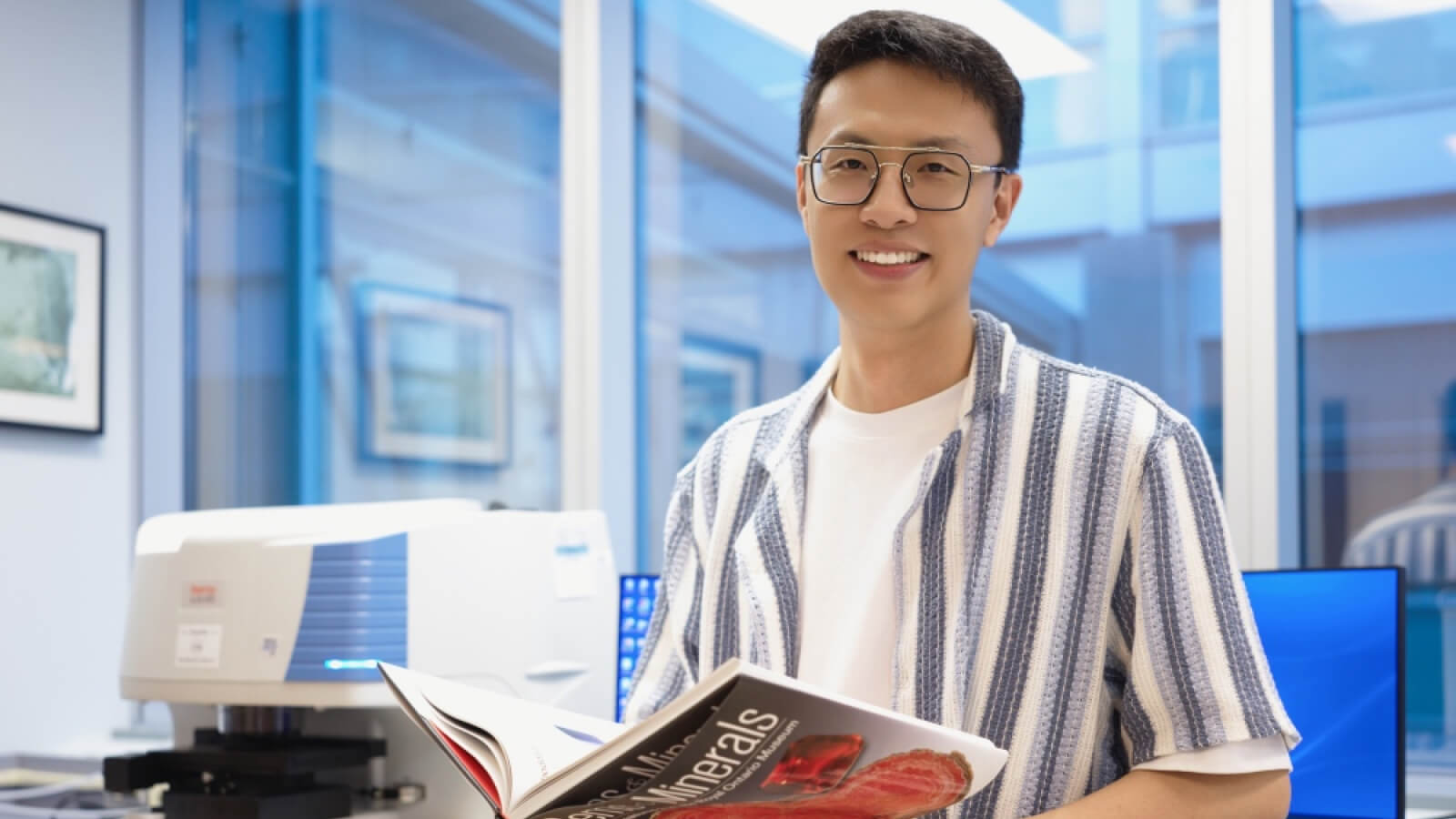
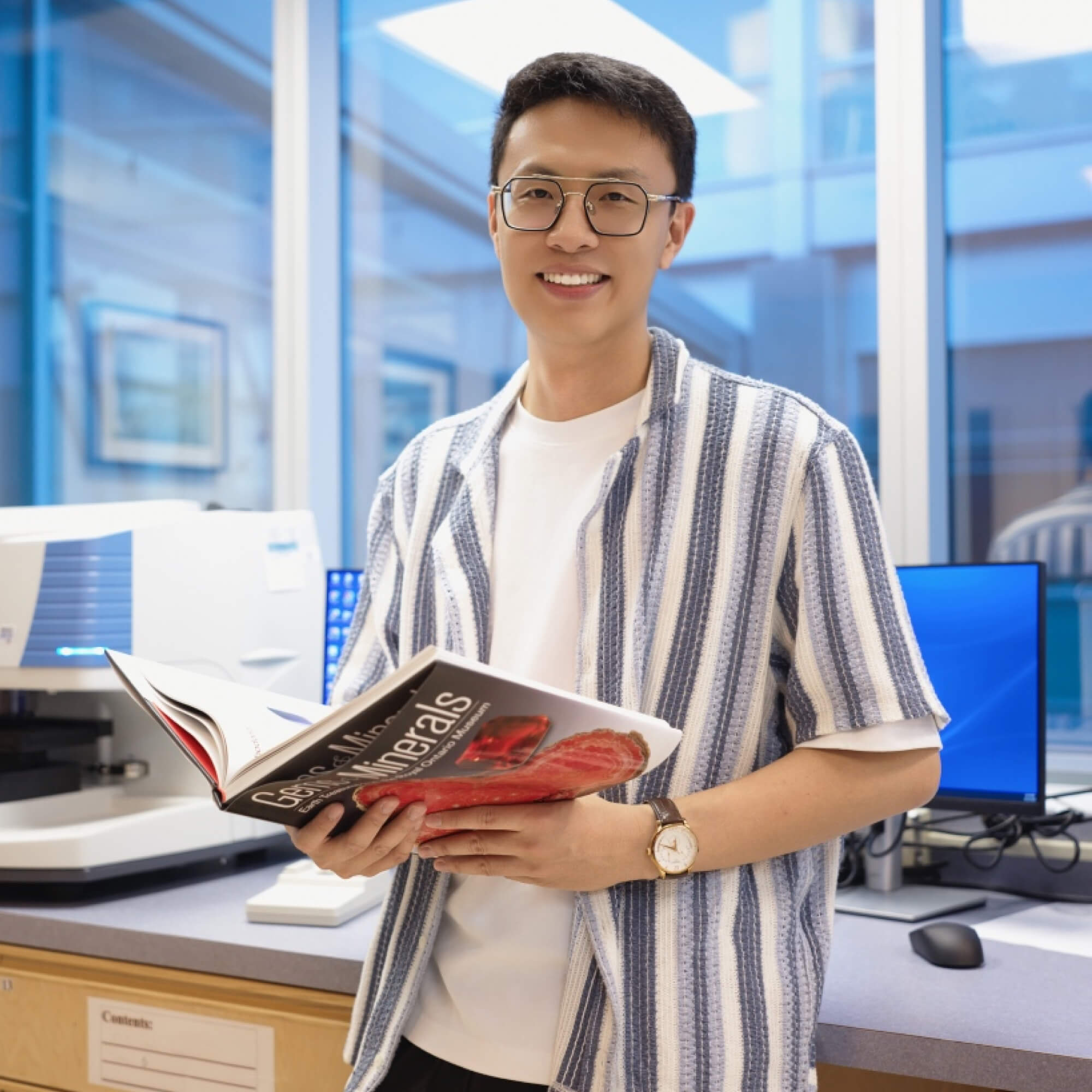
This year, the University of Alberta continued to demonstrate why it is a global powerhouse in energy research, ranking among the top 50 institutions worldwide for energy and climate subjects and top 10 for energy systems research.
Taking low-carbon energy innovation straight to the ocean, chemist Dr. Steve Bergens and his team developed a patented, low-cost process that generates green hydrogen directly from seawater. By designing an efficient conductive material to stabilize the reaction, the team eliminated the need for rare metals or expensive purification steps. This breakthrough allows fuel to be produced locally anywhere from industrial sites to remote coastal villages, with the technology already licensed to Canadian clean-tech leader Cipher Neutron.
As part of a new $10-million partnership, the U of A was selected to host a next-generation nuclear energy program. This major initiative will advance research and training in small modular reactors (SMRs) and advanced nuclear technologies, reinforcing the university’s role in driving Canada's transition toward net-zero power generation.
At the same time, our researchers positioned the university as an international leader across the entire critical minerals value chain. Spanning exploration, processing and advanced applications, U of A teams tapped into Western Canada's vast natural wealth by developing innovative techniques to extract and reclaim essential battery metals, such as lithium, cobalt and nickel, directly from oilsands and geothermal waste streams.
Addressing the immediate impacts of climate change, public health researchers partnered with Inuit and Tłı̨chǫ communities on a major circumpolar project to study how shifting environments affect traditional country food systems. Driven by local wisdom, this initiative centered Indigenous knowledge and community leadership to safeguard food sovereignty, health and cultural practices as northern regions adapt to rapid environmental changes.
Finally, looking deep into our planet's ancient history, geoscientists analyzing rare super-deep diamonds formed up to 700 kilometers below the surface uncovered a fundamental secret about the origins of life. Their analysis revealed that tectonic subduction keeps vital phosphorus near the crust rather than swallowing it into the lower mantle, solving a long-standing geological mystery and demonstrating our world's unique role in preserving essential building blocks for life.
Read more:
Video Spotlight
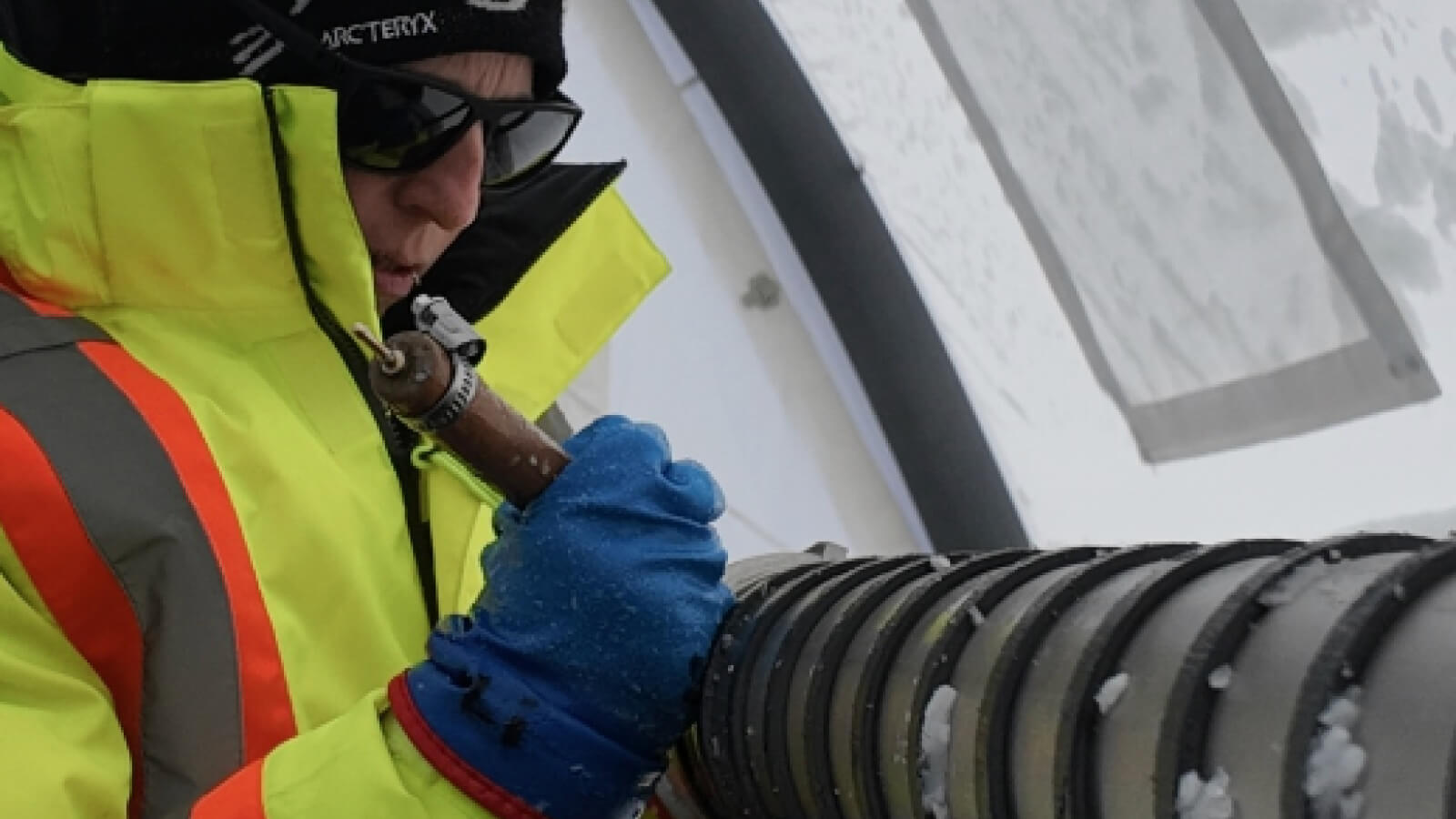
Alison Criscitiello, Director of the Canadian Ice Core Lab, reveals what ancient ice recovered from 600 metres deep in the Arctic can teach us about our changing planet.
Extracted from the Müller Ice Cap on Axel Heiberg Island in Nunavut, this record-breaking ice core offers vital insights into historical sea ice conditions, atmospheric shifts and global climate health.
For decades, our institution has driven global advancements in AI and machine learning. U of A innovations drive breakthroughs across critical sectors, including healthcare, robotics, resource management, artistic practice and smart agriculture.
Beyond technical excellence, our scholars lead global discourse on the social, ethical and privacy implications of AI. By centering responsible development, human-centered interactions and Indigenous worldviews, we ensure emerging technologies benefit diverse communities everywhere.
1
A.M. Turing Award
Artificial Intelligence Highlights 2025-2026
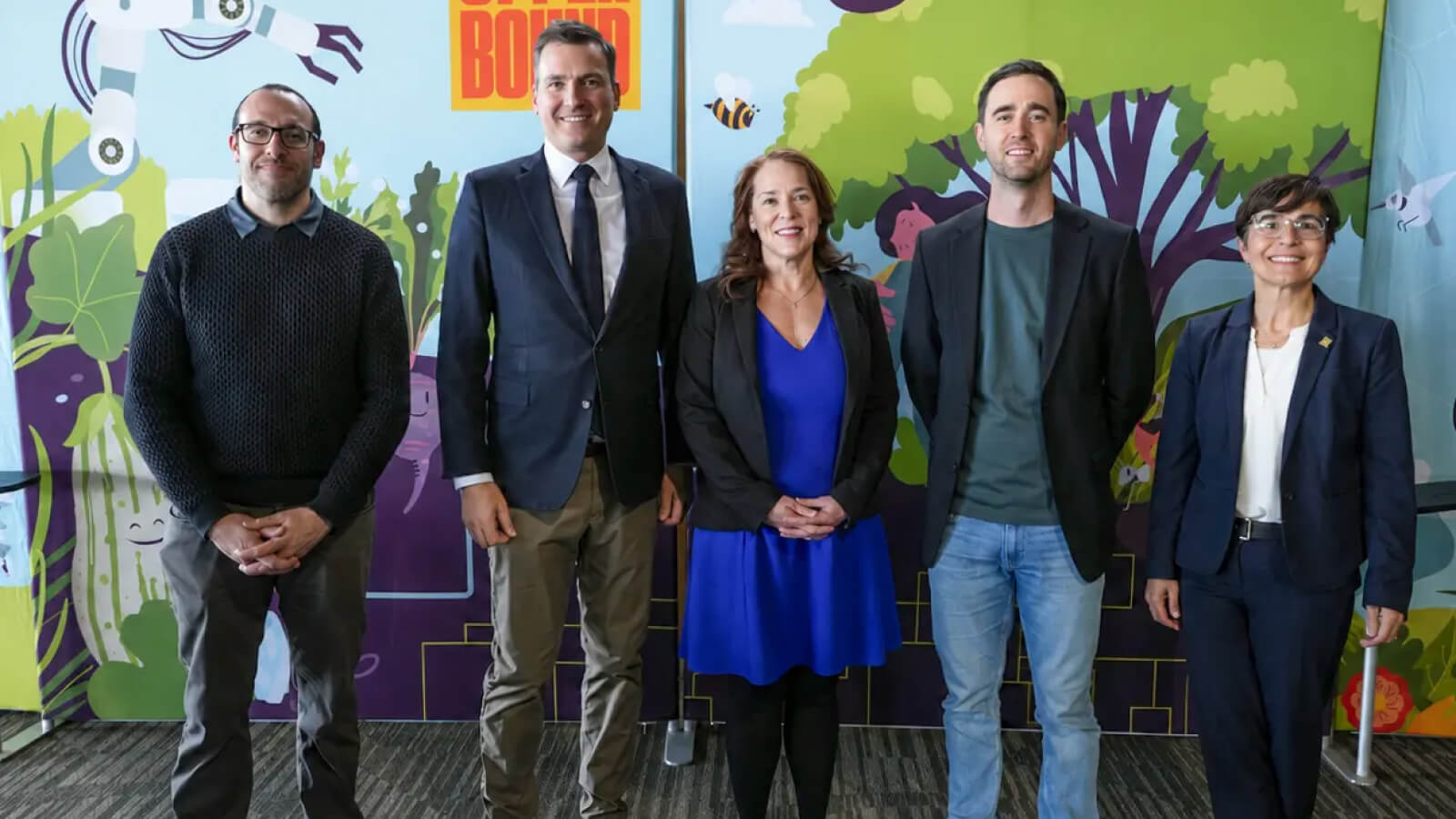
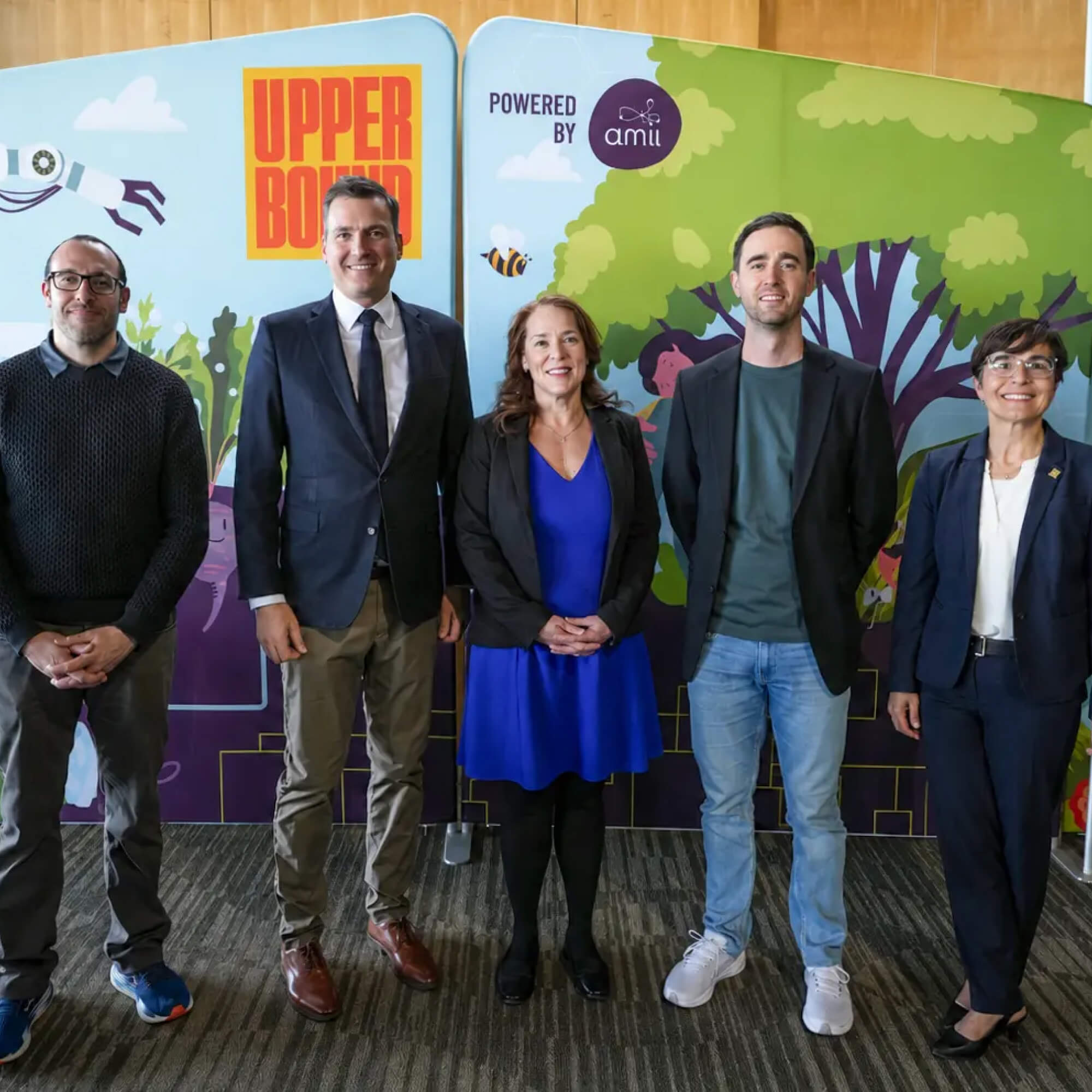
Across campus and around the world, the University of Alberta spent the past year expanding its reach as a premier global hub for artificial intelligence, driving fundamental breakthroughs while deploying real-world applications across health, industry and environmental protection.
A major milestone in our AI growth was the successful conclusion of a joint $30 million recruitment campaign between the U of A and the Alberta Machine Intelligence Institute (Amii). This ambitious talent drive successfully recruited top international AI minds to Edmonton, reinforcing our thriving ecosystem and expanding our capacity for world-class research, interdisciplinary collaboration and training the next generation of computing science leaders.
To ensure businesses can safely and responsibly navigate the complexities of modern data, the federal government invested $3 million into a new U of A initiative, the Canadian AI Compute Vault (CAICV), focused on data sovereignty and compliance. This program provided crucial guidance and tools to help organizations manage sensitive digital assets, comply with evolving privacy regulations and deploy AI systems ethically without compromising data ownership.
In the health and life sciences sector, the appointment of a new research chair unlocked AI's transformative potential for drug development and diagnostic imaging. By training advanced machine learning models to analyze complex biological structures and medical scans, this work accelerated the discovery of novel therapeutics, improved diagnostic precision and drastically reduced the time required to move life-saving treatments from the lab to the clinic.
Further elevating our health AI expertise, leading medical AI expert Dr. Craig Jones joined the U of A as a Killam Memorial Chair in the Department of Biomedical Engineering. With more than three decades of experience in medical image processing, neural networks and deep learning, his research focuses on advancing AI-driven imaging tools to improve early disease diagnosis, clinical decision support and patient outcomes.
By applying artificial intelligence to urgent environmental threats, our researchers developed a rapid-response tool to enhance wildfire management. This system analyzed real-time satellite imagery, weather patterns and terrain data to predict fire behaviour. By placing critical firefighting resources in the right place at the right time, this technology gave emergency responders a decisive advantage in protecting communities and natural habitats.
Read more:
- Feds invest $3M in U of A initiative to help businesses with data sovereignty, compliance
- New research chair unlocks AI's potential for drug development and diagnostic imaging
- Leading medical AI expert coming to U of A as Killam Memorial Chair
- Rapid response tool aims to put wildfire-fighting resources in the right place at the right time
Video Spotlight
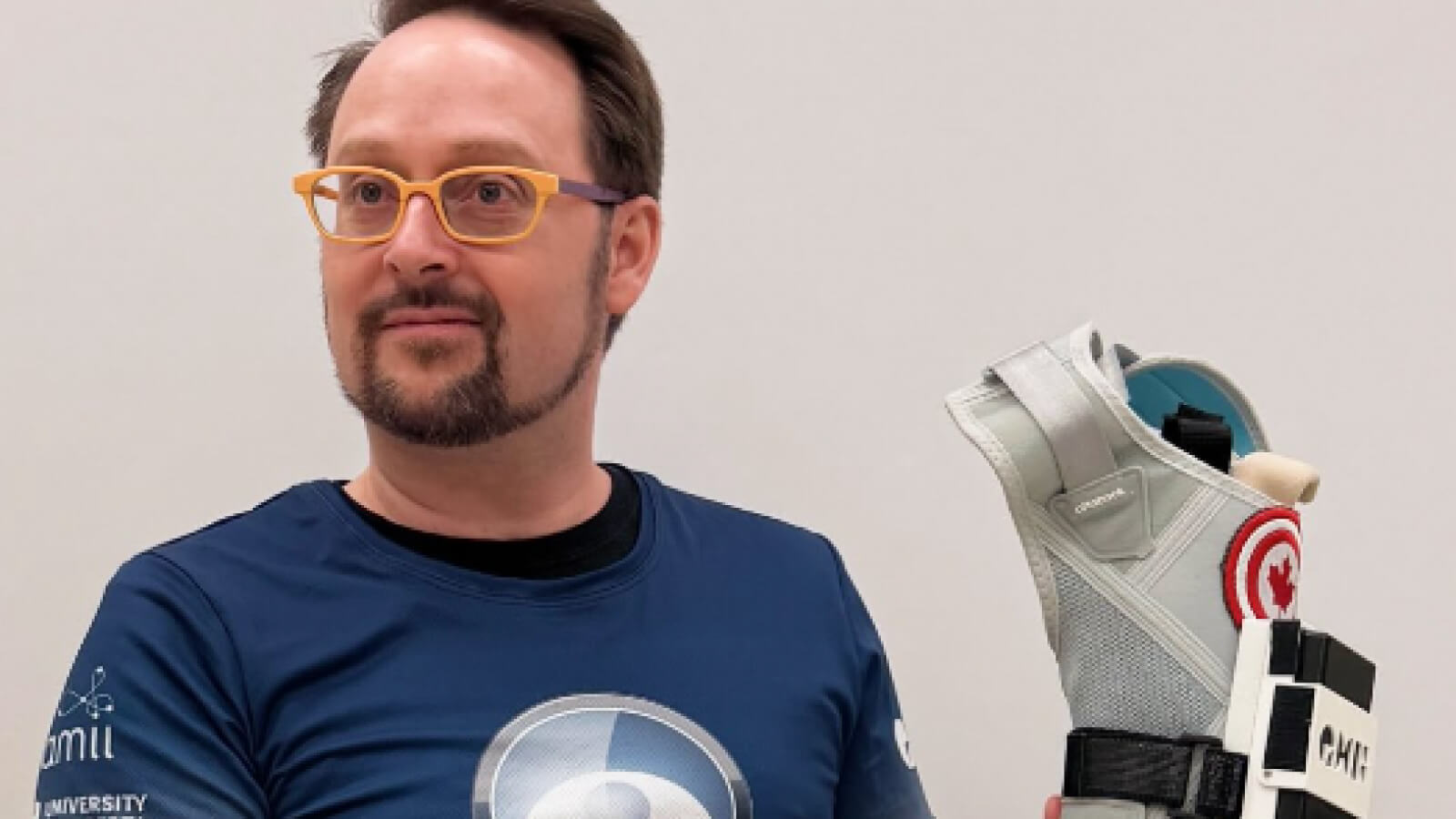
Patrick Pilarski, Canada CIFAR AI Chair and Amii Fellow, shares how artificial intelligence is transforming prosthetics into intuitive, life-changing devices.
Working alongside researchers at the U of A’s Bionic Limbs for Improved Natural Control (BLINC) Lab, Pilarski helped design the Bento Arm, a smart prosthetic that uses machine learning to decode muscle signals and anticipate a user’s intent in real time.
Our health research integrates planetary health, directly linking human wellness to environmental systems, energy and sustainable food. We lead in addressing systemic health inequities by applying social determinants and life-course approaches that support individuals across all ages.
Anchored by strong clinical trial networks, cutting-edge AI applications in health and translational research expertise, U of A scholars prepare society for emerging public health threats. Through breakthroughs in vaccines, therapeutics and diagnostics, we continue to advance disease prevention, precision biomedicine and next-generation therapies that improve patient outcomes worldwide.
$19M
Spring 2026 CIHR Project Grants
Health + Well-being Highlights 2025-2026
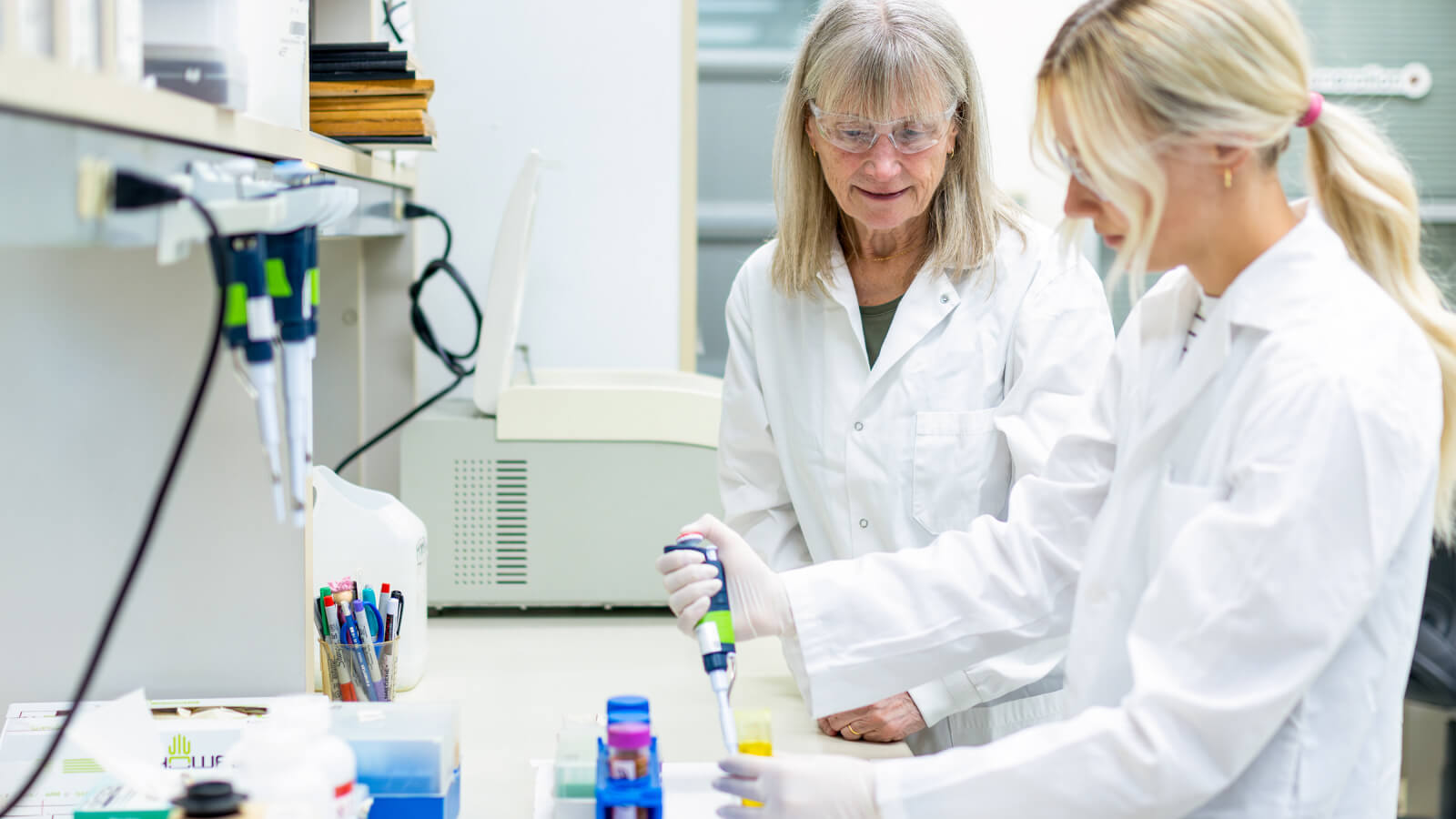
As a recognized global hub for health and life sciences, University of Alberta researchers advanced life-changing health research over the past year to transform patient care, prevent disease and build healthier communities across Canada and around the world.
In the largest gift in the U of A’s history, the Stollery Children’s Hospital Foundation and the Alberta Women’s Health Foundation announced an historic $93.5 million commitment over ten years to the Women and Children’s Health Research Institute, building on three decades of collaboration to accelerate research driven by patients, improving clinical care and long-term outcomes for families.
Tackling the global crisis of antimicrobial resistance, U of A researchers developed a promising synthetic peptide alternative to conventional antibiotics known as D-GK17, a human-derived treatment that attacks the protective biofilms created by drug-resistant bacteria and fungi to offer a vital new weapon against impenetrable infections.
At the community level, health leaders helped scale team-based primary care across Canada through a $3 million national initiative designed to improve healthcare access and patient outcomes.
In cancer care and recovery, nutrition expert Dr. Carla Prado received a prestigious Dorothy Killam Fellowship to study exact protein requirements for women undergoing chemotherapy, aiming to prevent muscle loss and help patients maintain vital strength and quality of life during breast cancer treatment.
Leading the way in oncology, the U of A partnered with quantum computing leader Xanadu to accelerate cancer drug discovery. By leveraging quantum software to model how light interacts with matter, researchers are developing targeted photodynamic therapies that destroy tumor cells while sparing healthy tissue, paving the way for faster and more precise treatments.
Read more:
- Peptide alternative to antibiotics could combat antimicrobial resistance crisis
- U of A research team helps scale team-based primary care across Canada through $3M national initiative
- Fuelling the fight against breast cancer
- Xanadu and University of Alberta partner to accelerate cancer drug discovery using quantum computing
Video Spotlight
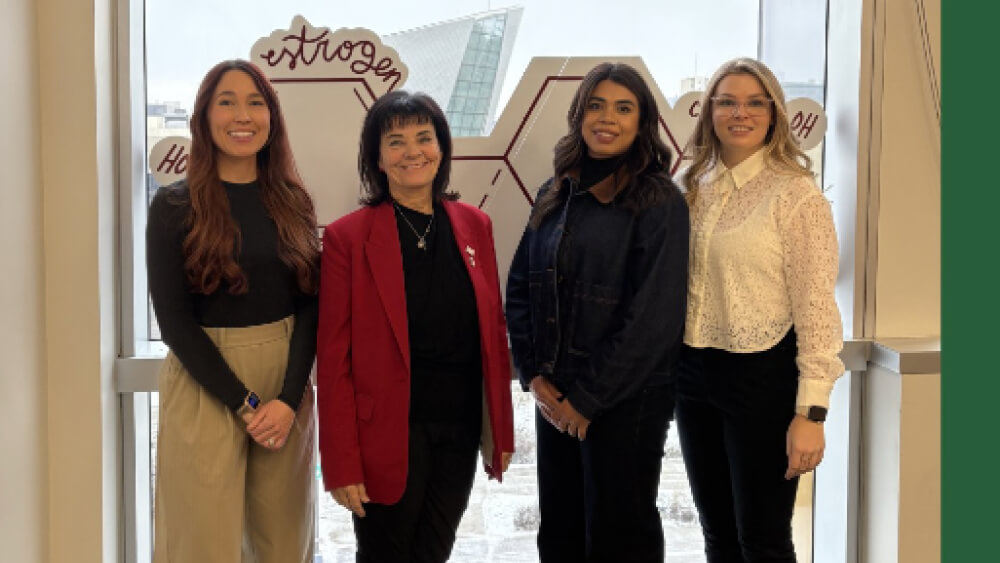
Colleen Norris, Associate Dean of Research and Professor in the Faculty of Nursing, shares how her team is closing critical gaps in women’s healthcare through a new primary care clinic.
Designed for women aged 35 and older, the clinic provides essential, evidence-based support, education and care to help patients navigate menopause and midlife health with confidence.
Guided by Braiding Past, Present and Future, the university's Indigenous Strategic Plan and the Truth and Reconciliation Commission Calls to Action, we aim to build enduring, respectful relationships with First Nations, Métis and Inuit communities.
Through collaborative partnerships, the University of Alberta aims to lead in decolonial research, advancing Indigenous-led initiatives and theoretical innovation that centers Indigenous ways of knowing, doing and being.
1st
and only Faculty of Native Studies in North America
Indigenous Research Highlights 2025-2026

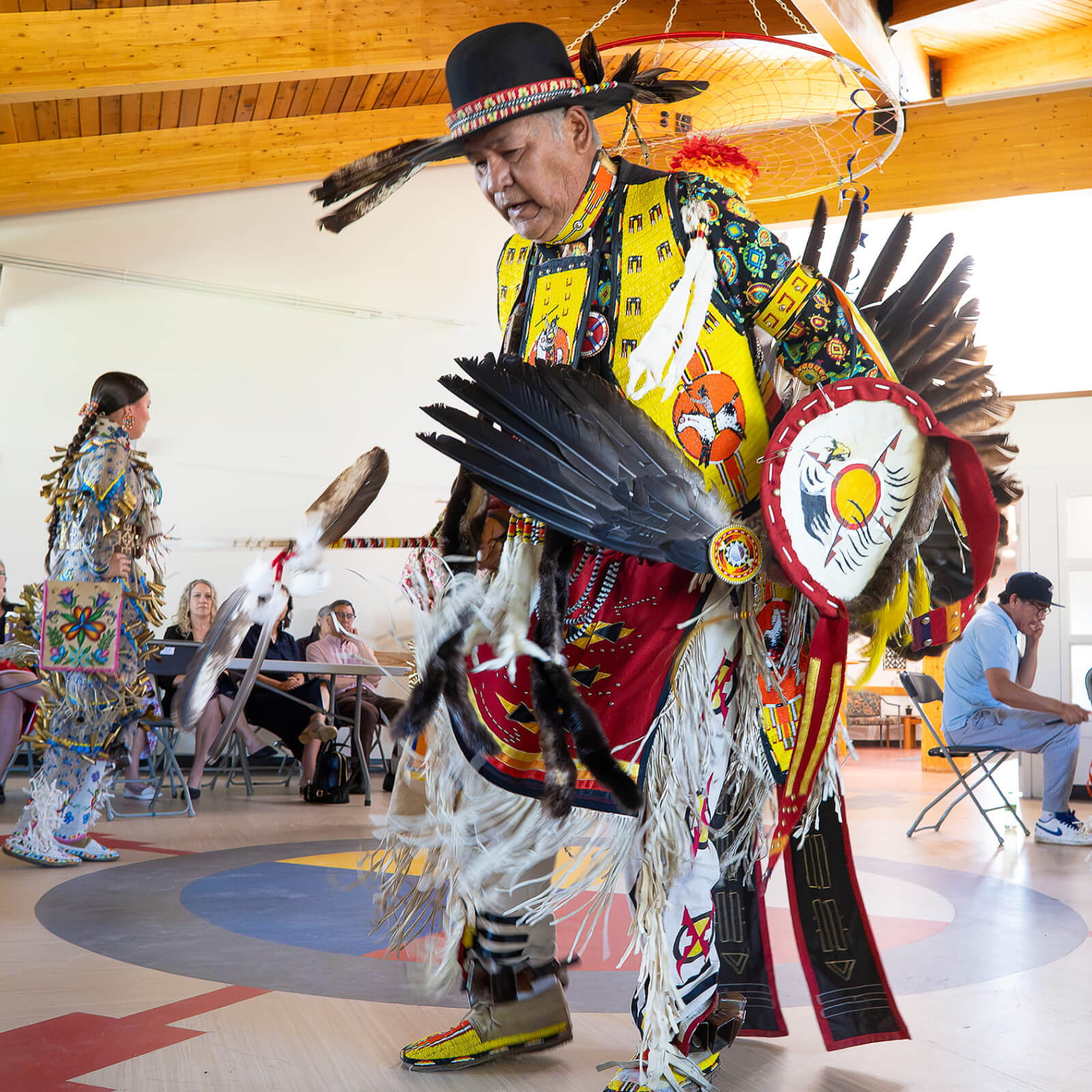
Grounded in deep community partnerships, mutual respect and self-determination, the University of Alberta continues to advance ethical, Indigenous-engaged research that yields tangible benefits for First Nations, Métis and Inuit communities.
Strengthening local capacity in forestry and sustainable land stewardship, industry partners committed $6.5 million to establish a new research chair at the U of A. This funding enhances our forestry programs while creating dedicated opportunities for Indigenous-led research, traditional ecological knowledge integration and collaborative management of northern forest ecosystems.
Gaining national recognition for impactful disaster research, non-Indigenous U of A professor Dr. Tara McGee was honoured in the House of Commons after receiving a prestigious SSHRC Impact Connection Award. Co-leading the First Nations Wildfire Evacuation Partnership alongside Indigenous leaders, her work integrates community experiences and traditional knowledge to improve wildfire evacuation preparedness and better protect First Nations communities during emergency events.
Highlighting the breadth of community-driven work taking place across campuses, the university hosted the Indigenous Engaged Research Symposium on data sovereignty. Bringing together Elders, community leaders, students and faculty, the event celebrated relationship-based research and demonstrated how collaborative scholarship drives meaningful reconciliation in action.
In healthcare and family wellness, U of A researchers partnered with Maskwacîs Health Services on transformative community-led initiatives. A study evaluating The Early Years home visitation program in Maskwacîs revealed a sixfold increase in early childhood vaccination rates among participating families by building trusting relationships, offering culturally grounded support and providing practical aid.
Building on this success, the U of A and Maskwacîs Health Services signed a historic agreement allowing family medicine residents to complete six-month training placements within the four Cree nations of Maskwacîs. Learning directly from Elders, community members and local healthcare providers, resident physicians gain vital immersive experience in culturally safe, relationship-centered care that honours Indigenous traditions and community strengths.
Read more:
Video Spotlight

Grant Bruno, Assistant Professor in the Faculty of Medicine & Dentistry, shares how community-led research is reshaping autism care for First Nations families.
Working directly with and within First Nations communities, Bruno advances research that centers Indigenous knowledge, builds long-term trust and delivers culturally grounded support for autistic children, families and caregivers.
We lead in innovative agriculture, resilient food systems and animal science. Our sustainable research underpins climate-friendly practices, optimizing natural resource use while advancing smart agriculture technologies that transform farm management.
Driving sector-defining innovation in core commodities like beef and canola, U of A expertise shapes public policy and clinical practice. Through an intersectional lens, our researchers ensure safe, nutritious food supplies and define dietary needs that improve health outcomes across diverse populations.
25,000
Acres of U of A-owned farm and ranch land spanning Alberta
Agriculture + Food Highlights 2025-2026

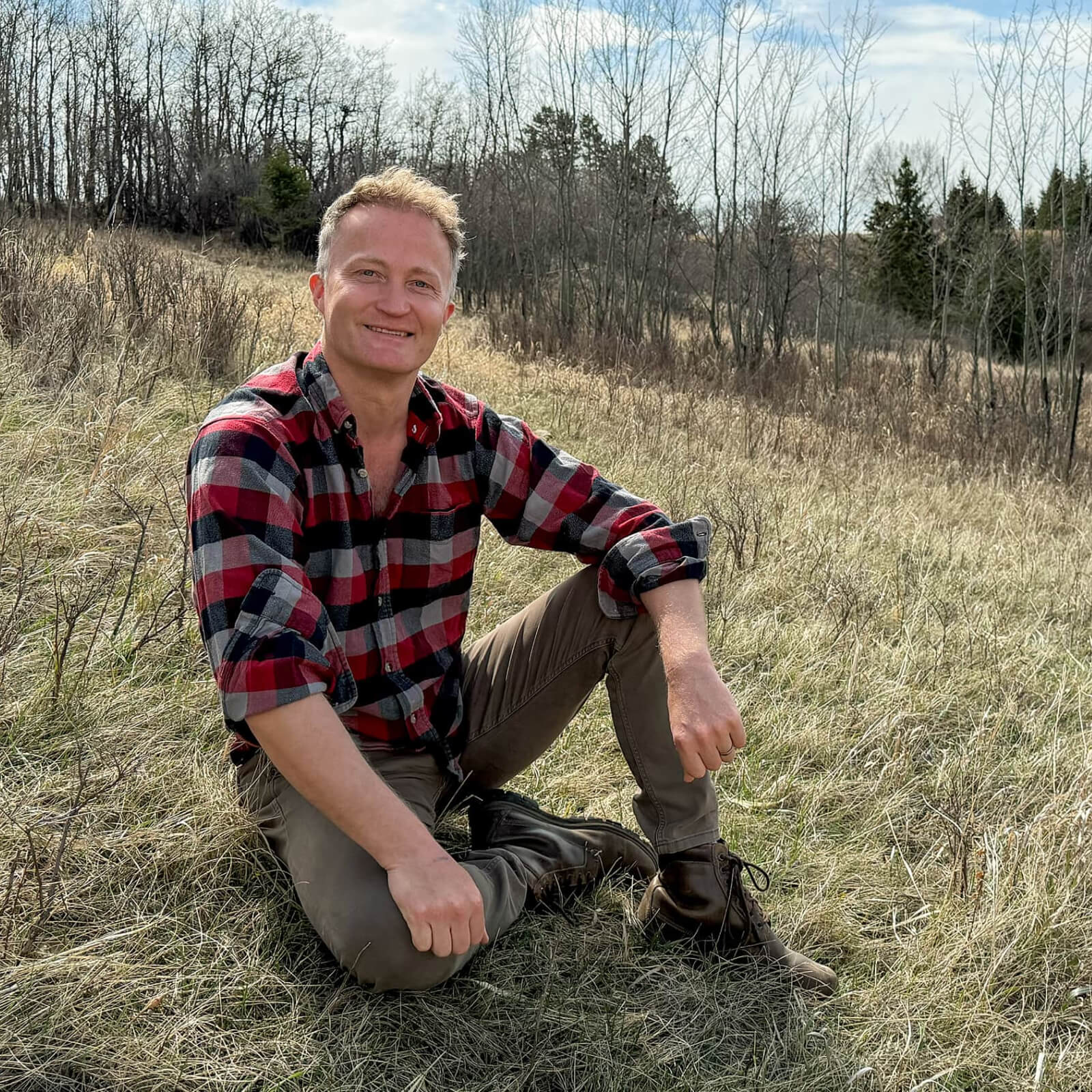
In an emerging area of strength across agricultural and food systems, University of Alberta researchers drove sustainable farming solutions, protected vital ecosystems and delivered precision tools for modern producers over the past year.
Addressing long-term sustainability in Canadian forestry and land management, a landmark global analysis led by U of A researchers revealed that certain boreal forest species fail to recover even 100 years after clearcutting. While faster-growing broadleaf trees recover quickly, slow-recovering organisms in mixed and coniferous forests, including lichens, mosses and deadwood-dependent insects, require longer recovery windows or retention-harvesting practices to preserve forest biodiversity and ecosystem health.
Advancing high-tech solutions for forest conservation, researchers combined drone imagery with machine learning to map underground soil health across vast landscapes. By tracking key fungal diversity from the air, this scalable technique drastically reduces the need for costly manual soil sampling and gives forest managers an efficient new tool to guide ecosystem restoration.
In soil science and agronomy, U of A researchers provided crucial insights to help farmers optimize inputs while safeguarding land quality. Long-term soil studies demonstrate that moisture availability, rather than fertilizer application alone, dictates the fate and longevity of soil phosphorus, offering a clearer picture of nutrient cycling. Complementing this work, researchers showed that implementing science-based crop rotations can significantly boost farm profits while protecting long-term soil health, reducing disease pressures and improving yield resilience.
To protect endangered Canadian grasslands, the university established the Grassland Learning and Knowledge Hub. Supported by federal funding, this interdisciplinary research hub brings together agricultural producers, Indigenous communities and researchers to co-create conservation strategies, analyze the economic drivers behind land conversion and preserve these carbon-storing prairies.
Transforming livestock management through precision ranching technology, U of A rangeland researchers demonstrated that high-tech virtual fencing collars keep cattle within set digital boundaries more than 99 percent of the time. Controlled via a smartphone app using GPS and audio cues, this fence-free system eliminates costly physical fencing, reduces labour and allows ranchers to easily rotate grazing areas to maintain healthy soil and pasture recovery.
Read more:
- Some boreal forest species fail to recover even 100 years after clearcutting: study
- Drones and machine learning team up to map forest soil health
- Moisture availability, not fertilizer alone, affects long-term fate of soil phosphorus
- No fences: research shows high-tech collars keep cattle from straying
Video Spotlight
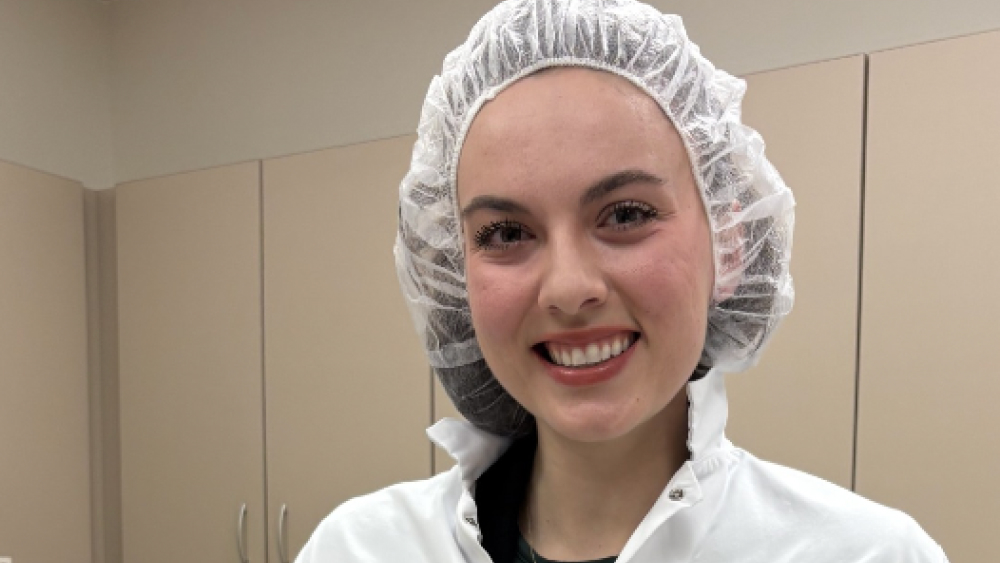
Anissa Armet, postdoctoral scholar in the Faculty of Medicine & Dentistry, along with researchers from the Faculty of Agricultural, Life & Environmental Sciences, shares how returning to ancestral dietary habits can transform gut health.
Inspired by non-industrialized populations, the team developed the Non-Industrialized Microbiome Restore (NiMe™) diet. Rich in nutrient-dense foods like walnuts, salmon and sweet potatoes, the diet enhances the gut microbiome to lower the risk of chronic conditions like heart disease and diabetes.
Social Transformations Highlights 2025-2026
As our world undergoes rapid cultural, economic and technological shifts, University of Alberta scholars across the humanities and social sciences drive critical insights into human behaviour, advance social equity and strengthen the social fabric of communities locally and globally.
Elevating democratic leadership and public policy, the U of A appointed the inaugural executive director of the Peter Lougheed School of Politics and Democracy, reinforcing the school's mission as a premier center for civic dialogue, non-partisan policy research and leadership development.
Examining how society evaluates systemic change, psychological research introduced "the fairness filter," demonstrating how recent social progress can paradoxically skew public perceptions of past discrimination and make historical inequalities harder to recognize in contemporary policy.
Fostering cultural continuity among newcomer communities, a U of A study highlighted how multilingual early language programs help immigrant families preserve vital heritage ties and intergenerational connections as they navigate integration in Canada.
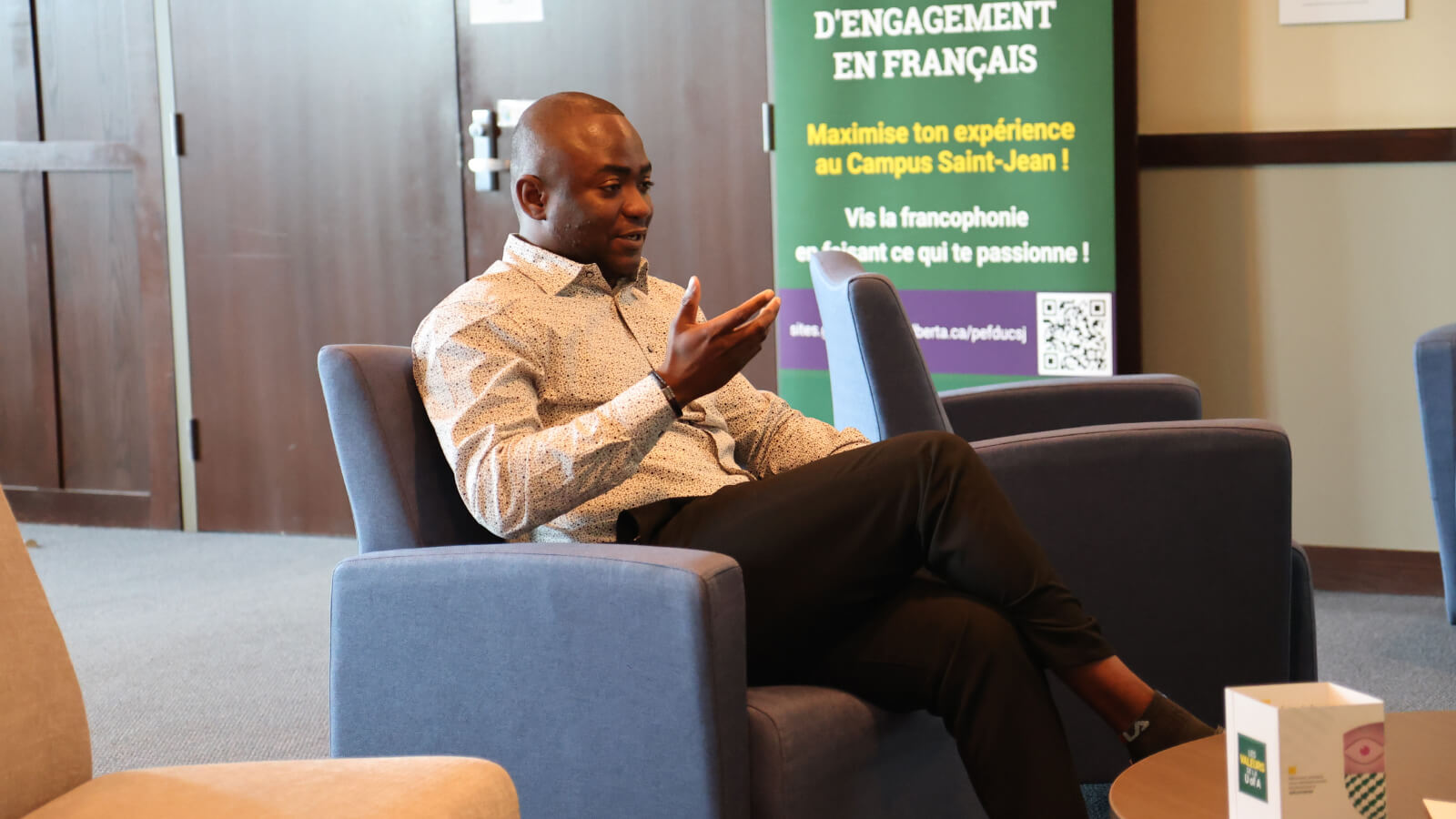
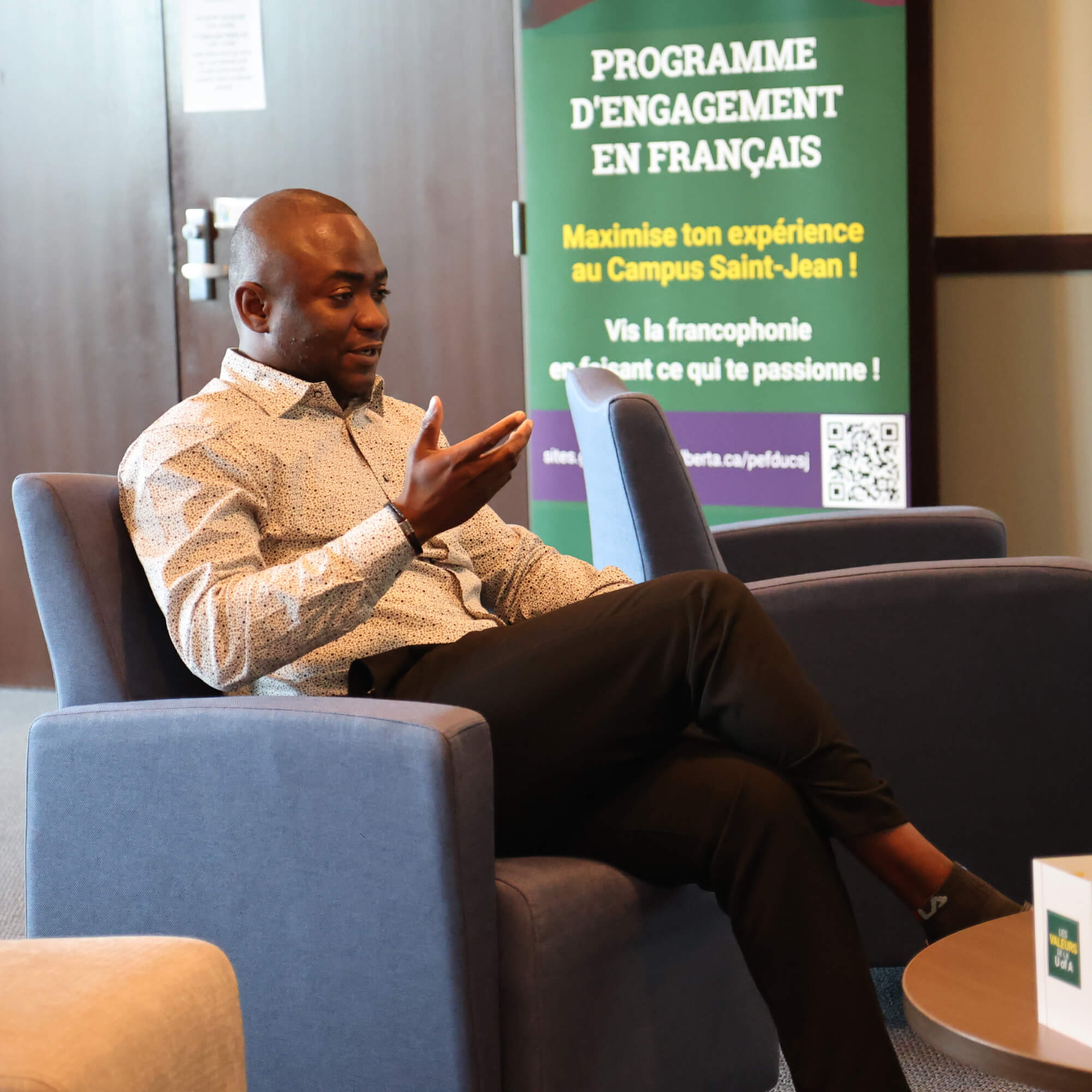
Advancing equity in minority language education, researcher Komla Essiomle led historic research on Francophone scholarship in Alberta, laying essential groundwork for equitable school leadership, administrative policy and institutional representation across Francophone communities.
Addressing rural health disparities, U of A researchers created "farm-informed" therapy to deliver tailored mental health support that directly targets the unique economic and lifestyle stressors facing agricultural families.
In urban design and public health, researchers collaborated with local communities to create safer public destinations for individuals living with dementia, using evidence-based design to foster independence and civic engagement.
Read more:
- Gitane De Silva tapped to lead the Peter Lougheed School of Politics and Democracy
- The fairness filter: progress skews perceptions of past discrimination
- More than words: multilingual language program helps immigrant families preserve cultural ties
- ‘Farm-informed’ therapy offers vital mental health support for agricultural workers and their families
- Designing better destinations for people living with dementia
Video Spotlight
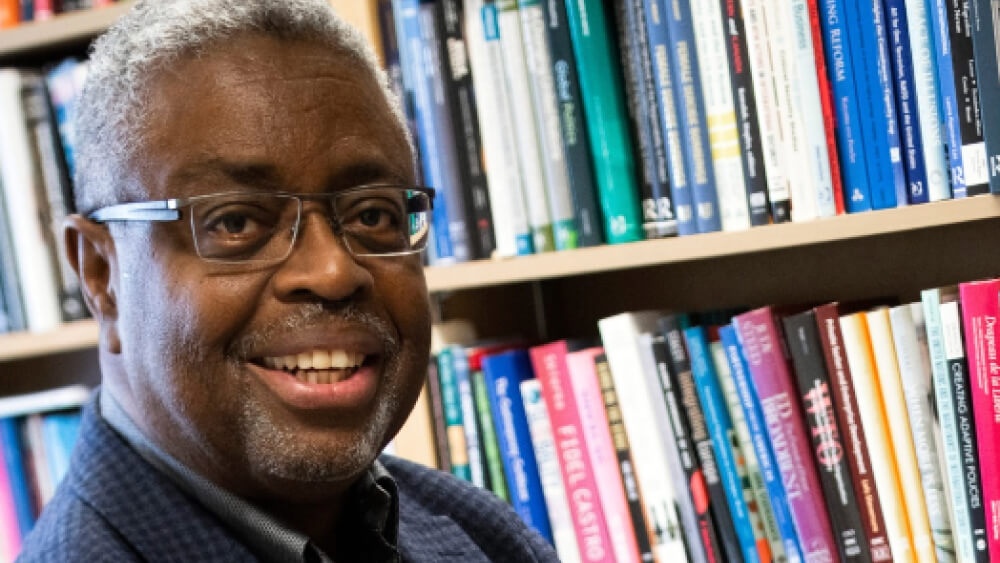
Andy Knight, political science professor and former Provost Fellow in Black Excellence & Leadership, shares how U of A research is driving real-world change for youth across Canada.
As part of the national project Transforming Lives, Knight leads research aimed at dismantling systemic barriers, advancing social equity and supporting positive outcomes for Black children and youth.
Defence and Dual-Use Highlights 2025-2026
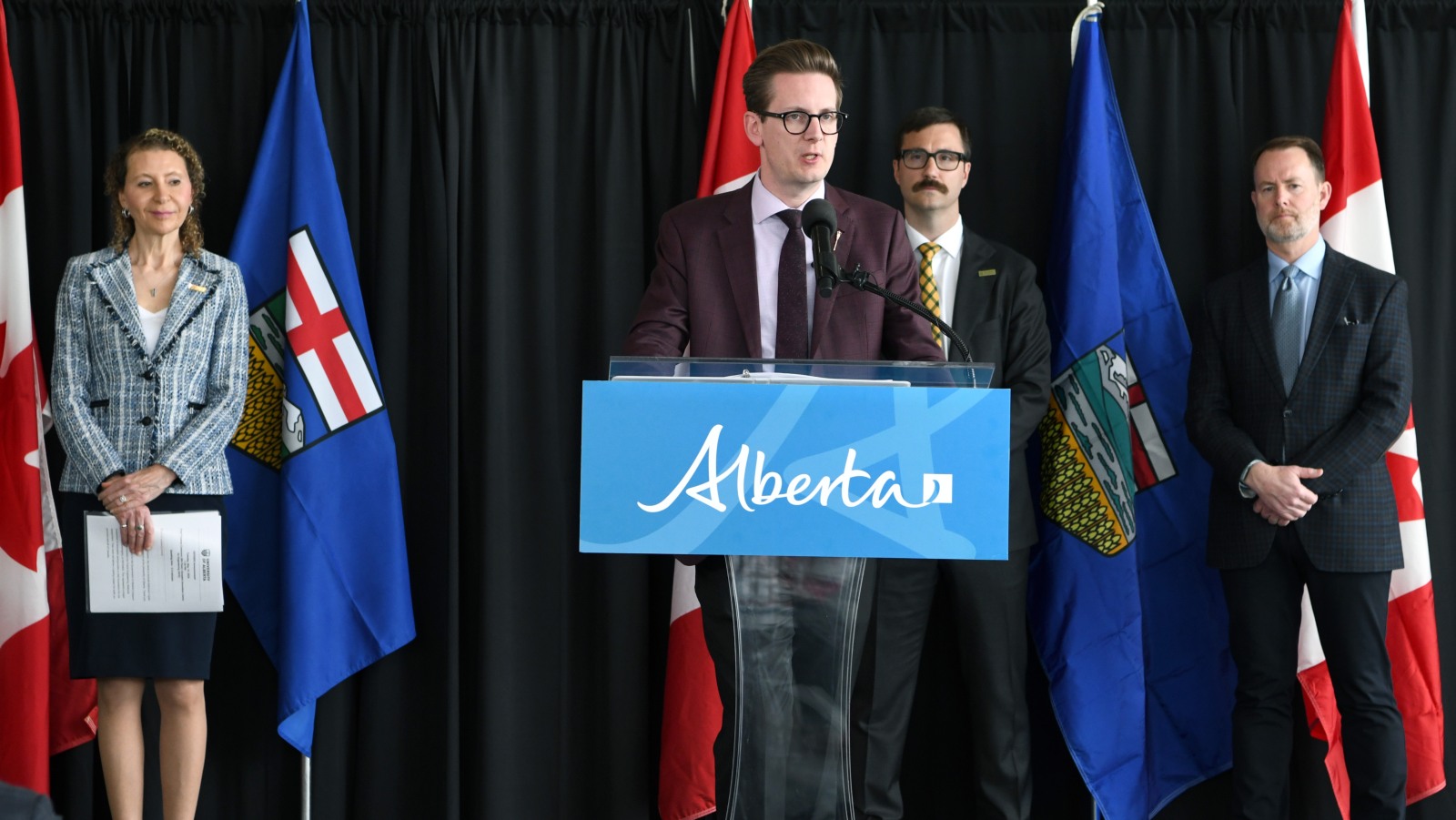
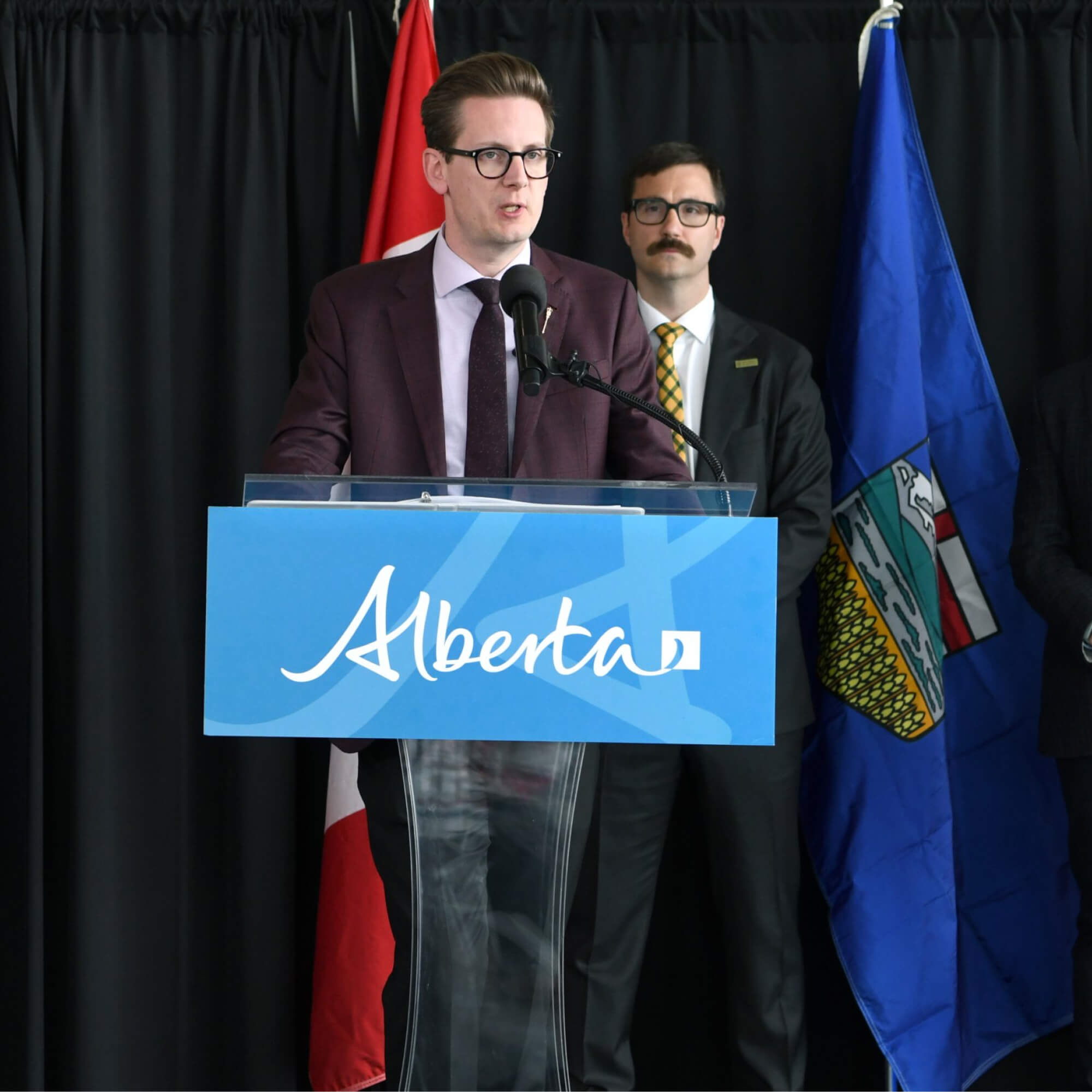
Positioning the University of Alberta as a national leader in security, sovereignty and technological resilience, our researchers advanced defence and dual-use innovations over the past year to protect communities, strengthen northern security and support military personnel and first responders. As a founding member of the Edmonton Region Defence Alliance (ERDA), the U of A works alongside key partners to align the region’s defence technology ecosystem and establish Western Canada as a leading defence hub.
Major strategic investments accelerated this work to a national scale. Supported by a $21 million provincial contribution alongside a significant $3 million launch investment, the U of A will expand its defence research infrastructure and capabilities. Funding will fuel university efforts to align core research with national defence priorities, and build trusted platforms that move critical innovations safely out of academic laboratories and into active deployment.
Reinforcing our commitment to Arctic security and northern sovereignty, the U of A entered into a strategic partnership with the Des Nedhe Group, the economic development corporation of the English River First Nation. This collaboration focuses on advancing defence-related research, northern infrastructure and workforce development. By involving Indigenous partners in major security initiatives, the project enhances northern surveillance, artificial intelligence and drone capabilities while driving long term economic benefits for local communities.
In health and operational recovery, U of A researchers deployed novel therapies to treat severe trauma among military personnel, veterans, first responders and frontline workers. Through an innovative motion-assisted psychotherapy known as 3MDR, patients walk on a treadmill while processing traumatic memories under guided supervision. Clinical trials show remarkable, rapid progress in treating post-traumatic stress disorder, giving patients control over their recovery journey and helping them heal faster and stay well longer.
Read more:
Video Spotlight
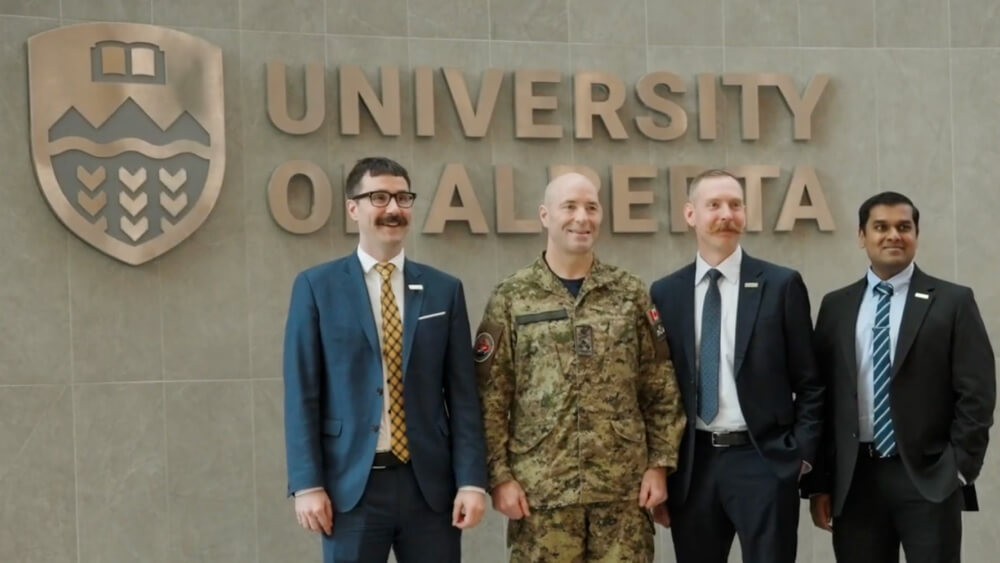
Through the Dual-Use Ecosystem for Future Engineering, National Defence and Sovereignty (DEFENDS) platform, U of A researchers are collaborating with local industry innovators and military partners to strengthen national security right here in Alberta.
James Hogan, Director of the Centre for Applied Research in Defence and Dual-use Technologies (CARDD-Tech), explains how bridging academic research, industry and military end-users builds vital capabilities for Canada.
VPR-Supported Awards 2025-2026
- 2 Royal Society of Canada College of New Scholars
- 5 Royal Society of Canada Fellows
- 1 Royal Society of Canada Yvan Allaire Medal
- 1 Royal Society of Canada Flavelle Medal
- 1 CIFAR Azrieli Global Scholar
- 5 Canadian Academy of Health Sciences
- 1 NSERC Gerhard Herzberg Canada Gold Medal for Science and Engineering
- 1 Order of Canada Member
- 1 Governor General's Innovation Award
- 1 SSHRC Impact Award: Connections
- 1 Dorothy Killam Fellowship
- 2 Community-Based Research Canada Honourable Mentions