Pharmacology
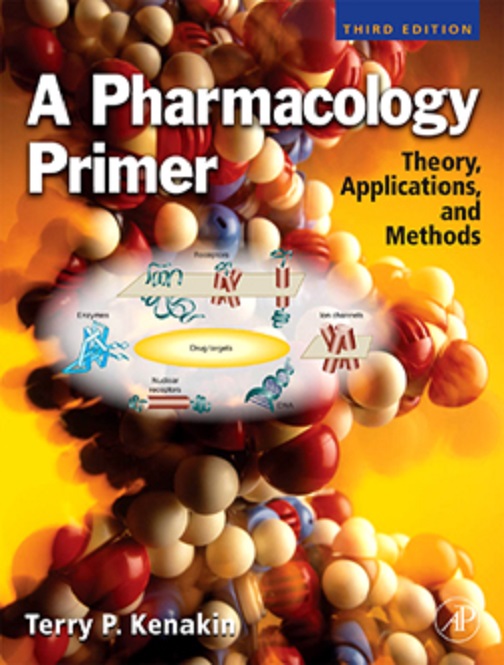
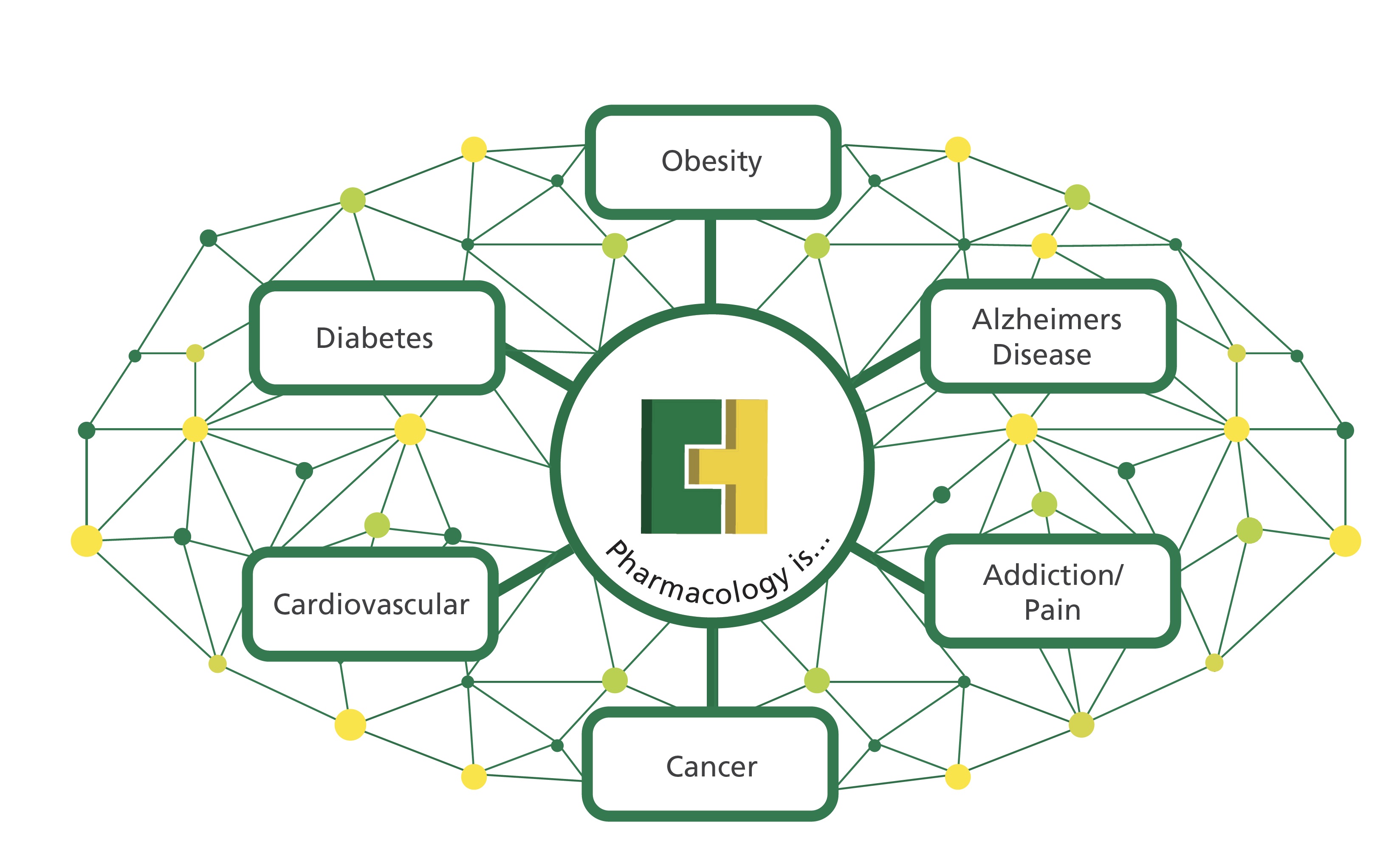
The Department of Pharmacology is an integral part of the Faculty of Medicine and Dentistry at the University of Alberta. We are proud of the excellence of our scientific research and our deep commitment to undergraduate and graduate education. Read a statement on the importance of pharmacology in the post-genomic era, from distinguished alumnus Dr Terry Kenakin.
Message from the Chair
Welcome to the Department of Pharmacology at the University of Alberta. Our department is dedicated to world-class training for undergraduate/ graduate students and post-doctoral fellows, equipping the next generation of scientific leaders with comprehensive academic and practical expertise in pharmacology. Situated at the forefront of biomedical innovation, our faculty and researchers drive impactful discovery with specialized research expertise in neuroscience, cardiovascular science, and diabetes research.
Peter Light
Interim Chair
NEWS
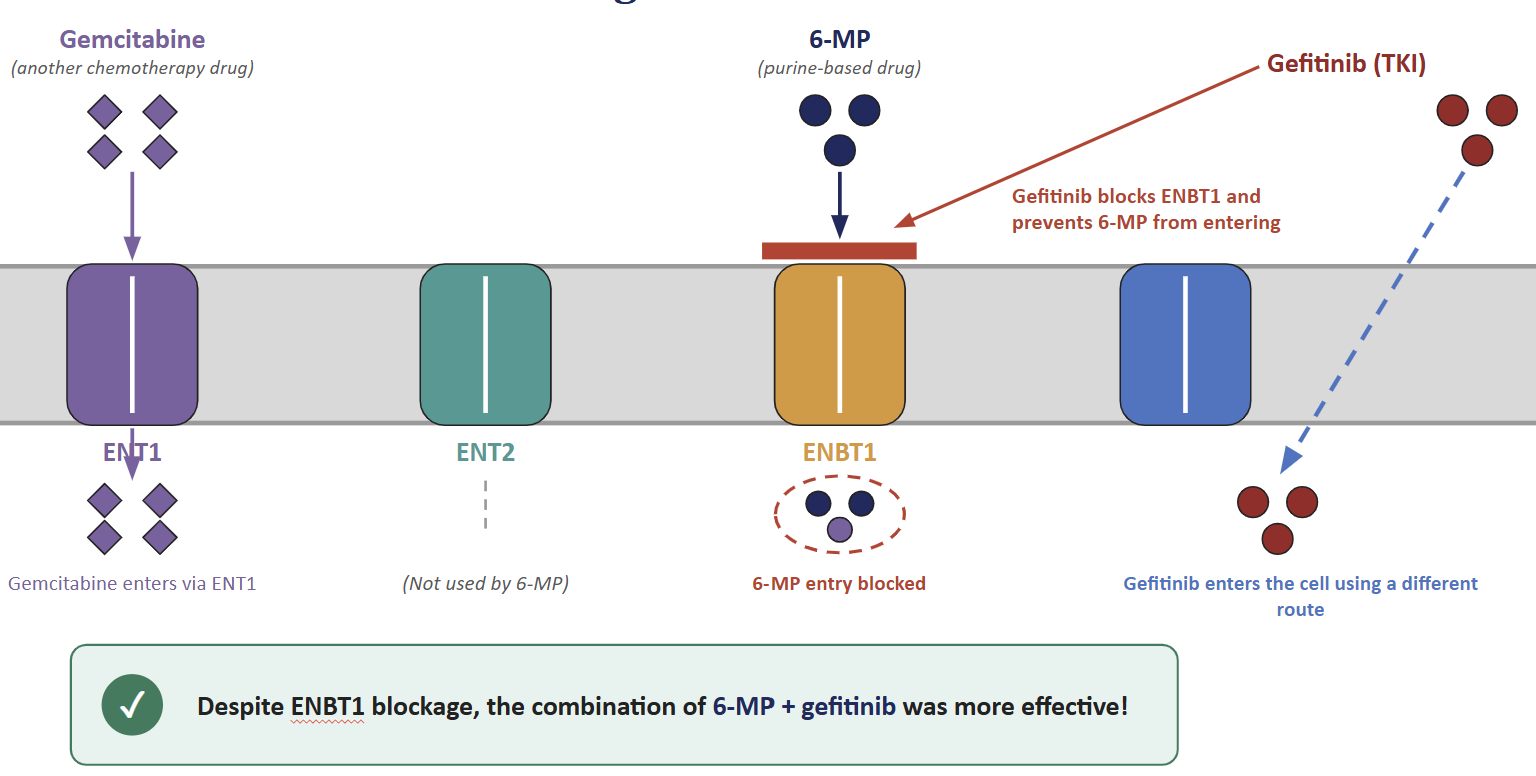
In Cancer Treatment, Redundancy Can Be A Good Thing
Dr. James Hammond's team explored a longstanding concern of chemotherapy: could drugs end up cancelling each other out. In this case, could one drug hinder another drug's ability to get into a cell? Their research reveals that redundancy in biology can indeed come in handy.
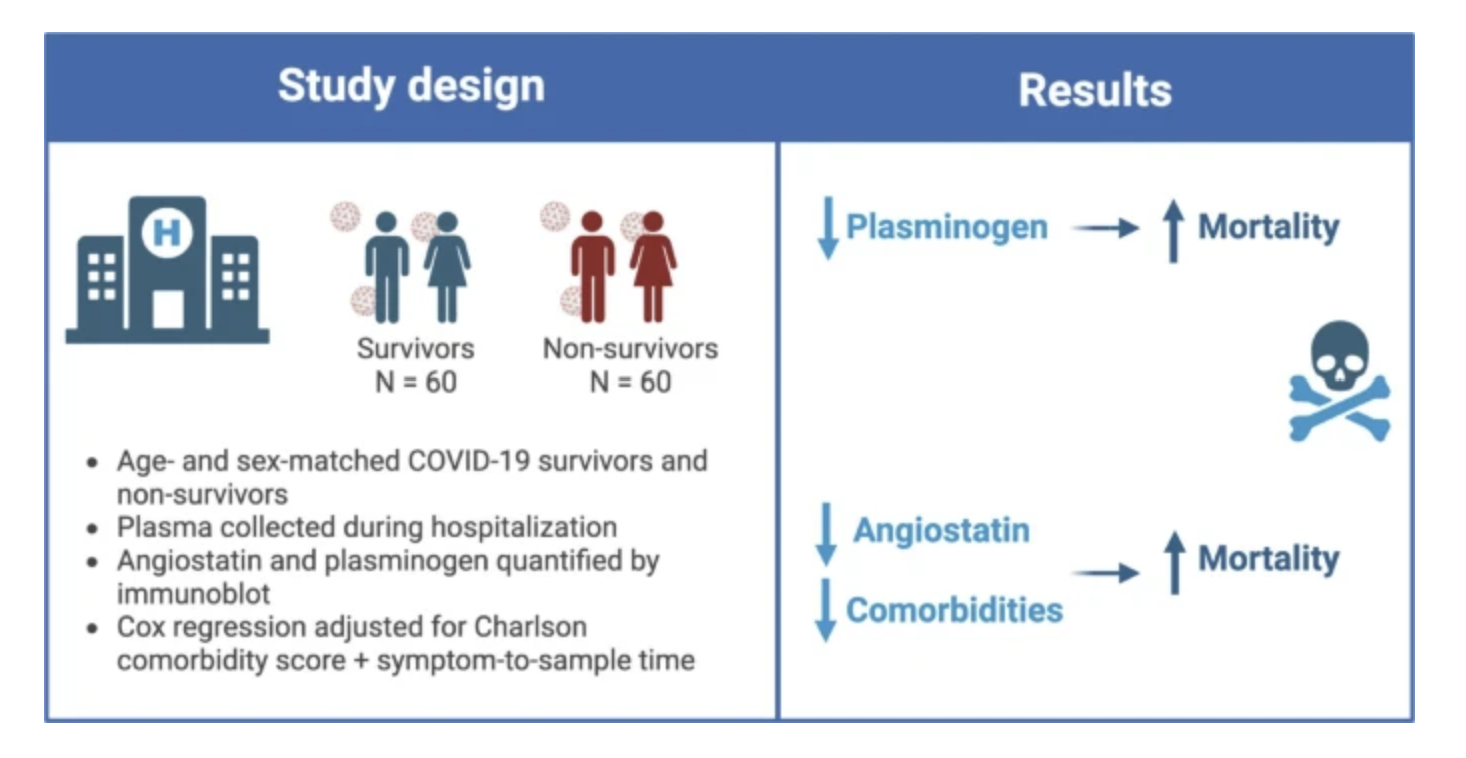
Identifying Critical Factors in COVID-19 Mortality
Dr. Paul Jurasz and his then PhD student, Dr. Aleksandra Franczak have shared their findings on the importance of angiotensin and plasminogen on the survival of patients with severe COVID-19 infection. This information will prove highly useful as cases continue to occur.
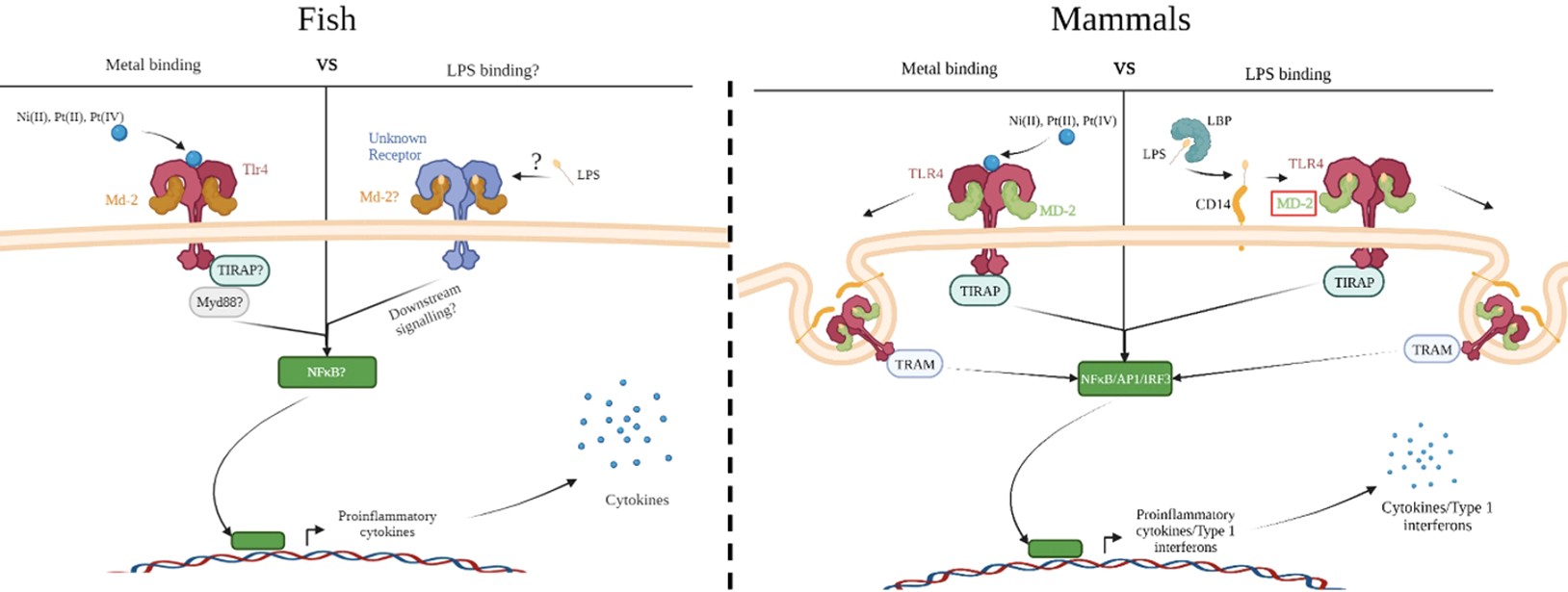
Identifying Similarities Between Fish and Humans (immunologically, at least)
Dr. Bhavsar collaborated with Biological Sciences Chair, Dr. Ted Allison to explore the response of one of the body's emergency alert messengers called TLR4. What they found may offer a new route to test both pathogenic mechanisms as well as intervention therapies in the future.
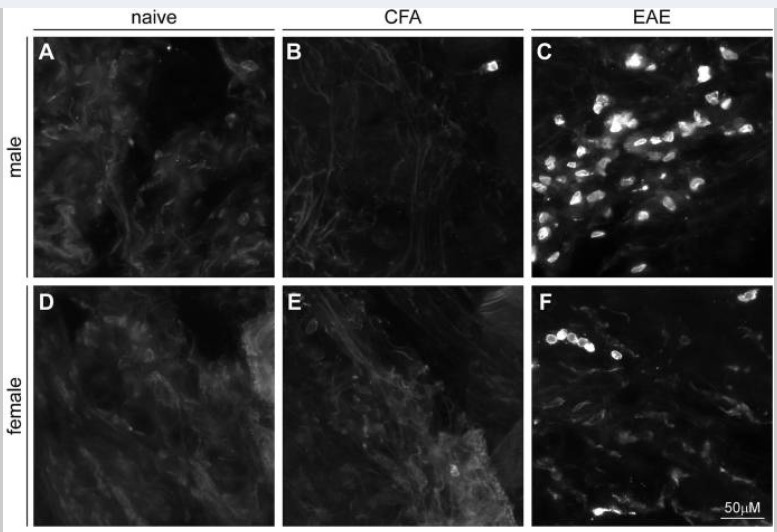
Finding the Effects of MS outside the CNS
Multiple Sclerosis is thought to affect solely the central nervous system but as Dr. Kerr's lab reveals, the effects may extend to the far reaches of the body.
In Memoriam: Dr. Fred Tse
On February 13, Dr. Fred Tse, a beloved member of our Pharmacology family passed. We share his obituary and welcome your comments, which will be shared with Amy. Email them to: tetro@ualberta.ca.
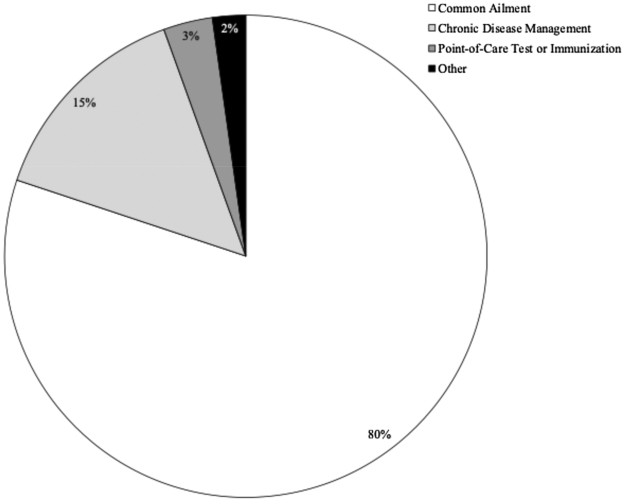
Why Do You Go To The Pharmacy?
With the era of pharmacy clinics now in full swing, Dr. Al Harmaneh asks Albertans this question and the answers are not only revealing, but also encouraging for pharmacists here and worldwide. READ THIS PAPER
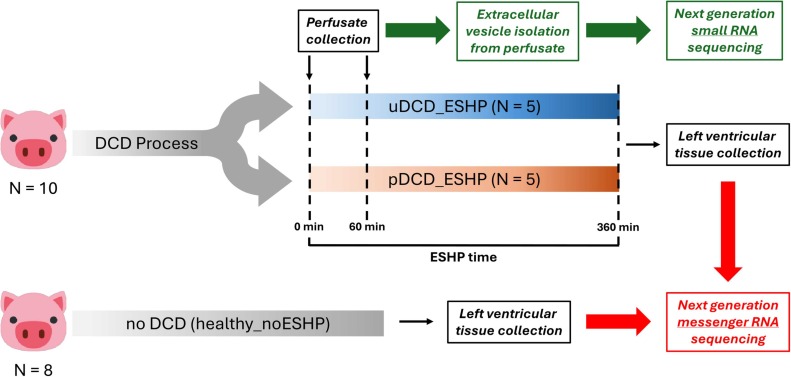
Increasing Heart Transplant Options
Dr. Zaugg's lab has been focusing on how to maintain donor hearts after circulation has ended. Their latest paper explores how a perfusion formula may be able to reduce damage and maintain the viability of the heart over time. READ THIS PAPER
Dr. Kurata Publishes Two Core Pore Papers
Over the last few months, the Kurata lab has published two important papers revealing the importance of voltage gated potassium channels in human developmental diseases. These papers also reveal how mysteries can be solved and solutions can be found.
In the first, Dr. Stepheny Zani explains how a single molecule may one day treat one of the causes of neonatal epilepsy. READ THIS PAPER
In the second, Dr. Nayiar Shahid reveals how the hunt for the cause of an anatomical rare disease led to a better understanding of pore interactions inside the cell. READ THIS PAPER
From The Fringe to the Fast Lane
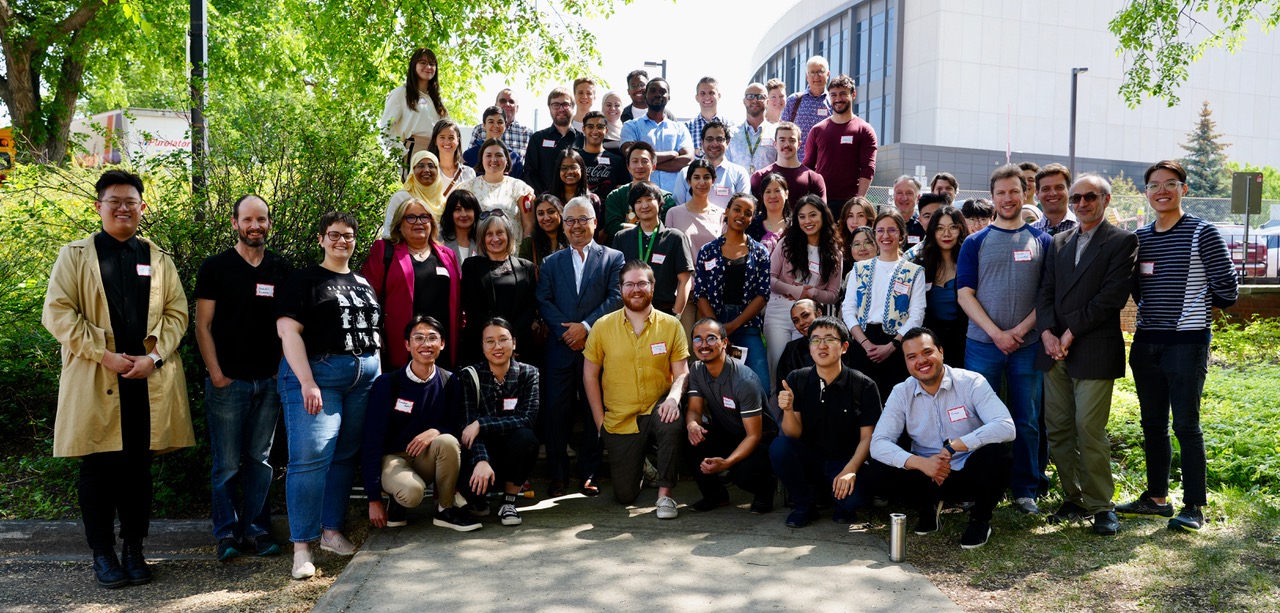
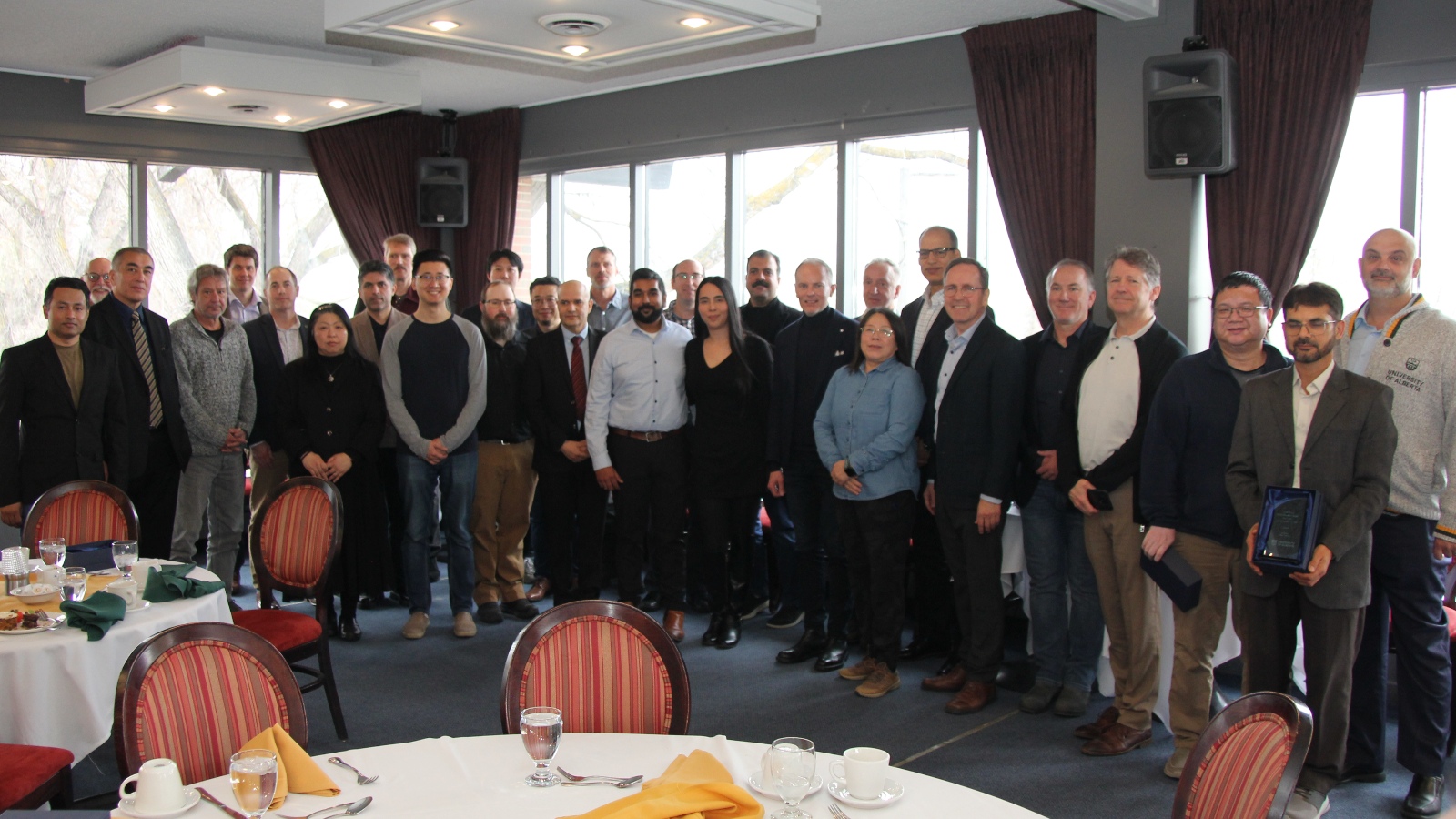
Congratulations to Dr. Peter Light (see if you can find him in the photo) for being named as one of the 2025 Innovation Award winners for his spinoff company, Fringe Field Technologies Inc. Together with Masoud Baghelani, Dr. Light hopes to bring non-invasive microwave glucose-sensing technology to help prevent and slow the progression of diabetes. READ MORE
Dr. Light Finds a Plot Twist In The Type 2 Diabetes Story
A discovery from the Light Lab shows how a lesser-known enzyme can rescue GLP-1 production when the body’s main hormone-processing pathway exits the stage.. READ MORE
Dr. Shahid Explains The Importance of Listening To ENTs
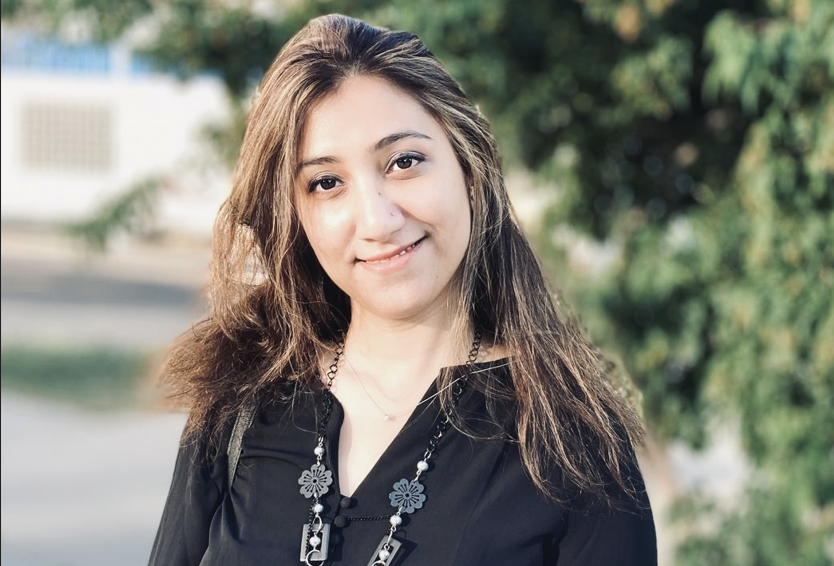
In her own words, recent Hammond lab graduate Dr. Shahid explains how using CRISPR technology, she created precise human cell models that finally let us study ENT1 and ENT2 separately and uncover how each transporter shapes nucleoside traffic and chemotherapy drug activity. READ MORE

Dr. Sipione Featured in Folio!
Congratulations to Dr. Sipione for her recent feature in the University of Alberta Folio! The article focuses on her recent Science Advances publication, "Gangliosides modulate the secretion of extracellular vesicles and their misfolded protein cargo," as well as her career examining how gangliosides protect the brain. READ THE ARTICLE!