Program Overview
From development fundamentals to a hands-on capstone project with industry partners, the MRED program connects classroom learning with the realities of the real estate industry. Students develop a multidisciplinary understanding of real estate development while building practical skills and meaningful industry connections.
Course sequencing and scheduling
- Fall term: Students gain a solid foundation in real estate development concepts.
- Winter term: Learnings from fall term come together in real estate law and through electives.
- Spring/Summer terms: The program culminates in a capstone project in partnership with industry professionals. Students immerse themselves in small teams to contribute to a real-world project.
The MRED program combines primarily in-person learning with select online learning opportunities. Students can expect daytime classes from Tuesday to Thursday throughout the program, with in-person delivery being the primary format.
Experiential learning opportunities and industry events may be held Mondays and Fridays, with occasional evening or weekend opportunities. The detailed timetable will be confirmed closer to the start of the program.
Required courses
Students must complete six core courses, including a capstone course, and four elective courses. The capstone course (RED 699) provides students the opportunity to apply academic learning to real-world challenges. Specific MRED electives are offered based on student demand, along with dozens of options of relevant electives offered from multidisciplinary departments.
Capstone course
The capstone course (RED 699) is a signature offering of the MRED program, integrated with the professional network of Cities Institute. This course is a culmination of everything students acquired through coursework, applied to real-world projects and in partnership with industry professionals.
This is a chance for students to have direct mentorship from industry professionals, and for those professionals to get a sense of graduate capabilities and employability.
Core Courses
- RED 610: Real Estate Economics and Policy
- RED 611: Real Estate Finance, Investment, and Capital Markets
- RED 612: Legal Issues in Real Estate
- RED 613: Real Estate Development
- RED 614: Markets, City Plans, and the Land Use Approval Process
- RED 699: Capstone Project
Elective courses
- RED 615: Construction Scheduling, Building Systems, and Cost Estimation
- RED 616: Site Planning, Development, and Prototypical Built Form
- RED 617: Transportation Ecosystem and Land Use
- RED 618: Commercial Leases, Investment Transactions, and Negotiations
- RED 619: Sustainable Management of Real Estate Assets and Development (incl. Infrastructure & Building Decarbonization)
- RED 620: Housing Markets and Housing Policy
- RED 621: Healthy Communities and Healthy Buildings
Orientation
The MRED program begins in late August with an orientation designed to prepare you for the year ahead in real estate development. Connect with your cohort, build relationships and begin developing a professional network that will support you throughout the program and into your career.
Professional development and experiential learning
Outside of the classroom, MRED students engage in soft skill development and genuine networking opportunities. Regular workshops, site tours, exclusive dinners, industry tours and unique events in collaboration with industry partners sets MRED apart from other degree programs. Students graduate with a built-in network, which is a major part of successful careers in the real estate development industry.
Industry membership
All MRED students automatically hold a student membership in CREDA Edmonton Region. This allows students to engage in association events and learning opportunities that are directly connected to industry professionals and current affairs.
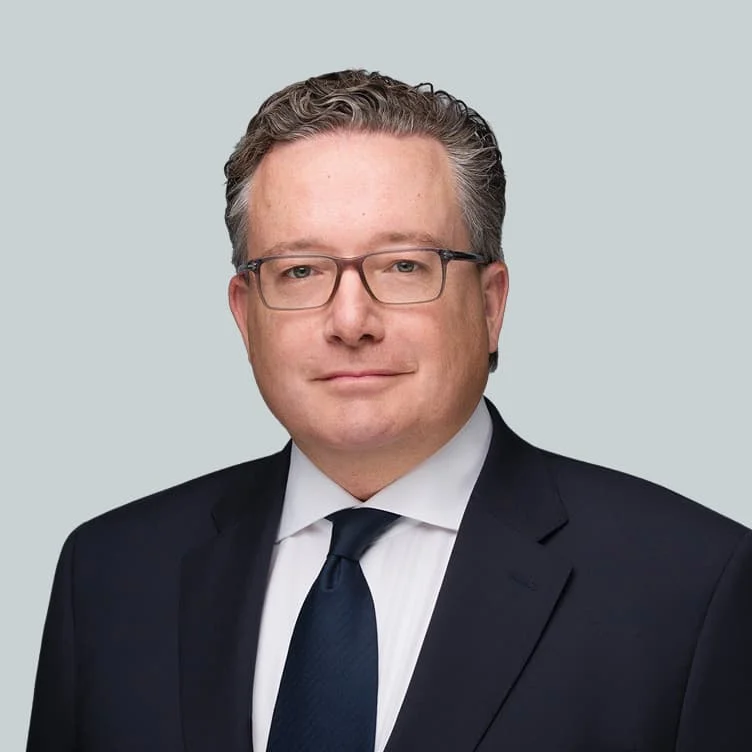
"The MRED program stands out for its comprehensive curriculum, blending theoretical knowledge with real-world application. To have this program at the Alberta School of Business is truly an amazing asset, not only for the school but for the region. Graduates leave this program with the practical skills and critical thinking abilities necessary to tackle the evolving challenges of real estate development. The opportunity to learn from experienced faculty and collaborate with industry professionals offers invaluable insights and networking possibilities. These connections help bridge the gap between academia and the professional world, ensuring that MRED graduates are well-prepared to lead and contribute meaningfully to the industry."
Dave Young, Executive Vice President, CBRE
Connect with us
The Master's Programs Office is here to support you.
If you have questions about your eligibility or would like to learn more about our programs, please contact us by email at busgrad@ualberta.ca and include your résumé, the program you are interested in and your intended start term.