Faculty Feature: Youran Lin
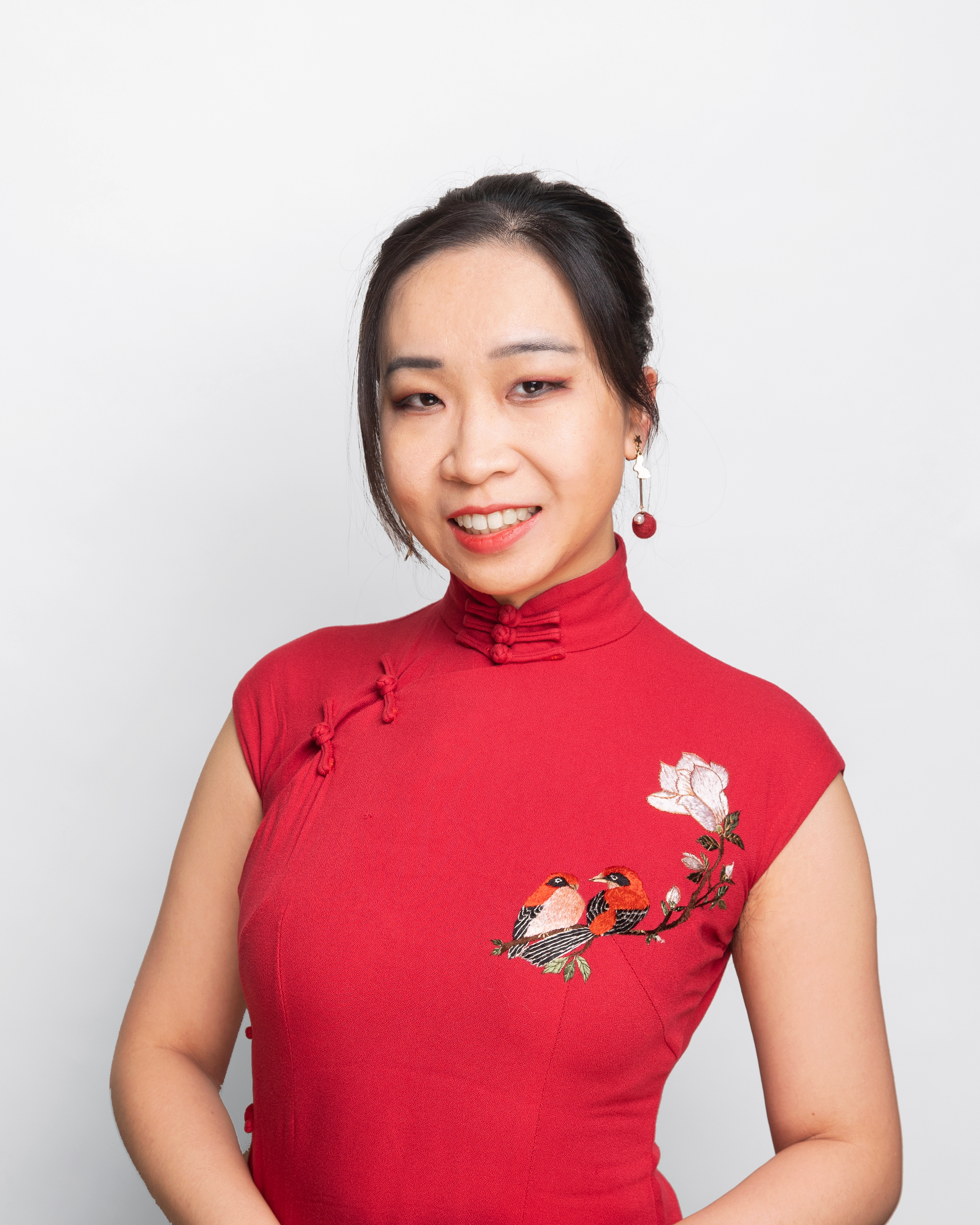
Youran Lin
Assistant Professor, Communication Sciences & Disorders
About
Youran Lin grew up in Harbin, China — a city twinned with Edmonton — where a school story about language, occupation, and loss sparked a lifelong fascination. French came first, then Russian, then a seven-year linguistics degree in Beijing. It wasn't until a labmate mentioned something called "speech-language pathology" that everything clicked.
"I didn't know about SLP until the first year of my master's," she says. "But once I did, I saw how linguistics could translate into direct help for people." That realization brought her to the University of Alberta, where she is now an Assistant Professor in the Department of Communication Sciences and Disorders.
Today, Lin's research focuses on multilingual individuals and families — particularly those navigating the tension between a home language and English. She works with children in bilingual programs, families navigating communication disorders, and newcomers whose early years in Canada were defined by survival rather than stability.
"The home language is just as important. And you only realize what's lost once it's gone. It's hard to get it back."
— Youran Lin
Research & teaching
One of the most persistent misconceptions Lin encounters is that English should come first — and that the home language can wait. Parents are often told, directly or indirectly, that prioritizing their language at home will slow their child down.
"All the resources, all the therapies — they're in English," she says. "So parents end up doing the heavy lifting for the home language on their own, or even decide to give up on it because there's just too much to handle."
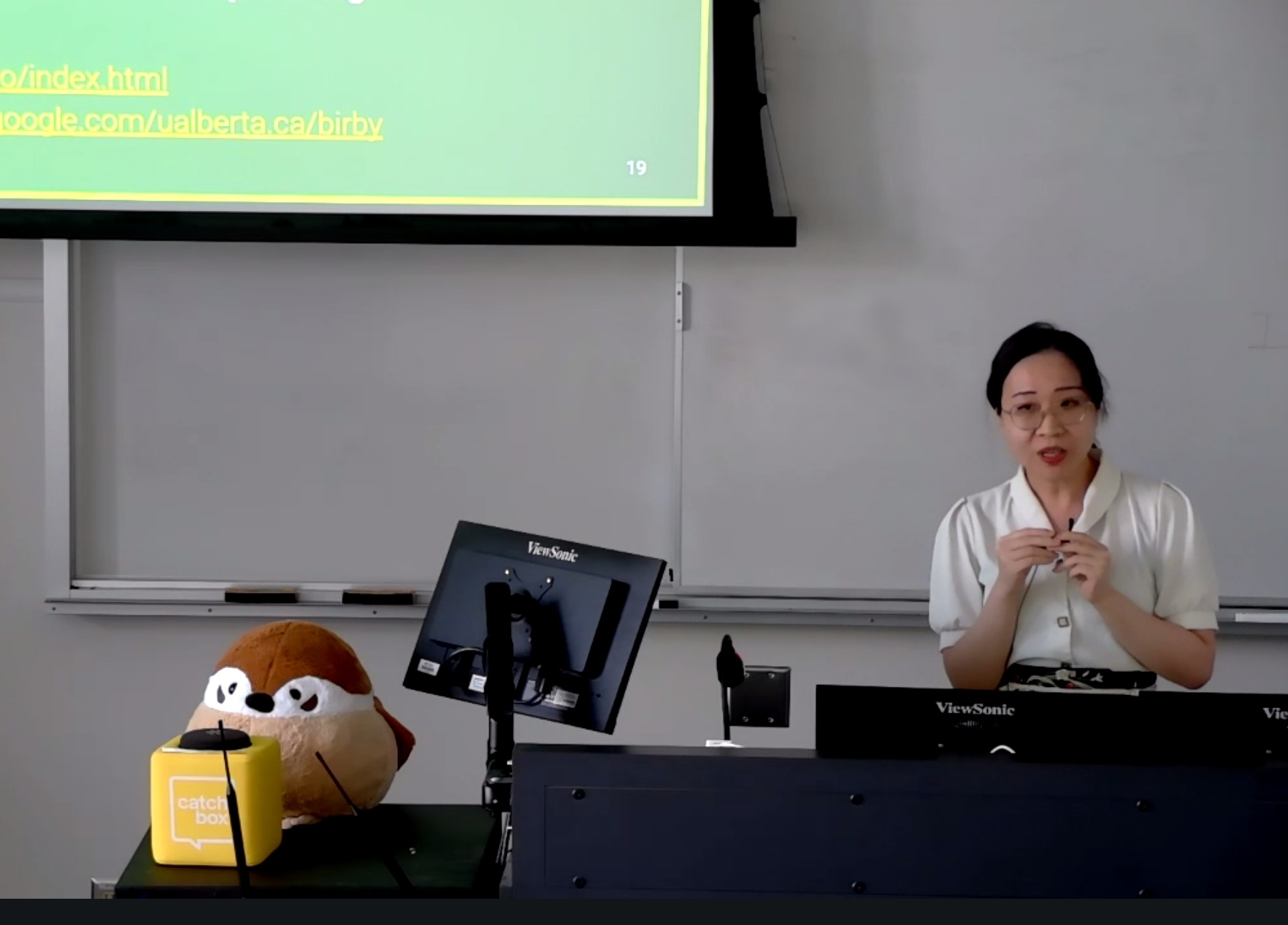
In a course she co-teaches with Lecturer Laura Brompton, SLP students study a language they don't speak, learn its speech sounds, and design clinical tools for its speakers. The point: you don't have to be fluent to be curious, or share someone's language to take it seriously.
Background & perspective
As the only international student in her clinical cohort, Lin spent years learning to navigate spaces not built with her in mind — the pace of group conversations, unspoken social rules, the subtle pressure to fit in rather than stand out.
"I felt like I needed to completely revise how I talked and who I was," she says. "But gradually I tried to let the Chinese me and English me mingle. And you know what, I quite like that girl."
That experience now shapes how she shows up as an educator and mentor. When a student from a minority background once told her, "I feel really comfortable seeing you are in the program teaching us," she knew what kind of work mattered most.