Advanced Manufacturing, Automation, + Product Development
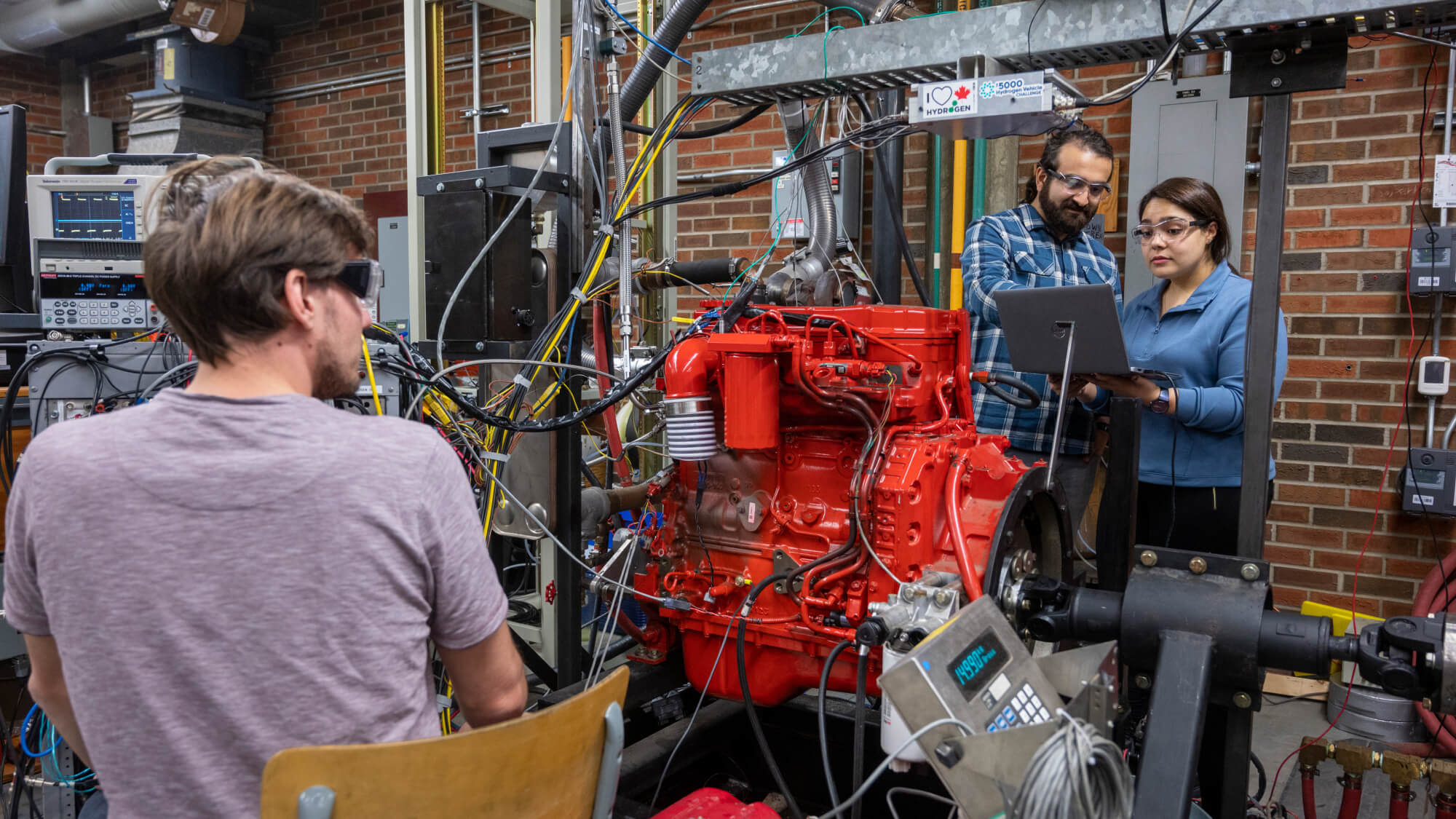
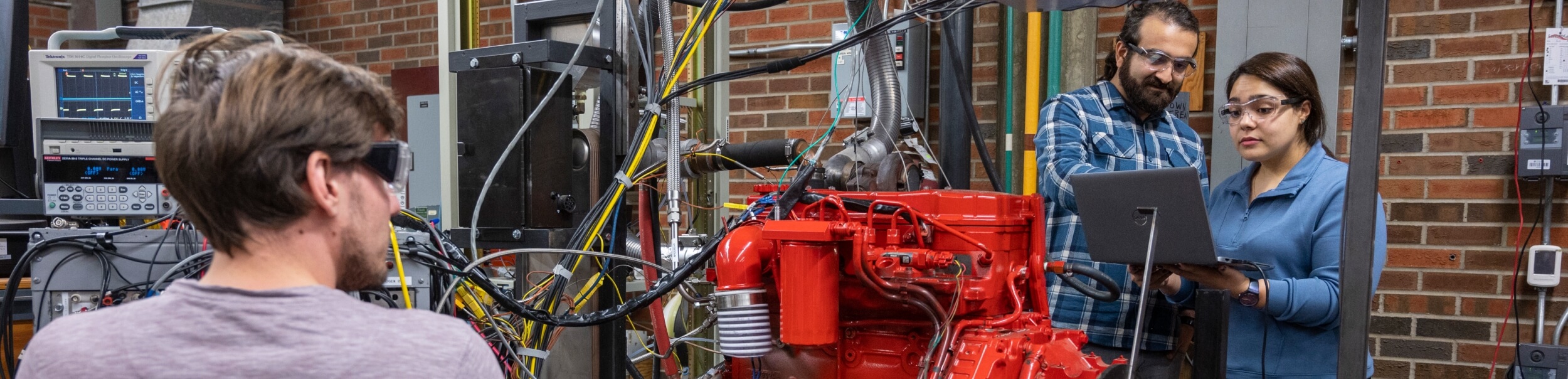
We develop next-generation manufacturing technologies that drive product innovation, streamline production, and enable high-performance engineered systems.
Our research spans additive and hybrid manufacturing, advanced material synthesis, architectured lattices, functional coatings, and intelligent product design. We develop next-generation materials including nanostructured alloys, multi-phase composites, smart polymers, and bioinspired systems. Projects integrate digital twins, microstructural engineering, residual stress analysis, and real-time process monitoring to enable precision manufacturing. Applications include aerospace, healthcare, energy, defense, and robotics. Students gain hands-on experience with laser cladding, cold spray, flexible electronics, and multi-material printing. We work with startups, national labs, and global manufactures to accelerate technology adoption. Graduates are prepared for leadership in materials innovation, automation, and product development.
Possible Careers
- Additive manufacturing and digital fabrication engineer
- Advanced product development specialist
- Robotics and smart manufacturing systems engineer
- Materials and process innovation engineer
- Sustainable manufacturing and lifecycle analyst
- Soft robotics and functional systems designer
Areas of Specialization
Mechanical engineering is a broad and versatile discipline. While traditionally associated with engines and heavy machinery, the field has evolved into a diverse landscape of specialized research areas that push the boundaries of the industry.
Additive and Hybrid Manufacturing Technologies
We develop metal, polymer, and composite additive manufacturing processes for precision components and functional structures. Research spans laser powder bed fusion, cold spray, direct energy deposition, and hybrid techniques combining conventional and AM processes. Applications include aerospace parts, biomedical devices, and corrosion-resistant systems. Our labs feature industrial-scale printers, powder characterization tools, and post-processing systems for microstructure control and performance optimization. Projects focus on printability, residual stress, thermal history, and property prediction. We work closely with OEMs, national labs, and standards bodies to scale new materials and qualify AM parts for critical structural and extreme environment use.
Intelligent Product Design and Digital Engineering
We combine CAD/CAE integration, design automation, and digital twins to create smart, adaptable product designs. Our work addresses parametric optimization, inverse design using AI, and performance simulation from conceptualization to deployment. Applications range from energy systems to robotics and custom tooling. Research also includes life-cycle design, data-driven decision-making, and manufacturability assessment. Collaborations span software developers, manufacturers, and research and development labs. Students gain experience with advanced modeling tools and design platforms while contributing to real-world innovation pipelines. This area supports accelerated design cycles and agile manufacturing approaches critical to next-generation product development and supply chain resilience.
Functional Coatings and Surface Engineering
We engineer coatings to improve wear resistance, corrosion protection, thermal performance, and functionality in extreme environments. Research includes thermal spraying, cold spray deposition, multilayer systems, and functionally graded coatings. These coatings are applied to valves, turbine components, biomedical implants, and naval structures. We use process-structure-property relationships, in-situ diagnostics, and advanced characterization to tailor surface properties. Our research is supported by industrial spray facilities, mechanical testing, and collaborative programs with aerospace, energy, and defense sectors. This specialization prepares graduates to work in high-performance materials innovation for mission-critical applications.
Advanced Composites and Smart Materials
We develop fiber-reinforced composites, shape memory materials, and bio-inspired structures for use in lightweight systems, biomedical applications, and robotic components. Our research includes electrospinning, high-rate testing, additive manufacturing of composites, and multifunctional materials for thermal, electrical, or sensing integration. Industry collaborations target applications in automotive, sports equipment, UAVs, and defense platforms. Students gain experience in composite design, micromechanical modeling, and novel manufacturing techniques. Our facilities support full-cycle fabrication and testing of smart materials designed to meet demanding operational and environmental requirements.
Microfabrication, Soft Robotics, and Bioinspired Manufacturing
We design and fabricate microscale and mesoscale components using soft lithography, dry adhesives, flexible electronics, and integrated actuators. Our research includes dry adhesive surfaces inspired by gecko feet, soft robotic actuators, liquid metal printing, and stretchable electronics. These technologies are applied in robotic grippers, biomedical tools, and adaptive mobility devices. We collaborate with robotics firms, biomedical engineers, and microfluidics developers. This specialization emphasizes cross-disciplinary creativity in applying microfabrication and biomimetics to solve mechanical and control problems in soft systems.