Fluid Mechanics, Aerodynamics + Propulsion Systems
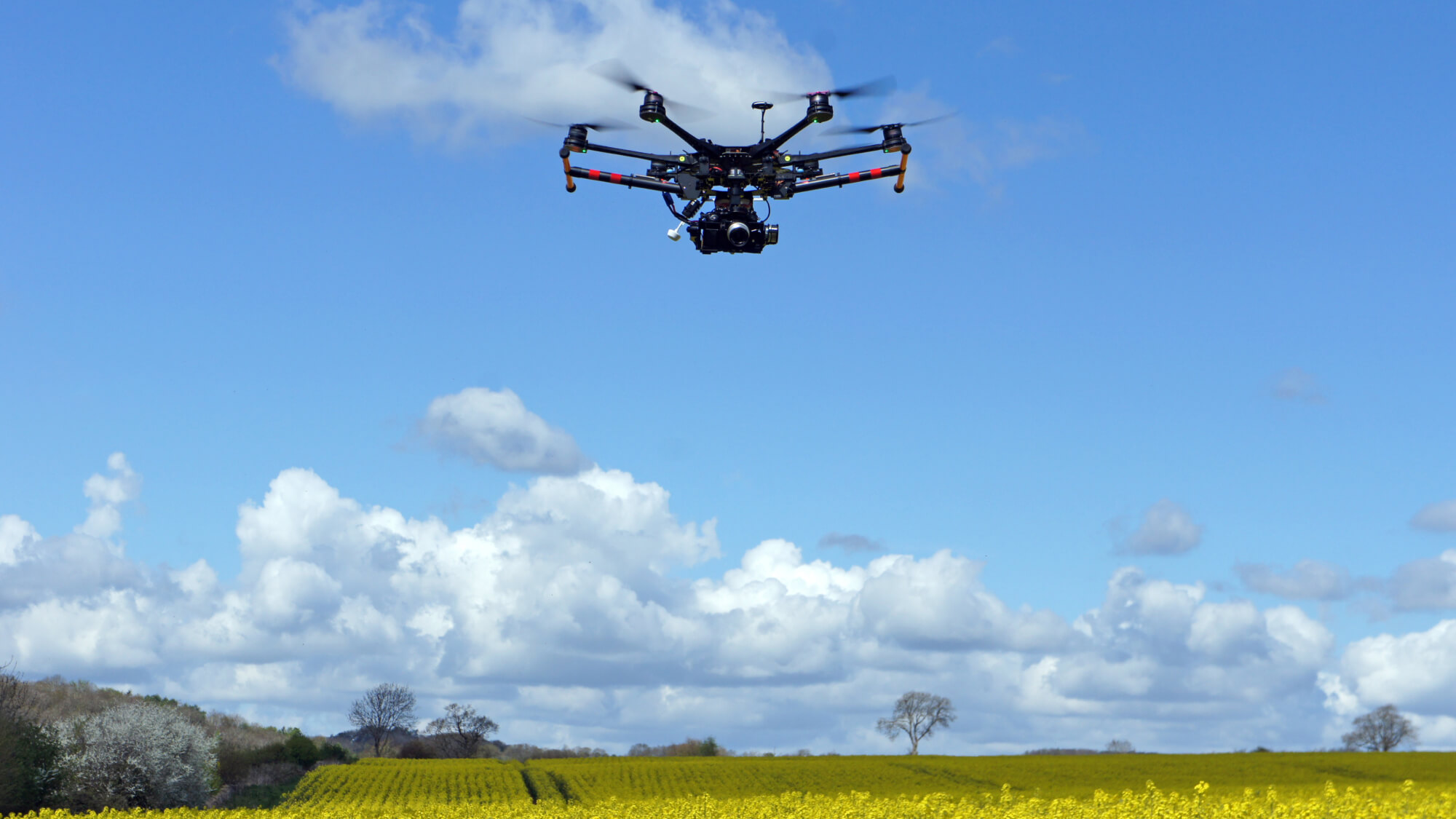

We investigate, simulate, and control complex fluid flows to advance technologies in aerospace propulsion, unsteady aerodynamics, environmental control and energy systems.
This research area focuses on understanding and engineering the behavior of fluids in high-performance, unsteady, and multi-scale systems. Core strengths include high-speed aerodynamics, turbulence modeling, bio-inspired propulsion, aeroacoustics, and fluid–structure interaction. Students and researchers use wind tunnels, custom flow loops, and advanced diagnostics such as particle image velocimetry, high-speed imaging, and laser-based sensing to validate and refine computational fluid dynamics models, including Reynolds-averaged Navier–Stokes, large eddy simulation, and hybrid approaches. Projects explore supersonic propulsion, flapping-wing drones, energy-harvesting systems, and noise mitigation strategies for aircraft and urban mobility. Applications extend to jet engine design, turbomachinery, pipeline transport, environmental dispersion, and robotic locomotion. Industry collaborators include aerospace firms, energy companies, and national laboratories. Students engage in both experimental and computational work, often co-authoring research with industrial and academic partners. This area equips graduates for careers in aerodynamics, propulsion, climate control, fluid diagnostics, and simulation-driven design across transportation, energy, and defence sectors.
Possible Careers
- Aerodynamics engineer
- Propulsion systems engineer
- Experimental fluid mechanics researcher
- Turbulence and flow control specialist
- Aeroacoustics and noise control engineer
- Bio-inspired systems designer
Areas of Specialization
Mechanical engineering is a broad and versatile discipline. While traditionally associated with engines and heavy machinery, the field has evolved into a diverse landscape of specialized research areas that push the boundaries of the industry.
High-Speed Aerodynamics and Propulsion
This specialization investigates the fluid dynamics of high-speed systems such as supersonic and hypersonic vehicles, atmospheric re-entry platforms, and advanced propulsion concepts. Research includes shock wave interactions, boundary layer transition, thermal loads, and flow stability in extreme environments. Students engage in wind tunnel testing, computational simulation, and diagnostics to explore lift, drag, and propulsion efficiency. Applications span aerospace defense, high-altitude flight and next-generation launch systems.
Unsteady and Bio-Inspired Flow Dynamics
This area focuses on unsteady, oscillatory, and biomimetic flows for propulsion and maneuvering in air and water. Topics include vortex shedding, flapping foil propulsion, flow separation control, and energy harvesting from unsteady environments. Students use experimental and numerical tools to study fish-like propulsion, insect flight, or robotic swimmers and flyers. Research informs the design of agile vehicles, low-noise propulsors, and novel actuation systems for drones, marine vehicles, and micro air vehicles.
Turbulence Modeling and Flow Control
This specialization addresses the modeling, prediction, and control of turbulent flows in engineering systems. Projects involve large eddy simulations, Reynolds-averaged Navier–Stokes modeling, and hybrid approaches for complex geometries. Topics include drag reduction, flow reattachment, and passive and active control strategies using sensors, actuators, and machine learning. Applications include aircraft design, pipeline systems, turbomachinery and external aerodynamics.
Aeroacoustics and Noise Mitigation
This area explores how fluid flows generate sound and how noise can be controlled in propulsion and aerodynamic systems. Research topics include jet noise, blade–vortex interaction, and turbulence-induced sound in HVAC, engines, and rotors. Students develop predictive models and experimental methods to understand and reduce acoustic emissions, supporting quieter aircraft, urban air mobility systems and industrial ventilation.
Experimental Fluid Mechanics and Flow Diagnostics
This specialization emphasizes the development and application of experimental techniques to study complex fluid flows. Students use particle image velocimetry, laser-induced fluorescence, pressure-sensitive paints, and high-speed imaging to visualize flow structures and validate simulations. Research spans aerodynamic testing, multiphase flow behavior, and internal flow in nozzles and ducts. Work often supports validation of new models and development of fluid systems in aerospace, energy and environmental applications.
Propulsion Systems Design and Performance
This area focuses on the modeling, testing, and optimization of propulsion systems including gas turbines, jet engines, electric thrusters, and hybrid systems. Topics include fuel–air mixing, combustion instabilities, blade cooling and thrust vectoring. Students engage in both experimental and computational work to improve propulsion efficiency, emissions, and thermal management. Applications include aviation, space propulsion, and emerging urban air mobility platforms.